Are you wondering if it’s okay to feed your puppy adult dog food? It’s a question many pet owners ask, especially when they want the best for their furry friend.
What you feed your puppy now can shape their health and growth for years to come. But giving them the wrong food might cause problems you didn’t expect. Keep reading to discover the truth about puppy nutrition and how to make the best choice for your growing dog.
Your puppy’s well-being depends on it!
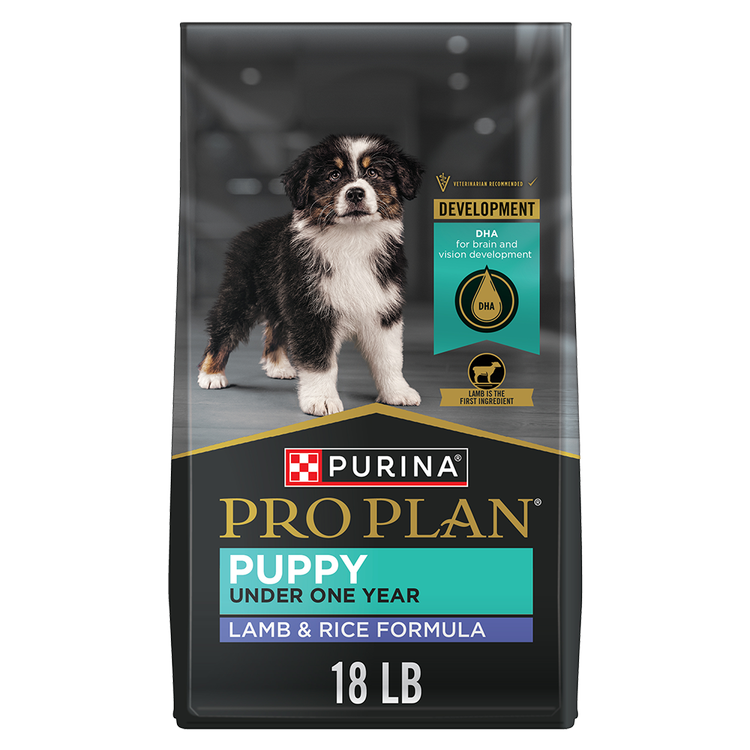
Credit: www.purina.com
Puppy Nutritional Needs
Puppies have unique nutritional needs that differ significantly from adult dogs. Their bodies are growing rapidly, and every meal plays a crucial role in supporting healthy development. Feeding your puppy the right food ensures they build strong bones, muscles, and a robust immune system.
Growth Requirements
Puppies require more calories per pound of body weight than adult dogs because they are growing fast. This extra energy supports everything from brain development to physical activity.
Unlike adult dogs, puppies need a diet designed to fuel their rapid growth and changing bodies. Feeding adult dog food to a puppy might leave gaps in essential calories and nutrients.
Have you noticed how your puppy seems to have endless energy? That’s because their bodies are working hard behind the scenes to grow. Meeting these growth requirements means choosing food that matches this high demand.
Key Nutrients For Puppies
Your puppy needs specific nutrients in higher amounts than an adult dog. Protein, fats, vitamins, and minerals all have a role to play in healthy development.
- Protein:Essential for building muscles and tissues.
- Fat:Provides concentrated energy and supports brain development.
- Calcium and Phosphorus:Critical for strong bones and teeth.
- DHA (a type of Omega-3 fatty acid):Supports vision and cognitive function.
- Vitamins and Minerals:Help boost the immune system and maintain overall health.
Missing out on these nutrients can stunt your puppy’s growth or cause health problems later. Have you checked the label of your dog food to see if it meets these puppy-specific needs?
Credit: www.thinkjinx.com
Differences In Dog Food Formulas
Understanding the differences in dog food formulas is essential before deciding what to feed your puppy. Each stage of a dog’s life demands specific nutrients to support growth, health, and energy levels. Feeding the wrong type of food could impact your puppy’s development, so knowing these differences helps you make the best choice.
Puppy Vs Adult Dog Food
Puppy food is designed to meet the unique needs of growing dogs. It contains higher levels of certain nutrients that support bone development, brain growth, and immune function. Adult dog food, on the other hand, is formulated for maintenance and typically has lower levels of these nutrients.
Think about the last time you switched your own diet drastically. Your body needed time to adjust because the nutrients and calories changed. The same principle applies to dogs—feeding adult food to a puppy might leave them without enough fuel for their rapid growth.
Calorie And Protein Content
Puppies burn more calories throughout the day since they’re constantly growing and exploring their world. Their food usually contains more calories per serving compared to adult dog food. This extra energy supports their active lifestyle and development.
Protein is another key difference. Puppy formulas have higher protein levels to help build strong muscles and tissues. Adult dog food contains less protein because adult dogs need to maintain rather than build new muscle mass.
- Puppy Food:Higher calories, higher protein, enriched with vitamins and minerals
- Adult Dog Food:Balanced calories and protein for maintenance
Could feeding your puppy adult food slow down their growth or make them less energetic? It’s worth considering because nutritional needs change as your dog grows. Paying close attention to these differences ensures your puppy gets the right start in life.
Risks Of Feeding Adult Food To Puppies
Feeding adult dog food to puppies can cause nutrient gaps that harm their growth. Puppies need extra protein and calories, which adult food lacks. This may lead to weak bones and poor development.
Feeding adult dog food to puppies might seem like a quick fix when you’re out of puppy chow, but it comes with significant risks. Puppies have unique dietary needs that adult formulas simply can’t meet. Understanding these risks can help ensure your furry friend grows up strong and healthy.Nutritional Deficiencies
Puppies are in a critical stage of growth, requiring a balanced diet rich in protein, fat, and essential nutrients. Adult dog food typically lacks the higher levels of protein and fat that puppies need for proper development. This deficiency can lead to weak bones, poor muscle development, and a compromised immune system. Have you noticed how puppies are always on the move? They burn a lot of energy, and without the right nutrients, their growth can be stunted.Digestive Issues
Puppies have sensitive digestive systems that can struggle to process adult dog food. The differences in fiber and nutrient content can lead to gastrointestinal distress. This might mean more frequent vet visits due to diarrhea or vomiting. No one wants to see their puppy uncomfortable or in pain, especially when it’s preventable.Long-term Health Effects
Feeding your puppy adult food can have repercussions that last a lifetime. The lack of appropriate nutrients during their formative months can lead to chronic health issues. This includes joint problems, obesity, or even heart disease later in life. Ask yourself, is saving a few dollars now worth the potential health costs in the future? Choosing the right food is a simple yet powerful way to invest in your puppy’s health. Always consult with your vet to tailor your puppy’s diet to their specific needs. Your puppy deserves the best start in life, and their diet plays a crucial role in that journey.
Credit: wefeedraw.com
When Adult Food Might Be Acceptable
Adult dog food is not ideal for puppies due to different nutrient needs. Puppies require more protein, fat, and calories for growth. Yet, there are rare moments when adult food might work. Understanding these situations helps keep your puppy safe and healthy.
Temporary Feeding Scenarios
Sometimes, adult dog food can serve as a short-term option. For example, during travel or emergencies, puppy food may not be available. Feeding adult food for a day or two usually causes no harm. Just avoid making it a regular diet.
Another case is when a puppy has a sensitive stomach. Some adult formulas are gentler and easier to digest. This can help if the puppy reacts badly to certain puppy foods. Still, keep the feeding period brief and monitor the puppy closely.
Consulting A Veterinarian
A vet’s advice is crucial before feeding adult food to a puppy. They assess your puppy’s health and specific needs. Vets can recommend the best feeding plan and suitable food types. They also guide on how to switch back to puppy food safely.
Never guess or experiment without professional input. Puppies grow fast and need proper nutrition. The wrong food may cause growth problems or nutrient gaps. A vet ensures your puppy’s diet supports strong bones and good energy.
Expert Feeding Recommendations
Feeding puppies requires careful attention to their unique nutritional needs. Adult dog food lacks essential nutrients critical for a puppy’s growth. Experts recommend specific feeding practices to ensure healthy development. These guidelines help avoid common health problems and support strong bones, muscles, and immunity.
Choosing The Right Puppy Food
Select food labeled for puppies or growth stages. These formulas contain extra protein, fat, and vitamins. Check for AAFCO approval to ensure balanced nutrition. Avoid adult dog food, which may not support rapid growth. Grain-free or limited ingredient options suit sensitive puppies.
Transitioning Between Foods
Switch foods gradually over 7 to 10 days. Mix increasing amounts of new food with the old. This reduces digestive upset and encourages acceptance. Watch for vomiting, diarrhea, or loss of appetite. Adjust the transition speed if needed to keep your puppy comfortable.
Monitoring Puppy Health
Track weight and body condition regularly. Healthy puppies gain weight steadily without becoming overweight. Observe energy levels and stool quality for signs of diet issues. Consult a vet for growth concerns or feeding questions. Early intervention helps prevent future health problems.
Frequently Asked Questions
Can Puppies Eat Adult Dog Food Safely?
Puppies should not eat adult dog food regularly. Adult food lacks essential nutrients for growth. Puppies need higher protein and fat. Feeding adult food may stunt growth and affect health. Always choose specially formulated puppy food for proper development.
What Happens If A Puppy Eats Adult Dog Food?
If a puppy eats adult food once, it’s usually fine. Frequent feeding can cause nutrient deficiencies and poor growth. Adult food has lower calories and minerals needed for puppies. It may lead to weak bones and low energy over time.
When Can Puppies Switch To Adult Dog Food?
Puppies can switch to adult food around 12 months old. Large breeds may switch closer to 18 months. Consult your vet for the right time. Transition gradually to avoid digestive upset and ensure nutritional needs.
Is Adult Dog Food Cheaper Than Puppy Food?
Adult dog food is often cheaper than puppy food. However, cheaper doesn’t mean better for puppies. Puppy food has extra nutrients for growth and immunity. Investing in puppy food supports healthy development and long-term wellbeing.
Conclusion
Feeding adult dog food to a puppy is not ideal. Puppies need special nutrients for healthy growth. Adult food lacks some vitamins and minerals puppies require. Using puppy-specific food supports their energy and development needs. Always choose food designed for your dog’s age.
Proper nutrition helps your puppy grow strong and happy. Consult your vet for the best feeding advice. Taking care of your puppy’s diet is very important. Healthy food today means a healthier dog tomorrow.