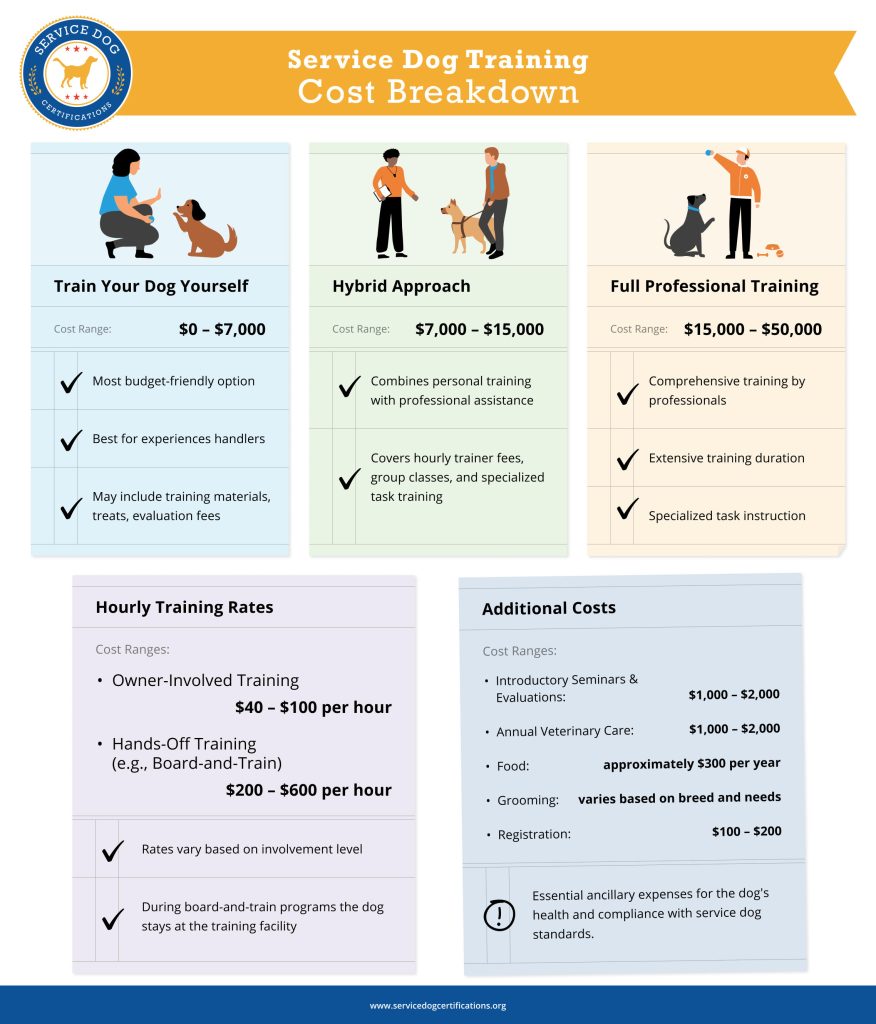

Are you thinking about training dogs, either as a hobby or a potential career? You might be wondering, “Do I need a license to train dogs?” This question is more important than you may realize.
Knowing the answer can save you time, money, and headaches down the road. You’ll discover exactly what rules apply, when a license is necessary, and how to ensure you’re following the law while helping dogs and their owners. Keep reading to find out what you need to get started the right way.
Licensing Requirements By Region
Understanding licensing requirements for dog training varies widely depending on where you live. Different regions have their own rules about whether you need a license, what kind of certification is required, and how to legally operate your dog training business. Knowing these differences can save you from legal headaches and help you build trust with your clients.
Licenses In The United States
In the U.S., requirements differ from state to state. Some states have no formal licensing for dog trainers, while others require specific certifications or business licenses. For example, California doesn’t mandate a license for dog trainers, but you’ll need a general business license to operate legally.
Many trainers choose to get certified through organizations like the International Association of Canine Professionals (IACP) to boost credibility. Have you checked if your state or city has any special permits for animal-related services? It’s a good idea to visit your local government website to confirm.
Rules In Canada And Europe
Canada tends to have looser regulations, but provinces like Ontario may require you to register your business and follow animal welfare laws. Trainers often pursue certifications from groups like the Canadian Association of Professional Dog Trainers to stand out.
Europe is more varied. Countries like the UK require dog trainers to follow strict animal welfare laws and sometimes register with professional bodies. Germany, for example, demands trainers get official approval before working with dogs, ensuring trainers meet specific standards.
Are you prepared to navigate these rules if you plan to work internationally? Understanding local expectations can make a big difference in your reputation and legal standing.
Regulations In Australia And Other Areas
Australia requires dog trainers to comply with state-based regulations. In New South Wales, trainers may need a specific license, especially if they work with dangerous dogs or provide training as a business. Other states have varying levels of regulation.
In many other countries, licensing is less formal, but animal welfare laws are strict. It’s common to see trainers voluntarily getting certified to prove their skills and commitment to responsible training.
Thinking about expanding your dog training services? Researching local laws before starting can help you avoid costly mistakes and protect your business’s future.

Credit: www.animalbehaviorcollege.com
Types Of Dog Training Licenses
Understanding the types of dog training licenses can help you navigate the requirements and boost your credibility as a trainer. These licenses and certifications vary depending on your training style, business setup, and specialization. Knowing what each entails lets you pick the right path for your career.
Professional Trainer Certification
Professional trainer certifications prove your skills and knowledge in dog training. Organizations like the Certification Council for Professional Dog Trainers (CCPDT) offer exams that test your understanding of animal behavior and training techniques.
Holding a certification shows your clients you take your work seriously. It also keeps you updated with the latest training methods. Would you trust a trainer without any formal proof of expertise?
Business Operation Permits
Running a dog training business usually requires specific permits or licenses from your city or state. These permits ensure you meet local health and safety regulations.
For example, you might need a kennel license if you board dogs or a general business license for offering training services. Checking with your local government early saves time and avoids fines.
Specialty Training Credentials
If you focus on niche areas like service dog training, agility, or behavior modification, specialty credentials can set you apart. These credentials come from specialized courses or professional groups.
They demonstrate your expertise in a particular field, helping you attract clients with specific needs. Have you considered how a specialty credential might open new doors for your training business?
When A License Is Required
Training dogs professionally often requires a license, especially in certain states or countries. Licensing ensures trainers meet safety and skill standards to protect both dogs and owners. Checking local rules helps avoid legal issues before starting training services.
Understanding when a license is required to train dogs can be crucial, especially if you are considering professional dog training. Navigating the legalities ensures you are compliant and provides credibility to your services. Here’s a breakdown of specific scenarios where a license might be necessary.Training For Commercial Purposes
If you’re planning to train dogs as a business, you might need a license. Different states or countries have varying regulations, so it’s important to check local laws. Licensing often involves demonstrating your training expertise and may include an inspection of your training facilities. Commercial dog training isn’t just about the dogs; it’s also about meeting client expectations. A license can boost your reputation, making your services more appealing to potential clients.Working With Service And Therapy Dogs
Training service or therapy dogs is a specialized field requiring specific skills and certifications. Many regions mandate licenses for trainers working with these animals to ensure high standards are met. This often includes understanding the specific needs of individuals who rely on these dogs. Service dogs assist people with disabilities, so their training must be impeccable. Holding a license in this area highlights your commitment to excellence and safety.Private Training Vs. Public Training
Private training sessions at home might not always require a license, but this depends on local laws. Public training, where you offer sessions in parks or community centers, may have stricter regulations. Consider how your training environment impacts your licensing needs. Public settings often require you to meet additional criteria, including insurance and safety standards. Have you thought about how a license could influence your dog training endeavors? Understanding these requirements not only helps you avoid legal issues but also enhances your credibility as a dog trainer.
Credit: servicedogcertificates.org
How To Get Licensed
Getting licensed to train dogs adds credibility to your skills and assures clients that you follow professional standards. The process involves clear steps, specific training programs, and financial considerations. Understanding what it takes to become certified helps you make informed decisions about your dog training career.
Steps To Obtain Certification
First, research the certification bodies recognized in your area or industry. Many require you to complete a set number of training hours and pass an exam that tests your knowledge of dog behavior and training techniques.
You’ll often need to submit proof of hands-on experience and sometimes letters of recommendation. Preparing for the exam with practice tests or study groups can boost your confidence. Once certified, you’ll receive credentials that you can proudly display to attract clients.
Training Programs And Courses
Look for accredited dog training programs that offer both online and in-person options. These courses cover topics like canine psychology, obedience commands, and handling difficult behaviors.
Some programs also include modules on business skills, such as client communication and safety protocols. Choosing a program that matches your learning style and schedule will make it easier to complete. Have you considered joining workshops or seminars to stay updated after initial certification?
Costs And Renewal Process
Expect to invest in course fees, study materials, and exam costs. Prices vary widely depending on the organization and depth of the program. Some programs charge a one-time fee, while others may have annual membership or renewal fees.
Renewal usually involves continuing education credits or proof of ongoing work in the field. This keeps your skills sharp and ensures you stay current with new training methods. How often you renew depends on the certifying body, but it’s essential to plan for these recurring expenses to maintain your license.
Benefits Of Licensing
Licensing offers many benefits for dog trainers. It sets a professional standard and helps trainers stand out. Licensed trainers often gain more clients because they show they follow rules and care about quality. Licensing also protects trainers legally and opens doors to valuable connections.
Building Credibility And Trust
Licensing proves a trainer has met certain standards. Clients trust trainers who hold a valid license. It shows the trainer knows dog behavior and training techniques. This trust can lead to more referrals and repeat business. Licensed trainers appear more reliable and skilled to potential clients.
Legal Protection And Compliance
Licensing helps trainers follow local laws. It reduces the risk of fines or legal trouble. Licensed trainers often have insurance that covers accidents. This protection is important for both the trainer and the client. Compliance with laws shows professionalism and care.
Access To Professional Networks
Licensed trainers often join professional groups. These networks offer support and advice. Trainers can share tips and learn new methods. Membership in networks may lead to workshops and certifications. Networking helps trainers grow their skills and business.
Consequences Of Training Without A License
Training dogs without a license can lead to serious problems. Many places require trainers to have proper certification. Ignoring these rules can cause trouble legally and damage trust. It also puts clients and their pets at risk. Understanding the consequences helps trainers make the right choice.
Legal Penalties And Fines
Training without a license often breaks local laws. Authorities may issue fines or penalties. These can be costly and harm your business. Sometimes, trainers face court cases or lose the right to work. Legal trouble can stop a career before it starts.
Impact On Reputation
Clients want trustworthy and qualified trainers. Working without a license looks unprofessional. Word spreads quickly if clients feel unsafe or unhappy. Negative reviews can reduce future job chances. A damaged reputation is hard to fix and limits growth.
Risks To Client Safety
Unlicensed trainers may lack important skills or knowledge. This can lead to wrong training methods or accidents. Pets might get injured or behave badly. Clients could lose trust and stop using services. Safety must be a top priority for every trainer.
Alternatives To Licensing
Dog training licenses may not be mandatory everywhere. Many trainers choose other ways to prove their skills and knowledge. These alternatives build trust and show professionalism. They help trainers stand out without official licensing requirements.
Voluntary Certifications
Voluntary certifications show a trainer’s dedication and expertise. Various organizations offer certificates after passing tests or completing courses. These certifications cover different training methods and specializations. They give clients confidence in a trainer’s abilities.
Membership In Professional Associations
Joining professional dog training groups connects trainers with peers and resources. Associations often set ethical standards and best practices. Members gain access to workshops, events, and networking opportunities. This membership signals a commitment to quality and growth.
Continuing Education Options
Continuing education keeps trainers updated on new techniques and research. Workshops, seminars, and online courses provide fresh knowledge. Regular learning improves training skills and client results. It shows a trainer’s passion and responsibility to the craft.
Credit: www.theacademyofpetcareers.com
Frequently Asked Questions
Do You Need A License To Train Dogs Professionally?
In most regions, a formal license is not mandatory to train dogs. However, certifications from recognized bodies boost credibility and trust. Always check local laws, as some areas may require permits or business licenses for professional trainers.
What Certifications Improve Dog Training Credibility?
Popular certifications include CPDT-KA, APDT, and IAABC credentials. These prove your expertise and adherence to ethical training methods. Certifications help attract clients and ensure you follow industry standards and best practices.
Are There Legal Regulations For Dog Trainers?
Legal regulations vary by location. Some places require business licenses or insurance. Trainers must comply with animal welfare laws and zoning rules. Always research local requirements before starting a dog training business.
Can I Train Dogs Without Formal Education?
Yes, many successful trainers learn through experience and mentorship. Formal education is beneficial but not always required. Continuous learning and gaining practical skills are key to becoming an effective dog trainer.
Conclusion
Training dogs can be done with or without a license in many places. Rules depend on where you live and what type of training you offer. Getting a license may build trust with clients and show professionalism. Still, skill and care are the most important parts of training dogs well.
Always check local laws before starting your dog training business. Remember, patience and kindness help dogs learn best.