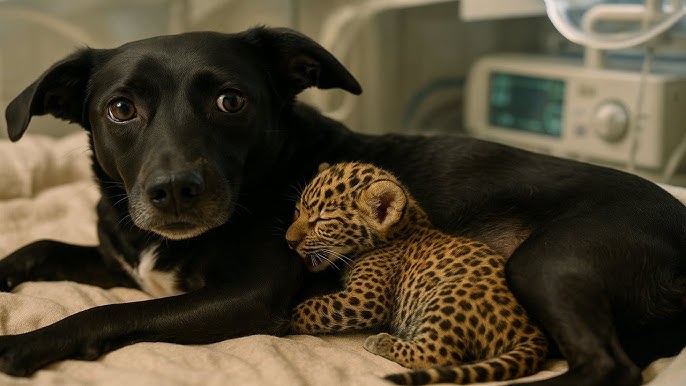

If your dog can’t stop chasing or bothering your cat, you’re not alone—and there’s a way to fix it. Imagine a home where your dog and cat peacefully share the space without tension or stress.
It’s possible, and you have the power to make it happen. You’ll discover simple, effective steps to train your dog to leave your cat alone. By the end, you’ll feel more confident and in control, creating a calm and happy environment for both your furry friends.
Keep reading to learn how to turn that chaos into harmony.
:strip_icc()/train-a-dog-to-take-a-bow-1117287_2374-2a7ec25ca7204b07ba5269175caf7b31.jpg)
Credit: www.thesprucepets.com
Assess Dog And Cat Behavior
Assessing your dog and cat’s behavior is the first step to teaching your dog to leave the cat alone. Understanding how both pets act helps you plan the right training. Watch closely how your dog reacts to the cat and how the cat responds. This knowledge prevents problems and keeps both animals safe.
Identify Triggers
Find out what causes your dog to focus on the cat. It might be quick movements, sounds, or even the cat’s scent. Some dogs chase because they see the cat as prey. Others might bark due to excitement or fear. Note each trigger to manage or remove it during training.
Observe Interaction Patterns
Look at how your dog and cat behave together over time. Does the dog follow the cat everywhere? Does the cat hide or hiss? Notice if the dog shows signs of stress or aggression. Understanding these patterns helps you choose the best way to teach calm behavior around the cat.
Create Safe Spaces
Creating safe spaces is essential for teaching your dog to leave your cat alone. These areas give your cat a refuge where they feel secure and can escape any unwanted attention from your dog. By setting clear physical boundaries, you help reduce stress for both pets and encourage peaceful coexistence.
Designate Cat-only Zones
Set up specific rooms or corners in your home where only your cat can go. These zones should have comfortable bedding, toys, and food to make your cat feel welcome and safe. Make sure your dog understands these areas are off-limits by gently guiding them away whenever they try to enter.
Think about areas your cat already enjoys, like a high shelf or a quiet nook. Enhancing these spots with scratching posts or cozy hideouts can encourage your cat to spend more time there. Have you noticed your cat’s favorite resting place? That’s a perfect candidate for a cat-only zone.
Use Barriers And Gates
Physical barriers are a simple but effective way to keep your dog out of cat-only zones. Baby gates with small openings or pet barriers work well to block access while letting your cat slip through easily. This approach helps your dog learn boundaries without feeling punished.
Try different types of barriers to see what your dog respects best. Some dogs might jump over low gates, so taller or more solid barriers might be necessary. Have you tried using gates that your cat can jump over but your dog cannot? This can give your cat the freedom to roam safely.
Remember, consistency is key. Always close gates and maintain these safe spaces to build a routine for both pets. What safe spaces can you create today that will help your cat feel secure and your dog understand limits?
Train Basic Commands
Training basic commands is essential to teach your dog to leave your cat alone. These commands build control and trust between you and your dog. They help your dog understand what is expected. Start with simple commands that your dog can learn quickly. Use patience and positive reinforcement during training sessions. Consistency is key to making these commands effective.
Teach ‘leave It’
The ‘Leave It’ command stops your dog from focusing on the cat. Hold a treat in your closed hand and let your dog sniff it. Wait until your dog stops trying to get the treat. Say “Leave it” and give a different treat from your other hand. Repeat this until your dog understands to ignore the first treat. Practice this command in different places and situations. It helps your dog learn to ignore distractions, like the cat.
Reinforce ‘stay’
The ‘Stay’ command helps your dog remain calm near the cat. Ask your dog to sit first. Show your palm and say “Stay” in a firm voice. Step back slowly. If your dog stays, reward with a treat and praise. If your dog moves, gently guide them back and try again. Increase the distance and time gradually. This teaches your dog self-control around the cat.
Reinforce ‘sit’
The ‘Sit’ command keeps your dog in one place. It helps reduce excitement and sudden movements near the cat. Hold a treat close to your dog’s nose. Move your hand up, so your dog’s head follows. Your dog will naturally sit down. Say “Sit” clearly as they sit. Give the treat and praise immediately. Practice often to make this command a habit. A calm dog means a safer environment for your cat.
:strip_icc()/go_to_their_place_training_1117288_1912-60833cb62ace45eeae89641b8fedf132.jpg)
Credit: www.thesprucepets.com
Use Positive Reinforcement
Positive reinforcement is a powerful tool when training your dog to leave your cat alone. It focuses on encouraging good behavior rather than punishing the bad. This approach builds trust and makes your dog more eager to learn and obey.
Reward Calm Behavior
Notice when your dog stays calm around your cat, even if they are close. Reward this calmness immediately with treats, praise, or a favorite toy. This helps your dog associate being peaceful near the cat with positive outcomes.
Try to catch these moments often. Even short periods of calmness deserve a reward. Over time, your dog will start choosing calm behavior because it feels good and brings rewards.
Avoid Punishment
Punishing your dog for showing interest in the cat can backfire. It may cause fear, anxiety, or even increase aggression. Instead of scolding, redirect your dog’s attention gently to a different activity.
Ask yourself: does your dog understand what you want from them? Punishment often confuses dogs and damages your relationship. Positive reinforcement creates a clear and kind way to guide their behavior.
Manage Initial Interactions
Managing your dog and cat’s first meetings is crucial for peace at home. This phase sets the tone for their future relationship. Careful control during initial interactions helps avoid stress and fear for both pets. Start slow and stay calm. Your dog needs to learn that the cat is not a threat or a toy. The cat needs to feel safe and unpressured. Patience is key to building trust and respect between them.
Supervise Meetings
Always watch your dog and cat closely during their first meetings. Stay alert for signs of stress or aggression. Look for growling, hissing, raised fur, or stiff body language. Step in quickly if either pet looks scared or upset. Keep sessions short and positive. Praise calm and gentle behavior from your dog. Let your cat choose to approach or walk away. Never force interactions. Supervision ensures safety and helps you guide their behavior.
Keep Dog On Leash
Use a leash to control your dog during initial introductions. The leash stops sudden lunges or chasing. It also helps teach your dog to stay calm near the cat. Hold the leash loose to avoid tension but be ready to pull back. Allow your dog to sniff and observe the cat without rushing. Reward your dog for calm behavior with treats and soft words. The leash gives you control and confidence, making meetings less stressful for everyone.

Credit: www.rnz.co.nz
Increase Interaction Time Gradually
Start by allowing your dog and cat to be near each other for short times. Gradually increase their interaction time as they grow more comfortable together. This helps your dog learn to stay calm and ignore the cat.
Introducing a dog to a cat can be a challenging experience, especially if your dog is naturally curious or excitable. A gradual increase in interaction time is crucial to ensure both animals feel comfortable and safe. By carefully orchestrating these interactions, you can foster a peaceful coexistence between your furry friends.Short Sessions
Start with brief and controlled interaction sessions. Initially, 5 to 10 minutes is a good duration. This allows both your dog and cat to get used to each other’s presence without feeling overwhelmed. You can gradually increase the time if they seem relaxed. Keep a leash on your dog during these initial sessions to maintain control. This helps prevent any sudden movements that might startle your cat.Monitor Stress Signals
Closely observe your pets for any signs of stress or anxiety. Dogs may exhibit stress by panting excessively, whining, or showing a stiff posture. Cats might hiss, arch their back, or hide. If you notice these signals, it’s time to pause and separate them. Consider what might have triggered the stress and adjust future interactions accordingly. By being attentive and patient, you give your pets the best chance to form a respectful relationship. Have you noticed any specific triggers during your pet’s interactions? Addressing these can make all the difference.Provide Mental And Physical Exercise
Providing mental and physical exercise keeps your dog busy and calm. A tired dog has less energy to bother your cat. Exercise also reduces stress and anxiety in dogs. This helps them behave better around other pets.
Good exercise routines focus on both the body and the mind. This balance improves your dog’s overall mood. It supports training efforts to make your dog respect the cat’s space.
Daily Walks
Daily walks give your dog a chance to explore and burn energy. Walks should be consistent in length and time. Try to vary the route to keep your dog interested.
During walks, practice commands like “heel” and “leave it.” This reinforces control and focus. A well-exercised dog is less likely to chase or bother the cat at home.
Interactive Toys
Interactive toys challenge your dog’s mind and keep it busy. Puzzle feeders and treat-dispensing toys work well. These toys slow down eating and stimulate thinking.
Rotate toys regularly to maintain your dog’s interest. Interactive play reduces boredom and destructive behavior. A mentally tired dog is more relaxed around the cat.
Seek Professional Help If Needed
Sometimes, training your dog to leave your cat alone can be more challenging than expected. If you find yourself stuck or if the behavior escalates, seeking professional help can make a big difference. Professionals can offer tailored advice and techniques that suit your pet’s unique personalities and situations.
Consult Trainers
Professional dog trainers have extensive experience dealing with common and uncommon behavioral issues. They can observe the interactions between your dog and cat and identify triggers you might have missed. Trainers often use reward-based methods to encourage positive behavior and reduce unwanted attention toward your cat.
Imagine having a trainer guide you through the process, showing you exactly when and how to intervene. Their hands-on approach can save you from frustration and help your pets feel safer and more relaxed.
Consider Behaviorists
If your dog’s behavior seems aggressive or deeply ingrained, a certified animal behaviorist might be the answer. Behaviorists specialize in understanding the root causes of complex behaviors and creating personalized plans to address them. They take into account your dog’s history, environment, and stress factors to provide solutions beyond basic training.
Have you noticed that your dog’s focus on the cat isn’t just playfulness but something more intense? A behaviorist can help you decode those signals and teach your dog healthier ways to cope. Their expertise often leads to long-term harmony in multi-pet households.
Frequently Asked Questions
How Can I Teach My Dog To Ignore The Cat?
Use positive reinforcement to reward calm behavior near the cat. Redirect your dog’s attention with toys or commands. Consistency and patience are key to success.
Why Does My Dog Chase The Cat?
Dogs chase cats due to prey drive or curiosity. Training and controlled introductions can reduce this behavior over time.
What Are Effective Commands To Keep Dogs Away From Cats?
Basic commands like “leave it,” “stay,” and “come” help control your dog. Practice these regularly to ensure obedience around cats.
How Long Does It Take To Train A Dog To Leave A Cat Alone?
Training time varies by dog but usually takes weeks. Consistent daily sessions and positive reinforcement speed up progress.
Conclusion
Training your dog to leave the cat alone takes time and patience. Consistent commands help your dog understand boundaries. Reward good behavior to encourage calmness around the cat. Avoid punishment; it can create fear or confusion. Keep interactions short and supervised at first.
Over time, your dog will learn to respect the cat’s space. This makes your home peaceful and safe for both pets. Remember, patience and kindness work best in any training. Your effort will lead to a happier life for your dog and cat.