Are you wondering why your puppy’s food looks so different from what adult dogs eat? Choosing the right food for your furry friend isn’t just about grabbing any bag off the shelf.
The difference between puppy and adult dog food could affect your dog’s health, energy, and growth in ways you might not expect. If you want to make sure your dog gets the nutrients they truly need at every stage of life, keep reading.
This guide will help you understand those key differences and make the best choice for your loyal companion.

Credit: petzyo.com.au
Nutritional Needs
Understanding the nutritional needs of puppies versus adult dogs is crucial for their health and development. Their diets are not just about feeding but about providing the right balance of nutrients tailored to their life stage. This ensures they grow strong, stay active, and maintain good health over time.
Calorie Requirements
Puppies burn energy quickly because they are growing and exploring the world. They need more calories per pound of body weight than adult dogs to support this rapid growth. Adult dogs, on the other hand, require fewer calories to maintain their weight and energy levels without gaining excess fat.
Have you noticed how your puppy seems to eat more often? That’s because their bodies demand constant fuel. Feeding an adult dog the same calorie-rich food can lead to weight gain and health problems.
Protein Content
Protein is the building block for strong muscles and healthy tissues. Puppies need a higher percentage of protein in their diet to support muscle development and overall growth. Adult dogs still need protein, but in smaller amounts to maintain their muscle mass without stressing their kidneys.
Consider this: a puppy’s meal might contain around 22-32% protein, while an adult dog’s food typically has 18-25%. Choosing the right protein level can affect your dog’s energy and vitality every day.
Essential Vitamins And Minerals
Both puppies and adult dogs require vitamins and minerals, but the amounts differ. Puppies benefit from extra calcium and phosphorus to build strong bones and teeth. Adults need these minerals too, but in balanced amounts to avoid joint or bone issues.
Vitamins like A, D, and E play different roles at each stage. Have you ever wondered if your dog’s multivitamin suits their age? Feeding the right mix helps prevent deficiencies and supports overall health.
Ingredients Differences
Ingredients in puppy and adult dog food vary to meet their unique needs. Puppies need more nutrients for fast growth and strong bones. Adult dogs require food that supports maintenance and energy. Understanding these ingredient differences helps in choosing the right food for your dog’s stage of life.
Common Ingredients In Puppy Food
- High-quality proteins like chicken, beef, or fish for muscle growth
- Increased fat content for energy and brain development
- Calcium and phosphorus to support strong bones and teeth
- Essential vitamins such as A, D, and E for immune support
- DHA (an omega-3 fatty acid) to promote healthy brain and eye development
- Carbohydrates like rice or barley for steady energy release
- Probiotics to aid digestion and gut health
Ingredients In Adult Dog Food
- Moderate protein levels to maintain muscle mass
- Lower fat content to prevent weight gain
- Balanced fiber to support healthy digestion
- Glucosamine and chondroitin for joint health
- Vitamins and minerals to support overall wellness
- Antioxidants to help fight aging effects
- Complex carbohydrates for sustained energy
Texture And Size
Puppy food has smaller, softer pieces to match their tiny teeth and growing jaws. Adult dog food is larger and firmer, designed for stronger teeth and different chewing needs. Texture and size help dogs eat comfortably at every life stage.
Understanding the texture and size of dog food is crucial. Puppies and adult dogs have different dietary needs. These differences impact their food’s texture and size. Puppies require food that is easy to chew and digest. Adult dogs need food that meets their nutritional requirements.Kibble Size Variations
Kibble size plays a vital role in a dog’s diet. Puppies have smaller mouths and teeth. They need smaller kibble to chew comfortably. Small kibble helps prevent choking and supports dental health. Adult dogs, with stronger teeth, can handle larger kibble. Larger kibble encourages chewing, aiding digestion and dental care.Texture Adjustments For Puppies
Puppies need softer food textures. Their developing teeth and digestive systems require it. Softer kibble or moist food is easier for them to eat. This texture helps avoid any dental issues. It also ensures puppies get all the nutrients they need. Adult dog food is often firmer, supporting their stronger jaws and teeth.
Credit: www.youtube.com
Feeding Frequency
Feeding frequency plays a big role in your dog’s health. Puppies and adult dogs need different meal schedules. Their energy needs and digestion vary greatly. Understanding these differences helps keep your pet healthy and happy.
Puppy Feeding Schedule
Puppies grow fast. They need more meals to support this growth. Feeding them smaller meals often prevents stomach upset.
- Up to 3 months: 4 meals a day
- 3 to 6 months: 3 meals a day
- 6 to 12 months: 2 to 3 meals a day
This frequent feeding helps maintain energy and nutrient levels throughout the day.
Adult Dog Feeding Schedule
Adult dogs digest food slower. They need fewer meals but larger portions. This helps prevent overeating and weight gain.
- Typically 2 meals per day
- Some dogs do well with 1 meal daily
- Consistency in meal times is important
Regular feeding times support digestion and metabolism in adult dogs.
Health Benefits
Choosing the right food for your dog is more than just a daily routine—it’s a key part of their health journey. Puppies and adult dogs have different nutritional needs that directly impact their well-being. Understanding these differences helps you support your dog’s health at every stage.
Supporting Growth And Development
Puppy food is specially designed to fuel rapid growth. It contains higher protein and fat levels to build strong muscles and provide energy for play and learning.
Essential nutrients like DHA support brain development and sharp vision. Calcium and phosphorus in the right balance strengthen bones and teeth.
Have you noticed how energetic puppies are? Their food needs to keep up with this burst of activity and development. Feeding them adult dog food too early can slow their growth or cause nutrient gaps.
Maintaining Adult Dog Health
Adult dog food focuses on maintaining health and preventing weight gain. It usually has fewer calories but still delivers essential vitamins and minerals.
Balanced fiber content aids digestion and keeps your dog’s coat shiny. Antioxidants in adult formulas support immune function as your dog ages.
Think about your dog’s lifestyle—less energy than a puppy but more prone to joint issues or dental problems. The right adult food adjusts nutrient levels to meet these changing needs, helping your dog stay active and healthy longer.
Transitioning Food
Transitioning your dog from puppy food to adult dog food is an important step in their growth journey. This change supports their evolving nutritional needs as they mature. Doing it correctly can help avoid digestive upset and keep your dog happy and healthy.
When To Switch
Most puppies are ready to switch to adult dog food between 9 and 12 months old. However, this depends on their breed and size. Smaller breeds may transition closer to 9 months, while larger breeds might need puppy food up to 12 months or even longer.
Ask yourself: Is your dog still growing rapidly, or have they started to slow down? If your dog’s energy levels or body shape seem to be stabilizing, it might be time to switch. Also, consult your vet to get a precise recommendation based on your dog’s specific needs.
How To Transition Smoothly
Switching foods too quickly can cause upset stomach, diarrhea, or refusal to eat. To avoid this, introduce the new food gradually over 7-10 days. Start by mixing 25% adult food with 75% puppy food.
- Days 1-3: 25% adult food, 75% puppy food
- Days 4-6: 50% adult food, 50% puppy food
- Days 7-9: 75% adult food, 25% puppy food
- Day 10: 100% adult food
Watch your dog closely during this time. Have they started to enjoy the new food? Any signs of digestive discomfort? Adjust the pace if needed. A gentle transition sets your dog up for a positive experience with their new diet.
Common Mistakes
Choosing the right food for puppies and adult dogs matters a lot. Many pet owners make simple mistakes that affect their dogs’ health. Understanding these common errors helps keep dogs happy and strong.
Feeding Adult Food To Puppies
Adult dog food lacks the nutrients puppies need for growth. Puppies require higher protein and fat levels. Feeding them adult food can slow their development. It may also cause digestive problems. Puppies need food designed specifically for their age.
Overfeeding And Underfeeding
Overfeeding leads to obesity and joint issues in dogs. Underfeeding results in poor growth and low energy. Both affect a dog’s overall health. Watch portion sizes and feeding frequency carefully. Adjust food amounts based on your dog’s activity and age.
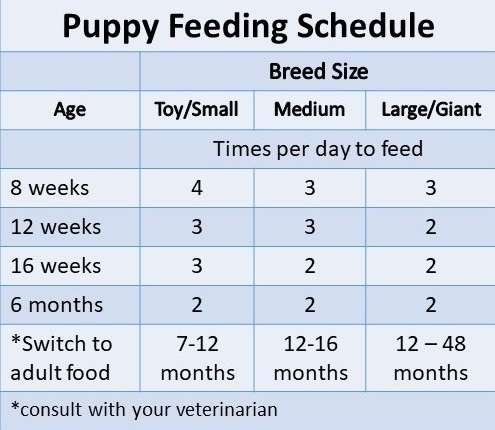
Credit: www.vetsupply.com.au
Frequently Asked Questions
What Are The Main Differences Between Puppy And Adult Dog Food?
Puppy food has higher calories, protein, and nutrients for growth. Adult food supports maintenance and lower energy needs. Ingredients differ to match life stage requirements.
When Should I Switch From Puppy To Adult Dog Food?
Switch to adult food around 12 months for most breeds. Large breeds may switch later. Consult your vet for breed-specific timing.
Why Does Puppy Food Have More Protein Than Adult Dog Food?
Puppies need extra protein for muscle and tissue development. Adult dogs require less protein to maintain health. Protein levels adjust to life stage needs.
Can Feeding Adult Food To Puppies Cause Health Issues?
Yes, adult food lacks essential nutrients for puppies. It may slow growth and weaken immunity. Always feed age-appropriate dog food for best health.
Conclusion
Puppy food and adult dog food serve different needs. Puppies require more nutrients to grow strong and healthy. Adult dogs need food that maintains their energy and weight. Feeding the right food supports good health and longer life. Switching food at the right time helps avoid health problems.
Always choose food based on your dog’s age and activity. This keeps your furry friend happy and active every day. Understanding these differences makes pet care easier for you. Simple steps lead to a healthier, happier dog.