Have you ever thought about turning your love for dogs into a rewarding career? Becoming a certified service dog trainer could be the perfect path for you.
Imagine helping dogs become true heroes—supporting people who rely on them every day. But how do you get started? What skills do you need, and where can you get certified? Keep reading to discover the clear steps that will guide you toward becoming a trusted service dog trainer.
Your journey to making a real difference begins here.
Service Dog Trainer Role
The role of a service dog trainer is vital for helping individuals with disabilities. Trainers prepare dogs to assist people in daily tasks. Their work requires patience, skill, and dedication. Trainers build a strong bond between the dog and the person who needs support. This role demands a clear understanding of both animal behavior and human needs.
Key Responsibilities
- Teach dogs specific tasks such as guiding or alerting
- Assess dogs’ behavior and temperament for training suitability
- Train handlers to work effectively with their service dogs
- Maintain regular training sessions and progress tracking
- Ensure dogs are calm and well-behaved in public spaces
- Provide ongoing support and advice to dog owners
Skills Required
- Strong knowledge of dog training techniques and tools
- Patience to handle challenges during training
- Clear communication skills for teaching handlers
- Ability to observe and interpret dog behavior
- Empathy towards people with disabilities
- Problem-solving skills to adapt training methods
Impact On Communities
Service dog trainers improve the quality of life for many people. Their work helps individuals gain independence and confidence. Well-trained service dogs increase safety and mobility for their handlers. Communities benefit from greater inclusion and support for disabled members. Trainers also raise awareness about the importance of service animals. Their efforts create positive changes in society.
Credit: www.servicedogcertifications.org
Certification Requirements
Becoming a certified service dog trainer requires meeting specific certification requirements. These rules ensure trainers have the right knowledge and skills. Certification helps maintain high standards in training service dogs. Understanding the requirements is the first step toward certification.
Educational Background
A solid educational foundation is essential for service dog trainers. Most programs expect a high school diploma or equivalent. Courses in animal behavior, psychology, or veterinary science add value. Some trainers pursue college degrees related to animal care. Continuous learning through workshops or seminars improves skills.
Training Experience
Hands-on experience is crucial to become a certified trainer. Many certification bodies require a set number of training hours. Experience includes working with service dogs and their handlers. Practical training helps develop effective teaching methods. Volunteering with service dog organizations can build this experience.
Legal Regulations
Trainers must understand laws about service dogs and disability rights. Knowledge of the Americans with Disabilities Act (ADA) is important in the U.S. Certification programs may require proof of legal knowledge. Trainers should follow guidelines to ensure compliance. Staying updated on legal changes protects both trainers and clients.
Training Programs
Choosing the right training program is key to becoming a certified service dog trainer. Training programs teach essential skills and knowledge. They cover dog behavior, training techniques, and legal requirements. Many programs offer hands-on experience to practice real-life scenarios. The right program shapes your ability to train service dogs effectively.
Popular Certification Courses
Several well-known courses offer certification for service dog trainers. These courses vary in length and depth. Some focus on specific types of service dogs, like mobility or medical alert dogs. Others provide broad training methods suitable for all service dogs.
- International Association of Assistance Dog Partners (IAADP)
- Assistance Dogs International (ADI) Accredited Programs
- National Association of Dog Obedience Instructors (NADOI)
- Online platforms offering service dog trainer certifications
Online Vs In-person Training
Online training offers flexibility for busy schedules. It allows learning at your own pace from home. Videos and live webinars can teach theory and demonstrations. However, online training may lack hands-on practice with dogs.
In-person training provides direct experience. Trainers get immediate feedback and correction. They work closely with experienced instructors and real dogs. This approach helps build confidence and skills faster.
Choosing The Right Program
Consider your learning style and schedule. Some learners thrive with face-to-face interaction. Others prefer the convenience of online courses.
Check if the program offers practical training. Certification from a recognized organization adds credibility. Compare costs, course length, and support provided. Read reviews and testimonials from past students.
Pick a program that fits your goals and budget. Proper training leads to better results in service dog training.
Hands-on Training
Hands-on training is where theory meets reality in your journey to become a certified service dog trainer. This stage lets you apply what you’ve learned directly with dogs, sharpening your skills through real-life practice. It’s your chance to see how training methods work on different dogs and adjust your approach to fit each unique situation.
Practical Techniques
Start with basic commands like sit, stay, and come. These build the foundation for more complex tasks. Use clear, consistent signals and rewards to guide the dog’s behavior.
Try breaking down tasks into small steps. For example, teaching a dog to retrieve an item involves first training it to recognize the item, then to pick it up, and finally to bring it to you. This step-by-step approach helps dogs learn more effectively and reduces frustration for both trainer and dog.
Working With Different Dog Breeds
Each breed has its own strengths and challenges. A Labrador Retriever might be eager and quick to learn, while a German Shepherd may need more mental stimulation. Understanding these breed traits helps you tailor your training methods.
Have you noticed how some dogs respond better to physical praise, while others prefer verbal encouragement? Paying attention to these preferences makes your training sessions more effective. Adjust your approach based on the dog’s energy level, attention span, and temperament.
Behavioral Training Methods
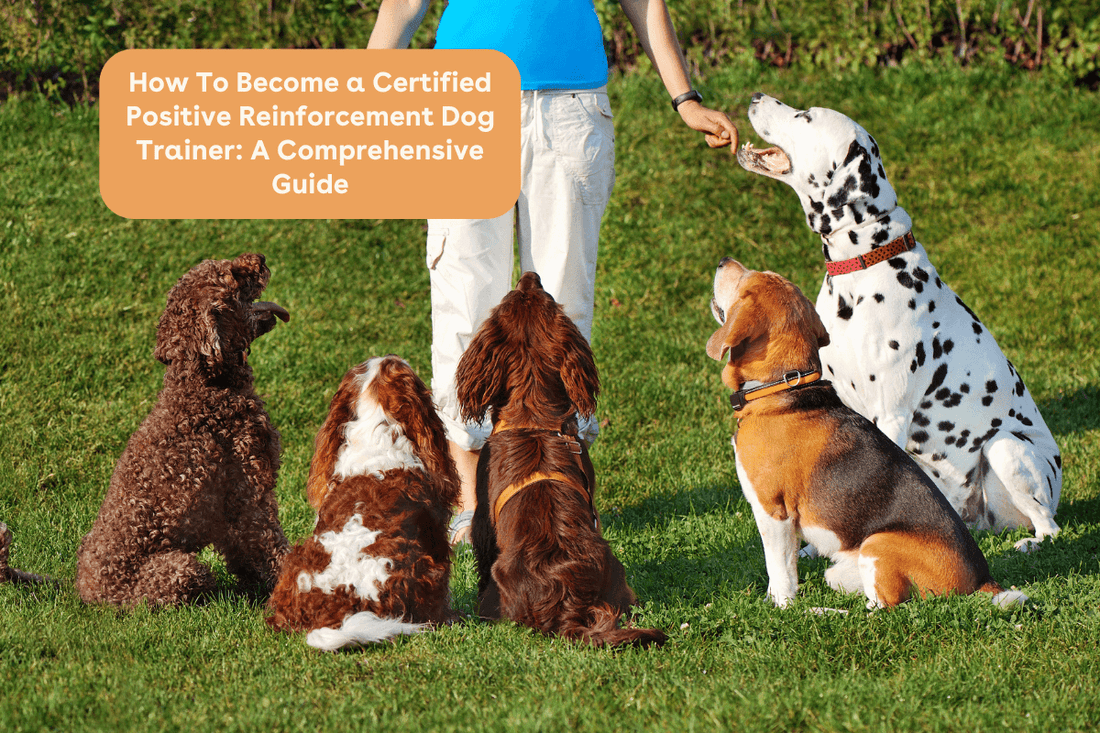
Focus on positive reinforcement to encourage good behavior. This means rewarding the dog immediately after the desired action. It could be a treat, petting, or a favorite toy.
Address unwanted behaviors by redirecting the dog’s attention instead of punishment. If a dog jumps up, teach it to sit instead and reward that. This technique builds trust and strengthens your bond.
How do you handle setbacks when a dog doesn’t respond as expected? Patience and consistency are key. Every dog learns at its own pace, and your calm persistence will guide them toward success.
Certification Process
Earning certification as a service dog trainer involves completing specialized training and passing assessments. This process ensures trainers have the skills to teach dogs important tasks for people with disabilities. Certification builds trust and proves professional expertise.
The journey to becoming a certified service dog trainer is both rewarding and rigorous. Certification not only enhances your credibility but also ensures you possess the skills necessary to train service dogs effectively. Let’s take a closer look at the certification process, breaking it down into manageable steps that lead you towards becoming a skilled service dog trainer.Application Steps
The first step towards certification is submitting a detailed application. This usually involves providing your personal information and detailing your relevant experience with dogs. You might also need to include references from past clients or colleagues who can vouch for your skills and dedication. Some certification bodies require proof of education or specialized courses. It’s essential to read through the application requirements thoroughly to ensure you meet all criteria. Missing out on a single detail could delay your certification process.Examinations And Assessments
Once your application is accepted, prepare for a series of examinations and assessments. These tests assess your knowledge of dog behavior, training techniques, and your ability to handle real-life training scenarios. Studying for these exams can be intense, but is a crucial step in proving your expertise. Practical assessments often include demonstrating your training skills with a dog. This is where your hands-on experience shines through. Be ready to showcase your unique training style while adhering to best practices in the field.Maintaining Certification
After earning your certification, maintaining it is an ongoing commitment. This usually involves continuous education and staying updated with the latest training methodologies. Attending workshops, seminars, and online courses can help fulfill these requirements. Renewal periods vary, so keep track of when you need to renew your certification. This ensures you remain a trusted professional in the industry, providing the best training for service dogs and their handlers. Are you ready to embrace this fulfilling career path? The certification process, while challenging, opens doors to endless opportunities to make a real difference in people’s lives.
Credit: www.servicedogcertifications.org
Career Opportunities
Becoming a certified service dog trainer opens a variety of career opportunities that can suit different interests and lifestyles. Whether you prefer working independently or as part of a larger organization, your skills will be in demand. Understanding where you can apply your expertise will help you shape a fulfilling career path.
Job Settings
Service dog trainers find roles in diverse settings. You might work for nonprofit organizations that specialize in training dogs for people with disabilities. Alternatively, private training companies hire certified trainers to provide personalized services.
Hospitals and rehabilitation centers also need trainers to assist patients adjusting to service dogs. Some trainers work within educational institutions, helping students with disabilities. Each setting offers unique challenges and rewards, allowing you to choose what fits your passion.
Building A Client Base
Starting your own service dog training business means attracting clients who trust your expertise. Word of mouth is powerful—satisfied clients often recommend trainers to friends and family. You can also create a strong online presence through a professional website and social media channels.
Offer free workshops or demonstrations to showcase your skills and educate the community. Networking with healthcare providers and disability organizations can also bring steady referrals. How will you make your services stand out in a competitive market?
Advancing Your Career
Continuous learning is key to growing as a service dog trainer. Consider obtaining additional certifications in specialized training areas, such as psychiatric service dogs or mobility assistance. Advanced skills increase your credibility and open doors to higher-paying positions.
Some trainers move into supervisory roles or start training other trainers. You might also contribute to developing training programs or working on policy advocacy for service dog standards. What new skills could you add to expand your impact?
Challenges And Rewards
Becoming a certified service dog trainer is a journey filled with both challenges and rewards. The path requires dedication, patience, and strong problem-solving skills. Trainers face obstacles but also experience deep satisfaction from their work. The effort invested often leads to meaningful changes in the lives of people and dogs alike.
Common Obstacles
- Understanding diverse dog behaviors can be difficult.
- Training requires consistent time and effort daily.
- Handling setbacks when a dog does not respond well.
- Balancing client expectations with realistic outcomes.
- Keeping up with certification requirements and continuing education.
Success Stories
Many certified trainers share inspiring success stories. Dogs have helped their owners regain independence and confidence. Trainers often witness life-changing moments firsthand. These stories motivate trainers to keep improving their skills. Success is seen in small wins and big breakthroughs.
Personal Growth
Training service dogs builds patience and empathy. Trainers develop better communication skills with both dogs and people. The work fosters problem-solving and creativity. Many trainers find a strong sense of purpose. Personal growth often matches professional development in this career.
Credit: pupford.com
Resources For Trainers
Resources play a key role in becoming a certified service dog trainer. They provide knowledge, support, and tools needed to train dogs effectively. Access to the right resources helps trainers stay updated and improve their skills over time.
Reliable resources also connect trainers with a community. This community shares advice and experiences that help solve training challenges. Having access to various materials and equipment makes the training process smoother and more successful.
Professional Associations
Professional associations offer valuable support for service dog trainers. They provide certification programs and set industry standards. Joining these groups connects trainers with experts and peers.
Associations often host workshops and conferences. These events help trainers learn new techniques and network. They also give access to resources like newsletters and online forums.
Continuing Education
Continuing education keeps trainers updated on the latest methods. Courses and seminars improve skills and knowledge. Many online platforms offer flexible learning options.
Staying educated helps trainers adapt to new challenges. It also boosts credibility with clients and employers. Regular training ensures trainers maintain high professional standards.
Useful Tools And Equipment
Proper tools make dog training easier and more effective. Some key items include:
- Leashes and harnesses for control and safety
- Clickers and treat pouches for positive reinforcement
- Training collars designed for service dog work
- Obstacle courses to build agility and confidence
Using the right equipment supports consistent training results. It also keeps both trainer and dog safe during sessions.
Frequently Asked Questions
What Qualifications Are Needed To Become A Service Dog Trainer?
A high school diploma is often required. Certification programs usually require experience with dogs. Some trainers pursue specialized courses in animal behavior and training.
How Long Does It Take To Become Certified?
Certification can take from a few months to over a year. It depends on the program’s intensity and your prior experience with dogs.
What Skills Are Essential For Service Dog Trainers?
Patience, communication, and understanding animal behavior are crucial. Trainers also need physical stamina and problem-solving skills to handle diverse training challenges.
Are There Accredited Certifications For Service Dog Trainers?
Yes, organizations like the International Association of Canine Professionals offer accredited certifications. Choose programs recognized by reputable service dog training bodies.
Conclusion
Becoming a certified service dog trainer takes time and effort. You need proper training and hands-on experience. Follow the right steps to gain knowledge and skills. Certification shows you can help dogs and their owners well. Stay patient and keep learning every day.
This career can bring great satisfaction and purpose. Start your journey with clear goals and dedication. Helping others with trained dogs is very rewarding. Keep improving and grow as a trusted trainer.