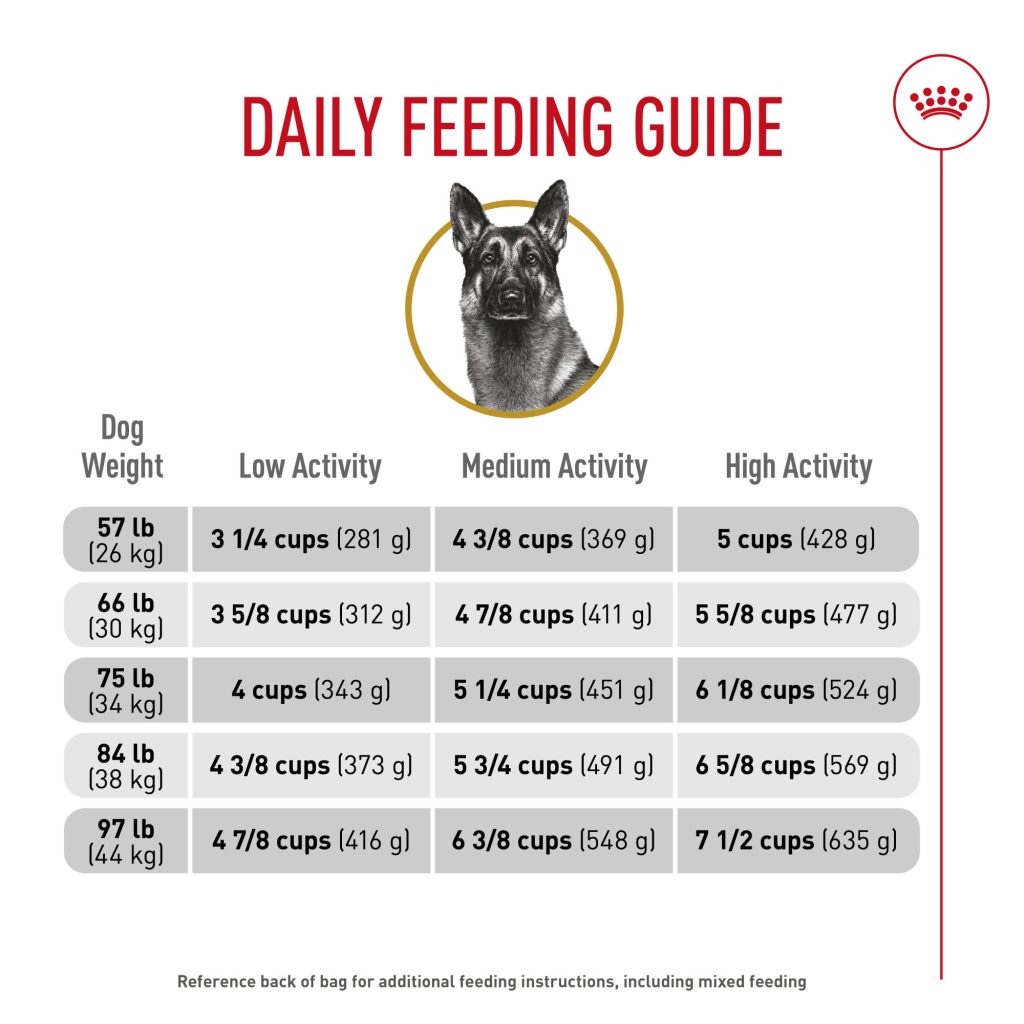

Are you wondering if you should feed your German Shepherd puppies adult dog food? It’s a common question for many dog owners.
You want to give your puppies the best nutrition to help them grow strong and healthy. But feeding them the wrong food could slow their development or even harm them. You’ll discover the key facts about puppy nutrition and why choosing the right food matters so much.
Keep reading to make sure your German Shepherd pups get the perfect start in life.
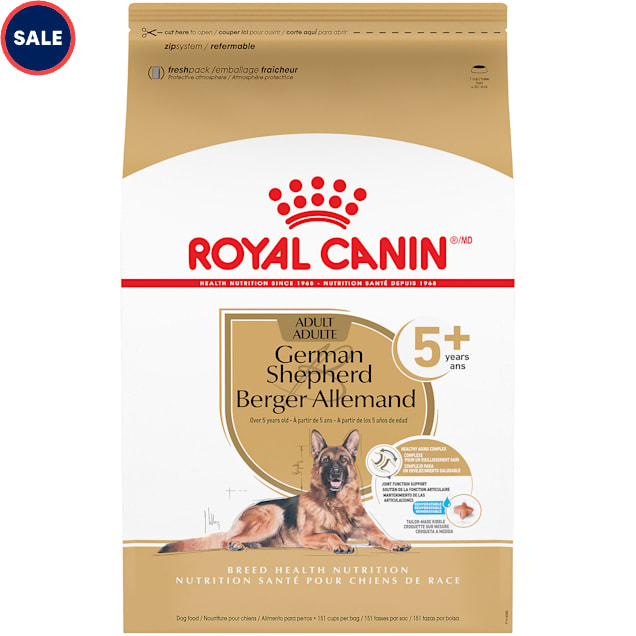
Credit: www.petco.com
Puppy Vs Adult Food
Choosing the right food for your German Shepherd puppy can feel overwhelming. You might wonder if adult dog food can suffice or if puppy-specific food is necessary. Understanding the key differences between puppy and adult food helps you make a choice that supports your pup’s health and growth.
Nutritional Differences
Puppy food contains higher levels of essential nutrients compared to adult dog food. It includes more protein and fat to fuel rapid growth and energy needs. Adult dog food, however, has fewer calories and is designed to maintain weight rather than promote growth.
For example, a German Shepherd puppy needs around 22-32% protein, while adult food usually has about 18-25%. This extra protein supports muscle development during those critical early months. Fat content is also higher in puppy food, providing the calories needed for active puppies.
Have you noticed how your puppy’s energy levels drop when switched too early to adult food? That could be a sign they aren’t getting enough nutrients to keep up with their growth.
Growth Requirements
German Shepherd puppies grow quickly and need food that supports their developing bones, muscles, and organs. Puppy food is fortified with calcium and phosphorus in the right balance to promote healthy bone growth. Adult food doesn’t prioritize this balance, which might increase the risk of joint problems if given too soon.
Your puppy’s metabolism is different too. They burn calories faster and need more frequent meals with nutrient-dense food. Feeding adult dog food too early can slow down their growth or lead to nutritional gaps that impact their long-term health.
Think about your puppy’s future. Would you want them to miss out on nutrients that build a strong frame? Feeding age-appropriate food ensures your German Shepherd develops into a healthy adult dog with fewer health issues.
When To Switch Foods
Knowing the right time to switch your German Shepherd puppy from puppy food to adult dog food is crucial for their growth and health. Switching too early or too late can affect their digestion and nutrient intake. Pay close attention to specific age markers and behavioral signs to make this transition smooth.
Age Milestones
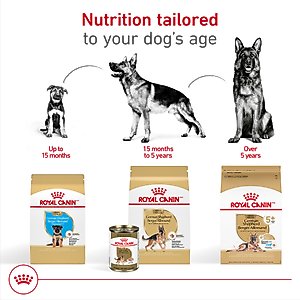
Most German Shepherd puppies are ready to switch to adult food between 12 and 18 months old. Their large breed nature means they take longer to fully mature compared to smaller dogs.
- Up to 6 months:Stick to puppy food designed to support rapid growth and high energy.
- 6 to 12 months:Continue with puppy food but monitor growth and weight closely.
- 12 to 18 months:This is the typical window to start transitioning to adult food.
Have you noticed your puppy slowing down or becoming less hyperactive? This can be a clue they’re nearing adulthood.
Signs Of Readiness
Besides age, your puppy’s behavior and physical condition tell you when it’s time to switch food.
- Stable weight:If your puppy isn’t growing as rapidly and their weight plateaus, it’s a sign they may need less calorie-dense adult food.
- Lower energy levels:When your pup’s bursts of puppy energy calm, their dietary needs shift.
- Dental development:Once all adult teeth have come in, usually around 6 to 8 months, the puppy’s digestion is more mature.
Watch for digestive changes too. If your puppy struggles with their current food or seems overly hungry or lethargic, it might be time to adjust their diet.
Risks Of Early Switching
Switching German Shepherd puppies to adult food too soon can cause digestive problems and poor growth. Puppies need special nutrients for strong bones and muscles that adult food lacks. Early changes may lead to health issues or nutrient gaps.
Switching a German Shepherd puppy to adult dog food too soon carries risks. Puppies have different nutritional needs than adult dogs. Feeding them adult food may cause health issues. Understanding these risks helps ensure your puppy’s healthy growth.Nutrient Deficiencies
Puppies need more protein and fat than adult dogs. These nutrients support growth and energy. Adult dog food may lack these essential nutrients. It could lead to stunted growth or weak bones. Puppies also need more calcium and phosphorus. These minerals are crucial for developing strong bones and teeth. Adult food may not provide the right balance.Digestive Issues
Puppies have sensitive stomachs. Their digestive systems are still developing. Adult dog food may be too harsh for them. It can cause digestive upset. Symptoms like diarrhea and vomiting may occur. A puppy’s stomach needs easily digestible food. Puppy-specific formulas meet this requirement. They are gentle on the tummy, preventing discomfort.Choosing The Right Puppy Food
Choosing the right food for your German Shepherd puppy is very important. Puppies need special nutrients to grow strong bones and muscles. Feeding them adult dog food too early can cause health problems. Puppy food has the right balance of vitamins, minerals, and proteins designed for young dogs. It helps support their fast growth and high energy levels.
Finding the correct food means checking the ingredients and picking trusted brands. The right choice gives your puppy a healthy start and builds good eating habits for life.
Key Ingredients
- High-quality protein from chicken, beef, or fish supports muscle growth.
- Calcium and phosphorus help build strong bones and teeth.
- DHA, an omega-3 fatty acid, aids brain and eye development.
- Carbohydrates provide energy for play and training.
- Vitamins and minerals boost the immune system and overall health.
- Fiber supports healthy digestion and stool quality.
Brand Recommendations
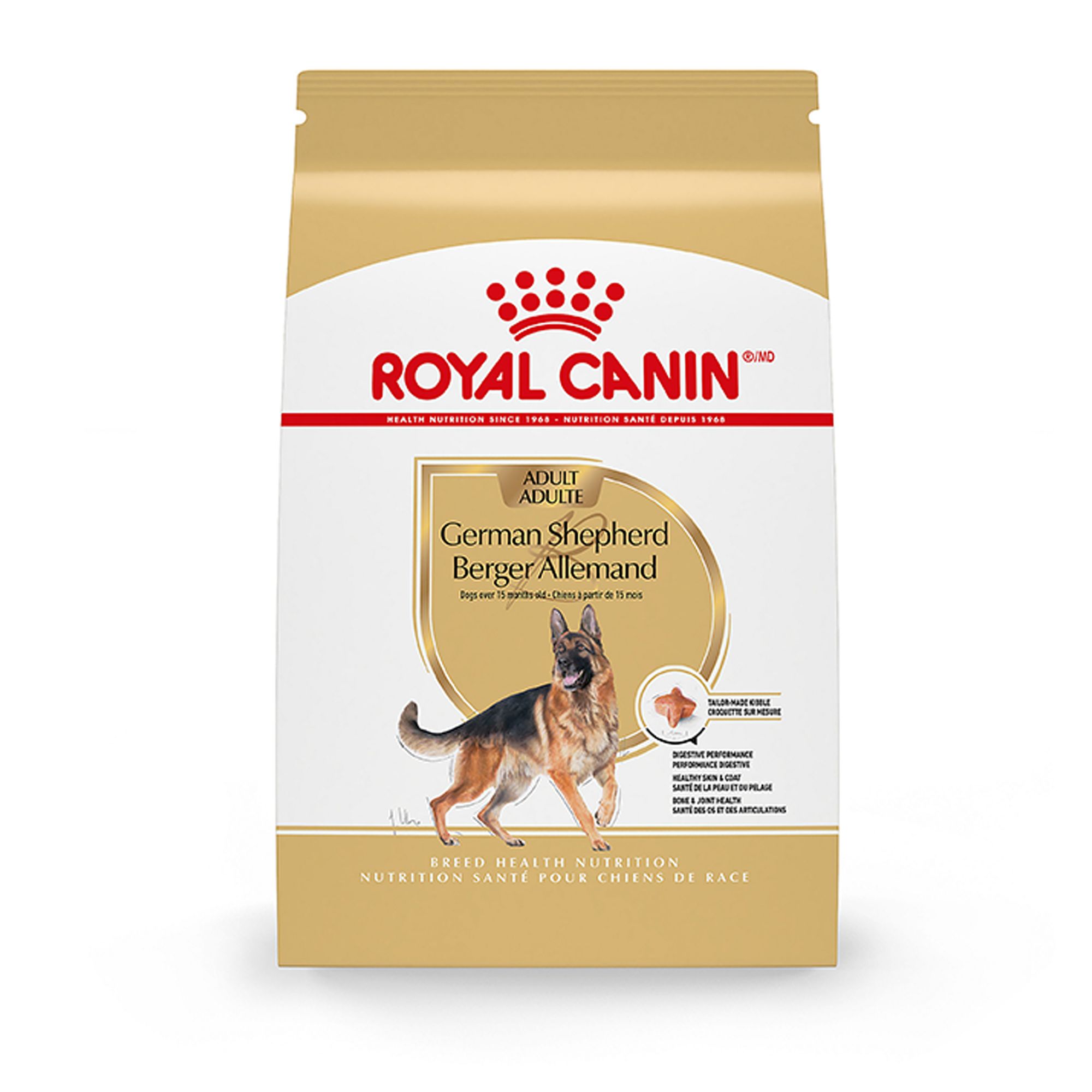
- Royal Canin Puppy formulas offer breed-specific nutrition for German Shepherds.
- Blue Buffalo Life Protection Puppy food includes natural ingredients and no fillers.
- Hill’s Science Diet Puppy food is vet-recommended for balanced nutrition.
- Wellness Complete Health Puppy food focuses on whole foods and antioxidants.
- Purina Pro Plan Puppy formulas provide targeted nutrients for active puppies.
Transitioning To Adult Food
Transitioning your German Shepherd puppy from puppy food to adult dog food is a key moment in their growth. This change affects their digestion, energy levels, and overall health. Handling the switch carefully can help your dog adjust smoothly without tummy troubles or nutritional gaps.
Gradual Changes
Suddenly swapping puppy food for adult food can upset your dog’s stomach. Instead, mix a small amount of adult food into their usual puppy food. Gradually increase the adult food portion over 7 to 10 days until the puppy food is completely replaced.
This slow change helps your German Shepherd’s digestive system adapt. You might notice your pup’s appetite or stool change during this time—don’t panic. It’s normal, but keep an eye on any severe reactions like vomiting or diarrhea.
Monitoring Health
Watch your puppy’s energy, coat, and weight closely after the switch. A shiny coat and steady weight gain are signs the new diet suits them. If you see lethargy, weight loss, or skin problems, it might mean the adult food isn’t the right fit yet.
Keeping a food diary can help track how your dog responds. Record their behavior, eating habits, and bathroom patterns. Sharing this info with your vet will give them a clearer picture to recommend adjustments.
Credit: www.chewy.com
Special Considerations For German Shepherds
German Shepherd puppies need special care in their diet. Their growing bodies require food that supports strong bones and healthy muscles. Feeding adult dog food too early can miss key nutrients they need. Understanding their breed-specific needs helps choose the right food for growth and health.
Breed-specific Needs
German Shepherds are large and active dogs. They need food rich in protein and fat for energy and muscle development. Their bones and joints grow fast, so calcium and phosphorus levels must be balanced. Puppies need a diet that supports brain development and immune health too.
- High-quality protein for muscle strength
- Balanced calcium and phosphorus for bones
- Essential fatty acids for brain and skin health
- Vitamins and minerals for overall growth
Common Health Concerns
This breed often faces hip dysplasia and joint issues. Feeding the correct diet can reduce these risks. Too much calcium can harm bone growth. Puppies need controlled nutrient levels to prevent weight problems. Digestive sensitivity means they need easily digestible ingredients.
- Support joint health with glucosamine and chondroitin
- Avoid excess calcium to prevent bone problems
- Maintain healthy weight to reduce joint stress
- Choose food that is gentle on the stomach
Credit: www.petsmart.com
Frequently Asked Questions
Can German Shepherd Puppies Eat Adult Dog Food?
No, German Shepherd puppies should not eat adult dog food. Puppies need specific nutrients for growth. Adult food lacks essential vitamins and calories. Feeding adult food early can cause health issues and poor development. Always choose puppy-formulated food for their age and size.
When Should I Switch To Adult Dog Food?
Switch to adult dog food when your German Shepherd reaches 12 to 18 months. This transition supports mature metabolism and maintains health. Consult your vet for the exact timing. Gradually mix adult food over 7-10 days to avoid digestive upset.
What Are The Risks Of Feeding Adult Food Too Early?
Feeding adult food too early can cause nutritional deficiencies. Puppies may lack proper calcium, protein, and fats. This leads to weak bones, slow growth, and poor immune function. Always feed age-appropriate food to support healthy development and energy needs.
How To Transition Puppies To Adult Dog Food?
Transition gradually by mixing increasing amounts of adult food with puppy food. Do this over 7-10 days to prevent stomach upset. Monitor your puppy’s health and appetite. Consult your vet if you notice any issues during the change.
Conclusion
Feeding German Shepherd puppies adult dog food is not a good idea. Puppies need more nutrients to grow strong and healthy. Adult food lacks the right vitamins and minerals for their development. Choose puppy-specific food for balanced nutrition. This supports their bones, muscles, and energy needs.
Always check with your vet for the best diet plan. Proper feeding helps your puppy grow into a happy, healthy adult dog. Careful food choices make a big difference in their life. Keep your puppy’s health a top priority every day.