
If you have a small breed dog, you probably want to give them the best nutrition at every stage of their life. But when exactly should you switch from puppy food to adult food?
Making this change at the right time can impact your dog’s health, energy, and happiness. You’ll discover the signs to watch for and the best time to start feeding your small breed dog adult food. Keep reading to make sure your furry friend gets the perfect diet for their growth and well-being.
Age To Switch To Adult Food
Choosing the right time to switch your small breed dog to adult food is important. Puppies grow fast, but their nutrition needs change as they age. Feeding adult food too early or too late can affect their health and energy. Knowing when to make this change helps support their growth and keeps them healthy.
Growth Stages In Small Breeds
Small breed dogs grow quickly during the first few months. Their growth stages include:
- Puppy Stage:Birth to 6 months. Rapid growth and high energy needs.
- Junior Stage:6 to 12 months. Growth slows, but still developing muscles and bones.
- Adult Stage:Around 12 months. Growth completes, and energy levels stabilize.
Small breeds usually reach adulthood faster than large breeds. Most small dogs are ready for adult food between 9 to 12 months old.
Signs Your Dog Is Ready
Watch your dog for these signs that show they are ready for adult food:
- Steady weight without rapid growth spurts.
- Teeth fully developed and healthy.
- Less playful and more calm behavior.
- Stable energy levels throughout the day.
Check your dog’s body condition regularly. If they look lean and healthy, it might be time to switch. Consult your vet for advice on the best moment to change food types.
Nutritional Needs Of Small Breeds
Small breed dogs have unique nutritional needs that differ from larger breeds. Their fast metabolism requires a diet that supports high energy levels. Feeding them the right food helps maintain their health and vitality. Understanding their specific needs ensures they grow strong and stay active.
Caloric Requirements
Small breeds burn calories faster than big dogs. They need food with more calories per serving. This supports their energy for daily activities. Giving too few calories can lead to weight loss and weakness. Too many calories cause obesity and health problems. Balanced calorie intake keeps small dogs fit and lively.
Key Nutrients For Health
Protein is essential for muscle growth and repair. Small dogs need high-quality protein sources. Fat provides energy and supports a shiny coat. Omega fatty acids help with skin health and brain function. Vitamins and minerals strengthen bones and immune systems. Fiber aids digestion and prevents stomach issues. Proper nutrients keep small breeds healthy and happy.
Choosing The Right Adult Food
Choosing the right adult food for your small breed dog is crucial. It affects their health, energy, and happiness. Adult food must meet their unique needs after puppyhood. Small breeds have faster metabolisms and different nutrient requirements. Selecting a balanced diet helps maintain their weight and supports their active lifestyle.
Ingredients To Look For
- High-quality protein sources like chicken, turkey, or fish
- Whole grains such as brown rice or oatmeal for energy
- Healthy fats from fish oil or flaxseed to support skin and coat
- Essential vitamins and minerals to boost the immune system
- Fiber from vegetables or fruits to aid digestion
Avoiding Common Additives
- Artificial colors that offer no nutritional value
- Preservatives like BHA, BHT, or ethoxyquin known to cause harm
- Excessive fillers such as corn, wheat, or soy that may cause allergies
- Added sugars or salt that can affect heart health
- By-products or unnamed meat sources that lower food quality

Credit: forthglade.com
Transitioning Food Safely
Small breed dogs usually switch to adult food around 9 to 12 months old. Gradually mix adult food with puppy food over a week to avoid stomach upset. Watch your dog’s weight and energy to ensure the new diet suits them well.
Transitioning your small breed dog from puppy food to adult food is an important step in ensuring their health and well-being. It’s crucial to make this transition safely to avoid digestive issues and ensure your pet receives the right nutrients. Here’s how you can smoothly switch your furry companion’s diet without any hiccups.Gradual Switch Method
Changing your dog’s food suddenly can lead to stomach upset. A gradual switch over a period of 7-10 days is recommended. Start by mixing a small amount of adult food with their current puppy food. Increase the proportion of adult food gradually. You might start with 25% adult food and 75% puppy food. Adjust this ratio every couple of days until your pet is eating 100% adult food. This method minimizes digestive disturbances and allows your dog’s system to adapt smoothly. Have you ever tried introducing new foods to your pet and noticed immediate changes in their behavior or health?Monitoring Digestive Health
Keep a close eye on your dog’s digestive health during the transition. Look out for signs like vomiting, diarrhea, or loss of appetite. If you observe any of these symptoms, slow down the transition process. Sometimes, pausing for a few days before continuing the switch can help. Consistent stools and normal energy levels are good indicators that the transition is going well. Regular vet check-ups can also provide reassurance that your pet is adjusting healthily. Have you ever considered how closely your dog’s diet is linked to their overall behavior and energy levels?Consulting Your Veterinarian
Consulting your veterinarian is a crucial step when deciding the right time to switch your small breed dog to adult food. Each dog is unique, and a professional can offer tailored advice based on your pet’s specific health and growth needs. Relying on expert guidance helps prevent nutritional gaps or excesses that might affect your dog’s well-being.
When To Seek Professional Advice
It’s important to talk to your vet before making any diet changes, especially if your dog has health issues or a sensitive stomach. If your small breed dog shows signs of digestive upset, unusual weight changes, or behavioral shifts around mealtime, these might be red flags requiring professional input.
Also, consider consulting your vet when your dog reaches about 9 to 12 months old, as this is often the transition period from puppy to adult food. However, some small breeds mature faster, so timing can vary. Don’t hesitate to ask your vet what works best for your dog’s breed and lifestyle.
Customizing Diet Plans
Your veterinarian can help create a diet plan that fits your dog’s unique needs. This might involve adjusting calorie intake, protein levels, or adding supplements to support joint health or coat condition.
For example, if your dog is very active, your vet might recommend a diet higher in protein to maintain muscle mass. Conversely, less active dogs may need fewer calories to avoid weight gain.
Working with your vet allows you to monitor your dog’s progress and make tweaks as needed. Have you noticed changes in your dog’s energy or weight? Your vet’s guidance can help you adjust feeding amounts or food types to keep your pet healthy and happy.
Credit: www.petsmart.ca
Common Mistakes To Avoid
Feeding your small breed dog adult food requires careful timing. Mistakes during this transition can cause health problems. Understanding common errors helps keep your dog healthy and happy. Avoid these pitfalls to make the change smooth and safe.
Switching Too Early Or Late
Changing to adult food too soon can harm your puppy’s growth. They may miss vital nutrients needed for strong bones and muscles. Waiting too long can lead to obesity and digestive issues. Watch your dog’s behavior and weight. Follow your vet’s advice for the best timing.
Ignoring Individual Needs
Each dog grows at a different pace. Some small breeds mature faster than others. Not considering your dog’s unique needs can cause feeding problems. Health conditions or activity levels also affect food choice. Adjust the diet based on your dog’s health and energy.
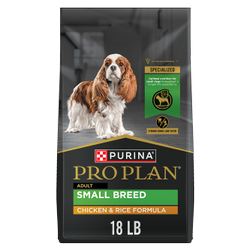
Credit: www.purina.com
Frequently Asked Questions
When Should I Switch My Small Dog To Adult Food?
Switch your small breed dog to adult food around 9 to 12 months of age. This timing supports their growth and nutrient needs as they mature.
What Signs Indicate My Dog Needs Adult Food?
Look for slowed growth and decreased energy. If your dog’s puppy food no longer satisfies or causes weight gain, consider switching to adult food.
Can Small Breeds Eat Puppy Food Longer?
Small breeds typically should not eat puppy food beyond 12 months. Extended feeding can lead to obesity and nutrient imbalances in adult dogs.
How To Transition Small Dogs To Adult Food?
Gradually mix adult food with puppy food over 7 to 10 days. This helps avoid digestive upset and eases the dietary change for your dog.
Conclusion
Small breed dogs need adult food around 9 to 12 months old. Their growth slows, and nutrition needs change. Switching too early or too late can cause problems. Watch your dog’s size, teeth, and energy to decide. Choose food made for small breeds to support health.
Feeding the right food helps your dog stay strong and happy. Always consult your vet if unsure about timing. Remember, good nutrition means a longer, better life for your pet. Care and attention make all the difference.