
Training your dog to poop on a pad can save you time, stress, and mess. If you’ve ever struggled with accidents around the house or worried about taking your pup outside in bad weather, this method could be a game-changer.
You might wonder if your dog will understand or if it takes too long. The good news is, with the right steps, you can teach your furry friend exactly where to go. Keep reading, and you’ll discover simple, effective tips that make potty training easier for both you and your dog.
Choosing The Right Potty Pad
Choosing the right potty pad is a key step in training your dog to use it. The right pad makes the process easier and cleaner. It helps your dog feel comfortable and encourages proper potty habits. Consider the material and size, plus where to place the pad in your home. These choices affect how well your dog adapts to the potty pad.
Material And Size Options
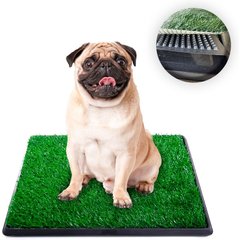
Potty pads come in different materials. Some are thin and disposable. Others are thicker and reusable. Look for pads with good absorbency to prevent leaks. Soft tops make it gentle on your dog’s paws. Sizes vary too. Small pads fit tiny dogs or puppies. Large pads suit bigger dogs or multiple dogs. Choose a size that gives enough space for your dog to move and potty comfortably.
- Disposable pads are easy to throw away after use.
- Reusable pads save money and reduce waste.
- Soft materials help dogs feel at ease.
- Bigger pads reduce mess for larger dogs.
Placement In Your Home
Place the potty pad where your dog spends most time. A quiet corner works well. Avoid busy or noisy spots that may scare your dog. The area should be easy to access at all times. Keep the pad away from your dog’s food and water. Consistency helps your dog learn the correct spot. Move the pad slowly if you want to change its location. Reward your dog for using the pad to reinforce good behavior.

Credit: aminpetshop.com
Preparing Your Dog For Training
Getting your dog ready for pad training sets the foundation for success. Before you introduce the pad, you need to understand your dog’s current bathroom habits and gather the right supplies. This preparation helps avoid frustration and makes the training smoother for both of you.
Assessing Your Dog’s Habits
Start by observing when and where your dog usually poops. Do they prefer mornings, after meals, or right before bedtime? Knowing their schedule helps you anticipate their needs and place the pad at the right time.
Also, watch if your dog has any signs of discomfort or reluctance when going outside or using specific spots. These clues can guide you to adjust the training approach to fit your dog’s personality. Have you noticed any patterns that could make pad training easier or harder?
Gathering Necessary Supplies
Before training, get all the materials you’ll need in one place. This includes:
- High-quality puppy pads with strong absorbency
- A tray or holder to keep the pad flat and secure
- Cleaning supplies for accidents (enzyme-based cleaners work best)
- Treats and toys to reward your dog
Having these ready avoids interruptions and keeps your dog focused. Think about where you will place the pad—choose a quiet, low-traffic area that your dog feels comfortable using.
Introducing The Potty Pad
Introducing the potty pad to your dog is a crucial step in teaching them where to relieve themselves indoors. The key is making the pad a familiar and inviting spot right from the start. This helps your dog feel comfortable and reduces accidents around the house.
Encouraging Initial Interest
Place the potty pad in a quiet, low-traffic area where your dog feels safe. Avoid noisy or crowded spots that might scare or distract them. You can even add a small amount of their urine on the pad to signal this is the right place.
Try using treats or favorite toys near the pad to draw your dog’s attention. Watch for moments when your dog sniffs or circles, and gently guide them to the pad. Reward any interaction with the pad immediately to create a positive link.
Using Commands And Signals
Choose a simple phrase like “Go potty” or “Use your pad” to say every time you bring your dog to the potty pad. Consistent use helps your dog associate the words with the action. Over time, your dog will learn to respond to these commands.
Use body language too—pointing or gently guiding your dog to the pad helps reinforce the message. If your dog starts to go elsewhere, calmly redirect them without scolding. Have patience; clear signals combined with kindness encourage faster learning.
Credit: www.chewy.com
Establishing A Routine
Establishing a routine is vital when training your dog to use a potty pad. Dogs thrive on consistency and clear signals. A steady schedule helps your dog understand when and where to relieve itself. This reduces accidents and builds good habits quickly.
Scheduling Regular Potty Breaks
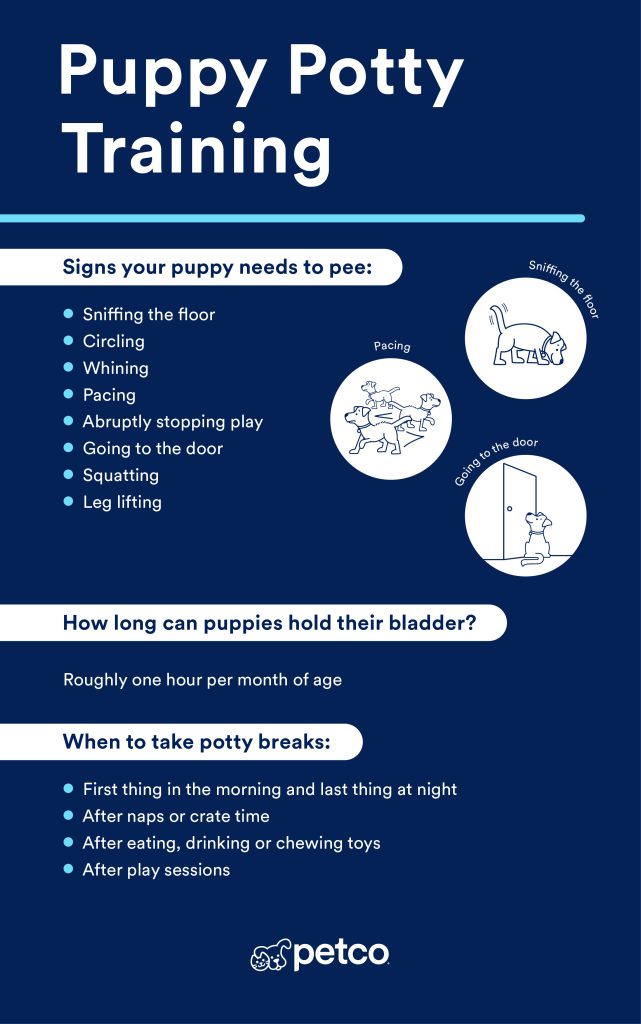
Set specific times for your dog to use the potty pad. Puppies often need breaks after waking, eating, or playing. Plan potty sessions every 2-3 hours at first. This helps your dog learn when to expect bathroom time. Consistency in timing creates a clear pattern for your dog.
Monitoring Behavior And Timing
Watch your dog’s behavior closely. Signs like sniffing, circling, or restlessness often mean it needs to go. Keep track of when your dog usually poops. This helps you predict bathroom needs more accurately. Responding quickly to these signals strengthens the training process.
Positive Reinforcement Techniques
Praise your dog immediately after it uses the pad to encourage good behavior. Treats and gentle words help your dog understand where to go. Consistent rewards build positive habits quickly.
Training your dog to use a pad can be a rewarding experience, especially when you focus on positive reinforcement techniques. These methods emphasize rewarding your dog for desired behavior, encouraging them to repeat it. By employing positive reinforcement, you create a trusting and motivating environment for your dog.Rewarding Desired Behavior
When your dog successfully uses the pad, reward them immediately with a treat or verbal praise. Timing is crucial—your dog needs to associate the reward with their action. Consider using high-value treats that your dog loves. This makes the reward more enticing and memorable. Keep a treat jar near the pad for easy access. This ensures you can respond promptly to your dog’s success.Avoiding Negative Reactions
Refrain from scolding your dog for accidents. Negative reactions can create anxiety and confusion. Instead, focus on guiding them back to the pad. A gentle redirection can help reinforce where they should go. Remember, patience is key. Dogs learn at their own pace, and positive experiences encourage them to adopt new habits faster. Have you ever noticed how eager dogs are to please? By maintaining a positive approach, you not only teach them a new skill but also strengthen your bond.Handling Accidents Effectively
Handling accidents effectively is key to training your dog to use a poop pad. Accidents happen and staying calm helps your dog learn better. Quickly cleaning the area and guiding your dog gently can prevent future mistakes. Consistency and patience make the process smoother for both you and your pet.
Cleaning And Neutralizing Odors
Clean accidents right away to avoid stains and smells. Use a pet-safe cleaner that breaks down odors completely. Avoid ammonia-based cleaners because they smell like urine to dogs. This can cause your dog to go in the same spot again. Blot the area first, then apply the cleaner and let it dry fully.
Redirecting Your Dog Gently
Stay calm and avoid scolding your dog for accidents. Gently pick up your dog and take them to the pad. Praise them when they use the pad correctly. Use a soft voice and encourage your dog with kind words. Repeat this often to build good habits without fear or stress.
Gradual Transition To Outdoor Potty
Transitioning your dog from using pads indoors to going potty outside requires patience and consistency. This change helps your dog adapt to new habits without confusion or stress. A smooth, gradual shift encourages your dog to feel confident about outdoor elimination.
Reducing Dependency On Pads
Start by moving the potty pad closer to the door each day. This guides your dog toward the exit and the outdoor area. Reduce the pad size slowly, encouraging your dog to use smaller areas. Limit the number of pads available to avoid confusion. Praise your dog when they use the smaller pad or move toward the door. This positive feedback builds their trust in the new routine.
Encouraging Outdoor Elimination
Take your dog outside frequently, especially after meals and naps. Choose a consistent spot for your dog to go potty outdoors. Use a command like “go potty” to create a clear signal. Stay with your dog until they eliminate outside, then offer treats and praise. Be patient if your dog hesitates; calm encouragement helps. Gradually increase the time between outdoor trips as your dog learns.

Credit: aminpetshop.com
Frequently Asked Questions
How Long Does It Take To Train A Dog To Use A Pad?
Training a dog to use a pad usually takes 1 to 3 weeks. Consistency and positive reinforcement speed up the process. Puppies may take longer, while adult dogs learn faster with proper guidance.
What Is The Best Type Of Pad For Dog Training?
Choose absorbent, leak-proof pads with a scent attractant for effective training. Larger pads suit bigger dogs. Change pads regularly to maintain cleanliness and encourage your dog to use them consistently.
How Often Should I Take My Dog To The Pad?
Take your dog to the pad every 1 to 2 hours initially. Regular trips help establish a routine. Increase intervals gradually as your dog learns to hold until pad time.
Can All Dog Breeds Be Trained To Use A Pad?
Yes, all dog breeds can learn to use a pad. Smaller breeds often adapt quickly. Larger breeds may need more space and patience but can be trained effectively.
Conclusion
Training your dog to poop on a pad takes time and patience. Stay consistent with your routine every day. Praise your dog when it uses the pad correctly. Keep the pad clean to encourage good habits. Watch for signs your dog needs to go.
Remember, accidents happen, so stay calm and keep trying. Soon, your dog will understand where to go. This training helps keep your home clean and your dog happy. Keep practicing, and success will come naturally.