
Are you wondering when the right time is to switch your dog to adult food? It’s a question every pet owner faces, and getting it right can make a big difference in your dog’s health and happiness.
Feeding your dog the proper food at the right age helps support their energy, growth, and overall well-being. You’ll discover clear signs and expert tips to know exactly when to make the change. Keep reading to give your furry friend the best care they deserve.
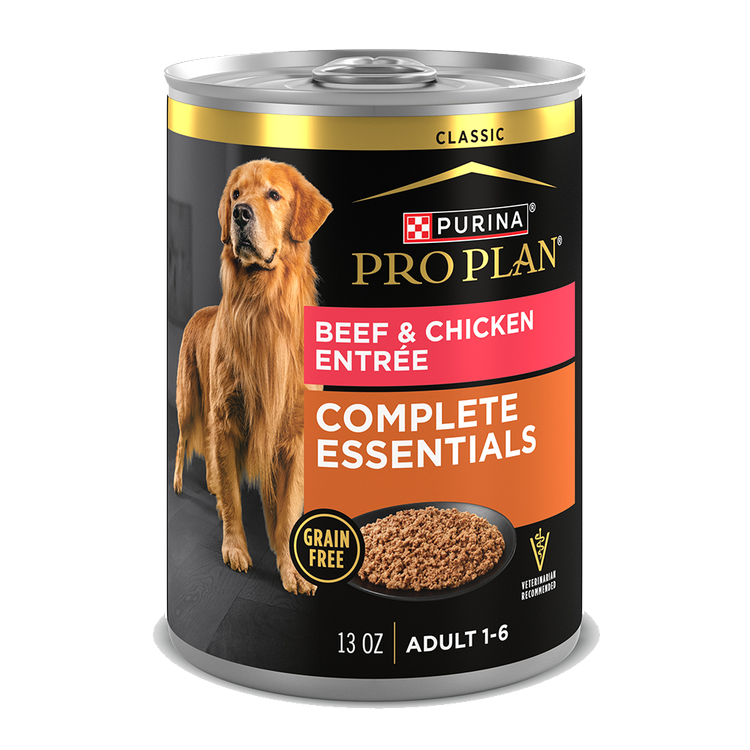
Credit: www.purina.com
Transitioning To Adult Food
Transitioning your dog to adult food is a key moment in their growth. It’s not just about switching bags of kibble; it’s about supporting their changing nutritional needs. Getting this transition right helps your dog stay healthy and happy as they move out of puppyhood.
Puppyhood Stages: Knowing When To Switch
Puppyhood is full of growth spurts and development phases. You might wonder when exactly to make the switch to adult food. Generally, puppies need food that supports rapid growth, but this changes as their growth rate slows down.
Most dogs start transitioning around their first birthday. But smaller breeds often mature faster, sometimes ready by 9 months. Larger breeds take longer, so you’ll want to watch for signs like:
- Reduced growth rate
- Less playful but steady energy
- Changes in appetite or digestion
Have you noticed your puppy’s energy levels or eating habits changing? That might be your cue to start thinking about adult food.
Average Age For Transition: Breed-specific Considerations
Not all dogs hit adulthood at the same age. Breed size plays a huge role in when to switch their diet. Small breeds like Chihuahuas or Pomeranians often mature around 9 to 12 months.
Medium-sized dogs, such as Beagles or Cocker Spaniels, usually transition between 12 to 14 months. Large and giant breeds like Labradors or Great Danes can take up to 18 or even 24 months before they’re ready.
| Breed Size | Average Transition Age | Why It Matters |
|---|---|---|
| Small Breeds | 9 – 12 months | Faster growth, earlier maturity |
| Medium Breeds | 12 – 14 months | Moderate growth pace |
| Large/Giant Breeds | 18 – 24 months | Slower growth, longer development |
Knowing your dog’s breed-specific timeline helps you avoid switching too early or too late. Have you checked your vet for advice tailored to your dog’s breed? That’s one of the best ways to get the timing right.
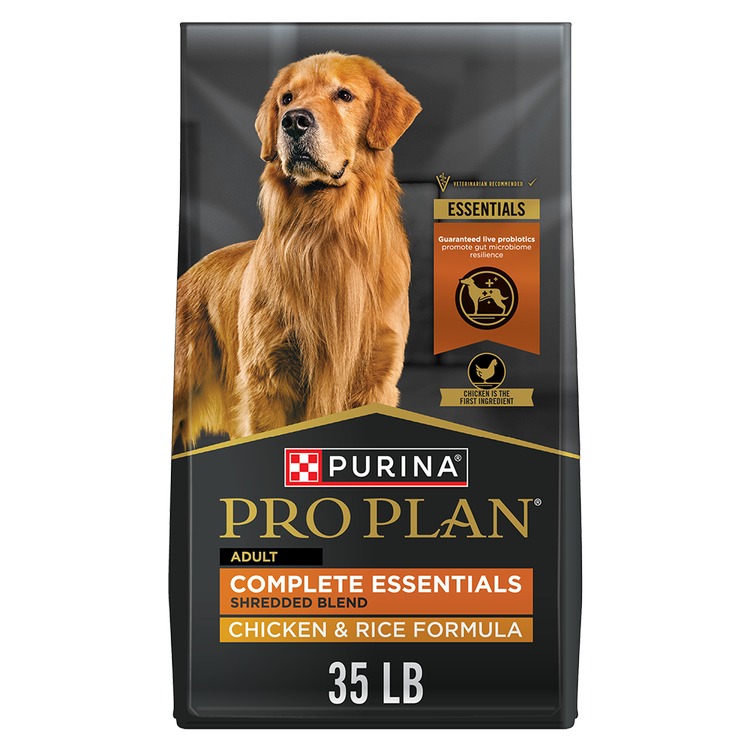
Credit: www.purina.com
Physical Signs
Physical signs are key to deciding when to switch your dog to adult food. Watching your puppy’s body can tell you a lot. Their weight and size show how they grow and develop. These clues help ensure your dog gets the right nutrition at the right time.
Weight Gain: Monitoring Your Puppy’s Growth
Steady weight gain means your puppy is growing well. Too much weight gain can cause health problems later. Too little weight gain shows they might need more nutrients. Weigh your puppy regularly, using a scale or at the vet. Track the changes to see if growth is on target.
Healthy puppies have a steady, gradual weight increase. Sudden changes could mean it’s time to change their food. Adult food has different calorie amounts suited for mature dogs. Watch your puppy’s weight to avoid overfeeding or underfeeding.
Size And Maturity: Evaluating Your Puppy’s Physical Development
Size and body shape also indicate maturity. Puppies grow at different rates based on breed and size. Large breeds take longer to reach full size than small breeds. Check if your puppy’s bones and muscles feel strong and firm.
Adult food suits dogs that have stopped growing fast. When your puppy looks less like a baby and more like an adult, it’s a sign. Their coat, teeth, and energy levels can also show maturity. Look for these signs before switching their diet.
Behavioral Signs
Deciding when to transition your puppy to adult food can be challenging. Observing behavioral signs helps you make an informed decision. Puppies show certain behaviors when ready for a dietary change. Understanding these signs ensures your pet’s well-being and growth.
Energy Levels: When Your Puppy’s Energy Output Changes
Puppies are naturally energetic, but their energy levels change as they grow. Notice if your puppy seems calmer during playtime. They may take longer naps or play for shorter durations. These changes in energy can signal a need for adult food.
Monitor their activity closely. A significant drop in energy might mean they require more nutrients. Adult food can provide the balanced nutrition needed for their evolving lifestyle.
Appetite And Food Preferences: Recognizing Changes In Your Puppy’s Eating Habits
Puppies often display changes in appetite as they mature. You might notice your puppy becomes less interested in their usual food. They may eat less at each meal or skip meals entirely.
Observe any shifts in food preferences. A puppy might show interest in adult food or table scraps. This could indicate readiness for a diet change. Adjusting to adult food can meet their new nutritional requirements.
Health Considerations
Choosing the right time to switch your dog to adult food depends heavily on health considerations. Understanding how their nutritional needs evolve and how adult food affects their health will help you make the best decision for your furry friend. Paying close attention to these factors can improve their wellbeing and prevent potential issues.
Nutritional Needs: Balancing Energy And Nutrients
Your dog’s energy requirements change as they grow. Puppy food typically contains more calories and protein to support rapid growth, while adult food focuses on maintaining a healthy weight and muscle mass.
Switching too early or too late can disrupt this balance. For example, feeding adult food too soon might leave your puppy lacking vital nutrients for development. On the other hand, continuing puppy food too long could lead to unnecessary weight gain.
Think about your dog’s activity level as well. A highly active dog may need more calories even as an adult, while a less active one might benefit from lower-calorie adult food options. Have you noticed changes in your dog’s energy or appetite lately?
Health Issues: How Adult Food Can Affect Your Dog’s Health
Adult food formulas often include ingredients tailored to prevent common health problems like obesity, joint issues, and dental decay. Choosing the right adult food can support your dog’s long-term health.
However, some dogs may have special dietary needs. Dogs with allergies, sensitive stomachs, or chronic conditions may require specific adult food types or supplements. Ignoring these needs can worsen their health.
Observe how your dog reacts after switching foods. Signs like digestive upset, changes in coat condition, or unusual behavior could mean the food isn’t right. Have you ever seen your dog struggle with a food change? Your experience can guide your next choice.
Timing The Transition
Timing the transition from puppy to adult dog food is crucial for your dog’s health and comfort. Switching too quickly can cause stomach upset, while waiting too long might not meet your dog’s nutritional needs. Understanding the right timing helps you support your dog’s growth and well-being effectively.
Gradual Transition: Minimizing Upset Stomach And Digestive Issues
Switch your dog’s food gradually over 7 to 10 days. Start by mixing 25% adult food with 75% puppy food. Each few days, increase the adult food portion while decreasing the puppy food.
This slow change helps your dog’s digestive system adapt without shock. Sudden switches can lead to diarrhea, vomiting, or loss of appetite. Patience here pays off by keeping your dog comfortable and healthy.
Monitoring Your Dog’s Response: Adjusting The Transition Timeline
Watch your dog closely during the transition. Look for signs like soft stools, changes in energy, or reluctance to eat. These clues tell you if the pace is right or needs adjustment.
If your dog shows digestive upset, slow down the transition. Extend the timeline by several days or even weeks until your dog feels stable. Your dog’s unique response is the best guide to when the switch is complete.
Have you noticed your dog’s reaction to new food before? What small signs helped you decide to slow down or speed up the process?

Credit: us.eukanuba.com
Frequently Asked Questions
When Is The Right Age To Switch Dog Food?
Most dogs should switch to adult food around 12 months old. Large breeds may need adult food later, around 18-24 months. Always consult your vet for breed-specific advice to ensure optimal nutrition and growth.
What Signs Indicate My Dog Needs Adult Food?
Signs include slowed growth, less energy, and changes in appetite. Puppies eating adult food may gain weight slower. Monitor your dog’s behavior and consult a vet before switching.
Can I Mix Puppy And Adult Food During Transition?
Yes, gradually mixing puppy and adult food helps avoid digestive issues. Start with 25% adult food, increasing over 7-10 days. This smooths the transition and supports digestive health.
How Does Adult Dog Food Differ From Puppy Food?
Adult dog food has fewer calories and adjusted nutrients for maintenance. Puppy food is richer in proteins and fats to support growth. Feeding adult food too early may impact development.
Conclusion
Choosing the right time to switch your dog to adult food matters a lot. Most dogs need adult food around one year old, but size and breed can change this. Watch your dog’s behavior and health for signs of readiness.
Feeding adult food too soon or too late can cause problems. Always check with your vet to be sure. Taking care of your dog’s diet helps them stay strong and happy. Keep an eye on their growth and energy. This simple step supports a long, healthy life for your furry friend.