Have you ever wondered why your dog’s diet needs to change as they grow older? Feeding your furry friend the right food is not just about keeping them full—it’s about supporting their health, energy, and happiness every single day.
Dogs require more adult food for important reasons that might surprise you. Understanding these reasons will help you give your dog the best care possible. Keep reading to discover why your dog’s nutrition needs shift and how you can meet them perfectly.
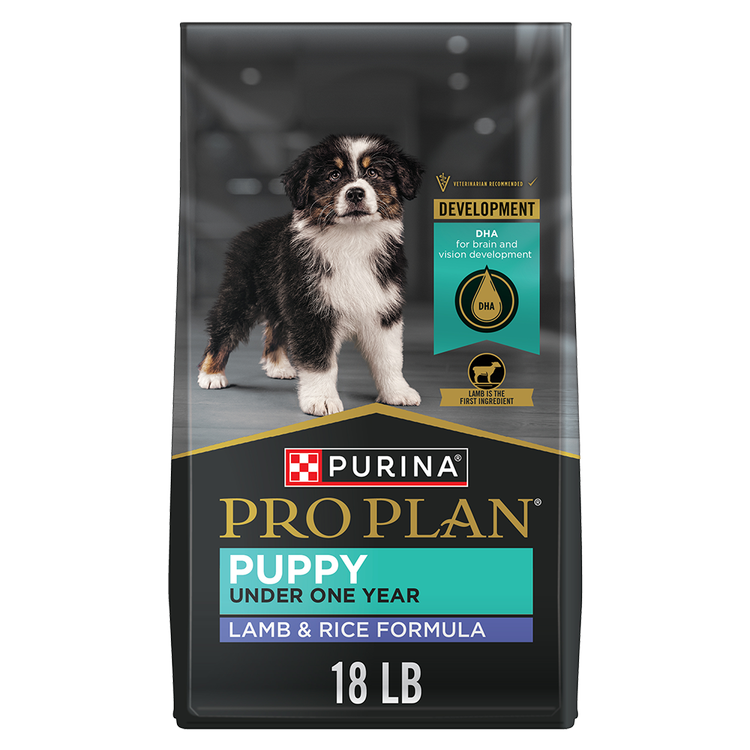
Credit: www.purina.com
Growth Stages And Dietary Needs
Understanding your dog’s growth stages is key to meeting their dietary needs. Dogs don’t require the same type or amount of food throughout their lives. Their metabolism and nutrient demands change as they transition from puppies to adults, influencing why adult dogs often need more food than you might expect.
Puppy Vs Adult Metabolism
Puppies have a faster metabolism than adult dogs. This means they burn calories quickly and need energy-dense food to support their rapid growth and activity. However, their small stomachs limit how much they can eat at one time, so their meals are smaller but more frequent.
Adult dogs, on the other hand, have a slower metabolism but often require more total calories daily. This is because their bodies maintain larger muscle mass and overall size, which demands more sustained energy. Have you noticed how your adult dog seems hungrier despite eating less often?
Nutrient Requirements At Different Ages
Puppies need nutrients that support bone growth, brain development, and immune health. They require higher levels of protein, fat, and certain vitamins like calcium and DHA. Feeding them adult dog food can result in nutrient deficiencies or imbalances that stunt growth.
Adult dogs need balanced nutrition to maintain weight, muscle tone, and overall health. Their food typically has adjusted protein and fat levels to prevent obesity but still provide energy for daily activities. You might find your adult dog thrives on food designed to meet these specific needs rather than puppy formulas.
- Puppies:More protein, fat, and frequent feeding.
- Adults:Balanced nutrients, fewer calories per meal but larger portions.
Have you ever wondered if switching your dog’s food too early or too late could affect their health? Paying attention to these growth stages helps you feed your dog right at every age.
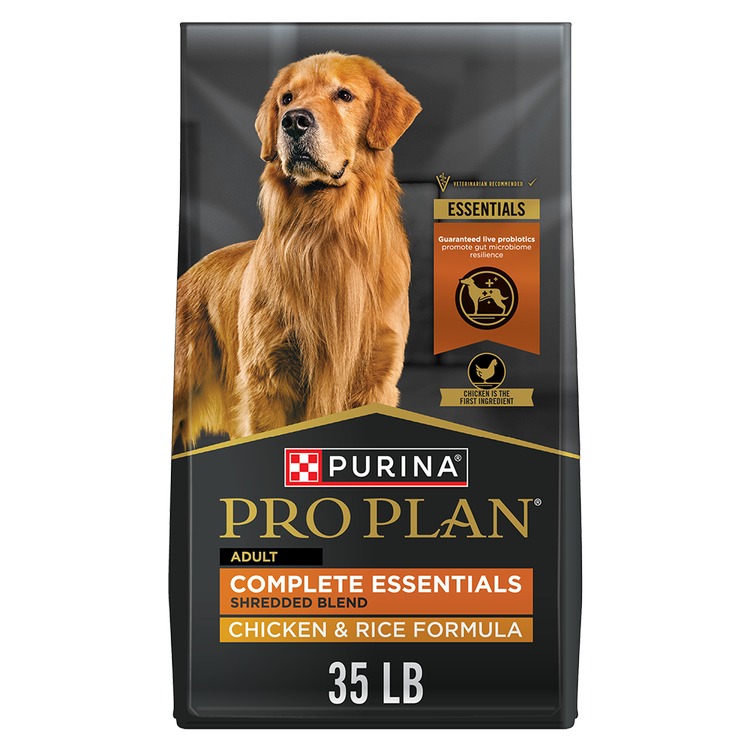
Credit: www.purina.com
Key Nutrients In Adult Dog Food
Adult dogs need specific nutrients to stay healthy and active. Their bodies require balanced food to support daily functions and prevent health issues. Adult dog food contains key nutrients that help maintain muscle, energy, and overall well-being.
Protein And Muscle Maintenance
Protein is vital for adult dogs to maintain strong muscles. It repairs tissues and supports growth. High-quality protein sources include chicken, beef, and fish. Adequate protein prevents muscle loss and keeps dogs agile.
Fats For Energy And Coat Health
Fats provide a concentrated energy source for active adult dogs. They also support healthy skin and a shiny coat. Essential fatty acids like omega-3 and omega-6 help reduce inflammation and improve coat texture. Balanced fats keep dogs energetic throughout the day.
Vitamins And Minerals
Vitamins and minerals regulate many body processes in adult dogs. Calcium and phosphorus strengthen bones and teeth. Vitamins A, C, and E boost the immune system and support eye health. These nutrients ensure dogs remain healthy and active for longer.
Risks Of Feeding Puppy Food To Adult Dogs
Adult dogs need food with fewer calories and more balanced nutrients than puppies. Feeding puppy food to adults can cause weight gain and digestive problems. Mature dogs require adult food to maintain their health and energy levels properly.
Feeding your adult dog puppy food might seem harmless, but it can lead to significant health issues. Puppy food is specifically formulated for the nutritional needs of growing dogs. When adult dogs consume this food, they receive an imbalance of nutrients that could be detrimental to their health.Excess Calories And Weight Gain
Puppy food is rich in calories to support rapid growth and development. Adult dogs, however, have lower calorie requirements. Consuming these excess calories can lead to unwanted weight gain. Overweight dogs are at risk for various health problems, including joint issues and heart disease. Have you noticed your adult dog gaining weight despite regular exercise?Imbalanced Nutrient Intake
Adult dogs have different nutritional needs compared to puppies. Puppy food often contains higher levels of fats, proteins, and certain minerals. This imbalance can lead to deficiencies or excesses in your dog’s diet. Your adult dog’s health could be compromised without the right balance of nutrients. Consider the long-term health implications of feeding inappropriate food. Are you inadvertently affecting your dog’s health by sticking to puppy food? Choosing the right food for your adult dog ensures they live a healthier, happier life. Make informed choices to support your furry friend’s well-being.How Adult Food Supports Longevity
Adult dog food is specially designed to meet the changing needs of your furry friend as they grow older. It contains the right balance of nutrients that support overall health and can add years to your dog’s life. Understanding how these foods benefit your dog’s longevity can help you make smarter choices about what you feed them daily.
Joint Health And Mobility
Keeping your dog active and pain-free depends a lot on their joint health. Adult dog food often includes ingredients like glucosamine and chondroitin, which are proven to support joint cartilage and reduce stiffness.
Omega-3 fatty acids found in fish oil also help reduce inflammation in joints. Have you noticed your dog slowing down or struggling with stairs? Feeding them food that supports mobility can make a huge difference in their comfort and willingness to move.
Digestive Health Benefits
As dogs age, their digestion can slow down or become more sensitive. Adult dog food usually contains higher fiber content and prebiotics to keep their digestive system running smoothly.
Good digestion means better nutrient absorption and fewer stomach issues like diarrhea or constipation. You want your dog to feel good inside and out, so paying attention to their digestive health through their diet is essential.
Choosing The Right Adult Dog Food
Choosing the right adult dog food is essential for meeting your dog’s changing nutritional needs. As dogs grow, their metabolism, energy levels, and health requirements shift. Picking the right food ensures they stay healthy, active, and happy throughout their adult years.
Reading Labels And Ingredients
Labels can tell you a lot about the quality of dog food. Look for named meat sources like chicken, beef, or fish listed as the first ingredient. Avoid foods with vague terms like “meat by-products” or too many fillers such as corn and wheat.
Check for essential nutrients like protein, fat, vitamins, and minerals. Dogs need balanced nutrition, so make sure the food meets standards set by organizations like AAFCO. Have you ever noticed how some labels include probiotics or omega fatty acids? These additions can support digestion and healthy skin.
Considering Breed And Activity Level
Your dog’s breed and activity level play a big role in determining the right diet. Small breeds often need calorie-dense food because they burn energy faster. Large breeds benefit from foods with joint support supplements to keep them agile.
If your dog is highly active or works daily, they require more protein and fat to fuel their energy. On the other hand, less active dogs may need fewer calories to avoid weight gain. Think about your dog’s daily routine and tailor their food choice accordingly—does their current food match their lifestyle?

Credit: lapoderosa.com
Frequently Asked Questions
Why Do Adult Dogs Need More Food Than Puppies?
Adult dogs require more food to maintain their larger body size and energy levels. Their metabolism slows, but their activity and muscle maintenance demand consistent nutrition.
How Does Adult Dog Food Differ From Puppy Food?
Adult dog food has balanced nutrients, fewer calories, and supports maintenance. Puppy food is richer in protein and fat for growth and development.
Can Feeding Adult Dogs Puppy Food Cause Problems?
Yes, adult dogs eating puppy food may gain excess weight. The higher calories and nutrients can lead to obesity and health issues.
What Nutrients Are Essential In Adult Dog Food?
Proteins, fats, vitamins, and minerals are vital. Adult dog food focuses on joint health, digestion, and maintaining muscle mass.
Conclusion
Adult dogs need food that fits their changing bodies and energy levels. Their metabolism slows down, but they still need good nutrients. Adult food helps keep their weight steady and supports their health. Puppies and adults have different needs. Feeding the right food helps dogs stay happy and strong.
Choosing adult dog food means caring for your dog’s well-being every day. Simple, balanced meals make a big difference in their life.