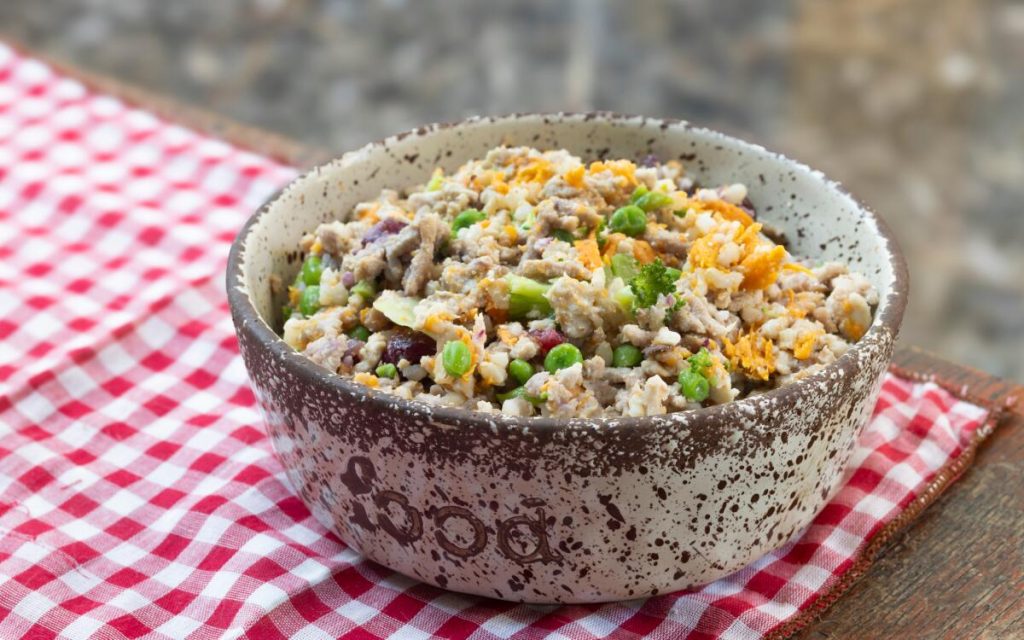

Are you looking for a simple, healthy way to feed your furry friend? Making homemade dog food can be a great choice for your pet’s health and happiness.
But you might wonder, what’s a good recipe that’s easy to prepare and packed with the right nutrients? You’ll discover a tasty, balanced recipe that your dog will love. Keep reading to find out how you can take control of your dog’s diet and give them the best meals possible.
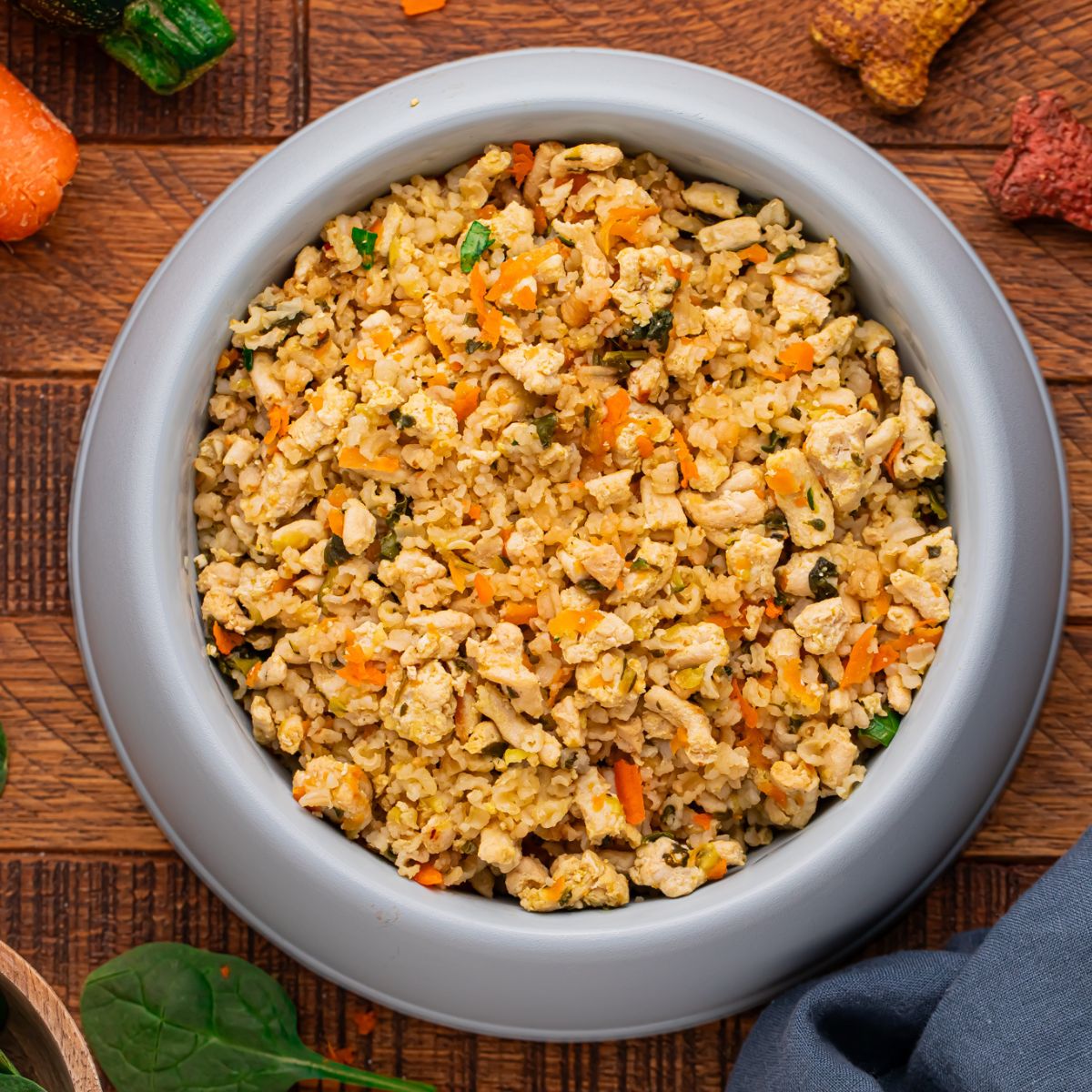
Credit: myincrediblerecipes.com
Benefits Of Homemade Dog Food
Feeding your dog homemade food offers many benefits. It gives control over ingredients and nutrition. You can avoid fillers and preservatives found in some commercial dog foods. Homemade meals often taste better to dogs, encouraging healthy eating habits. Preparing food at home strengthens your bond with your pet through care and attention.
Health Advantages
Homemade dog food helps manage allergies and sensitivities. You choose fresh, high-quality ingredients for balanced nutrition. It supports better digestion and energy levels. Dogs with special health needs benefit from tailored diets. Homemade meals reduce the risk of obesity by controlling portion sizes and ingredients.
Cost Considerations
Homemade dog food can be budget-friendly. Buying ingredients in bulk lowers costs. You avoid expensive additives found in some pet foods. Cooking at home reduces waste by using leftovers safely. Planning meals ahead saves money and time.
Customizing For Your Dog’s Needs
Each dog has unique dietary requirements. Homemade food lets you adjust recipes for age, size, and activity. You can add supplements or avoid allergens easily. Changing the diet helps with weight control and health issues. Personalizing meals ensures your dog gets the best care.
Essential Nutrients For Dogs
A good homemade dog food recipe includes protein, healthy fats, and essential vitamins. Balanced meals help keep dogs healthy and energetic. Fresh ingredients like chicken, rice, and vegetables make a nutritious meal.
Essential nutrients are vital for your dog’s health and happiness. Understanding these nutrients ensures a balanced diet. Homemade dog food can meet these needs effectively. Let’s explore the key nutrients your dog requires.Proteins And Fats
Proteins are crucial for muscle growth and repair. They provide energy and support a healthy immune system. Good sources include chicken, beef, and fish. Fats are also essential. They help absorb vitamins and keep the coat shiny. Include sources like fish oil and chicken fat.Carbohydrates And Fiber
Carbohydrates provide energy. They fuel your dog’s daily activities. Brown rice and sweet potatoes are excellent choices. Fiber supports digestion. It helps maintain regular bowel movements. Include vegetables like carrots and peas for fiber.Vitamins And Minerals
Vitamins keep your dog healthy. They support various bodily functions. Vitamin A and E are important. They promote vision and skin health. Minerals like calcium strengthen bones and teeth. Include leafy greens and eggshell powder for these nutrients.Safe Ingredients To Use
Choosing safe ingredients is key for homemade dog food. Dogs need a balanced diet with nutrients from trusted sources. Using safe foods helps avoid health problems and keeps your pet happy.
Focus on fresh, whole foods. Avoid anything toxic like onions, garlic, or chocolate. Check each ingredient to ensure it supports your dog’s health and energy.
Meats And Proteins
- Chicken: Lean and rich in protein, easy to digest.
- Beef: Provides iron and essential amino acids.
- Turkey: Low-fat option packed with nutrients.
- Fish: Salmon and sardines offer omega-3 fatty acids.
- Eggs: Great source of protein and vitamins.
Vegetables And Fruits
- Carrots: High in fiber and vitamins A and K.
- Green beans: Low-calorie source of fiber.
- Sweet potatoes: Rich in fiber and antioxidants.
- Blueberries: Full of antioxidants and vitamins.
- Apples: Provide vitamins A and C; remove seeds first.
Grains And Supplements
- Brown rice: Good source of carbohydrates and fiber.
- Oatmeal: Supports digestion and adds energy.
- Quinoa: Protein-rich grain with essential amino acids.
- Fish oil: Boosts skin and coat health.
- Calcium supplements: Support strong bones and teeth.

Credit: mudpuddlesandmotherhood.com
Ingredients To Avoid
Making homemade dog food is a rewarding way to care for your furry friend. But not every ingredient is safe or healthy for dogs. Knowing which ingredients to avoid is crucial to protect your pet’s health and ensure their meals are both tasty and safe.
Toxic Foods For Dogs
Some foods that are safe for humans can be dangerous or even deadly to dogs. Ingredients like chocolate, grapes, raisins, and onions should never be added to your dog’s meals.
Chocolate contains theobromine, which dogs can’t digest well. Grapes and raisins can cause kidney failure. Onions and garlic can lead to anemia in dogs.
Have you ever checked every ingredient before feeding your dog leftovers? It’s easy to miss harmful items that could cause serious harm.
Harmful Additives
Many processed foods contain additives that aren’t good for dogs. Avoid artificial preservatives such as BHA, BHT, and ethoxyquin—they may lead to health problems over time.
Sodium nitrate, often found in processed meats, can cause toxicity in dogs. Also, steer clear of foods with excessive salt or sugar, as they can disrupt your dog’s digestive system.
Think about the labels on your own food; do you want to feed your dog something full of chemicals? Choosing fresh, simple ingredients is always safer.
Common Allergens
Just like people, dogs can have food allergies. Common allergens include wheat, corn, soy, and dairy products.
These ingredients can cause itching, digestive upset, and even ear infections in sensitive dogs. If you notice your dog scratching more or having loose stools, consider eliminating these foods from their diet.
Have you noticed any signs of food allergies in your dog? Monitoring their reactions to different ingredients can help you create the best homemade meals tailored to their needs.
Simple Homemade Dog Food Recipes
Simple homemade dog food recipes can be a great way to ensure your furry friend gets fresh, wholesome meals without any mystery ingredients. These recipes use common kitchen staples and are easy to prepare, even if you’re new to cooking for pets. Have you ever wondered if your dog would enjoy a home-cooked meal as much as you enjoy your own?
Using basic ingredients like chicken, beef, or fish combined with vegetables and grains can provide balanced nutrition. The key is to keep things straightforward and tailored to your dog’s taste and dietary needs. Let’s look at some easy recipes that you can try today.
Chicken And Rice Mix
This recipe is perfect if your dog has a sensitive stomach or needs a gentle diet. You only need cooked chicken breast, white rice, and a little bit of cooked carrot or peas for added vitamins.
- Boil the chicken until fully cooked, then shred it into bite-sized pieces.
- Cook the rice until soft, then mix with the chicken and vegetables.
- Let it cool before serving to your dog to avoid any burns.
Have you noticed how simple meals like this can calm an upset tummy? This mix is gentle, filling, and easy to digest.
Beef And Vegetable Stew
If you want a heartier meal, this beef and vegetable stew is a solid choice. It includes lean ground beef, carrots, green beans, and a bit of sweet potato for fiber.
- Brown the ground beef in a pan and drain excess fat.
- Add chopped vegetables and cook until tender.
- Mix in boiled sweet potato chunks and let everything simmer together.
Cooking the ingredients slowly helps the flavors meld and makes the food more appetizing. Would your dog prefer a stew over dry kibble?
Fish And Sweet Potato Blend
Fish provides omega-3 fatty acids that support a shiny coat and healthy skin. This blend uses cooked white fish like cod or tilapia, paired with mashed sweet potatoes.
- Steam or bake the fish until flaky and fully cooked.
- Boil sweet potatoes until soft, then mash them well.
- Combine the fish and sweet potato, mixing thoroughly.
This meal is light but packed with nutrients. Have you ever noticed how certain foods can boost your dog’s energy and mood?
Preparing And Storing Dog Food
Preparing and storing homemade dog food correctly ensures your pet stays healthy and happy. Proper cooking enhances nutrition and taste. Safe storage keeps the food fresh and prevents spoilage. Planning these steps carefully saves time and effort during busy days.
Cooking Tips
- Use fresh, high-quality ingredients for best nutrition.
- Cook meats thoroughly to kill harmful bacteria.
- Steam or boil vegetables to soften them.
- Avoid using salt, onions, garlic, or spices.
- Cool food completely before serving or storing.
- Mix ingredients well for even nutrient distribution.
Portioning Meals
- Divide food into daily portions based on your dog’s size.
- Use measuring cups or a kitchen scale for accuracy.
- Label each portion with the date of preparation.
- Consider your dog’s activity level and age for meal size.
- Freeze extra portions to keep them fresh longer.
Safe Storage Practices
- Store fresh dog food in airtight containers.
- Keep refrigerated portions for up to three days.
- Freeze meals for up to three months to prevent waste.
- Thaw frozen food in the refrigerator, not at room temperature.
- Discard any food left out for more than two hours.
- Clean containers regularly to avoid bacterial buildup.
Transitioning Your Dog To Homemade Food
Switching your dog from commercial food to homemade meals requires patience and care. Sudden changes can upset their stomach or cause refusal to eat. A smooth transition helps your dog adjust comfortably to new tastes and textures.
Watch your dog closely during this time. Their health and behavior provide clues about how well they accept the homemade food. Adjustments may be necessary to suit their needs and preferences.
Gradual Introduction
Start by mixing a small amount of homemade food with their regular meals. Increase the homemade portion slowly over 7 to 10 days. This allows your dog’s digestive system to adapt without stress.
Observe if your dog shows interest and eats the new food well. Keep the portions balanced to avoid digestive upset. Patience is key during this phase.
Monitoring Health And Behavior
Track your dog’s energy, stool quality, and appetite daily. Look for signs of allergies or discomfort such as itching or vomiting. Healthy skin, shiny coat, and regular bowel movements indicate good acceptance.
Consult a vet if you notice any unusual symptoms. Early detection helps prevent health problems. Keep a journal to note changes and progress.
Adjusting Recipes As Needed
Modify ingredients based on your dog’s preferences and health needs. Add or reduce proteins, vegetables, or supplements carefully. Avoid sudden recipe changes to maintain digestive balance.
Use simple, fresh ingredients your dog likes. Variety keeps meals interesting and nutritionally complete. Always prioritize balanced nutrition for long-term health.
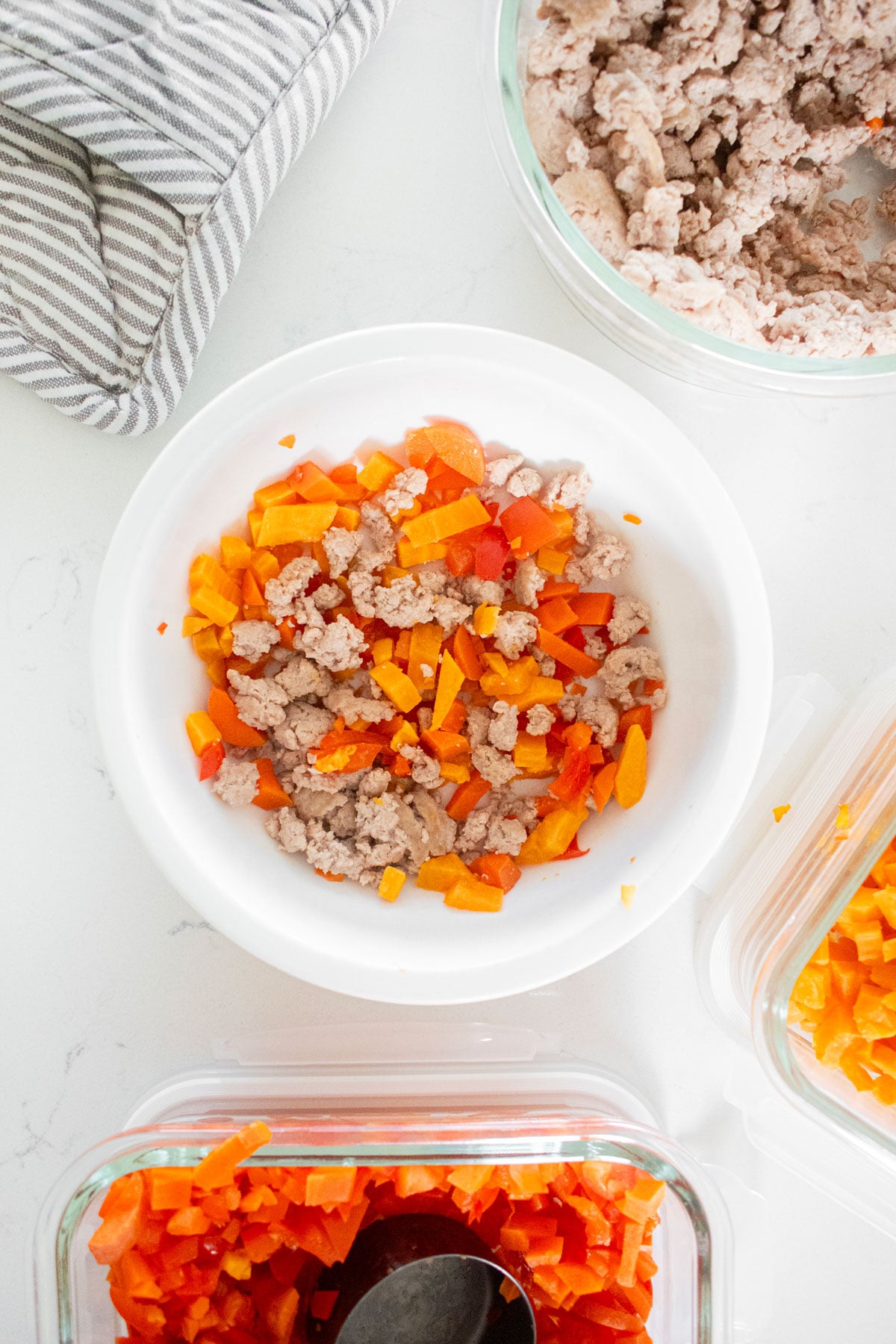
Credit: mimisorganiceats.com
Consulting Your Veterinarian
Before you dive into making homemade dog food, consulting your veterinarian is essential. Your vet knows your dog’s unique health needs and can guide you on creating meals that support their well-being. Ignoring this step might lead to nutritional imbalances or health issues down the road.
Dietary Requirements
Your dog’s dietary needs depend on factors like age, breed, weight, and any existing health conditions. A vet can help you understand the right balance of proteins, fats, and carbohydrates tailored specifically for your dog.
For example, puppies need more protein for growth, while older dogs might require fewer calories to avoid weight gain. Your vet can also alert you to any food allergies or sensitivities your dog may have, helping you avoid harmful ingredients.
Supplements And Additives
Homemade meals can sometimes lack certain vitamins or minerals essential for your dog’s health. Your veterinarian can recommend supplements to add, such as omega-3 fatty acids for coat health or glucosamine for joint support.
They can also advise on safe additives like calcium sources or probiotics to improve digestion. Without professional guidance, you risk giving too much or too little of these nutrients, which can be just as harmful as missing them altogether.
Regular Health Checkups
Switching to homemade food means you need to monitor your dog’s health more closely. Schedule regular vet visits to track weight, energy levels, and overall condition.
These checkups help catch any nutritional deficiencies early. Your vet can adjust your dog’s diet plan as needed, ensuring they stay healthy and happy with their new meals.
Frequently Asked Questions
What Ingredients Are Best For Homemade Dog Food?
High-quality protein like chicken or beef, vegetables like carrots and peas, and grains like rice make a balanced homemade dog food. Avoid toxic foods like onions, garlic, and chocolate. Always consult your vet for specific dietary needs.
How Do I Ensure Homemade Dog Food Is Balanced?
Include protein, carbs, healthy fats, vitamins, and minerals in every meal. Use supplements if needed and rotate ingredients. Consult a vet or pet nutritionist to prevent nutritional deficiencies and keep your dog healthy.
Can Homemade Dog Food Improve My Dog’s Health?
Yes, homemade dog food can improve digestion, coat quality, and energy levels. It allows control over ingredients, avoiding preservatives and fillers. Always ensure recipes meet nutritional standards for best results.
How Should I Store Homemade Dog Food Safely?
Store homemade dog food in airtight containers. Refrigerate for up to three days or freeze portions for longer storage. Proper storage prevents bacterial growth and keeps the food fresh and safe for your dog.
Conclusion
Making homemade dog food can be simple and healthy. Use fresh ingredients your dog enjoys. Balance protein, veggies, and grains for good nutrition. Always check with a vet before changing diets. Your dog will love the tasty meals you prepare.
Homemade food shows care and helps your pet stay strong. Try recipes slowly to find what fits best. Feeding your dog well is a great way to show love. Keep meals fresh and safe every day.