
Are you wondering if your nursing dog can eat regular adult dog food? It’s natural to want the best for your furry friend, especially when she’s feeding her puppies.
What you feed her now can affect her health and the growth of her pups. But is normal adult dog food enough to meet her special needs during this time? Keep reading to find out what’s best for your nursing dog and how you can make sure she stays strong and healthy.
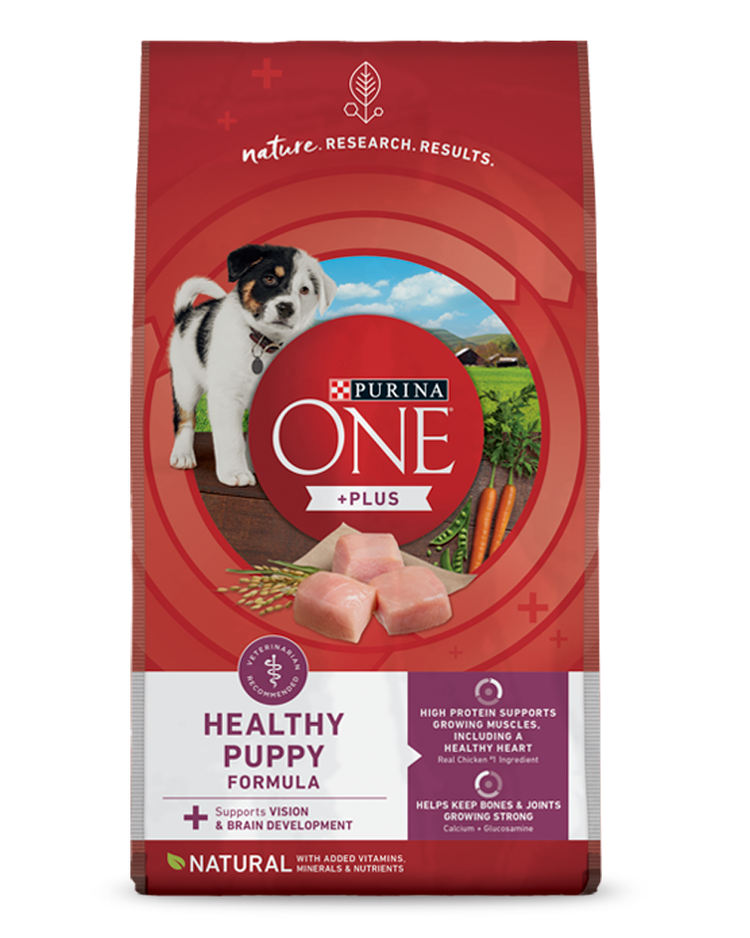
Credit: www.purina.com
Nutritional Needs Of Nursing Dogs
Nursing dogs have unique nutritional needs that differ significantly from their non-lactating counterparts. Their bodies work overtime to produce enough milk to nourish their puppies, which demands extra energy and specific nutrients. Understanding these needs helps you provide the right diet to support your dog’s health and her puppies’ growth.
Increased Caloric Requirements
Your nursing dog burns more calories daily—sometimes up to three times her normal amount. This increased energy demand means her food intake should rise accordingly to avoid weight loss or fatigue.
Offering regular adult dog food might not supply enough calories. You may need to feed her more frequently or choose a calorie-dense formula. Have you noticed her eating much more than usual? That’s a good sign her body needs extra fuel.
Essential Nutrients For Milk Production
Milk production requires more than just calories. Key nutrients like protein, calcium, and fat play critical roles in producing healthy, nutrient-rich milk.
- Protein:Supports tissue repair and milk quality.
- Calcium:Prevents bone loss and helps milk composition.
- Fat:Provides energy and essential fatty acids for puppies’ development.
Many adult dog foods lack the right balance of these nutrients in amounts nursing dogs need. Supplementing or switching to a puppy or nursing formula can ensure your dog gets what she needs.
Hydration Importance
Water is often overlooked but is just as vital during nursing. Producing milk can cause your dog to lose significant fluids daily.
Always keep fresh water available and encourage her to drink often. If she seems dehydrated or drinks less, her milk supply and overall health could suffer.

Credit: www.tractorsupply.com
Differences Between Puppy And Adult Dog Food
Understanding the differences between puppy and adult dog food is essential, especially when you have a nursing dog. These foods are formulated to meet the unique nutritional needs at different life stages. Feeding the right type ensures your dog and her puppies get the nutrients they need for healthy growth and recovery.
Calorie Density Comparison
Puppy food typically contains more calories per serving than adult dog food. This higher calorie density supports rapid growth and higher energy demands. If your nursing dog switches to adult food, she might not get enough calories to support milk production and her own energy needs.
Have you noticed your nursing dog eating more or seeming hungrier than usual? That’s her body asking for extra fuel. Adult dog food may not provide enough energy, which can affect both her health and the puppies’ growth.
Protein And Fat Content
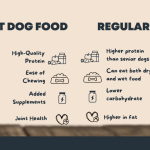
Puppy food usually has higher protein and fat levels than adult dog food. These nutrients are crucial for muscle development and energy, especially during nursing. Adult dog food often has reduced fat and protein since adult dogs need less than growing puppies or nursing mothers.
Think about your nursing dog as an athlete recovering from a big event—she needs more protein and fat to rebuild and produce milk. Feeding her adult food might slow down this process. It’s important to check the labels and compare these key nutrients before making a switch.
Vitamin And Mineral Levels
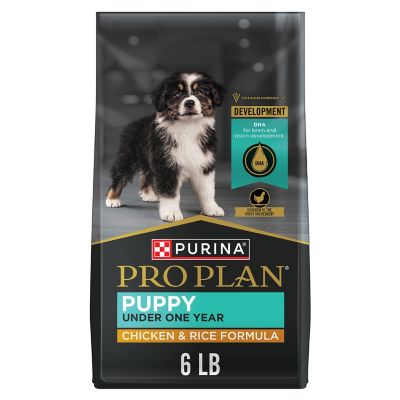
Puppy formulas include extra vitamins and minerals like calcium, DHA, and iron that support brain development and bone growth. Adult dog food tends to have lower amounts because mature dogs don’t require as much. Your nursing dog’s body still needs these to keep her and her puppies healthy.
Missing out on these nutrients can affect your dog’s recovery and the puppies’ development. Have you ever wondered if your dog’s food supports her immune system and energy levels during nursing? Choosing the right balance of vitamins and minerals is critical, so always compare ingredient lists closely.
Risks Of Feeding Adult Dog Food To Nursing Dogs
Feeding adult dog food to a nursing dog can cause several problems. Nursing dogs have special dietary needs. Adult dog food may not meet these needs. This can lead to health risks for both the mother and her puppies. Understanding these risks is important for proper care.
Nutrient Deficiencies
Nursing dogs need extra nutrients like protein, fat, and calcium. Adult dog food often lacks these in the right amounts. Deficiencies can weaken the mother’s body. It can also slow down milk production.
Impact On Milk Quality
Milk quality depends on the mother’s diet. Poor nutrition means less nutritious milk. Puppies may not get enough vitamins and minerals. This can affect their growth and immune system.
Potential Health Issues
Adult dog food can cause digestive problems for nursing dogs. It might lead to diarrhea or upset stomach. Long-term feeding can result in weight loss or poor coat condition. The mother dog needs balanced food to stay healthy and strong.
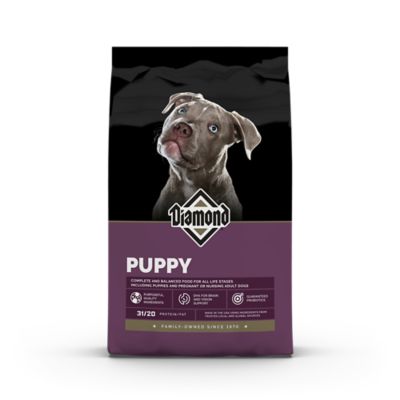
Credit: www.tractorsupply.com
When Adult Dog Food Might Be Suitable
Nursing dogs have unique nutritional needs to support milk production and their own health. However, there are situations where adult dog food might be appropriate for a nursing dog. Understanding when this switch is possible can help you make informed choices for your dog’s diet without compromising her wellbeing or the puppies’ growth.
High-quality Adult Formulas
Not all adult dog foods are created equal. Some high-quality adult formulas offer rich protein and essential nutrients that can meet the demands of a nursing dog, especially if the formula is nutrient-dense and balanced.
Look for adult dog foods labeled as “all life stages” or those with a higher calorie content. These can sometimes provide enough energy and nutrients to support mild nursing needs. Have you checked the ingredients list lately? Foods with real meat, omega fatty acids, and vitamins can be surprisingly suitable.
Supplementing With Nutrients
Adult dog food alone might not cover all the extra nutrients a nursing dog requires. You can add supplements like calcium, fatty acids, or puppy food kibble to boost the diet.
Adding a small amount of puppy food can increase the calorie and nutrient content without drastically changing the diet. Supplements should be given carefully and in consultation with a vet to avoid overdosing. What supplements might your dog need to stay healthy during nursing?
Consulting A Veterinarian
Every dog is different, and so are their nursing needs. Consulting your vet is essential before making any diet changes during nursing.
Your vet can assess your dog’s health, milk production, and weight to decide if adult dog food is enough or if a specialized nursing or puppy diet is necessary. They can also recommend safe supplements or homemade diet adjustments tailored to your dog. Have you discussed your dog’s current diet and nursing status with your veterinarian yet?
Tips For Feeding Nursing Dogs
Nursing dogs need extra nutrition to support their puppies. Normal adult dog food may not provide enough calories and nutrients during this time. Specialized puppy or nursing dog food helps meet their increased energy and nutrient needs.
Feeding a nursing dog requires careful attention to ensure both the mother and her puppies remain healthy and nourished. As a dog owner, you might wonder if your nursing dog can have normal adult dog food. While it’s possible, there are specific considerations and adjustments you should make to support her increased nutritional needs.Meal Frequency And Portion Size
Nursing dogs have higher energy demands and may require more frequent meals. Instead of sticking to the typical two meals a day, consider increasing the frequency to three or four smaller meals. This helps manage her energy levels throughout the day and supports milk production. Portion size is also critical. As a rule of thumb, increase her food intake by about 25% for each puppy she is nursing. Keep an eye on her body condition to ensure she is gaining the right amount of weight, without becoming overweight.Choosing Balanced Diet Options
When selecting food, aim for high-quality options rich in protein and fat. These are essential for milk production and maintaining her energy. Look for dog food brands that offer formulas specifically designed for active or lactating dogs, as they usually contain higher levels of calories and nutrients. You might wonder if you can supplement her diet with homemade options. While it’s tempting, ensure any additions are well-balanced and complement her commercial food. Consult your vet for personalized advice to avoid nutritional imbalances.Monitoring Weight And Health
Regular weight checks are vital to ensure your dog is not losing or gaining too much weight. Sudden changes can indicate health issues or inadequate nutrition. Keep a close eye on her coat condition and energy levels as well. Is her coat shiny and healthy? Is she able to keep up with her puppies? These signs, along with regular vet visits, will help confirm she’s receiving adequate nutrition and care. Feeding a nursing dog might seem daunting, but with these tips, you can confidently support her during this critical time. How will you adjust your feeding routine to meet her needs?Frequently Asked Questions
Can A Nursing Dog Eat Regular Adult Dog Food?
Yes, a nursing dog can eat adult dog food but needs higher calories. Choose nutrient-rich, high-protein formulas to support milk production and energy demands during nursing.
Is Adult Dog Food Enough For A Nursing Dog’s Nutrition?
Adult dog food may lack extra nutrients nursing dogs require. Supplement with vet-recommended vitamins or switch to puppy or lactation-specific formulas for balanced nutrition.
When Should I Switch My Nursing Dog Back To Adult Food?
Switch back to adult food after weaning puppies, usually around 6-8 weeks. Gradually transition to avoid digestive upset and ensure balanced nutrition for recovery.
Can Feeding Adult Dog Food Harm A Nursing Dog?
Feeding only standard adult food may not meet lactation needs. It rarely causes harm but could reduce milk quality and affect puppy growth without proper supplementation.
Conclusion
Nursing dogs need extra nutrients to stay healthy. Normal adult dog food may lack these important elements. Feeding special food supports milk production and energy. Watch your dog’s weight and energy every day. Consult your vet to choose the best diet plan.
Good nutrition helps both mother and puppies grow strong. Careful feeding makes a big difference during nursing time. Keep your dog’s health a top priority for happy puppies.