If you have a small breed dog, you want to give them the best care possible. One important step is knowing exactly when to switch to adult dog food.
Feeding your pup the right food at the right time affects their health, energy, and happiness. But how do you know when that moment has come? You’ll discover clear signs to look for and expert tips to make the change smooth and easy.
Keep reading to make sure your furry friend gets the nutrition they need to thrive.
Signs Your Small Breed Dog Is Ready
Knowing when to switch your small breed dog to adult food is important for their health. Puppies grow fast and their needs change quickly. Feeding the right food at the right time supports strong bones and good energy. Watch for clear signs your dog is ready for adult food. These signs help you make the best choice for your pet’s diet.
Age Milestones For Switching
- Most small breeds switch around 9 to 12 months old.
- Some tiny breeds may need adult food as early as 8 months.
- Follow your vet’s advice for the best timing.
Behavioral Changes To Watch
- Less energetic than before, showing calmer behavior.
- Reduced teething and chewing on objects.
- More focus during mealtime, eating less frequently.
- Changes in bathroom habits, like less frequent bowel movements.
Physical Growth Indicators
- Reaching full adult size or close to it.
- Teeth fully developed and strong.
- Muscle tone firming up, less puppy fat.
- Coat becoming thicker and shinier.
Nutritional Needs Of Adult Small Dogs
Understanding the nutritional needs of adult small dogs is crucial for keeping your furry friend healthy and energetic. Their metabolism and body size demand a diet tailored specifically to support their growth, activity, and overall well-being. Adjusting their food as they transition from puppyhood to adulthood ensures they get the right balance of nutrients without overfeeding or undernourishing them.
Protein And Fat Requirements
Adult small dogs need a diet higher in protein compared to larger breeds to maintain muscle mass and support their active lifestyle. Protein sources like chicken, turkey, or fish are excellent choices to keep their muscles strong and energy levels steady.
Fat is also vital as it provides concentrated energy. Small breeds burn calories quickly, so a moderate amount of healthy fats helps sustain their energy throughout the day without causing weight gain.
Caloric Intake Adjustments
Your small dog’s calorie needs change as they mature. Puppies often require more calories per pound than adults, but adult small dogs have slower metabolism than puppies, so feeding them the same amount can lead to unwanted weight gain.
Tracking your dog’s weight and adjusting portions accordingly helps prevent obesity. Are you noticing your dog slowing down or gaining weight? That might be a sign to reduce calorie intake.
Essential Vitamins And Minerals
Vitamins and minerals keep your dog’s immune system strong and bones healthy. Calcium supports bone strength, while antioxidants like vitamins C and E help fight off illness.
Pay attention to B vitamins that aid in energy production and skin health. Feeding your dog food with balanced nutrients avoids deficiencies that might cause health issues later on.
Comparing Puppy And Adult Dog Food
Puppies need special food for growth, but small breeds switch to adult food earlier than large breeds. Usually, this change happens around 9 to 12 months. Feeding adult dog food too soon or too late can affect their health and energy levels.
Understanding the difference between puppy and adult dog food is crucial for your small breed’s health and development. Transitioning at the right time ensures your dog gets the nutrients they need. But what exactly sets these two types of food apart?Ingredient Differences
Puppy food is packed with higher levels of protein and fat to support rapid growth. Essential nutrients like DHA help with brain development. In contrast, adult dog food balances nutrients to maintain health without causing weight gain. Have you checked the labels on your dog’s food recently? Look for ingredients like chicken, fish, or lamb as primary protein sources. This ensures your pet gets quality nutrition.Portion Size Variations
Portion sizes differ significantly between puppy and adult food. Puppies need more frequent, smaller meals due to their fast metabolism. Adult dogs require fewer meals with larger portions to maintain energy levels throughout the day. Are you adjusting portion sizes as your dog grows? Ensure you’re following feeding guidelines based on weight and age to prevent obesity.Digestibility Factors
Puppy food is formulated for easy digestion to support their developing systems. Adult food is designed for mature digestive systems and may contain more fiber. This difference can affect how well your dog absorbs nutrients. Have you noticed any changes in your dog’s digestion? If your pet seems sluggish or has irregular stools, it might be time to switch foods. Understanding these differences can make a big impact on your small breed’s health. Are you ready to make the switch?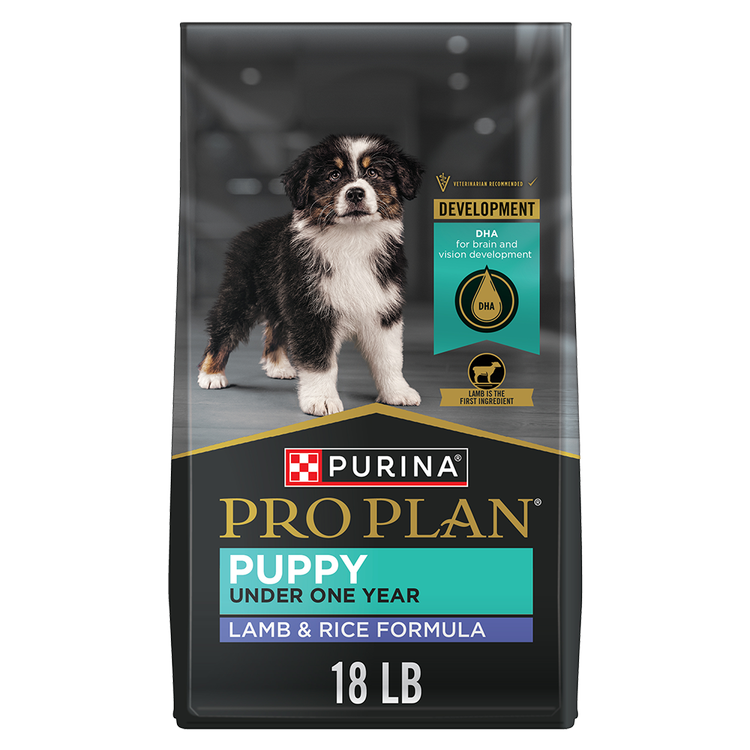
Credit: www.purina.com
Transitioning To Adult Food Smoothly
Switching your small breed dog to adult food requires care and attention to avoid upsetting their sensitive digestive system. A smooth transition helps your dog adjust to new nutrients and flavors without stress. Taking it slow and watching your dog’s reactions can make this change easier for both of you.
Gradual Food Mixing Tips
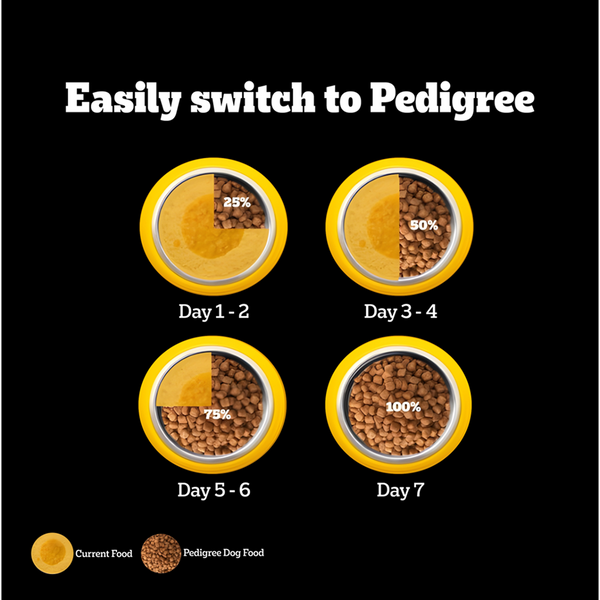
Start by mixing a small amount of adult food with your dog’s current puppy food. Try a ratio like 25% adult food to 75% puppy food for the first few days. Slowly increase the adult food portion over 7 to 10 days until you’re feeding only adult food.
Don’t rush the process—your dog’s stomach needs time to adapt. If your dog shows hesitation, try mixing in a little warm water to soften the food. This can make the texture more appealing and easier to eat.
Monitoring Digestive Health
Watch for signs like diarrhea, vomiting, or constipation during the transition. Small breed dogs often have sensitive stomachs, so these symptoms can appear quickly. Keep a close eye on stool consistency and frequency.
If you notice persistent digestive upset, slow down the transition or consult your vet. Remember, your dog’s comfort is more important than speed. Sometimes, switching brands or formulas might be necessary if issues continue.
Adjusting Feeding Schedules
Adult dogs usually need fewer meals than puppies. You might want to move from three or four small meals a day to two or three balanced meals. This change helps regulate your dog’s metabolism and energy levels as they mature.
Try feeding at the same times every day to establish a routine. Consistent schedules can reduce begging and anxiety around meal times. Have you noticed your dog’s energy levels change with different feeding times?
Common Mistakes To Avoid
Switching your small breed dog to adult food is a crucial step that requires careful timing and attention. Many dog owners make avoidable mistakes that can impact their pet’s health and well-being. Recognizing these common pitfalls will help you make the right choices for your furry friend.
Switching Too Early Or Late
Timing matters when changing your dog’s diet. Switching too early can mean your dog misses essential nutrients designed for their growth stage. On the other hand, switching too late may lead to nutritional imbalances or digestive issues.
Think about your dog’s behavior and growth patterns. Are they still highly energetic and growing rapidly? It might be best to wait. Conversely, if your small breed dog seems to slow down or gain weight easily, it could be time to switch.
Ignoring Breed-specific Needs
Small breed dogs have unique nutritional requirements compared to larger breeds. Their fast metabolism and smaller mouths mean they need food formulated with the right balance of calories and kibble size.
Ignoring these breed-specific needs can lead to frustration during mealtime or even health problems. Have you checked if your dog’s food caters specifically to small breeds? Tailoring the diet to their size helps keep your dog healthy and happy.
Overfeeding And Obesity Risks
It’s easy to overfeed small dogs, especially when they beg or seem hungry. But too many calories can quickly lead to obesity, which increases the risk of diabetes, joint pain, and heart problems.
Track portion sizes carefully and resist the urge to give too many treats. Ask yourself if every extra snack is truly necessary or just a momentary comfort. Maintaining a healthy weight keeps your dog lively and extends their life.
Credit: supertails.com
Choosing The Right Adult Dog Food
Choosing the right adult dog food for your small breed is crucial for their health and happiness. Small breeds have unique nutritional needs that differ from larger dogs. Picking the right food ensures they get the right balance of nutrients, energy, and flavor to thrive.
Top Ingredients To Look For
Start by checking the ingredient list carefully. High-quality protein like chicken, turkey, or fish should be the first ingredient. Proteins help maintain muscle mass and support your dog’s energy levels.
Look for healthy fats such as omega-3 and omega-6 fatty acids, which support skin and coat health. Whole grains or vegetables provide fiber for digestion, but avoid fillers like corn or soy that offer little nutritional value.
Vitamins and minerals are essential too. Ingredients like sweet potatoes, carrots, and blueberries add antioxidants that boost your dog’s immune system.
Brand Recommendations For Small Breeds
Some brands specialize in small breed formulas tailored to their needs. Brands like Royal Canin, Blue Buffalo, and Wellness offer recipes that match small dogs’ energy requirements and bite sizes.
When I switched my terrier to a small breed formula by Blue Buffalo, I noticed better digestion and increased energy within weeks. It’s worth trying a few trusted brands to see what your dog prefers.
Remember, a brand that suits one dog might not suit another. Watch how your pet reacts and adjust accordingly.
Special Diets And Allergies
If your dog has allergies or sensitivities, you must choose food carefully. Limited ingredient diets can help identify and avoid allergens. Ingredients like lamb, duck, or novel proteins reduce the risk of reactions.
Grain-free options may benefit dogs with grain allergies, but consult your vet before switching. Also, consider foods designed for weight management or dental health if your dog has those specific needs.
Have you noticed any signs of allergies like itching or upset stomach in your dog? Addressing these early with the right diet can prevent bigger health issues.
Consulting Your Veterinarian
Deciding when to switch your small breed dog to adult food is important. Consulting your veterinarian ensures the change supports your dog’s health and growth. Your vet can provide tailored advice based on your dog’s unique needs. This step helps avoid common feeding mistakes and supports your dog’s well-being.
Personalized Nutrition Advice
Your veterinarian understands your dog’s breed, age, and health history. They can recommend the best adult dog food formula. This advice ensures your dog gets the right balance of nutrients. Small breeds have special needs that differ from larger dogs. Personalized nutrition helps maintain energy, coat health, and weight.
Health Checkups Before Switching
Regular health checkups identify any issues before changing food. Your vet can check weight, dental health, and digestion. Detecting problems early can prevent feeding mistakes. A clean bill of health means your dog is ready for adult food. This step reduces risks of allergic reactions or digestive upset.
Tracking Long-term Wellness
After switching, vets recommend monitoring your dog’s health over time. Tracking weight, activity, and coat condition shows if the food suits your dog. Schedule follow-up visits to discuss any concerns. Long-term wellness checks help adjust diet if needed. This care supports your dog’s happiness and vitality throughout adulthood.
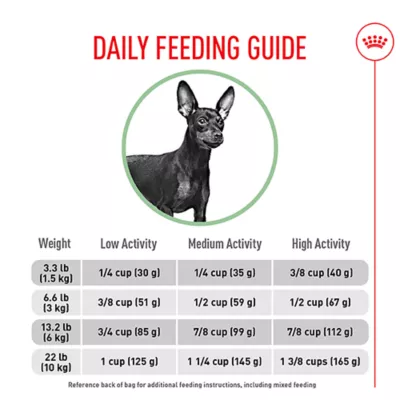
Credit: www.petsmart.ca
Frequently Asked Questions
When Should I Switch My Small Breed Puppy To Adult Food?
Switch to adult dog food when your small breed puppy reaches 9 to 12 months. This timing supports healthy growth and energy needs as they mature. Always consult your vet for breed-specific advice and transition gradually to avoid digestive issues.
What Are Signs My Small Dog Needs Adult Food?
Signs include slowed growth, less playfulness, and stable weight. Adult food suits their lower calorie needs and maintains health. Watch for changes in appetite or energy, and consult your vet if unsure about switching.
How To Transition Small Breed Dogs To Adult Food?
Gradually mix adult food with puppy food over 7 to 10 days. Increase adult food proportion daily to avoid stomach upset. Monitor your dog’s reaction and adjust pace accordingly for a smooth transition.
Why Choose Adult Dog Food For Small Breeds?
Adult dog food meets the nutritional needs of mature small breeds. It contains balanced proteins, fats, and vitamins to maintain energy and support joint health. Small breed formulas also have smaller kibble sizes for easy chewing.
Conclusion
Switching to adult dog food for small breeds depends on age and health. Most small dogs need adult food around one year old. Watch for changes in energy and weight to guide the switch. Choose food with the right nutrients for small breed needs.
Feeding the right food helps keep your dog healthy and happy. Always check with your vet if you are unsure about the timing. Small steps make a big difference in your dog’s life. Keep your pet’s diet balanced and enjoy many joyful years together.