
Are you wondering if it’s time to switch your 7-month-old dog to adult food? You want to make sure your furry friend gets the right nutrition to grow strong and stay healthy.
But how do you know when puppy food is no longer the best choice? Choosing the wrong food could affect your dog’s energy, weight, and overall well-being. Keep reading to discover the signs that show when to make the switch and how to do it the right way for your dog’s happiest, healthiest life.
Nutritional Needs At 7 Months
At 7 months, your dog is at a crucial stage of development. Their body and brain are growing rapidly, and their diet needs to support this growth fully. Understanding the nutritional needs at this age can help you decide whether to continue with puppy food or switch to adult food.
Growth Stages Of Puppies
Puppies go through several growth phases before reaching adulthood. At 7 months, most dogs are transitioning from the rapid growth of early puppyhood to a slower, steadier growth phase.
This stage can vary by breed and size. Larger breeds may still be growing significantly, while smaller breeds might be closer to their adult size. Knowing where your dog fits helps you choose the right food.
Key Nutrients For Development
During this stage, your dog’s diet should be rich in protein and fat to fuel muscle growth and energy needs. Calcium and phosphorus are also vital for strong bones and teeth.
Don’t overlook DHA, an omega-3 fatty acid that supports brain and eye development. Many adult dog foods lack these essential nutrients, which are critical before your dog fully matures.
Have you checked if your dog’s current food meets these requirements? Switching too early to adult food might leave your dog lacking important nutrients needed at this stage.
Credit: www.petmd.com
Differences Between Puppy And Adult Food
Understanding the differences between puppy and adult dog food is key to making the right choice for your 7-month-old dog. Puppy food is specially formulated to support rapid growth and high energy levels, while adult food focuses on maintenance and overall health. Knowing these differences helps you decide whether your pup is ready to switch or still needs the extra nutrients found in puppy formulas.
Calorie Content Comparison
Puppy food typically contains more calories per serving than adult food. Puppies burn a lot of energy growing and exploring, so they need these extra calories to stay healthy and active.
Adult dog food has fewer calories because adult dogs require less energy to maintain their body weight. Feeding adult food to a growing puppy might leave them feeling hungry or undernourished.
Protein And Fat Levels
Puppy formulas have higher protein and fat levels to support muscle development and brain growth. These nutrients are essential for your puppy’s rapid development phase.
Adult dog food has reduced protein and fat, designed to keep your dog fit without excess weight gain. If you switch too early, your puppy might miss out on vital nutrients needed for strong bones and healthy organs.
Vitamin And Mineral Variations
Puppy food includes extra vitamins and minerals such as calcium and phosphorus, which are crucial for bone growth. These are balanced carefully to avoid issues like joint problems later in life.
Adult dog food has these nutrients at maintenance levels, suitable for a fully grown dog’s needs. Feeding adult food too soon may mean your puppy isn’t getting enough of these critical building blocks.
Signs Your Dog Is Ready For Adult Food
Transitioning your dog from puppy food to adult dog food is a significant step in their growth journey. But how do you know when it’s the right time? Recognizing the signs that your dog is ready for adult food can ensure they continue to get the right nutrition as they mature. Let’s delve into some key indicators that your 7-month-old dog might be ready for this change.
Physical Maturity Indicators
One of the most apparent signs your dog might be ready for adult food is physical maturity. By this age, many dogs, especially larger breeds, begin to lose that puppyish look. Look for changes in their muscle tone and coat quality.
Have you noticed your dog’s growth has slowed down? This could mean they’re reaching a more stable stage of development. Physical changes are a strong hint that their nutritional needs are evolving too.
Behavioral Changes
Your dog’s behavior can also offer clues. Have they recently become less playful or more independent? These shifts often indicate that they’re moving out of the puppy phase.
Pay attention to their energy levels. If they seem to need less rest and have a steadier energy throughout the day, they might be ready for the nutrients found in adult food. These behavioral changes are just as crucial as physical signs.
Weight And Size Benchmarks
Weight and size are practical indicators for deciding on adult food. A visit to the vet can provide you with benchmarks specific to your dog’s breed and size. Generally, when your dog reaches about 80% of their expected adult size, it’s a good time to consider switching.
Monitoring their weight can prevent overfeeding or underfeeding during this transition. A balanced diet is critical for maintaining their health and vitality. Have you checked your dog’s weight recently? It could be time to assess whether they’re ready for adult nutrition.
Understanding these signs can help you make the best dietary choices for your dog’s health and wellbeing. Your observations are invaluable in determining when to make this essential switch.
Risks Of Switching Too Early
Switching a 7-month-old dog to adult food too early carries several risks. Puppies need specific nutrients to grow strong and healthy. Adult food lacks some of these vital nutrients. Prematurely changing their diet can lead to problems. Understanding these risks helps keep your dog safe and well-nourished during this important stage.
Nutritional Deficiencies
Puppy food contains extra vitamins and minerals. These nutrients support bone growth and brain development. Adult food has fewer calories and less fat. A 7-month-old dog needs more energy than an adult dog. Feeding adult food too soon can cause lack of essential nutrients. This may weaken the immune system and slow growth.
Growth Problems
Growing dogs need balanced nutrition for strong bones and muscles. Adult food does not provide enough calcium and phosphorus. These minerals are important for healthy bone development. Feeding adult food early may cause weak bones or joint issues. Growth plates in puppies are still open and vulnerable. Proper puppy food helps avoid long-term skeletal problems.
Digestive Issues
Puppies have sensitive stomachs that need gentle care. Puppy food is easier to digest and contains fiber for healthy digestion. Adult food has different protein and fat levels that may upset your dog’s stomach. Switching too soon can cause diarrhea, vomiting, or gas. Keeping a consistent diet supports good digestion and comfort.
How To Transition To Adult Food
Transitioning your 7-month-old dog to adult food requires care and patience. Sudden changes can upset their stomach or cause refusal to eat. A smooth switch helps your dog adapt comfortably. This process also allows you to watch how they respond to the new diet. Follow these simple steps to make the change easier for your dog.
Gradual Mixing Techniques
Start by mixing a small amount of adult food with your dog’s current puppy food. Increase the adult food portion slowly over 7 to 10 days. For example:
- Day 1-3: 25% adult food, 75% puppy food
- Day 4-6: 50% adult food, 50% puppy food
- Day 7-9: 75% adult food, 25% puppy food
- Day 10: 100% adult food
This gradual approach helps your dog get used to new flavors and textures.
Monitoring Your Dog’s Response
Watch for any changes in appetite, energy, or stool quality. Loose stools or vomiting may signal a need to slow the transition. If your dog refuses the new food, try mixing it with warm water to soften it. Check for any signs of allergies like itching or redness. Keep a close eye on your dog’s behavior during this time.
Adjusting Portion Sizes
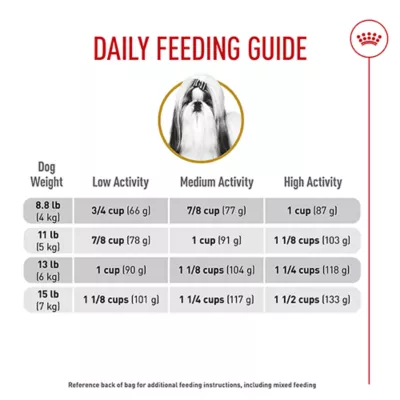
Adult dogs need different calories than puppies. Follow the feeding guidelines on the adult food package as a starting point. Adjust portions based on your dog’s activity level and weight. Use a measuring cup to ensure accuracy. Avoid overfeeding to prevent weight gain. Regularly check your dog’s body condition and adjust food amounts accordingly.
Veterinary Recommendations
Veterinary recommendations play a crucial role when deciding if your 7-month-old dog should switch to adult food. Every dog develops differently, and vets help tailor nutrition to your pet’s unique needs. Listening to professional advice ensures your dog stays healthy and happy during this important growth phase.
When To Consult A Vet
You should reach out to a vet before changing your dog’s diet, especially around the 7-month mark. Growth rates vary, and some dogs might still need puppy food longer. Consulting a vet helps avoid nutritional gaps or excesses that can harm your dog’s development.
Have you noticed changes in your dog’s energy or digestion? These signs are good reasons to get a vet’s opinion before making diet switches. Your vet can also guide you if your dog is showing signs of allergies or intolerances.
Breed-specific Advice
Different breeds mature at different speeds, affecting when to switch to adult food. For example, larger breeds like Great Danes may need puppy food for up to 12-18 months, while smaller breeds often transition sooner.
Your vet can provide breed-specific guidelines to match your dog’s growth pattern. They may recommend specialized formulas that support joint health or skin condition based on breed tendencies.
Special Health Considerations
If your dog has health issues such as obesity, diabetes, or digestive problems, a vet’s advice becomes even more important. They might suggest a tailored diet that balances calorie intake and nutrient levels perfectly.
Switching to adult food without professional guidance can worsen some conditions. Always ask your vet about the best food choices to manage any ongoing health concerns safely.
Alternative Feeding Options
Choosing the right food for your 7-month-old dog can be tricky. If you’re uncertain about switching directly to adult dog food, there are other options to consider that support healthy growth and development. These alternatives can meet your pup’s specific nutritional needs while making the transition smoother.
Senior Puppy Formulas
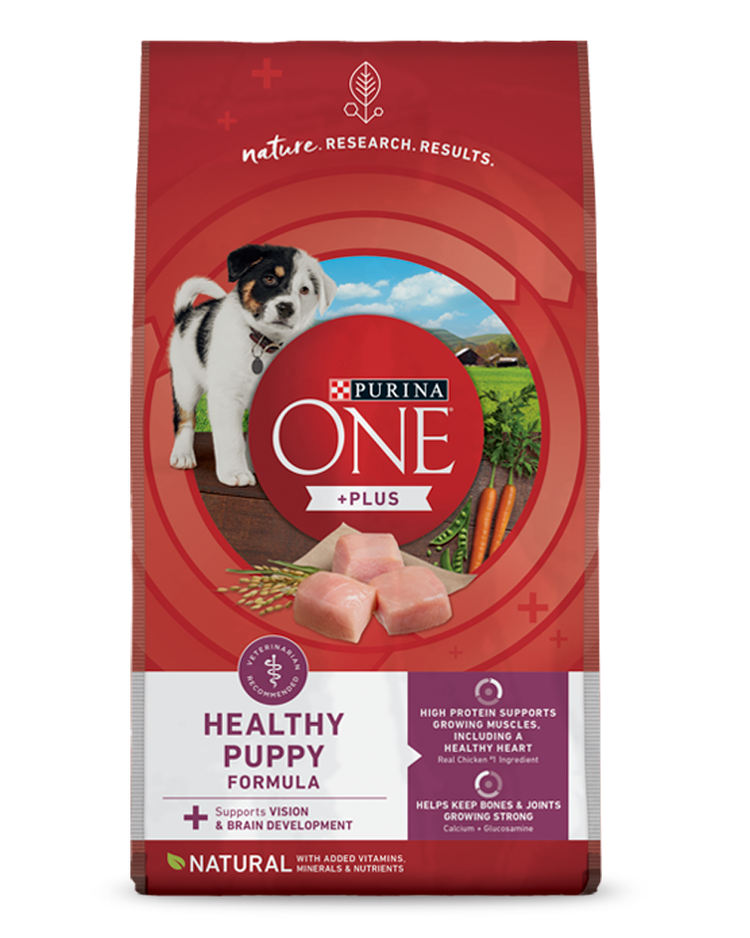
Senior puppy formulas are designed for dogs in the final growth stages, typically between 6 to 12 months old. These foods contain balanced nutrients that support bone development and energy needs without overloading on calories.
Using these formulas can help prevent common issues like obesity or nutrient deficiencies. Have you noticed your puppy slowing down or gaining weight too quickly? Senior puppy food might be just the right middle ground before shifting to adult food.
Raw And Homemade Diets
Some dog owners prefer raw or homemade diets to control exactly what their pets eat. These diets can include fresh meats, vegetables, and grains tailored to your dog’s preferences and health requirements.
If you choose this path, consult with a vet to ensure your dog gets all essential vitamins and minerals. It’s easy to miss key nutrients, but with proper guidance, homemade meals can offer freshness and variety that commercial foods sometimes lack.
Commercial Vs. Prescription Diets
Commercial dog foods come in many varieties, including those formulated for puppies, adults, and specific breeds. Prescription diets, on the other hand, are tailored for dogs with health issues like allergies or digestive problems.
Ask yourself if your dog has any special health concerns that need addressing through diet. While commercial foods are convenient and balanced for most dogs, prescription diets provide targeted nutrition when your dog needs extra care.

Credit: www.thinkjinx.com
Credit: www.purina.com
Frequently Asked Questions
When Should I Switch My 7 Month Old Dog To Adult Food?
You can switch your dog to adult food around 7 to 12 months. This depends on their breed and growth rate. Large breeds may need puppy food longer. Consult your vet for the best time to transition safely.
Is Adult Dog Food Suitable For A 7 Month Old Puppy?
Adult dog food may lack nutrients essential for puppies. Puppies need higher protein and calories for growth. Switching too early can affect development. It’s best to use puppy food until your vet advises otherwise.
How To Transition A 7 Month Old Dog To Adult Food?
Transition gradually over 7 to 10 days. Mix increasing amounts of adult food with puppy food. Monitor your dog’s digestion and appetite. A slow switch reduces stomach upset and helps your dog adjust smoothly.
What Are The Risks Of Feeding Adult Food Too Early?
Feeding adult food too soon can cause nutritional deficiencies. Puppies may miss vital nutrients needed for growth and immunity. This can lead to poor bone development and weaker health. Always follow vet guidance for diet changes.
Conclusion
A 7-month-old dog still needs special puppy food for growth. Adult food lacks some nutrients puppies require. Switching too early can cause health problems. Watch your dog’s size, energy, and vet advice. Gradually change food when your vet says it’s okay.
Healthy food supports your dog’s strong bones and muscles. Feeding the right food helps your dog stay happy. Remember, good nutrition matters at every life stage. Choose wisely for your dog’s long, healthy life.