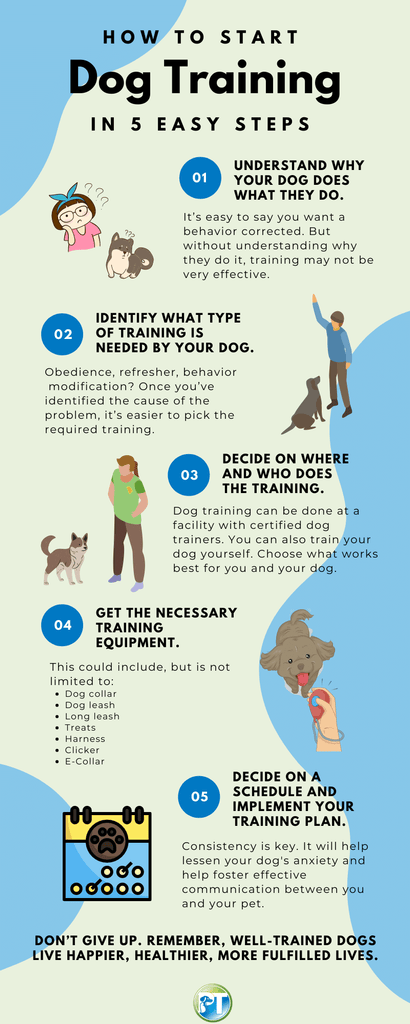

Training a stubborn dog to come when called can feel like an impossible task. You’ve probably tried calling your dog, using treats, and even raising your voice, but nothing seems to work.
It’s frustrating, and you might worry about your dog’s safety when they don’t listen. But don’t give up just yet. With the right approach, patience, and a few simple tricks, you can finally get your dog to come every time.
Keep reading, and you’ll discover practical steps that make training easier for both you and your furry friend.
Recognize Stubborn Behavior
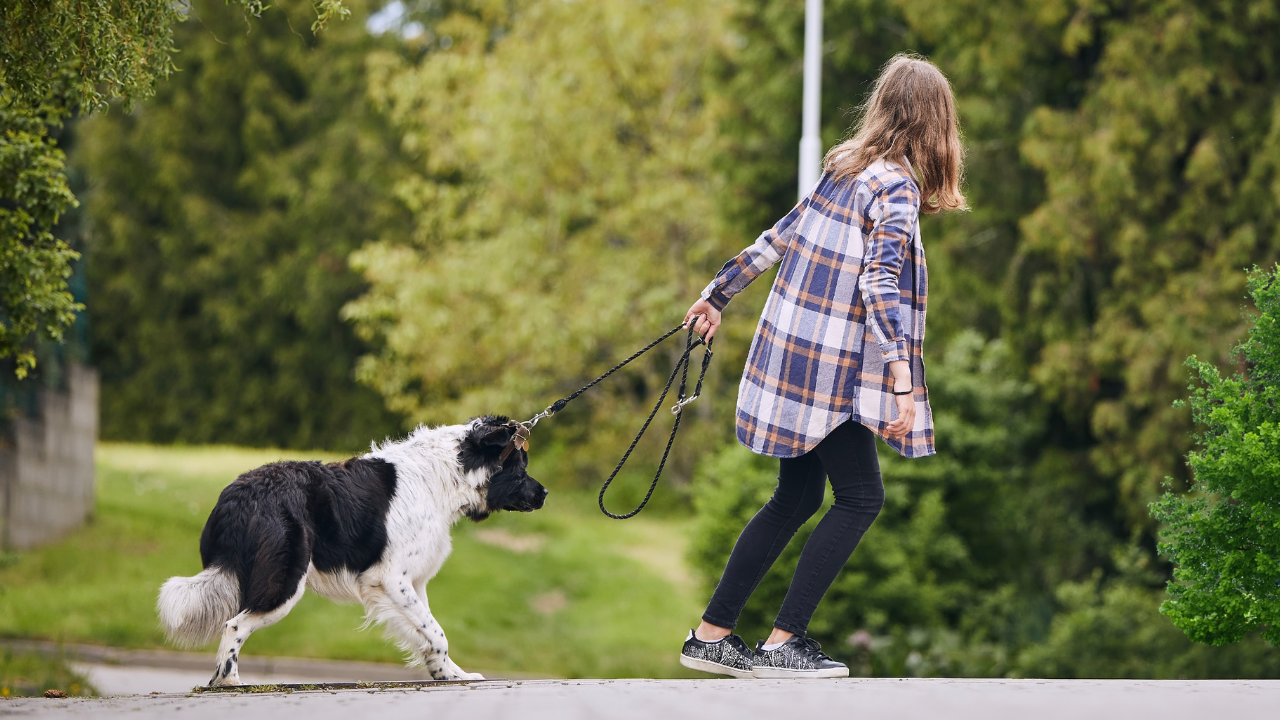
Training a stubborn dog to come when called can feel like an uphill battle. The key is to first recognize the behaviors that signal stubbornness. Understanding these signs helps you adjust your training approach and connect better with your dog’s mindset.
Common Signs Of Stubbornness
- Ignoring Calls:Your dog looks at you but doesn’t move toward you.
- Deliberate Delay:Taking their time to respond, almost as if testing your patience.
- Distraction Over Preference:Choosing to sniff or explore instead of coming when called.
- Body Language:Stiff posture, turned head, or avoiding eye contact can show resistance.
- Repeated Non-Compliance:Consistently refusing commands despite multiple prompts.
Have you noticed these behaviors in your dog? Spotting them early lets you know where to focus your efforts.
Reasons Behind Resistance
Understanding why your dog resists coming is crucial. Sometimes, stubbornness isn’t about defiance but about confusion or discomfort.
- Lack of Motivation:Your dog might find distractions more rewarding than coming to you.
- Fear or Anxiety:The environment or previous experiences may cause hesitation.
- Inconsistent Training:Mixed signals from you can confuse your dog about what you expect.
- Personality Traits:Some dogs naturally have independent or strong-willed temperaments.
Think about your dog’s daily routine and past training sessions. Could any of these reasons be why your dog resists? Identifying the cause helps you tailor a training plan that works with your dog, not against them.
Credit: paradepets.com
Build Stronger Communication
Building stronger communication with your stubborn dog is essential to improve their response to your calls. Dogs often tune out commands that seem unclear or inconsistent. Strengthening your way of speaking and signaling creates a clear message your dog can understand and trust.
Using Clear Commands
Choose simple and distinct words for your commands, like “Come” or “Here.” Avoid switching between different words for the same action, as this confuses your dog.
Say your command in a firm but friendly tone. Imagine you’re calling a friend—you want to be heard without sounding angry.
Try repeating the command consistently during training sessions. Dogs learn faster when commands are predictable and clear.
Consistent Body Language
Your body language speaks louder than words. Stand tall, face your dog directly, and use open gestures to encourage them.
When you call your dog, use the same hand signal every time, like waving your arm or patting your chest. Your dog will start associating the gesture with the command.
Watch your dog’s reaction. If they seem unsure, adjust your posture or signals to be more inviting. Consistency here builds trust and understanding.
Create Positive Associations
Building positive feelings helps your dog enjoy coming to you. Offer treats and praise to make the experience happy and rewarding. This creates a strong link between your call and good things.
Training a stubborn dog to come when called requires patience and creativity. One effective method is to create positive associations. Dogs respond well to positive reinforcement, making it a key strategy. By associating the command with rewards and praise, you can encourage your dog to follow your call.Choosing The Right Rewards
Select rewards that your dog loves. This could be a tasty treat or a favorite toy. Use a special reward only for training sessions. This keeps your dog interested and motivated. Dogs have individual preferences, so observe what excites yours. Keep the reward small to prevent overfeeding. A small, tasty treat will do the trick.Timing Your Praise
Timing is crucial for effective training. Praise your dog immediately when they respond to your call. This helps them link the action with the reward. Use a happy voice to show your excitement. Your tone can convey your approval and encouragement. Consistency is important, so practice regularly. This reinforces the behavior and builds a strong habit.Practice Effective Recall Techniques
Practice effective recall techniques to teach your dog to come reliably. Recall means your dog returns to you when called. This skill is vital for safety and good behavior. Training a stubborn dog requires patience and consistency. Using the right methods helps your dog understand and enjoy coming back.
Starting In Controlled Environments
Begin training in a quiet, familiar place with few distractions. A fenced yard or a small room works well. Keep your dog on a long leash or leash-free if safe. Call your dog’s name in a happy tone. Use simple commands like “come” or “here.” Reward immediately with treats or praise when your dog comes.
Repeat this often. Keep sessions short and fun to keep your dog interested. Avoid calling your dog for unpleasant things like baths or nail trims. Make coming to you the best part of the day.
Gradually Increasing Distractions
Once your dog responds well indoors, add distractions slowly. Try calling your dog in the backyard with mild noises around. Use other people or pets nearby but not too close. Increase distance between you and your dog gradually.
Practice in parks or open spaces with more sounds and movement. Keep treats ready to reward quick responses. If your dog ignores you, reduce distractions and try again.
Consistency builds trust and understanding. Your dog learns to focus on you despite distractions. This step-by-step approach helps stubborn dogs improve recall skills effectively.
Use Tools To Aid Training
Training a stubborn dog to come when called can test your patience, but using the right tools can make a huge difference. Tools don’t replace your efforts—they support and enhance your training sessions. Think of them as helpful assistants that guide your dog and give you more control.
Leashes And Long Lines
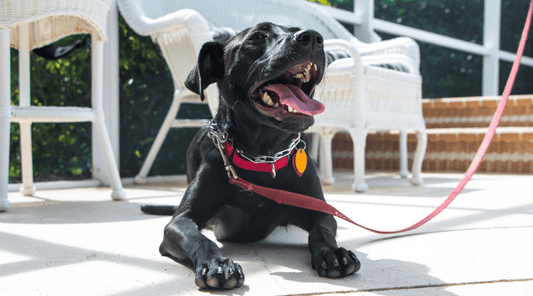
Leashes and long lines provide a safe way to practice recall without losing control. A long line, often 20 to 30 feet, lets your dog explore while still giving you the ability to gently guide them back.
Try to use a long line in open spaces like parks or your backyard. This allows your dog to experience freedom, but you’re ready to step in when they ignore your calls.
Using a leash or long line also helps you reward your dog at the right moment. When your dog finally comes, you can immediately give praise or treats, reinforcing the behavior clearly.
Clickers And Training Collars
Clickers create a consistent sound that tells your dog exactly when they’ve done something right. This clear signal speeds up learning because dogs quickly associate the click with a reward.
Training collars, such as vibration or gentle stimulation collars, can be useful tools when used correctly. They add another layer of communication to catch your dog’s attention without causing harm.
Be careful with training collars—always research and choose humane options. The goal is to encourage, not frighten, your dog. Have you ever noticed how your dog responds better to clear signals rather than vague commands?
Using tools thoughtfully, combined with patience and positive reinforcement, transforms your training into a more effective and enjoyable experience for both you and your dog.

Credit: www.youtube.com
Maintain Patience And Consistency
Training a stubborn dog to come requires more than just commands; it demands patience and consistency from you. Dogs pick up on your energy and attitude, so staying calm and steady can make all the difference. Your steady approach builds trust and helps your dog understand what you expect, even if progress seems slow at times.
Setting Realistic Expectations
It’s important to accept that stubborn dogs won’t change overnight. Expect small wins like your dog looking at you or turning their head before rushing over. These moments are signs that your training is working.
Set clear, achievable goals for each session. For instance, aim for your dog to come within a short distance before moving to longer calls. This keeps both you and your dog motivated and avoids feeling overwhelmed.
Avoiding Frustration Traps
Frustration can sneak in when your dog ignores your call repeatedly. Instead of raising your voice, pause and rethink your approach. Sometimes, stopping the training session early and trying again later is better than forcing a response.
Remember, your dog isn’t ignoring you to be difficult; they might be distracted or unsure. Try changing your tone, using a favorite treat, or reducing distractions to regain their focus. How often do you check your own mood during training? Your attitude can either build or break your dog’s willingness to come.
Troubleshoot Common Challenges
Training a stubborn dog to come can be tricky. Challenges often slow progress or cause frustration. Knowing how to troubleshoot common problems helps improve your training sessions. Focus on key difficulties to keep your dog’s attention and response strong. Stay patient and consistent for better results.
Dealing With Distractions
Distractions pull your dog’s focus away from you. Outdoor places are full of sights and sounds. Start training in quiet areas with few distractions. Gradually add distractions as your dog improves. Use high-value treats or toys to catch their attention.
- Keep sessions short and fun to hold interest.
- Practice recalls near other dogs or people once basics are solid.
- Use a long leash for safety and control.
- Reward immediately when your dog looks at you or comes.
Handling Selective Hearing
Selective hearing means your dog ignores your call sometimes. This often happens if the dog is bored or not motivated. Change your tone to sound excited and inviting. Avoid calling your dog to punish or end fun times.
- Call your dog only when you can reward them.
- Use a happy voice and clear, simple commands.
- Practice recall indoors where distractions are low.
- Make coming to you more rewarding than other activities.
Encourage Ongoing Practice
Encouraging ongoing practice is key to training a stubborn dog to come reliably. Consistency helps your dog understand that coming when called is not a one-time trick but a regular expectation. You want to make training a natural part of your daily routine, so your dog doesn’t see it as a chore but as something enjoyable and rewarding.
Incorporating Training Into Daily Life
Try to weave recall practice into everyday moments. For instance, call your dog to come before mealtime or before going outside for a walk. These real-life cues help your dog connect the command to meaningful outcomes.
Think about times when your dog is already paying attention to you. Use those moments to ask for a recall and reward immediately. This builds a positive habit without needing a formal training session every time.
Have you noticed how dogs respond better when training feels like play instead of a task? That’s because they’re more motivated by fun and rewards than by pressure.
Keeping Sessions Short And Fun
Short sessions keep your dog’s focus sharp and prevent frustration on both sides. Aim for 5 to 10 minutes of recall practice multiple times a day. This way, your dog stays engaged and looks forward to the next call.
Use high-value treats or toys your dog loves as rewards. Changing the reward occasionally keeps your dog curious and eager. Don’t forget to add enthusiastic praise — your tone of voice can be a powerful motivator.
If your dog seems bored or distracted, switch things up with a new location or a different type of reward. How often do you find your dog’s energy drops during training? Adjusting the session length or reward can make a big difference.
Credit: k9connoisseur.com
Frequently Asked Questions
How To Make A Stubborn Dog Come When Called?
Use high-value treats and a cheerful tone. Start training in a quiet place. Reward your dog immediately when it comes. Practice consistently to build a reliable recall.
Why Does My Dog Ignore My Recall Commands?
Dogs may ignore commands due to distractions or lack of motivation. Training should be fun and rewarding. Avoid punishment as it can reduce trust and response.
Can Training A Stubborn Dog Take Longer?
Yes, stubborn dogs may require more patience and consistent training. Use positive reinforcement and short, frequent sessions. Gradually increase distractions to improve their response.
What Are The Best Rewards For Recall Training?
Use your dog’s favorite treats or toys as rewards. Praise and affection also motivate dogs. High-value rewards improve recall success during distractions.
Conclusion
Training a stubborn dog to come takes time and patience. Keep practicing daily with clear commands and rewards. Stay calm and consistent, even if progress feels slow. Small steps lead to big improvements over time. Celebrate each success, no matter how small it seems.
Building trust helps your dog listen better. Remember, patience and love create the best results. Keep trying—you and your dog can succeed together.