
Training your dog to use puppy pads can make life so much easier for both of you. Imagine never worrying about accidents in the house again.
Whether you live in an apartment, have a busy schedule, or just want a simple way to keep your home clean, puppy pads can be a great solution. But getting your dog to use them takes the right approach. You’ll discover clear, step-by-step tips that actually work.
Keep reading, and you’ll be one step closer to a cleaner home and a happier pup.

Credit: www.amazon.com
Choosing The Right Puppy Pads
Choosing the right puppy pads is a crucial first step in training your dog to use them effectively. The right pad can make the process smoother for both you and your puppy, reducing accidents and encouraging consistent use. Let’s break down what you need to consider to pick the best option for your furry friend.
Types Of Puppy Pads
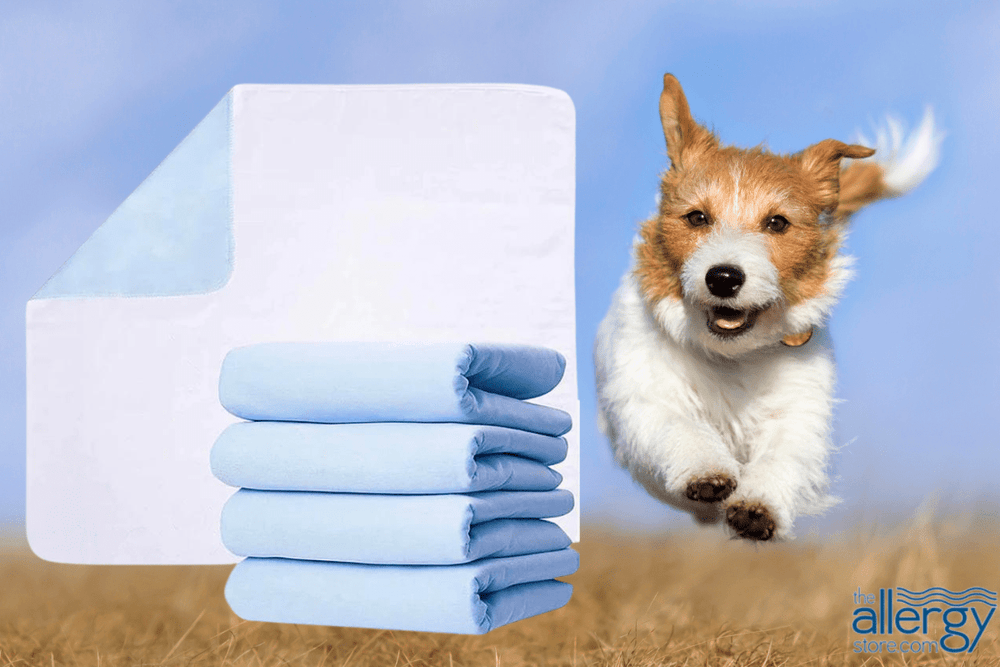
Puppy pads come in different varieties, each designed to meet specific needs. Some have a strong adhesive backing to keep them in place, which is helpful if your pup tends to scratch or move the pad around.
Others include odor control layers that help neutralize smells, making your home fresher. There are also eco-friendly pads made from biodegradable materials, which might appeal if you want to minimize environmental impact.
Think about your puppy’s behavior and your priorities—do you need extra absorbency, odor control, or something that stays put? Your choice can affect how quickly your pup learns and how comfortable you feel during training.
Size And Absorbency
Size matters. A pad that’s too small may lead to frequent misses and messes, frustrating both you and your puppy. Bigger pads provide more space for your pup to aim and reduce cleanup time.
Absorbency is equally important. Some pads can hold several ounces of liquid, which is great if your puppy drinks a lot or tends to go multiple times before you can change the pad. Others are thinner and better suited for small breeds or less frequent use.
Ask yourself: how often can you realistically change the pads? If you can’t check often, opt for higher absorbency. This keeps your space cleaner and your puppy more comfortable.
Placement Tips
Where you place the puppy pad impacts your dog’s success. Pick a quiet, low-traffic area where your puppy feels safe and isn’t distracted. Consistency is key—keep the pad in the same spot until your dog is fully trained.
Avoid placing pads near your puppy’s food and water bowls, as dogs usually prefer to keep these areas separate. Try to place the pad on a hard surface rather than carpet, which can soak up accidents and make cleaning harder.
Have you noticed your dog’s favorite corners or spots for going? Use those insights to guide pad placement. Your pup’s natural habits can help speed up the training process.
Preparing Your Space
Setting up the right environment is key to helping your dog learn to use puppy pads quickly and confidently. Your space should be inviting and consistent, so your dog understands exactly where to go. This section breaks down how to prepare your area effectively.
Designated Training Area
Pick a quiet corner or room where your puppy can easily access the pads. This spot should be away from their eating and sleeping areas to avoid confusion. By keeping the pads in the same place, your dog starts associating that area with potty time.
Use a washable mat or tray under the pads to protect your floor and keep things tidy. If you have a small apartment, sectioning off a part of a room with baby gates works well. The goal is to make the training zone clear and consistent every day.
Minimizing Distractions
Dogs learn best when they can focus. Turn off the TV, keep other pets away, and avoid noisy spots during training sessions. If your puppy gets distracted, they might miss the cue to use the pads.
Think about what usually grabs your dog’s attention. Is it the doorbell, toys, or people moving around? Try to control these interruptions so your puppy can concentrate on the new habit.
Have you noticed how your dog behaves when there’s too much noise? Adjusting your environment can make a big difference in how fast they learn.
Introducing Puppy Pads To Your Dog
Place the puppy pad in a quiet, easy-to-reach spot. Encourage your dog to use it by praising and rewarding each time they go there. Consistent training helps your dog learn quickly and prevents accidents around the house.
Introducing puppy pads to your dog might seem like a daunting task, but with the right approach, it can be a seamless experience. Puppy pads are a great tool for house training, especially if you live in an apartment or have limited access to outdoor spaces. The key is to make the introduction positive and stress-free for your pup.Encouraging Exploration
Place the puppy pad in a designated area where your dog can explore without distractions. Allow your dog to sniff and investigate the pad naturally. You might notice that your dog is curious, or even a bit hesitant, which is completely normal. Encourage this exploration by spending time near the pad with your dog. Sit with them, talk to them gently, and let them approach the pad at their own pace. If your dog seems reluctant, try placing a favorite toy or treat near the pad to draw them in.Using Positive Reinforcement
Once your dog starts to show interest in the pad, it’s time to bring in positive reinforcement. Praise your dog enthusiastically every time they step onto the pad. This helps them associate the pad with positive experiences. Use treats as a reward when your dog uses the pad correctly. Consistency is crucial here; be sure to reward your dog immediately after they use the pad. Have you ever tried keeping a few treats in your pocket just for this purpose? It can be a game-changer in reinforcing good habits. Remember, patience is your best friend during this process. What steps can you take today to ensure your dog feels comfortable and confident with their new potty routine?
Credit: zigzag.dog
Establishing A Routine
Establishing a routine is key to helping your dog learn to use puppy pads effectively. Dogs thrive on consistency, and a predictable schedule helps them understand when and where they should go. Setting clear patterns not only eases your training efforts but also reduces accidents and stress for both you and your pet.
Scheduled Potty Breaks
Set specific times during the day for your dog to use the puppy pads. Puppies often need to go after waking up, eating, or playing, so these moments are perfect for scheduled breaks.
Try taking your dog to the pad every 2-3 hours initially. This repetition builds a habit and helps your dog associate the pad with potty time.
Keep a consistent location for the pad. Changing spots can confuse your dog and slow down the learning process.
Recognizing Signs
Pay attention to your dog’s behavior to catch signs they need to go. Look for sniffing, circling, or sudden restlessness.
When you notice these signs, gently guide your dog to the puppy pad immediately. This helps them connect the feeling with the proper place.
Have patience; some dogs take longer to show clear signals. Your job is to stay observant and respond quickly.
Handling Accidents Effectively
Handling accidents effectively is a key part of training your dog to use puppy pads. Accidents happen, especially in the early stages. How you respond can shape your dog’s behavior and learning speed. Staying calm and consistent helps your dog understand what is expected.
Cleaning Techniques
Clean accidents quickly to remove all smells. Use an enzymatic cleaner designed for pet stains. These cleaners break down urine and prevent your dog from smelling old spots. Avoid using ammonia-based cleaners. Ammonia smells like urine and may encourage more accidents.
Blot the area with paper towels first. Then spray the enzymatic cleaner and let it sit. Wipe the spot again after a few minutes. Repeat if the smell remains. Keep the area dry before your dog returns.
Avoiding Punishment
Never punish your dog for accidents. Dogs do not connect punishment with the accident itself. Punishment can cause fear and confusion. This can slow down training and harm your bond.
Instead, focus on praise when your dog uses the pad correctly. Reward good behavior with treats and kind words. Redirect your dog calmly to the puppy pad after an accident. Patience and positive reinforcement make training easier and more effective.
Gradual Transition And Consistency
Training your dog to use puppy pads takes patience and a steady approach. A gradual transition paired with consistent habits helps your dog understand where and when to go. Without consistency, your pup might get confused, slowing down the training process.
Reducing Pad Usage
Start by slowly decreasing the number of pads in your home. If you have multiple pads, remove one every few days. This forces your dog to focus on the remaining pads without overwhelming them.
Move the remaining pad closer to the door each time you remove one. This guides your dog to associate potty time with going outside eventually. Have you noticed how your dog reacts when the pad location changes? Their behavior gives clues if you need to slow down the process.
Maintaining Training Habits
Consistency in your routine is crucial. Take your dog to the pad at the same times every day, such as after meals or naps. Praise and reward them immediately after they use the pad correctly.
Keep a close eye on your dog’s cues. If they circle or sniff around, gently guide them to the pad. Your quick response reinforces good habits and helps prevent accidents.
What small changes can you make to your daily routine to improve your dog’s learning curve? Sometimes, adjusting timing or your tone of voice can make a big difference.
Common Challenges And Solutions
Training your dog to use puppy pads can be tricky. You might face some common challenges that slow down progress or cause frustration. Understanding these issues helps you address them quickly and keep your training on track.
Pad Avoidance
Some dogs simply refuse to step on the puppy pads. They might avoid the pad because it feels different or smells unfamiliar.
Try moving the pad gradually closer to the door or outside area your dog usually prefers. This helps them associate the pad with the right spot. You can also reward your dog with treats and praise every time they approach or step on the pad.
If your dog is still avoiding the pad, consider changing the brand or type. Some dogs dislike the texture or scent of certain pads. Have you noticed if your dog prefers a softer or more absorbent pad?
Chewing Or Playing With Pads
Some puppies see the pads as toys and start chewing or tearing them apart. This behavior can delay potty training and create a mess.
Distract your dog with chew toys or interactive play when they show interest in the pad. You can also place the pad in a spot where your dog can’t easily reach it with their mouth but can still use it for bathroom breaks.
Using pads with a bitter spray designed to deter chewing can be effective. If your dog continues to chew, increasing supervision during training sessions is essential. Have you tried redirecting your dog’s attention immediately when they start chewing the pad?

Credit: www.amazon.com
Frequently Asked Questions
How Long Does It Take To Train A Dog With Puppy Pads?
Training duration varies by dog, but most learn within 1 to 3 weeks. Consistency and positive reinforcement speed up the process. Regularly placing the dog on the pad helps build the habit quickly.
What Is The Best Way To Introduce Puppy Pads?
Start by placing the pad in a quiet, accessible area. Encourage your dog to use it after meals and naps. Praise and reward your dog immediately after using the pad to reinforce positive behavior.
How Often Should I Change Puppy Pads During Training?
Change puppy pads frequently, at least once or twice daily. This keeps the area clean and encourages your dog to use the pad consistently. A clean pad also prevents bad odors and accidents outside the pad area.
Can All Dog Breeds Use Puppy Pads Effectively?
Yes, most dog breeds can learn to use puppy pads. Small and indoor dogs benefit most, but training depends on the dog’s temperament and consistency. Some larger dogs may prefer outdoor potty training instead.
Conclusion
Training your dog to use puppy pads takes time and patience. Stay consistent with your routine every day. Praise your dog when it uses the pad correctly. Keep the pads in the same spot to avoid confusion. Watch for signs your dog needs to go.
Clean accidents gently and don’t punish your dog. Remember, small steps lead to good habits. Soon, your dog will feel comfortable using the pads. This makes life easier for both of you. Keep practicing, and enjoy the process together.