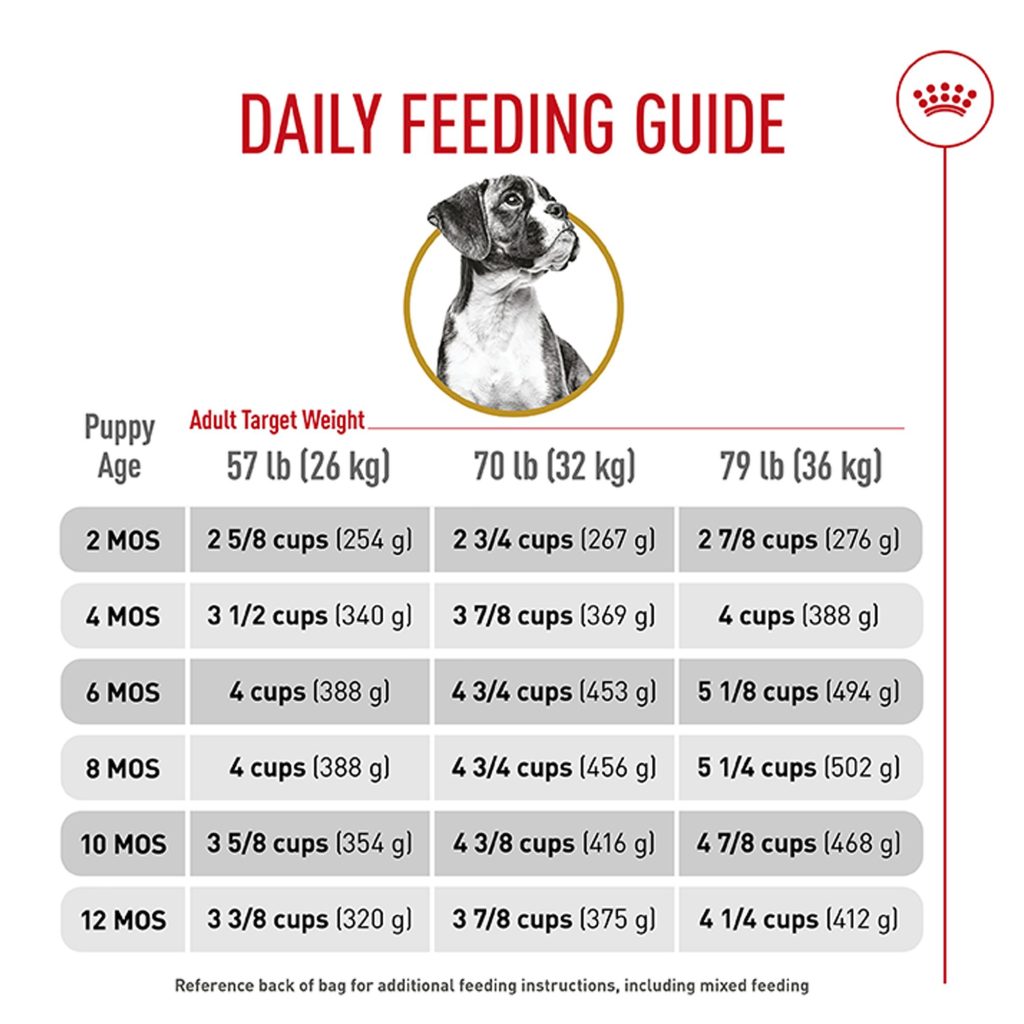

Choosing the right food for your dog can feel confusing, especially when you see labels like “adult,” “senior,” or “puppy.” You might wonder, “At what age should I switch to adult dog food?” Feeding your dog the right food at the right time is key to keeping them healthy and happy. This guide will help you understand exactly when your furry friend needs adult dog food and why it matters.
Keep reading to make sure you’re giving your dog the best nutrition every step of the way.
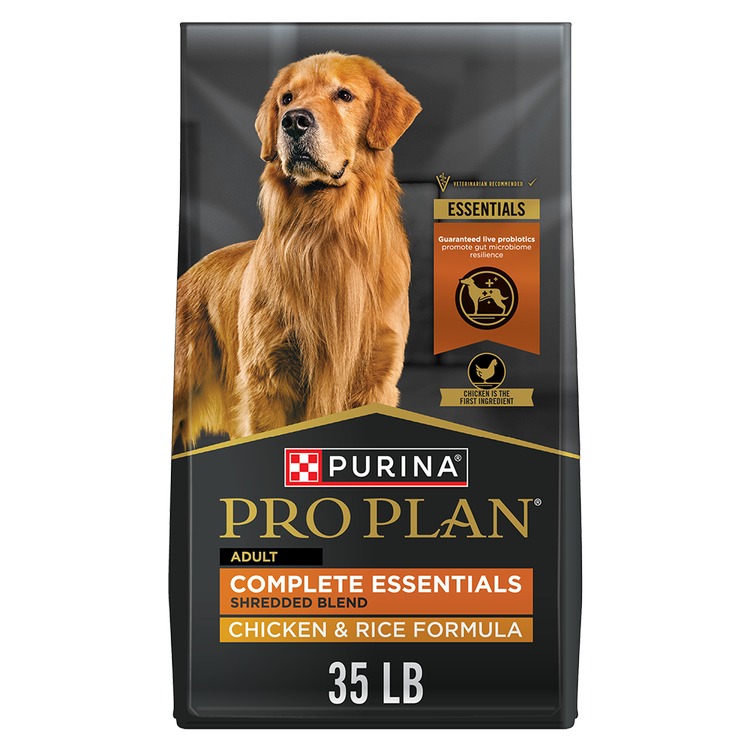
Credit: www.purina.com
Choosing Food By Life Stage
Choosing the right food for your dog means matching their diet to their life stage. Each phase—puppy, adult, and senior—has different nutritional needs that affect health and energy. Understanding these needs helps you support your dog’s growth, maintenance, and aging with the right ingredients and nutrients.
Puppy Nutrition Needs
Puppies require food rich in protein and fat to fuel rapid growth and development. Their diet should include DHA, an omega-3 fatty acid that supports brain and eye health.
Feeding puppies smaller, frequent meals helps maintain steady energy levels. Avoid adult dog food at this stage—it lacks the nutrients puppies need to build strong bones and muscles.
Adult Dog Diet Essentials
Adult dogs need a balanced diet that maintains their weight and supports daily activity. Protein remains important, but the focus shifts to quality and digestibility.
Look for food with moderate fat and added antioxidants to keep your dog’s immune system strong. You might notice your dog’s appetite changes; adjusting portion sizes can prevent weight gain or loss.
Senior Dog Food Considerations
Older dogs often have slower metabolisms and reduced activity. Their food should be lower in calories but rich in fiber to aid digestion.
Joint-supporting ingredients like glucosamine and omega-3s become crucial at this stage. Have you observed changes in your senior dog’s energy or mobility? Tailoring their diet can make a significant difference.
Key Nutrients For Adult Dogs
Adult dogs need a balanced diet to stay healthy and active. Their food must include key nutrients that support body functions and energy levels. These nutrients help maintain muscles, coat, digestion, and overall wellbeing.
Proteins And Amino Acids
Proteins build and repair tissues in an adult dog’s body. Amino acids, the building blocks of proteins, are essential for muscle maintenance. High-quality protein sources include chicken, beef, fish, and eggs. A diet rich in proteins supports strong muscles and healthy organs.
Fats And Fatty Acids
Fats provide energy and help absorb vitamins. Essential fatty acids like omega-3 and omega-6 keep skin healthy and coat shiny. They also reduce inflammation and support brain function. Good fat sources include fish oil, flaxseed, and chicken fat.
Carbohydrates And Fiber
Carbohydrates supply energy for daily activities. Fiber aids digestion and promotes healthy bowel movements. Whole grains, vegetables, and fruits are great sources of fiber and carbohydrates. Balanced carbs prevent weight gain and support gut health.
Vitamins And Minerals
Vitamins help with immune function, vision, and bone strength. Minerals like calcium and phosphorus build strong bones and teeth. Dogs need vitamins A, D, E, and B-complex for overall health. Proper mineral balance keeps the heart and muscles working well.
Special Dietary Requirements
Adult dogs have special dietary requirements as they age. These needs vary greatly, influenced by factors such as weight, allergies, and breed. Understanding these dietary needs helps maintain your dog’s health and happiness.
Weight Management
Some adult dogs struggle with maintaining a healthy weight. Overweight dogs face health risks like diabetes and joint issues. A diet rich in protein and fiber helps manage weight effectively. Low-calorie dog foods can prevent unnecessary weight gain. Regular exercise complements a weight management diet.
Allergies And Sensitivities
Many adult dogs develop food allergies and sensitivities. Common triggers include beef, dairy, and wheat. Identifying these allergens is crucial for your dog’s comfort. A hypoallergenic diet reduces allergic reactions. Grain-free and limited ingredient foods cater to sensitive dogs. Always consult a vet before making dietary changes.
Breed-specific Needs
Different dog breeds have unique nutritional requirements. Large breeds may need glucosamine for joint health. Small breeds benefit from calorie-dense foods due to their fast metabolism. Some breeds are prone to heart issues and require omega-3 fatty acids. Tailoring your dog’s diet to its breed promotes overall health.

Credit: www.amazon.com
Reading Dog Food Labels
Reading dog food labels can feel overwhelming at first. But it’s your best tool to choose the right adult dog food for your furry friend’s age and needs. Understanding the details on the package helps you spot quality nutrition and avoid misleading claims.
Identifying Quality Ingredients
Look beyond the fancy packaging and check the ingredient list carefully. The first few ingredients should be real meat or named protein sources like “chicken,” “beef,” or “salmon.” Avoid vague terms like “meat meal” or “animal by-products,” which don’t tell you much about the actual content.
Grains like brown rice or oats provide good energy, but some dogs do better with grain-free options. Also, watch for added sugars or artificial fillers—these offer little nutritional value and can harm your dog’s health over time.
Understanding Guaranteed Analysis
This section lists the percentages of protein, fat, fiber, and moisture in the food. It gives you a quick snapshot of the food’s nutritional balance. For adult dogs, a protein content of around 18-25% is usually recommended to support muscle maintenance and energy.
Fat levels typically range between 8-15%, providing essential fatty acids and calories. High fiber content might be good for digestion, but too much can reduce nutrient absorption. Use these numbers to compare brands and find what fits your dog’s lifestyle best.
Recognizing Marketing Terms
Words like “natural,” “premium,” or “holistic” catch your eye but don’t have strict definitions regulated by authorities. “Natural” usually means no artificial colors or preservatives, but it doesn’t guarantee quality ingredients.
Terms such as “complete and balanced” indicate the food meets standards set by the Association of American Feed Control Officials (AAFCO). Look for this phrase to ensure your dog gets all essential nutrients. Always question claims and cross-check with the ingredient list and analysis to make smart choices.
Homemade Vs Commercial Food
Choosing the right food for adult dogs involves two main options: homemade meals and commercial brands. Each choice offers unique benefits and challenges. Understanding these differences helps dog owners make better feeding decisions. Both options aim to provide balanced nutrition but vary in preparation, cost, and convenience.
Pros And Cons Of Homemade Meals
Homemade meals allow control over ingredients and freshness. Owners can tailor recipes to meet their dog’s specific needs. This option avoids artificial additives and preservatives common in some commercial foods.
- Pros:
- Customizable nutrition
- Fresh ingredients
- No artificial chemicals
- Cons:
- Time-consuming preparation
- Risk of nutrient imbalance
- Requires knowledge of dog nutrition
Evaluating Commercial Brands
Commercial dog food offers convenience and consistent nutrition. Many brands meet strict quality and safety standards. They come in various formulas for different dog sizes and health needs.
- Pros:
- Easy to store and serve
- Balanced nutrients
- Wide availability
- Cons:
- May contain fillers or additives
- Less ingredient transparency
- Some dogs may not like the taste
Balancing Convenience And Nutrition
Finding a balance between homemade and commercial food suits many dog owners. Combining both can provide fresh ingredients with reliable nutrition. Planning meals ahead reduces stress and saves time.
- Mix homemade treats with commercial meals
- Consult a vet for diet advice
- Monitor your dog’s health and energy
Credit: dogsauce.co
Transitioning To Adult Dog Food
Switching your dog from puppy to adult food is an important step in their growth journey. This change supports their evolving nutritional needs and helps maintain their health. Knowing how and when to make this switch can prevent digestive issues and keep your dog happy and energetic.
When To Make The Switch
The right time to switch depends on your dog’s breed and size. Smaller breeds usually need adult food by 9 to 12 months, while larger breeds might benefit from waiting until 12 to 18 months. Watch for signs like slowing growth or changes in energy levels as clues that your dog is ready.
Gradual Transition Tips
Sudden changes can upset your dog’s stomach. Mix a small amount of adult food with their current puppy food and slowly increase the adult food over 7 to 10 days. This gentle transition helps their digestive system adjust without discomfort.
- Start with 25% adult food and 75% puppy food.
- Increase to 50% adult food by day 4 or 5.
- Shift to 75% adult food by day 7.
- Feed 100% adult food by day 10.
Monitoring Your Dog’s Response
Keep a close eye on your dog during the transition. Look out for changes in stool consistency, appetite, and energy levels. If you notice diarrhea, vomiting, or lethargy, slow down the transition or consult your vet to adjust the plan.
Have you ever experienced a difficult food switch with your dog? What signs helped you know you were on the right track? Your observations can guide you to make the best choice for your furry friend.
Common Feeding Mistakes
Feeding an adult dog may seem simple, but many pet owners make common mistakes. These errors can affect your dog’s health and happiness. Learning what to avoid helps keep your dog strong and fit. Here are the frequent feeding mistakes to watch out for.
Overfeeding And Obesity
Giving too much food is a common problem. Overfeeding leads to weight gain and obesity. Obese dogs face health issues like joint pain and heart problems. Portion control is key. Follow the food package guidelines or consult your vet. Avoid feeding too many treats or scraps from the table.
Ignoring Life Stage Changes
Dogs’ nutritional needs change as they age. Adult dog food suits dogs between one and seven years old. Feeding puppy or senior food at the wrong age can cause health problems. Watch for signs your dog is growing older. Adjust their diet to match their current life stage for best results.
Neglecting Water Intake
Water is essential for a dog’s health. Many owners forget to provide fresh water constantly. Dehydration can cause serious health issues. Always keep a clean bowl filled with water. Increase water availability during hot weather or after exercise. Proper hydration supports digestion and energy levels.
Frequently Asked Questions
What Age Is Considered Adult For Dog Food?
Adult dog food is typically for dogs aged 1 to 7 years. This range suits dogs after puppyhood but before senior stages. Nutritional needs stabilize during this period, requiring balanced protein and fat levels. Always check your dog’s breed and size for specific age guidelines.
When Should I Switch My Dog To Adult Food?
Switch to adult dog food when your dog turns one year old. Small breeds may transition earlier, around 9-12 months. Large breeds might need adult food later, around 12-18 months. Consult your vet to ensure the change fits your dog’s growth and health.
Why Is Adult Dog Food Different From Puppy Food?
Adult dog food has fewer calories and less fat than puppy food. It supports maintenance rather than growth, balancing nutrients for energy and health. Puppy food focuses on development with higher protein and fat. Feeding adult food to puppies can hinder their growth.
Can Senior Dogs Eat Adult Dog Food?
Senior dogs can eat adult dog food, but special formulas are better. Senior dog food has adjusted nutrients for joint support and lower calories. If your dog is healthy and active, adult food might suffice. Consult your vet for the best dietary choice.
Conclusion
Choosing the right adult dog food keeps your pet healthy and happy. Dogs need different nutrients as they grow older. Feeding the correct food supports their energy and body functions. Watch your dog’s behavior and health for signs of change.
Adjust food types or amounts if needed. Always pick balanced meals made for adult dogs. This helps them live longer and feel better every day. Caring for your dog’s diet shows you love them. Simple steps make a big difference in their life.