You love your puppy and want to give them the best care possible. One important question is: when should your dog start eating adult dog food?
Making this switch at the right time can impact your dog’s health, energy, and happiness. If you get it wrong, you might risk digestive problems or miss out on key nutrients your dog needs to grow strong. Keep reading to discover the signs to watch for and how to make this change smoothly for your furry friend.
Your dog’s well-being depends on it!
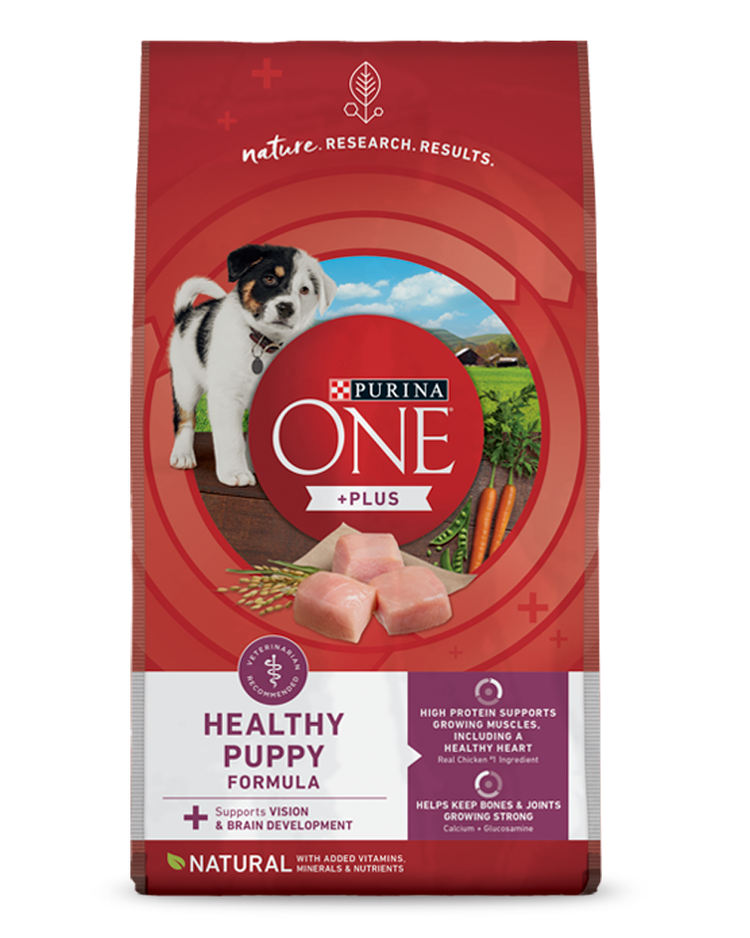
Credit: www.purina.com
Puppy Growth Stages
Understanding your puppy’s growth stages is key to knowing the right time to switch to adult dog food. Each phase of development requires specific nutrients and feeding strategies to support healthy growth. Watching your puppy closely will help you spot when they’re ready for new food and new challenges.
From Newborn To Weaning
Newborn puppies rely entirely on their mother’s milk for nutrition. This milk provides all the energy and antibodies they need to build a strong immune system. During this period, your main job is to ensure the mother is healthy and well-fed, as her diet directly affects the puppies.
Between two to four weeks, puppies start showing signs of independence. They begin to explore their surroundings and may attempt to nibble on soft foods. This is a natural step toward weaning but not the time for a full diet change yet.
Transition To Solid Food
As your puppy approaches four weeks old, you can start introducing solid food. Begin with a mushy mix made from high-quality puppy food softened with water or puppy formula. This gradual shift helps their digestive system adjust without causing upset.
Notice how your puppy responds to the new textures and flavors. Some puppies may take to solid food quickly, while others need more time. Patience here pays off, as rushing can lead to digestive problems or refusal to eat.
Have you observed your puppy’s eating habits closely? Catching these subtle changes helps you decide exactly when to switch to adult dog food later on. Remember, the transition should feel natural, not forced.
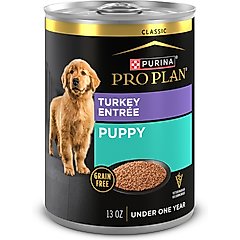
Credit: www.chewy.com
Age Benchmarks For Switching
Understanding the right time to switch your dog to adult food is key to their health. Age benchmarks help guide this decision. These benchmarks vary by breed and size. Paying attention to these signs ensures your dog gets the right nutrients at the right time.
Typical Age Range
Most dogs start adult food between 9 and 12 months old. Smaller breeds often switch closer to 9 months. Larger breeds may need puppy food until 12 to 18 months. This range supports steady growth and development. Watch your dog’s behavior and growth for clues.
Breed Size Considerations
Small breeds mature faster than large breeds. Their growth plates close earlier. Large and giant breeds take longer to grow fully. Switching too early can cause nutritional gaps. Tailor the switch to your dog’s breed size for best results.
Behavioral Signs
Puppies may start eating adult dog food when they show less interest in puppy meals. They might also eat larger portions and seem more active and curious. Changes in chewing habits or appetite can signal it’s time to switch their diet.
Recognizing when your dog is ready to transition to adult dog food can be a blend of science and observation. One of the most telling indicators involves observing your dog’s behavior. Dogs, just like humans, exhibit behavioral signs that suggest their nutritional needs are changing. Paying attention to these signs will help you make informed decisions about your dog’s diet.Increased Appetite
An increased appetite is often a clear sign your dog might need more than just puppy food. As dogs mature, their bodies demand more energy, prompting them to seek out additional food. You may notice your dog finishing meals faster or begging for more treats. This change is usually a sign that their body is gearing up for adulthood. So, be prepared to adjust portion sizes and possibly transition to adult dog food.Change In Energy Levels
A change in energy levels can also signal that it’s time for a dietary shift. Puppies are typically bundles of energy, but as they grow, their energy levels may stabilize. If your dog seems less hyperactive and more settled, it could be a sign that they are maturing. Adult dog food is formulated to sustain this new energy balance. It offers the right blend of nutrients to match their adult lifestyle. Have you noticed your dog lounging more than usual, or perhaps taking longer naps? These could be subtle cues that a change in diet is on the horizon. Understanding these behavioral signs will not only ensure your dog gets the nutrition they need but also strengthen your bond. Are you ready to make the shift to adult dog food?Physical Changes
Physical changes in puppies signal the right time to switch to adult dog food. These changes show that your dog is growing and needs different nutrients. Watching these signs helps you feed your dog properly for their health and energy.
Teeth Development
Puppies start losing their baby teeth around 3 to 6 months old. Adult teeth replace the smaller, sharper puppy teeth. This change means their mouth can handle harder food textures. Adult dog food is usually less soft and has more crunch. It helps keep their new teeth clean and strong.
By 6 months, most puppies have a full set of adult teeth. Feeding adult dog food after this helps with proper chewing. It also supports healthy gums and jaw development. Watch for loose or missing teeth as a sign your puppy is ready.
Body Weight And Size
Puppies grow quickly in size and weight during their first year. Their bodies become stronger and need more calories for maintenance. When your puppy reaches about 80% of their adult weight, it’s time to switch foods. This usually happens between 9 to 12 months old.
Different dog breeds grow at different rates. Large breeds may need to stay on puppy food longer to support bone growth. Smaller breeds often switch earlier. Knowing your dog’s growth pattern helps decide the right feeding time.
Nutritional Needs Shift
As your puppy grows, their diet needs to change to match their developing body. The shift from puppy food to adult dog food is more than just a meal swap—it’s a crucial adjustment to meet their new nutritional requirements. Understanding how these needs evolve helps you make smarter choices for your dog’s health and energy.
Caloric Requirements
Puppies burn a lot of calories because they are growing rapidly and staying active. As they approach adulthood, their energy needs start to level off. Feeding them the same high-calorie puppy food can lead to unwanted weight gain.
Adult dog food is formulated with fewer calories to match their slower metabolism. Have you noticed your dog slowing down after their first year? That’s a clear sign to adjust their calorie intake. Keeping calories balanced helps maintain a healthy weight and prevents future health problems.
Protein And Nutrient Adjustments
Protein is vital for growth, so puppy food contains higher levels to support muscle development. Once your dog stops growing, their protein needs decrease slightly but remain important for muscle maintenance.
Adult dog food usually has moderate protein levels and focuses more on other nutrients like fiber and vitamins. For example, foods rich in antioxidants support your dog’s immune system as they mature. Have you checked the nutrient labels on your dog’s food lately? Adjusting protein and nutrients ensures your dog stays strong and healthy without overloading their system.

Credit: www.borrowmydoggy.com
Veterinarian Recommendations
Veterinarians play a crucial role in guiding you on the right time to switch your dog to adult food. Their advice is based on your pet’s unique health needs and developmental stage. Trusting their recommendations ensures your dog’s diet supports overall well-being and longevity.
Health Assessments
Regular health check-ups help your vet determine if your dog is ready for adult food. They look at factors like weight, growth rate, and energy levels. Sometimes, a puppy may need adult food earlier or later than usual, depending on health conditions.
For example, a vet may delay the switch if your dog has digestive issues or is underweight. On the other hand, large breed dogs might need a slower transition to avoid growth problems. Have you noticed any changes in your dog’s behavior or appetite? These details can guide your vet’s advice.
Customizing Diet Plans
Your vet can tailor a diet plan that fits your dog’s breed, size, and activity level. Adult dog food isn’t one-size-fits-all; what works for a small breed might not suit a large or active dog. Vets consider specific nutrients and calorie needs to keep your dog healthy.
They might recommend mixing puppy and adult food during the transition to avoid digestive upset. Plus, vets often suggest the best feeding schedule and portion sizes. Have you discussed your dog’s daily routine and energy needs with your vet? This can make a big difference in choosing the right adult food.
How To Transition Safely
Transitioning your dog to adult food requires care and patience to avoid upsetting their stomach. Abrupt changes can cause digestive issues, making the process uncomfortable for your furry friend. A smooth transition helps maintain their health and keeps mealtime enjoyable.
Gradual Food Mixing
Start by mixing a small amount of adult dog food with your puppy’s current food. Increase the adult food portion slowly over 7 to 10 days until it completely replaces the puppy food.
- Day 1-3: 25% adult food, 75% puppy food
- Day 4-6: 50% adult food, 50% puppy food
- Day 7-9: 75% adult food, 25% puppy food
- Day 10 onwards: 100% adult food
This gradual approach lets your dog’s digestive system adjust without shock. Have you noticed how dogs can be sensitive to sudden food changes? This method helps you avoid those common issues.
Monitoring Digestive Health
Keep a close eye on your dog’s stool, appetite, and energy levels during the transition. Loose stools, vomiting, or lack of interest in food can signal that the switch is too fast or the new food isn’t agreeing with them.
If you spot any of these signs, slow down the transition or consult your vet. Remember, your dog’s comfort is key—don’t rush the process just to finish the change quickly.
Signs To Delay Switching
Knowing when to switch your dog to adult food is important, but sometimes delaying the change is the better choice. Certain signs from your dog can tell you that it’s not the right time yet. Paying close attention to these signals can help keep your furry friend healthy and happy.
Growth Concerns
If your dog is still growing or appears smaller than average for its breed and age, hold off on switching to adult food. Puppies need extra nutrients to support their development, especially large breeds that grow slowly. Switching too soon can stunt growth or cause nutritional gaps.
Watch for signs like persistent thinness, lack of energy, or delayed milestones such as teething or weight gain. Ask yourself, is your dog meeting typical growth benchmarks? If not, keep feeding puppy food until your vet confirms it’s safe to switch.
Digestive Issues
Digestive problems can be a clear sign to delay the food transition. If your dog experiences diarrhea, vomiting, or constipation around mealtime, their digestive system might not be ready for adult food yet.
Switching diets abruptly can worsen these issues. Gradually introduce new food only after your dog’s stomach settles. Sometimes, a vet might recommend a special diet or supplements to ease this transition.
Have you noticed your dog’s tummy acting up after meals? It might be worth waiting and consulting a professional before making the switch.
Frequently Asked Questions
When Should Puppies Switch To Adult Dog Food?
Puppies should switch to adult dog food around 12 months old. Larger breeds may transition closer to 18-24 months. This timing ensures they receive proper nutrients for growth and maintenance.
How To Know If My Dog Needs Adult Food?
Signs include slowed growth, reduced energy needs, and weight stabilization. Consult your vet to determine the best time to switch to adult food.
Can Feeding Adult Food Too Early Harm My Dog?
Yes, feeding adult food too early can cause nutrient deficiencies. Puppies require higher protein and fat for growth, which adult food may lack.
What Are Benefits Of Adult Dog Food For Mature Dogs?
Adult dog food supports maintenance, balanced nutrition, and healthy weight. It contains fewer calories and adjusted nutrients to meet adult dogs’ needs.
Conclusion
Choosing the right time for your dog to eat adult food matters a lot. Puppies grow fast and need special nutrition. Most dogs switch to adult food around one year old. Watch your dog’s size, energy, and health closely. Talk to your vet for advice tailored to your pet.
Feeding adult food too early or late can cause problems. A smooth change helps your dog stay happy and healthy. Trust your pet’s needs and act with care. Simple steps lead to a strong, joyful dog life.