
Are you unsure about how much food your inactive adult dog really needs each day? Feeding your dog the right amount is more important than you might think.
Too much food can lead to weight gain and health problems, while too little can leave your furry friend hungry and weak. You’ll discover clear, simple guidelines to help you find the perfect daily portion for your dog’s unique needs.
Keep reading to make sure your dog stays healthy, happy, and full of energy—even without much activity.
Daily Calorie Needs
Daily calorie needs are vital for maintaining your inactive adult dog’s health. Dogs that do not move much still require energy for body functions. This energy comes from the calories in their food. Feeding the right amount helps avoid weight gain or loss. Understanding calorie needs prevents health issues and keeps your dog comfortable.
Factors Affecting Calorie Requirements
Several factors influence how many calories an inactive dog needs daily. These include:
- Body weight – heavier dogs need more calories.
- Age – older dogs often need fewer calories.
- Breed – some breeds burn calories faster than others.
- Health status – illness can change energy needs.
- Neutering – spayed or neutered dogs usually need fewer calories.
Each dog is unique. Adjust feeding based on these factors.
Calculating Resting Energy Requirement
Resting Energy Requirement (RER) is the basic calorie amount for an inactive dog. It covers essential body functions like breathing and digestion.
Use this formula to find RER:
| Formula | Explanation |
|---|---|
| RER = 70 × (Body Weight in kg)0.75 | Calculates energy needed at rest |
For example, a 10 kg dog’s RER is 70 × 100.75= about 394 calories.
This number helps decide daily food portions. Adjust based on activity and health.
Portion Sizes By Dog Weight
Knowing the right portion size for your inactive adult dog can prevent overeating and keep them healthy. Portion sizes vary mainly by your dog’s weight, which affects their daily energy needs. Let’s look at how much food you should offer based on whether your dog is small, medium, or large breed.
Small Breeds
Small dogs, like Chihuahuas or Dachshunds, usually weigh under 20 pounds. Because of their size, they need less food but more frequent meals to keep their metabolism steady.
A typical inactive small breed requires about 1/4 to 3/4 cupof high-quality dry dog food daily. Split this into two meals to avoid stomach issues and maintain energy levels throughout the day.
Have you noticed how quickly your small dog finishes their meal? Adjusting portions little by little can help avoid weight gain without leaving them hungry.
Medium Breeds
Dogs weighing between 20 and 50 pounds fall into the medium breed category, such as Beagles or Cocker Spaniels. Their food portions increase accordingly but still need to be controlled to avoid excess weight.
For inactive medium breeds, aim for about 3/4 to 1 1/2 cupsof dry food per day. Dividing this amount into two meals helps keep their digestion smooth and energy balanced.
Consider your dog’s activity level even on lazy days—have you tried measuring their food instead of guessing? It can make a big difference in managing their weight.
Large Breeds
Large breeds like Labradors or Golden Retrievers weigh over 50 pounds and naturally require more food. But if they’re inactive, their calorie needs drop significantly.
Inactive large dogs generally need between 2 to 3 cupsof dry dog food daily, depending on their exact weight. Feeding them two meals instead of one helps prevent bloating and keeps their metabolism working well.
Are you tracking your large dog’s weight regularly? Slight portion adjustments can prevent serious health problems linked to obesity.
Choosing The Right Food
Choosing the right food is vital for an inactive adult dog’s health. Their lower activity means fewer calories are needed. Overfeeding can lead to weight gain and related health problems. The food should provide enough energy without excess fat or carbohydrates.
Quality matters more than quantity. The food must support their slower metabolism and maintain muscle mass. Nutrients should come from wholesome ingredients, not fillers.
Dry Vs. Wet Food
Dry food is convenient and helps keep teeth clean. It usually contains more calories per cup. Portion control is easier with dry kibble.
Wet food has higher moisture content. It helps keep dogs hydrated. Wet food often tastes better and can be easier to chew. It usually has fewer calories per serving but can be more expensive.
Choosing between dry and wet depends on your dog’s preferences and health. Mixing both can provide variety and balance.
Nutritional Balance For Inactive Dogs
Inactive dogs need food lower in calories but rich in nutrients. Look for formulas labeled “weight management” or “low calorie.”
- Protein should be moderate to maintain muscle strength.
- Fat content should be reduced to avoid excess weight.
- Carbohydrates should come from whole grains or vegetables.
- Fiber helps with digestion and satiety.
Essential vitamins and minerals support overall health. Omega-3 fatty acids help keep joints healthy. Avoid foods with artificial additives or fillers.
Adjusting Food Intake
Adjusting your inactive adult dog’s food intake is essential to keep them healthy without causing weight gain or nutrient deficiencies. Each dog’s metabolism and lifestyle are unique, so what worked last month might need tweaking now. Paying close attention to changes in your dog’s body and environment helps you make smarter feeding choices.
Monitoring Weight Changes
Keep a close eye on your dog’s weight by checking it regularly. You can do this at home by feeling their ribs and looking for a visible waistline. If you notice your dog gaining or losing weight unexpectedly, it’s time to adjust their food portions.
Use a simple scale or visit your vet to track weight accurately. Small weight changes over a few weeks can tell you if you’re feeding too much or too little. Don’t wait until your dog is clearly overweight or underweight—early adjustments prevent health problems.
Seasonal And Age-related Adjustments
Dogs often need different amounts of food based on the season and their age. In colder months, inactive dogs may burn a bit more energy just staying warm, so a slight increase in food might be necessary. During summer, they might eat less as their metabolism slows down.
As your dog ages, their activity level and digestion can change. Older dogs usually require fewer calories but might need more nutrients to support joint health. Consider adjusting their diet gradually and consult your vet for supplements or special food options.
Feeding Schedule Tips
Feeding an inactive adult dog requires careful planning. Establishing a proper feeding schedule ensures your dog remains healthy. It helps manage weight and supports overall well-being. Here are some tips to create an effective feeding schedule.
Meal Frequency
Offer meals twice a day for an inactive adult dog. This helps in maintaining a stable metabolism and prevents overeating. Ensure each meal is balanced with necessary nutrients.
Avoiding Overfeeding
Use a measuring cup for portion control. Avoid feeding table scraps or excessive treats. Monitor your dog’s weight regularly to adjust food portions if needed.
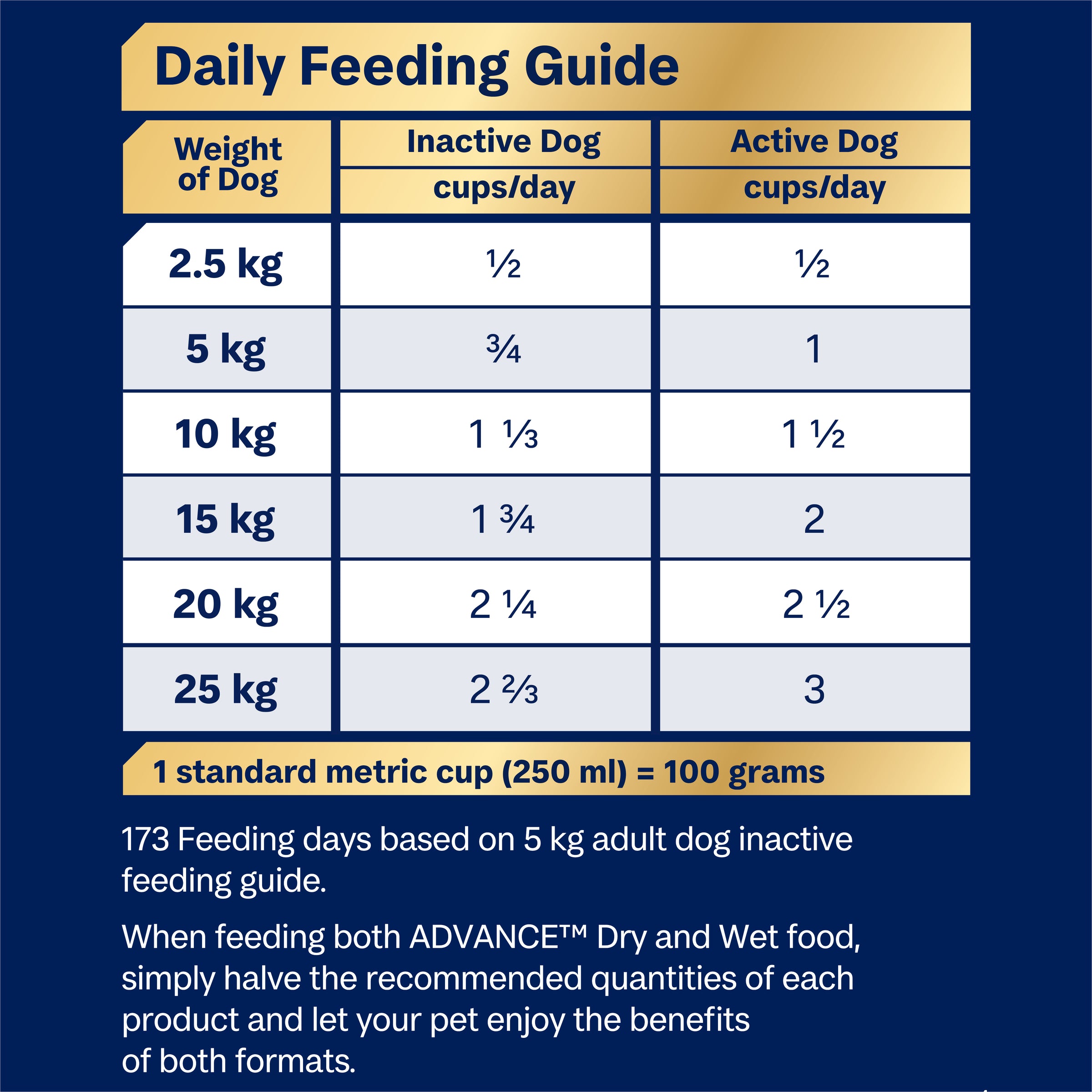
Credit: petsdomain.com.au
Common Feeding Mistakes
Feeding an inactive adult dog requires careful attention. Common mistakes can lead to weight gain and health issues. Many dog owners overlook key factors that affect proper feeding. Understanding these errors helps maintain a healthy dog weight and overall well-being.
Ignoring Activity Level
Not adjusting food based on activity can cause problems. Inactive dogs burn fewer calories. Feeding them the same amount as active dogs leads to weight gain. Overfeeding can strain joints and organs. Always consider your dog’s daily movement. Tailor portions to match their activity level. This simple step keeps your dog fit and healthy.
Treats And Snacks Impact
Treats add extra calories that many owners ignore. Small snacks can add up quickly. Too many treats cause unwanted weight gain. Treats should make up less than 10% of daily calories. Choose healthy, low-calorie options. Keep track of all snacks throughout the day. Balance treats with regular meals to avoid overfeeding.
Signs Of Overfeeding And Underfeeding
Watching for signs of overfeeding and underfeeding helps keep your dog healthy. Feeding too much or too little can cause problems. Pets need the right amount of food for their activity level and size. Recognizing early signs protects them from harm and discomfort.
Weight Gain Indicators
- Noticeable increase in body size or belly bulge
- Fat deposits around ribs and spine
- Difficulty moving or decreased energy
- Frequent panting or heavy breathing
- Clothes or collars fitting tighter than usual
Signs Of Nutritional Deficiency
- Dull or dry coat with hair loss
- Weakness or lack of stamina
- Visible ribs or thin body frame
- Frequent skin infections or irritations
- Slow healing of wounds or sores
Credit: completepetfood.co.za
Credit: www.houndsy.com
Frequently Asked Questions
How Much Food Should An Inactive Adult Dog Eat Daily?
An inactive adult dog typically needs 20-30 calories per pound daily. Portion size depends on the dog’s weight, age, and metabolism. Consult your vet for exact recommendations to avoid overfeeding and maintain healthy weight.
What Factors Affect Food Quantity For Inactive Dogs?
Factors include the dog’s weight, age, breed, metabolism, and activity level. Inactive dogs require fewer calories to prevent weight gain. Adjust food portions based on these factors for balanced nutrition.
Can Inactive Dogs Eat The Same Amount As Active Dogs?
No, inactive dogs need fewer calories than active dogs. Feeding the same amount can cause obesity and health issues. Adjust food intake to match the dog’s activity level for optimal health.
How To Measure Proper Food Portions For An Inactive Dog?
Use a kitchen scale or measuring cup to portion food accurately. Follow feeding guidelines on the dog food package and adjust based on your dog’s weight and activity. Regularly monitor your dog’s body condition.
Conclusion
Feeding an inactive adult dog needs careful attention. Give the right amount to avoid weight gain. Quality food helps keep your dog healthy. Watch your dog’s weight and adjust food as needed. Regular vet visits support your dog’s well-being. Small changes make a big difference in health.
Keep your dog happy with balanced meals daily. Caring for your pet means feeding smart and simple.