Are you wondering when the right time is to switch your furry friend from puppy food to adult dog food? Choosing the perfect moment can make a big difference in your dog’s health and happiness.
Feed them too long on puppy food, and they might gain extra weight. Switch too early, and they could miss out on important nutrients. You’ll discover the clear signs and expert tips to help you make this important transition smoothly.
Keep reading to ensure your dog stays strong, healthy, and full of energy at every stage of life.
Credit: askavet.com
Puppy Growth Stages
Puppy growth happens fast in the first year. Each stage shapes their health and behavior. Understanding these stages helps decide when to switch food. Feeding the right diet supports strong bones and a healthy immune system. Watch your puppy’s growth to meet their changing needs.
Key Development Milestones
- Birth to 3 weeks: Puppies rely on mother’s milk and start opening eyes.
- 3 to 8 weeks: Begin eating soft solid food and socializing with littermates.
- 8 to 16 weeks: Rapid growth phase; teeth develop and puppies become more active.
- 4 to 6 months: Growth slows but energy remains high; training becomes important.
- 6 to 12 months: Transition to adult size varies by breed; maturity approaches.
Nutritional Needs By Age
| Age Range | Nutritional Focus | Reason |
|---|---|---|
| 0-8 weeks | High fat and protein | Supports fast growth and brain development |
| 8-16 weeks | Balanced nutrients with added vitamins | Promotes strong bones and immune system |
| 4-6 months | Moderate calories, calcium controlled | Prevents excessive weight and supports joint health |
| 6-12 months | Gradual shift to adult nutrient levels | Prepares for maintenance diet after growth |
Signs To Switch Food
Recognizing the right time to switch from puppy to adult dog food is important for your pet’s health. Puppies grow fast and need different nutrients than adult dogs. Watching for specific signs helps you make the change smoothly and safely.
Physical Indicators
- Your dog reaches about 80% of its expected adult size.
- The coat becomes shinier and less fluffy, signaling maturity.
- Teeth appear fully developed and stronger.
- Energy levels stabilize; no more puppy bursts.
- Body shape changes from round to leaner and more muscular.
Behavioral Changes
- Your dog shows less chewing on everything around.
- Feeding habits shift; your dog may eat slower or less frequently.
- Interest in play may reduce, showing calmer behavior.
- Sleeping patterns become longer and more regular.
- Less need for constant attention and training reinforcement.
Breed And Size Considerations
Understanding when to switch from puppy to adult dog food depends on breed and size. Different breeds grow at different rates. Small breeds mature faster than large breeds. Knowing your dog’s specific needs ensures a smooth transition.
Small Breeds Timeline
Small breed puppies grow quickly. They often reach adulthood by 9 to 12 months. At this age, they have developed most of their physical characteristics. Transitioning to adult dog food is usually appropriate now. Monitor their growth and energy levels closely. Ensure they maintain a healthy weight. If unsure, consult your vet.
Large Breeds Timeline
Large breeds take longer to mature. They might not be fully grown until 18 to 24 months. During this time, their bodies need extra nutrients. Puppy food provides the necessary support. Switching too early could affect their development. Wait until your vet confirms they are ready for adult food. Large breeds have unique dietary needs. Adjust their diet accordingly for healthy growth.
Credit: www.chewy.com
Choosing The Right Adult Food
Choosing the right adult dog food is a key step in your dog’s health journey. Adult dogs need different nutrients than puppies. Their food should support steady energy and maintain a healthy weight. Quality adult dog food helps keep their coat shiny and bones strong. It also supports their immune system and digestion. Picking the correct food ensures your dog stays happy and active.
Nutrient Requirements
Adult dogs need balanced nutrients to stay healthy. Protein supports muscle maintenance and repair. Fat provides energy and helps absorb vitamins. Carbohydrates supply fuel for daily activities. Fiber aids digestion and keeps the gut healthy. Vitamins and minerals support bones, skin, and immune function.
Portion control is important to avoid weight gain. Adult dogs need fewer calories than puppies. Nutrient levels vary by breed size and activity level. Always check the food label for essential nutrients.
Types Of Adult Dog Food
There are several types of adult dog food. Each type has pros and cons to consider.
- Dry kibble:Easy to store and feed. Helps keep teeth clean.
- Canned food:High moisture content. Often more tasty and rich.
- Semi-moist food:Soft texture. Usually contains more sugar and salt.
- Raw or fresh food:Closest to natural diet. Needs careful handling.
Choose the type that fits your dog’s taste and health needs. Consult your vet for special diets or allergies.
Transitioning Tips
Switching your puppy to adult dog food needs care and patience. A smooth transition helps avoid stomach upsets. It also supports healthy growth and energy levels. Follow these tips to make the change easier for your dog.
Gradual Food Changes
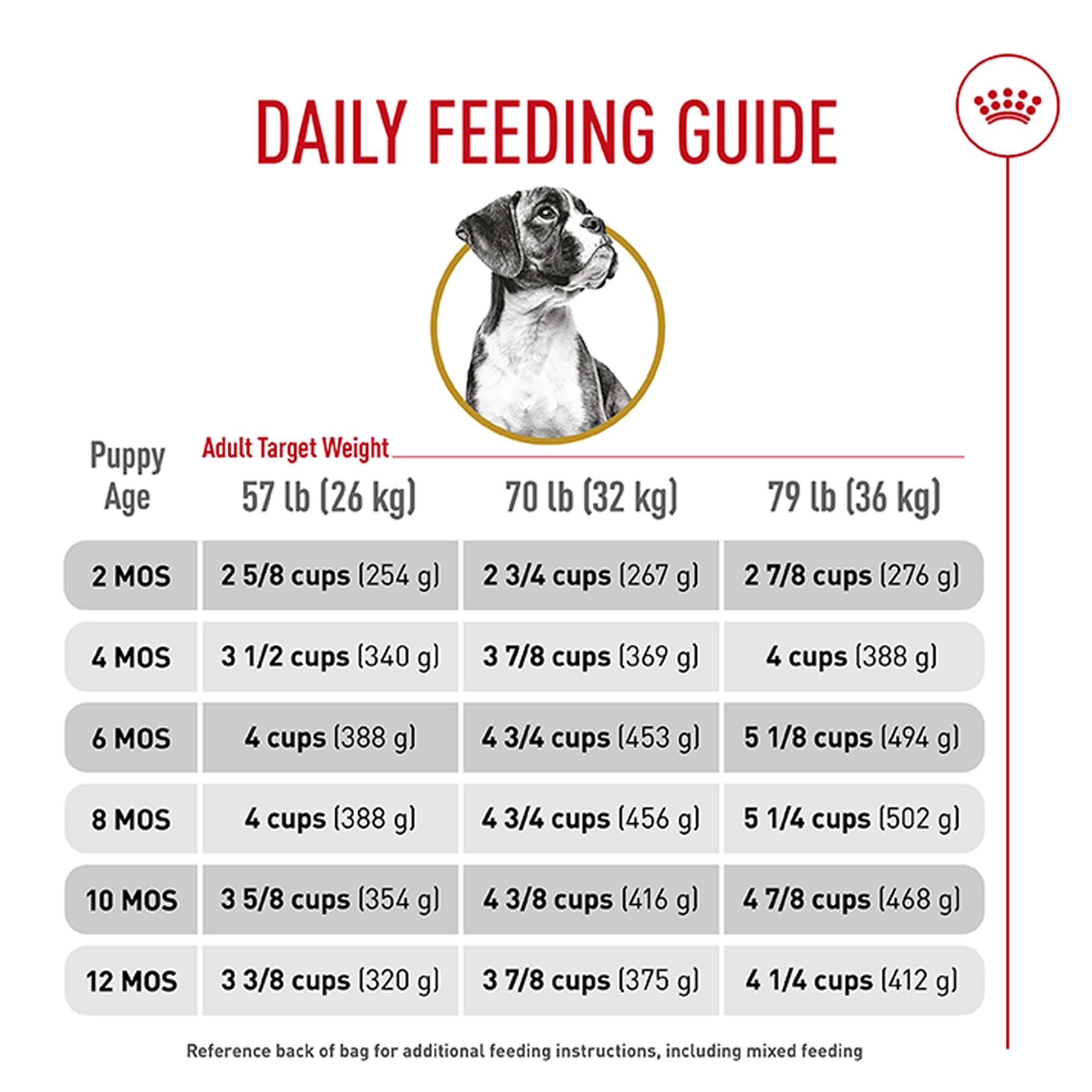
Mix the new adult food with the old puppy food. Start with 25% adult food and 75% puppy food. Increase the adult food amount every few days. By two weeks, your dog should eat only adult food. This slow change helps the stomach adjust. Sudden switches can cause vomiting or diarrhea.
Monitoring Health And Digestion
Watch your dog closely during the transition. Check for any changes in appetite or behavior. Look for signs like loose stools or constipation. Healthy digestion shows the food suits your dog. If problems last more than a few days, consult your vet. Keep your dog’s energy and coat condition in mind too.
Common Mistakes To Avoid
Choosing the right time to switch your puppy to adult dog food is crucial. Many pet owners make mistakes that can affect their dog’s health and growth. Avoiding these errors helps ensure a smooth transition and keeps your dog healthy.
Switching Too Early Or Late
Changing your puppy’s food too early can cause nutrient shortages. Puppies need more calories and nutrients than adult dogs. Switching too late may lead to obesity and digestive issues. Watch your dog’s size and behavior to find the best time to switch. Consult your vet for advice tailored to your dog’s breed and size.
Ignoring Special Dietary Needs
Some dogs have allergies or health problems requiring special diets. Not considering these needs can cause discomfort or illness. Puppies with sensitive stomachs may need gradual changes in food. Always check ingredients and choose formulas that suit your dog’s unique needs. Your vet can help identify any dietary restrictions or supplements needed.
Credit: www.petsmart.com
Frequently Asked Questions
When Should I Switch From Puppy To Adult Dog Food?
Switch to adult dog food when your puppy reaches 80% of their expected adult weight. For small breeds, this is around 9-12 months. Larger breeds may need adult food after 12-18 months. Consult your vet for breed-specific advice.
How To Know If My Dog Is Ready For Adult Food?
Look for signs like slowed growth, less active behavior, and decreased appetite. Also, check your puppy’s age and weight milestones. If your puppy is healthy and close to adult size, it’s likely time to switch.
What Are The Risks Of Switching Dog Food Too Early?
Switching too early can cause nutritional deficiencies and digestive upset. Puppies need higher protein and fat for growth. Early transition may affect their development and immune system. Always transition gradually and consult your vet.
How To Transition Puppy Food To Adult Dog Food Smoothly?
Mix adult food with puppy food over 7-10 days. Gradually increase adult food while decreasing puppy food. This helps avoid stomach upset and allows your dog to adjust to new nutrients.
Conclusion
Switching from puppy to adult dog food is important for your dog’s health. Watch their age and size to know the right time. Usually, dogs switch around one year old, but some breeds need different timing. Adult food has nutrients that help maintain energy and weight.
Changing food slowly helps avoid stomach problems. Keep your dog happy and healthy by feeding the right food. Pay attention to their needs as they grow. This small change supports their long life and strong body.