
Are you wondering when to switch your dog from puppy food to adult food? Choosing the right time can make a big difference in your dog’s health and happiness.
Feed them too early, and they might miss out on essential nutrients; wait too long, and they could gain unnecessary weight. You’ll discover clear signs and simple tips to know exactly when your furry friend is ready for adult food.
Keep reading to ensure your dog gets the best nutrition at every stage of life.

Credit: us.eukanuba.com
Signs Your Dog Is Ready
Recognizing the right time to switch your dog to adult food can feel tricky. You want to make sure your furry friend gets the right nutrition without rushing the process. Watch for clear signs that your dog’s body and behavior are ready to handle this change.
Age Milestones
Most dogs are ready to transition to adult food between 9 to 12 months old, but this varies by breed and size. Smaller breeds often mature faster and may be ready closer to 9 months, while larger breeds might take up to 18 months.
Have you checked your dog’s breed-specific growth patterns? Knowing this helps you avoid switching too early or too late, which could affect their health.
Physical Changes
Look for changes like a full set of adult teeth and a slowing growth rate. When your puppy’s rapid growth starts to level off, it’s a clear sign their nutritional needs are shifting.
You might notice their body looks more proportioned and less puppy-like. These physical cues mean their metabolism is changing, and adult food will better support their new phase.
Behavioral Indicators
Your dog’s eating habits and energy levels offer strong clues. If they seem less hyperactive and their appetite stabilizes, their body might be ready for adult food.
Also, watch how they respond to puppy food—if they seem less interested or don’t finish their meals, it could be time for a switch. Have you observed any changes in their activity or hunger that suggest they’re growing up?

Credit: www.businessinsider.com
Choosing The Right Adult Food
Choosing the right adult food for your dog is key to keeping them healthy and happy. Their diet should match their life stage and daily needs. The right food supports energy, growth, and overall wellness. Understanding what to look for helps you make the best choice.
Nutritional Needs
Adult dogs need balanced nutrition to maintain health. Protein supports muscles and repair. Fat provides energy and keeps skin healthy. Carbohydrates supply fuel but should be moderate. Vitamins and minerals help immune function and bone strength. The food should match your dog’s activity level and health status.
Breed And Size Considerations
Different breeds and sizes require different diets. Small breeds often need more calories per pound. Large breeds may need food that supports joint health. Some breeds have special needs, like sensitive digestion or allergies. Choose food made for your dog’s breed size to meet specific needs.
Quality Ingredients
Good quality ingredients make a big difference. Look for real meat or fish as the first ingredient. Avoid foods with fillers like corn or wheat. Natural preservatives are better than artificial ones. Ingredients should be easy to digest and provide real nutrition. This helps keep your dog’s coat shiny and energy high.
Transitioning Gradually
Transitioning a dog to adult food requires patience and care. Sudden changes can upset their stomach and cause discomfort. Gradual switching helps dogs adapt to new nutrients and flavors smoothly. A slow transition supports their digestion and overall health.
Mixing Old And New Food
Start by mixing a small amount of adult food with puppy food. Increase the adult food portion slowly over 7 to 10 days. This mix allows the dog’s system to adjust without stress. Use a simple ratio change each day to avoid confusion.
Monitoring Digestive Health
Watch for signs like vomiting, diarrhea, or constipation. These may indicate a reaction to the new food. Keep a close eye during the transition period. Adjust the pace if your dog shows discomfort. Consult a vet if problems persist beyond a few days.
Adjusting Portion Sizes
Adult dogs need different calorie amounts than puppies. Measure food portions according to your dog’s weight and activity level. Avoid overfeeding to prevent weight gain. Use feeding guidelines on the food package as a starting point. Adjust portions gradually to find the right balance.
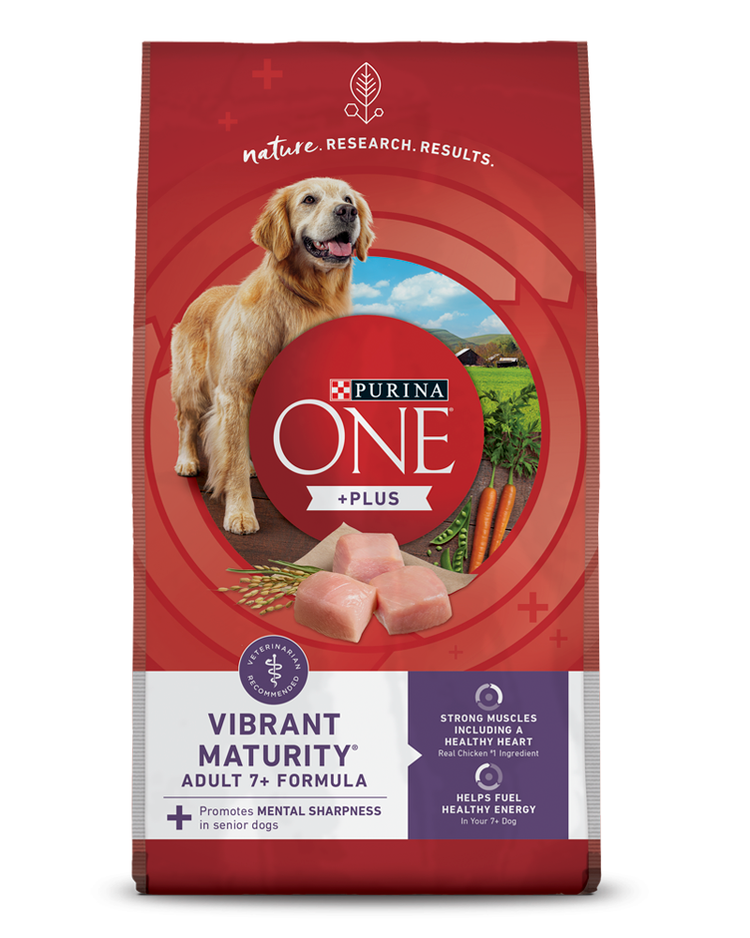
Credit: www.purina.com
Common Challenges
Switching your dog to adult food is an important step, but it often comes with challenges that can catch you off guard. Understanding these common hurdles can make the transition smoother for both you and your pet. Paying attention to your dog’s reactions and preferences during this time is key.
Picky Eating
Many dogs become picky when introduced to new food, refusing what they once happily ate. This can leave you frustrated, wondering if the change is worth it. Try mixing a small amount of adult food with their current diet to ease the transition and gradually increase the new food’s portion.
Sometimes, adding a bit of warm water or a splash of broth can make the adult food more appealing. Have you noticed your dog turning away from meals? Experiment with textures and flavors to find what excites their appetite.
Allergic Reactions
Introducing adult food can sometimes trigger allergies, even if your dog had no previous issues. Watch for signs like itching, redness, or unusual licking. If these symptoms appear, consult your vet immediately and consider switching to a hypoallergenic formula.
Keep a food diary to track any reactions linked to specific ingredients. This practice helps you and your vet pinpoint problem foods faster, making it easier to manage your dog’s diet safely.
Digestive Upset
Changes in diet can upset your dog’s stomach, causing diarrhea, vomiting, or gas. These issues usually resolve after a few days, but if they persist, it could indicate that the adult food doesn’t agree with your dog’s digestive system.
Introduce the new food slowly, over 7 to 10 days, mixing increasing amounts each day. This gradual approach helps your dog’s gut adjust without unnecessary discomfort. Have you tried this method, and how did your dog respond?
Veterinarian Recommendations
Transitioning a dog to adult food is crucial for their health. Veterinarians offer the best advice on timing and approach. Their recommendations ensure your dog gets proper nutrition.
Regular Checkups
Regular vet checkups are vital for your dog’s diet. They help monitor growth and health. Vets assess if your dog is ready for adult food. Puppies and adult dogs have different needs. Checkups provide insights into your dog’s development stage.
Customized Feeding Plans
Every dog is unique. Vets can create a customized feeding plan. This plan considers your dog’s breed, size, and health. A personalized diet ensures balanced nutrition. It supports your dog’s overall well-being.
Supplement Advice
Vets also guide on supplements. Some dogs may need extra nutrients. Supplements can support bones, joints, and immune health. Always consult your vet before adding supplements. They ensure safe and effective use.
Maintaining Long-term Health
Maintaining long-term health for your dog starts with good nutrition and care. Choosing the right food and lifestyle keeps your dog active and happy. Adult dog food provides essential nutrients for steady growth and energy. Monitoring health signs and adjusting diet helps prevent future problems.
Balanced Diet Tips
A balanced diet supports strong bones and a healthy coat. Include proteins, fats, carbohydrates, vitamins, and minerals in meals. Avoid too many treats or table scraps to keep calories in check. Fresh water should always be available. Reading food labels helps ensure quality ingredients.
Exercise And Weight Management
Regular exercise keeps muscles strong and weight normal. Daily walks and playtime burn extra calories and reduce stress. Overweight dogs face risks like diabetes and joint pain. Adjust food portions based on activity level. Consult a vet for weight goals and exercise plans.
Signs Of Nutritional Deficiency
Watch for dull fur, slow healing, or weak muscles. Low energy and poor appetite may indicate missing nutrients. Digestive issues like diarrhea or vomiting can signal diet problems. Early detection allows quick diet changes. Regular vet check-ups help spot deficiencies early.
Frequently Asked Questions
When Should I Switch My Puppy To Adult Dog Food?
You should switch your puppy to adult dog food when they reach 12 months old. Large breeds might need more time, about 18-24 months. This ensures balanced nutrition for growth and maintenance.
What Signs Indicate My Dog Needs Adult Food?
Signs include slowed growth, less energy, and a stable weight. If your dog is no longer a puppy and shows these signs, it’s time to transition to adult food for proper health support.
Can I Mix Puppy And Adult Dog Food During Transition?
Yes, gradually mixing puppy and adult food over 7-10 days helps your dog adjust. Start with 25% adult food and increase until fully switched to avoid digestive upset.
How Does Adult Dog Food Differ From Puppy Food?
Adult dog food has fewer calories and balanced nutrients for maintenance. Puppy food is richer in protein and calories to support growth and development stages.
Conclusion
Choosing the right time to switch your dog to adult food matters. Puppies grow fast and need special nutrition. Around one year old is usually the right time. Watch your dog’s size and energy for clues. Changing food slowly helps avoid stomach problems.
Good food supports strong bones and healthy skin. Every dog is different, so check with your vet. A smooth transition keeps your dog happy and healthy. This simple step helps your pet live a long, active life.