
Are you wondering when it’s the right time to switch your dog from puppy food to adult food? Making this change at the perfect moment can impact your dog’s health, energy, and happiness.
Feed them too early, and they might miss important nutrients; wait too long, and they could gain unwanted weight or face digestive issues. You’ll discover the key signs to look for and simple tips to help you make the best choice for your furry friend.
Keep reading to ensure your dog stays healthy and strong every step of the way.
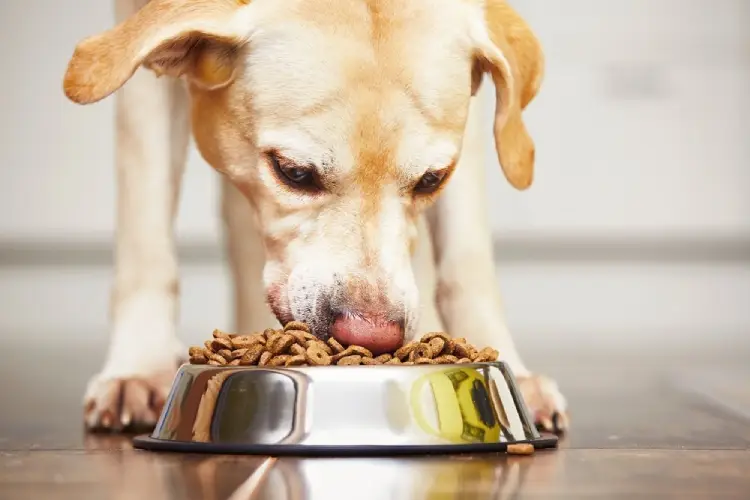
Credit: www.webbox.co.uk
Signs Your Dog Is Ready For Adult Food
Recognizing the right moment to switch your dog to adult food is crucial for their health and well-being. Dogs don’t all grow at the same pace, so watching for specific signs can help you make the best decision. Knowing these signals ensures your dog gets the right nutrition at the right time.
Age Milestones
Most dogs are ready for adult food between 9 to 12 months old. Small breeds tend to mature faster and may switch as early as 9 months. Larger breeds, like Great Danes or Saint Bernards, might need to stay on puppy food longer, sometimes up to 18 months.
Check your dog’s breed and size to estimate the right age, but don’t rely on age alone. Have you noticed your pup reaching their full height or weight? That’s a key clue that their growth phase is ending.
Physical Development Indicators
Physical changes give strong hints your dog is ready for adult food. Look for a fuller, more muscular body and adult teeth replacing baby teeth. If your dog’s coat looks shinier and skin feels less sensitive, their body is stabilizing.
Also, if your dog’s energy levels balance out and they stop growing taller, it’s time to think about the switch. Have you observed your dog’s body filling out instead of stretching up? That’s a sign growth is mostly done.
Behavioral Changes
Behavior shifts often accompany physical maturity. Your dog might become calmer and less hyperactive. You may notice they eat less often or seem less interested in constant snacking.
Pay attention if your dog seems less restless and more focused during play and training sessions. Are they showing more patience and control? These changes reflect a developing metabolism suited for adult food.
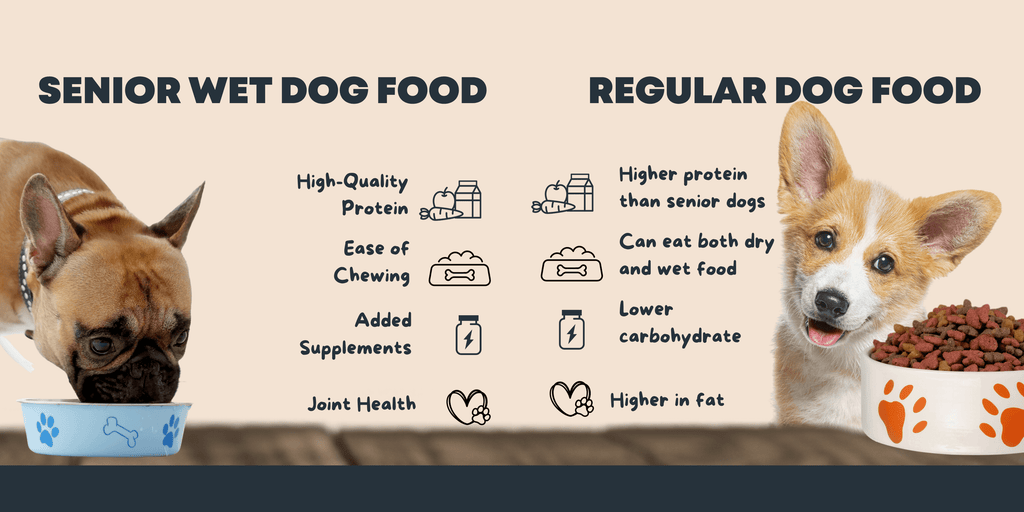
Credit: www.petmd.com
Choosing The Right Adult Dog Food
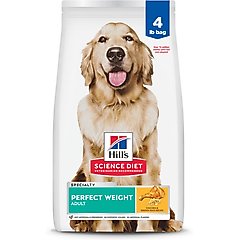
Choosing the right adult dog food is key to keeping your dog healthy and happy. Adult dogs need food that supports their energy levels, muscle maintenance, and overall wellness. Picking food that fits your dog’s unique needs helps prevent health problems and keeps them active.
Consider your dog’s lifestyle and health when selecting adult dog food. The right choice fuels their body and supports a strong immune system. Every dog is different, so their food should be too.
Nutritional Needs
Adult dogs require balanced nutrients for energy and health. Protein helps maintain muscles, while fats provide energy. Carbohydrates supply fuel for daily activities. Vitamins and minerals support body functions and immune health.
Look for dog food with:
- High-quality protein sources
- Healthy fats like omega-3 and omega-6
- Essential vitamins and minerals
- Moderate carbohydrates for energy
Breed And Size Considerations
Dog breeds and sizes affect food needs. Small breeds burn energy faster and need calorie-dense food. Large breeds require food that supports joint health and slower digestion. Some breeds have special needs like sensitive stomachs or allergies.
Choose adult food designed for your dog’s size and breed to support their unique health needs.
Quality Ingredients
Ingredients impact your dog’s health and digestion. Whole meats are better than by-products or fillers. Avoid foods with artificial colors, flavors, or preservatives. Natural ingredients support better digestion and nutrient absorption.
- Look for named meat sources (chicken, beef, fish)
- Check for whole grains or vegetables
- Limit fillers like corn, wheat, and soy
- Avoid artificial additives
Transitioning From Puppy To Adult Food
Switching your dog from puppy food to adult food is a key stage in their growth. This change supports their evolving nutritional needs and helps maintain health. The transition should be smooth to avoid upsetting their stomach or causing other issues.
Gradual Food Changes
Start mixing adult food with puppy food over several days. Increase the amount of adult food slowly while reducing puppy food. This process takes about 7 to 10 days. A gradual change helps your dog’s digestive system adjust easily.
Monitoring Digestive Health
Watch for signs like diarrhea, vomiting, or constipation during the switch. These may indicate your dog is not adapting well. If problems occur, slow down the transition or consult a vet. Healthy digestion is a good sign your dog accepts the new food.
Adjusting Portion Sizes
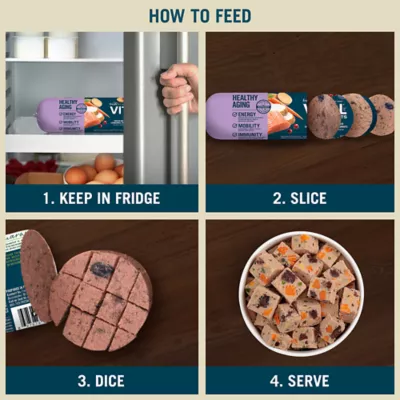
Adult dogs need different food amounts than puppies. Measure portions according to your dog’s weight and activity. Overfeeding can cause weight gain; underfeeding may lead to lack of energy. Adjust portions as your dog grows to keep them fit and active.
Credit: www.petsmart.ca
Timing Your Dog’s Meals
Timing your dog’s meals is more than just filling a bowl. It plays a vital role in digestion, energy levels, and overall behavior. Knowing when to feed your dog adult food ensures they get the most benefit from their diet and stay healthy.
Best Feeding Times
Most adult dogs do well with meals spaced out during the day. Feeding your dog in the morning and early evening often fits well into daily routines. This schedule helps avoid digestion issues like bloating, especially if your dog is active.
Think about your own schedule and when your dog is most hungry. Dogs tend to eat better when they expect food at regular times. Have you noticed your dog getting restless or begging around certain hours? That’s a great cue to set fixed feeding times.
Meal Frequency
For adult dogs, two meals a day usually work best. This frequency supports steady energy without overloading their stomach. Puppies need more meals, but adult dogs digest better with fewer, well-timed portions.
Some dogs may do well with just one meal, but it’s important to monitor their energy and weight closely. If your dog seems sluggish or gains weight, adjusting meal frequency might help. Have you tried changing how often you feed your dog to see how it affects their mood?
Consistency And Routine
Dogs thrive on routine, and feeding time is no exception. Serving meals at the same times every day builds a comforting pattern. This consistency reduces anxiety and prevents overeating because your dog learns when to expect food.
Imagine missing your own meal—it’s unsettling. Your dog feels the same way when feeding times are irregular. If your schedule changes often, try setting alarms or reminders. How could a steady routine improve your dog’s behavior and health?
Common Mistakes To Avoid
Feeding adult food to your dog is an important step in their growth. Mistakes during this time can affect their health and happiness. Knowing what to avoid helps keep your dog healthy and strong. Here are common errors to watch out for.
Switching Food Too Early
Changing to adult dog food too soon can cause stomach problems. Puppies need special nutrients that adult food may lack. Wait until your dog reaches the right age. This varies by breed and size. Too early a switch can lead to poor growth and digestion issues.
Ignoring Dietary Needs
Not considering your dog’s unique diet needs is risky. Some dogs need food for allergies or health conditions. Adult food comes in many formulas for different needs. Make sure to choose one that suits your dog’s health. Always check with a vet if unsure.
Overfeeding And Underfeeding
Feeding too much adult food causes weight gain and health risks. Too little food leads to weakness and poor nutrition. Follow feeding guidelines on the packaging. Watch your dog’s weight and energy level. Adjust food amounts as your dog grows and changes.
Consulting Your Veterinarian
Switching your dog’s diet from puppy food to adult food is a significant milestone that requires careful consideration. Consulting your veterinarian is crucial in ensuring a smooth transition that supports your dog’s health and well-being. Your vet can offer personalized advice based on your dog’s specific needs and health status.
Health Checks Before Transition
Before making any dietary changes, it’s essential to have your dog undergo a thorough health check. This ensures there are no underlying issues that could be exacerbated by the new diet. Regular vet visits can help detect conditions early, allowing for a tailored feeding plan.
Addressing Special Dietary Needs
Does your dog have allergies or sensitivities? Your vet can help identify these and recommend suitable adult foods. For dogs with specific health conditions, like kidney disease or diabetes, special dietary adjustments may be necessary to manage their health effectively.
Professional Feeding Recommendations
Your veterinarian can provide professional guidance on how much and how often to feed your adult dog. They may suggest a gradual transition to adult food to avoid digestive upset. Are you curious about the best brands or types of food? Your vet can point you towards high-quality options that align with your dog’s nutritional requirements.
Frequently Asked Questions
When Should I Switch My Puppy To Adult Dog Food?
Switch to adult dog food when your puppy reaches about one year. Large breeds may need more time, up to 18-24 months. This ensures proper nutrition for growth and maintenance.
What Are Signs My Dog Needs Adult Food?
Signs include slowed growth, less calorie needs, and weight stabilization. Puppies become less active and require fewer nutrients for development. Consult your vet for a smooth transition.
Can Feeding Adult Food Early Harm My Puppy?
Yes, feeding adult food too early can stunt growth. Puppies need higher protein and fat for development. Use age-appropriate food to support health and energy.
How To Transition From Puppy To Adult Dog Food?
Gradually mix adult food with puppy food over 7-10 days. Increase adult food amount while decreasing puppy food. This prevents digestive upset and helps your dog adjust.
Conclusion
Adult food suits dogs after their puppy stage ends. Usually, this change happens around one year old. Watch your dog’s size, energy, and health closely. These signs help decide the right feeding time. Feeding adult food too soon or too late can cause problems.
Choose a quality adult dog food to keep your pet healthy. Regular vet visits also guide proper diet changes. Your dog’s well-being depends on good food and care. Simple steps make feeding easier for both you and your dog.