
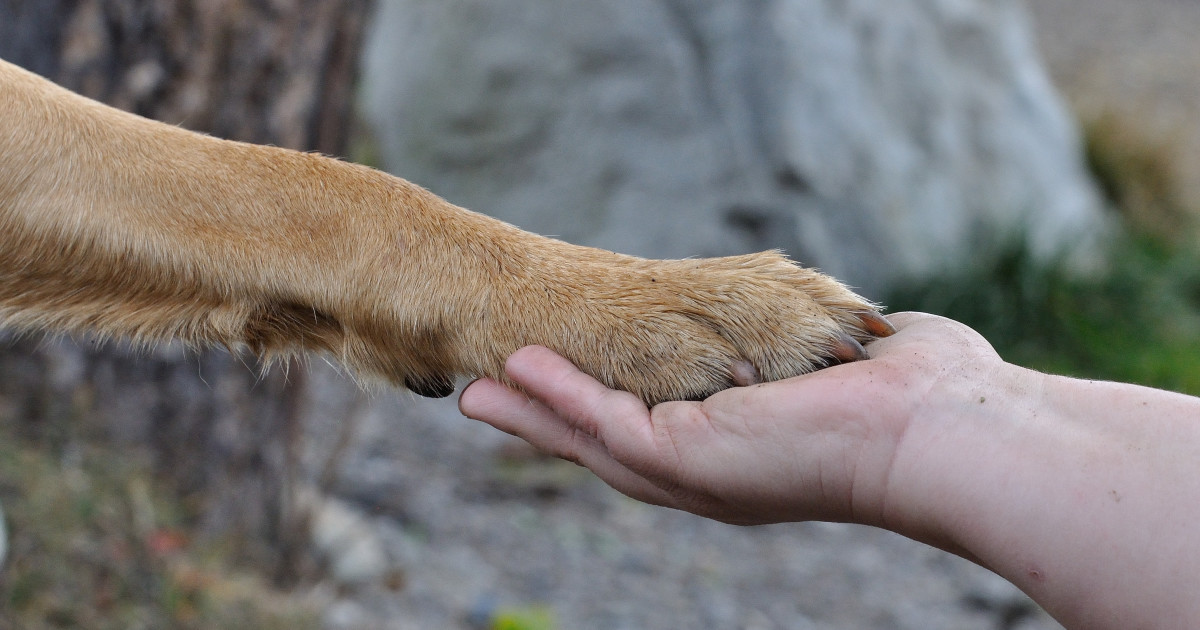
Have you ever wished your dog could greet you with a friendly paw shake? Teaching your dog to give paw is not only adorable but also a great way to build trust and strengthen your bond.
Imagine the pride you’ll feel when your furry friend confidently lifts their paw on command, impressing friends and family alike. In this guide, you’ll discover simple, effective steps to train your dog to give paw quickly and with ease. Ready to turn your dog into a paw-shaking pro?
Let’s dive in!
Choosing The Right Time And Place
Choosing the right time and place is key when teaching your dog to give paw. Training works best in calm and quiet settings. This helps your dog focus on you and the task.
Short training sessions keep your dog interested. Avoid times when your dog feels tired or hungry. Pick moments when your dog is naturally alert and happy.
Pick A Quiet Space
Find a spot with few distractions. A quiet room or a backyard works well. Avoid noisy places like parks or busy streets. This helps your dog pay attention to your commands.
Choose A Comfortable Time
Train your dog when it feels relaxed but awake. Morning or early evening often works best. Avoid training right after meals or long play sessions.
Keep Training Sessions Short
Limit sessions to five or ten minutes. Short sessions stop your dog from getting bored or frustrated. You can repeat sessions several times a day.
Use Consistent Timing
Train at the same times daily. Dogs learn better with routine. Consistent timing helps build a habit quickly.
Credit: pethelpful.com
Gathering Treats And Rewards
Gathering treats and rewards is a key part of teaching your dog to give paw. Treats motivate your dog to learn and perform the trick happily. Choosing the right treats helps keep your dog focused and eager. Rewards should be small, tasty, and easy to chew. This keeps training sessions smooth and enjoyable for your dog.
Besides treats, praise and petting work as great rewards. Dogs love attention from their owners. Combining treats with kind words makes the learning process faster. Rewards build a positive connection between the action and the behavior you want.
Choosing The Best Treats For Training
- Select small treats your dog likes most.
- Use soft treats that are easy to chew quickly.
- Avoid large or hard treats that slow down training.
- Keep treats low-calorie to prevent overfeeding.
- Test different treats to find your dog’s favorite.
Using Praise And Petting As Rewards
- Speak in a happy, encouraging voice.
- Give gentle pets or scratches your dog enjoys.
- Combine praise with treats for stronger motivation.
- Use immediate praise to link reward with action.
- Observe your dog’s reactions to find preferred rewards.
Organizing Treats For Easy Access
- Keep treats in a small container or pouch.
- Use a treat bag that clips to your belt or pocket.
- Have treats ready before training starts.
- Carry enough treats for the whole session.
- Keep treats separate from your dog’s regular food.
Getting Your Dog’s Attention
Teach your dog to give paw by using treats. Hold a treat in your hand and ask for the paw. Reward them when they respond correctly. This simple trick strengthens your bond and builds trust.
Training your dog to give paw is not just a fun trick; it’s a fantastic way to strengthen your bond and enhance communication. However, before you dive into the training process, getting your dog’s attention is crucial. This step sets the stage for successful learning and ensures your furry friend is focused and ready to engage.Understanding Your Dog’s Signals
Recognizing the signs when your dog is ready to learn can make all the difference. Is your dog making eye contact? Are their ears perked up? These are great indicators that your dog is attentive and ready to engage with you.Using Treats As Motivation
Treats can be a powerful motivator to capture your dog’s attention quickly. Choose a treat that your dog loves and make sure it’s small enough to avoid overfeeding. Hold the treat close to your dog’s nose, and you’ll see those eyes light up in anticipation.Creating A Distraction-free Environment
Ensure that the training environment is free from distractions. A quiet room with minimal noise will help your dog focus entirely on you. Have you noticed how dogs can get sidetracked by the smallest things? Keeping the space clear will help maintain their attention.Incorporating Verbal Cues
Pairing hand movements with verbal cues can enhance your dog’s learning process. Simple words like “watch” or “look” can direct their focus towards you. Consistency is key—use the same words every time to reinforce the command.Maintaining Consistency And Patience
Consistency is your best friend in dog training. Regular, short sessions are more effective than long, sporadic ones. Do you have the patience to repeat the process as needed? Your calm and steady approach will ensure success over time.Introducing The Paw Command
Introducing the paw command is a fun way to build communication between you and your dog. It’s a simple trick that opens the door to more complex behaviors. Teaching your dog to give paw can strengthen your bond while boosting their confidence and focus.
Starting this training requires patience and clear signals. Your dog needs to understand exactly what you want from them. Using both verbal cues and hand signals can make learning smoother and more intuitive for your furry friend.
Using Verbal Cues
Choose a clear, short word like “paw,” “shake,” or “touch.” Consistency is key, so stick to the same word every time you ask your dog to give their paw.
When your dog offers their paw naturally, immediately say the cue word and reward them with a treat or praise. This helps your dog connect the sound of the command to the action they just performed.
Repeat this often, but keep sessions short—about five minutes is enough. Have you noticed how your dog reacts differently when you say their name versus a command? This shows how powerful verbal cues can be in training.
Using Hand Signals
Hand signals give your dog a visual hint about what you want. You might hold your palm out, fingers slightly curled, or extend your hand as if to shake. Choose a gesture that feels natural to you and is easy for your dog to see.
Pair the hand signal with the verbal cue at first. Over time, your dog will begin to understand the hand signal alone. This can be especially helpful in noisy environments or for dogs with hearing difficulties.
Try to practice in different places to help your dog generalize the command. Have you ever noticed how dogs respond better when you combine words with gestures? It’s a simple trick that improves their learning speed.
Encouraging Paw Lifting
Encouraging your dog to lift their paw is a key step in teaching them to give paw on command. It’s all about making the movement feel natural and rewarding. Patience and clear communication will help your dog understand exactly what you want.
Gentle Paw Guidance
Start by gently holding your dog’s paw. Don’t force it; let them get used to the sensation slowly. Lightly lift their paw while speaking a calm, encouraging word like “paw” or “shake.”
Repeat this a few times in short sessions, so your dog doesn’t get overwhelmed. You might notice your dog starting to lift their paw on their own after a few tries. Have you ever watched your dog try to figure out what you want? It’s a moment that shows how much they want to please you.
Positive Reinforcement
Every time your dog lifts their paw, reward them immediately with a treat or praise. This positive feedback makes the behavior more appealing. Timing is crucial—give the treat right when the paw lifts.
Use enthusiastic words like “good job!” or “yes!” to strengthen the connection. Over time, your dog will associate lifting their paw with something great happening. What reward does your dog respond to best? Finding the right one can speed up training significantly.
Credit: www.youtube.com
Practicing Consistency And Patience
Training your dog to give paw takes more than just showing them the trick once or twice. Consistency and patience are the backbone of successful training. Without them, your dog might get confused or discouraged, which slows progress.
Creating A Regular Training Schedule
Set a specific time each day for practicing the paw trick. Short, frequent sessions work better than long, occasional ones. For example, five minutes every morning and evening can keep your dog engaged without overwhelming them.
Consistency helps your dog understand that this behavior is expected regularly. It also builds a habit, making the trick easier to perform over time. Have you noticed how your dog reacts when training sessions are irregular?
Using Clear And Consistent Commands
Always use the same word or phrase when asking your dog to give paw. Whether it’s “paw,” “shake,” or another cue, switching commands can confuse your dog. Pair the command with a clear hand gesture every time.
Consistency in commands lets your dog quickly associate the word with the action. This clarity speeds up learning and reduces frustration on both sides. What command feels natural for you and your dog to use together?
Rewarding Progress, Not Just Perfection
Celebrate small wins like your dog lifting a paw halfway. Immediate and positive reinforcement encourages your dog to keep trying. Use treats, praise, or petting—whatever motivates your dog most.
Patience means understanding progress takes time, especially if your dog is new to training. Avoid showing frustration if your dog doesn’t get it right immediately. Instead, ask yourself how you can adjust your approach to make learning easier.
Increasing Difficulty Gradually
Increasing the difficulty gradually is key to helping your dog master the “give paw” trick confidently. If you push too hard too fast, your dog might get confused or frustrated. Instead, by slowly raising the challenge, you build your dog’s focus and reliability step by step.
Reducing Treat Frequency
Start by rewarding your dog with treats every time they give their paw. As they get better, begin to give treats less often. This teaches your dog that performing the trick is valuable, even without a treat every single time.
You might say the command twice before giving a treat or reward after every other successful attempt. This helps your dog learn to respond consistently, not just when they expect a snack. Have you noticed your dog getting impatient when treats come too fast?
Adding Distractions
Once your dog responds well in a quiet space, try adding distractions. This could be another person in the room, background noise, or even training outside. The goal is to help your dog focus on you despite the distractions around them.
Start with small distractions, like a ticking clock or soft music. Gradually increase the challenge by moving to busier environments. Can your dog still give paw when there’s a squirrel nearby or when other dogs are playing?
Troubleshooting Common Issues
Training your dog to give paw can face some common challenges. These issues may slow down progress or cause frustration. Understanding these hurdles helps you adjust your approach. Patience and consistency are key to overcome these problems.
Lack Of Interest
Dogs may ignore commands if they find training boring. Try using high-value treats to catch their attention. Keep training sessions short and fun. Use a happy tone and praise often. Change the environment to reduce distractions. Let your dog rest if they seem tired or distracted.
Fear Or Anxiety
Some dogs feel scared when you touch their paws. Move slowly and gently to build trust. Let your dog sniff your hand first. Use treats to create positive feelings. Avoid forcing the paw if your dog pulls away. Practice touching paws outside training time to build comfort.
Slow Progress
Every dog learns at a different pace. Avoid rushing or pushing too hard. Break the task into smaller steps. Reward every small success to boost confidence. Increase difficulty only after your dog masters basics. Stay calm and keep sessions consistent. Small progress is still progress.
Celebrating Success And Maintaining Training
Celebrating success and maintaining your dog’s paw-giving skill is just as important as the training itself. Recognizing progress keeps your dog motivated and strengthens your bond. It also helps prevent the trick from fading away over time.
Recognize Every Small Victory
Every time your dog offers their paw, celebrate it enthusiastically. Use a happy tone, gentle praise, or a favorite treat to show your appreciation. This positive feedback encourages your dog to repeat the behavior.
Think about how your dog’s tail wags or eyes brighten when you celebrate their success. Those moments tell you they understand and enjoy the activity. How often do you pause to acknowledge these little wins?
Keep Practice Sessions Short And Fun
Short, frequent training sessions work better than long, tiring ones. Aim for 5 to 10 minutes a few times a day to keep your dog engaged and prevent boredom.
Mix up the routine by changing locations or adding new challenges. This keeps your dog interested and sharpens their focus. Do you notice how variety sparks your dog’s enthusiasm during training?
Use Consistent Commands And Rewards
Always use the same word or phrase for the paw command to avoid confusion. Pair the command with a clear hand gesture to help your dog understand what you want.
Reward your dog immediately after they give their paw to reinforce the connection. Consistency in commands and rewards builds reliability. Are your commands clear enough for your dog to follow every time?
Integrate Paw Training Into Daily Life
Ask for a paw before everyday activities like walks, mealtime, or playtime. This turns training into a natural part of your routine and strengthens the habit.
For example, before putting on your dog’s leash, say the paw command and reward the response. This makes training practical and meaningful. How often do you bring training moments into your daily interactions?
Monitor Progress And Adjust As Needed
Keep track of how your dog responds over time. If they seem to forget or lose interest, revisit earlier steps or add more rewards.
Patience is key. Dogs, like people, have good days and bad days. What changes in your dog’s behavior tell you it’s time to tweak your approach?
Credit: www.youtube.com
Frequently Asked Questions
How Long Does It Take To Train A Dog To Give Paw?
Training usually takes a few days to two weeks. Consistent daily practice speeds learning. Patience and positive reinforcement are key.
What Treats Work Best For Paw Training?
Small, soft, and tasty treats work best. They motivate your dog without causing distraction. Use high-value treats for better results.
Can All Dog Breeds Learn To Give Paw?
Yes, all breeds can learn this trick. Some may take longer due to temperament or size. Training methods can be adapted per dog.
How Often Should I Practice Giving Paw Training?
Practice 5 to 10 minutes daily. Short, frequent sessions keep your dog engaged. Avoid overtraining to prevent frustration.
Conclusion
Training your dog to give paw takes time and patience. Keep sessions short and fun to hold your dog’s attention. Reward your dog with treats and praise for every success. Practice regularly to help your dog remember the trick. Enjoy the bonding moments as your dog learns.
Soon, your dog will happily offer a paw on command. Training builds trust and makes your dog more confident. Stay calm and positive throughout the process. Teaching simple tricks like this creates a happy pet and owner.