
Wondering when you can switch your furry friend to adult dog food? It’s a question every dog owner asks, and the answer isn’t always simple.
Feeding your dog the right food at the right time is key to their health and happiness. If you get it wrong, you could risk their growth, energy, and overall well-being. Keep reading, because knowing the perfect moment to make this change can set your dog up for a lifetime of good health—and you’ll feel confident making the best choice for your loyal companion.
Credit: www.purina.com
Age Milestones For Switching
Knowing the right time to switch your puppy to adult food is important for their health. Dogs need different nutrients as they grow. Feeding adult food too early or too late can affect their growth and energy. Age milestones help guide this transition smoothly. Understanding these milestones ensures your dog gets the best nutrition at every stage.
Puppy Growth Phases
Puppies grow fast during the first year. Their nutritional needs change at each phase. The main growth phases are:
- Neonatal (0-2 weeks):Puppies rely on their mother’s milk.
- Transition (2-4 weeks):Start introducing soft, mushy foods.
- Weaning (4-8 weeks):Gradually shift to solid puppy food.
- Growth (8 weeks to 6 months):High-energy, nutrient-rich puppy food is essential.
- Adolescence (6-12 months):Energy needs start to decrease as growth slows.
Most dogs switch to adult food between 9 and 12 months. This varies by breed and size.
Breed Size Considerations
Breed size affects when to switch to adult food. Small, medium, and large breeds grow at different rates.
- Small breeds:Mature faster. Switch to adult food around 9-12 months.
- Medium breeds:Switch closer to 12 months.
- Large and giant breeds:Grow slower. Switch after 12 months, sometimes as late as 18-24 months.
Large breeds need special adult formulas to support joint health. Age milestones vary but always consider breed size for the best timing.
Physical Signs To Watch
Knowing when to switch your dog to adult food can be tricky. Watching your dog’s physical development closely helps you make the right call. Certain clear signs show when your puppy is ready for the change, ensuring they get the right nutrition for their growth stage.
Teeth Development
One of the most noticeable signs is your puppy’s teeth. When their baby teeth start to fall out and adult teeth come in, it’s a good indicator they’re growing up. Usually, by six months, most puppies have their full set of adult teeth, which handle harder adult food better.
If you notice your puppy chewing more aggressively or their teeth looking stronger, it’s a sign they can manage tougher kibble. This transition helps avoid dental issues and supports healthy jaw development.
Weight And Size Changes
Watch how your puppy’s body changes. If your dog has stopped growing rapidly but is gaining weight steadily, they might be ready for adult food. Puppies with slower growth spurts need balanced nutrition to maintain a healthy weight without extra calories.
Consider your dog’s breed size too. Large breeds often switch to adult food later than small breeds because they grow at different rates. Tracking your dog’s weight on a regular basis helps you decide the best timing for the food change.
Energy Levels
Your dog’s energy tells you a lot about their dietary needs. Puppies usually have bursts of high energy but start to show more stable activity levels as they mature. If you notice less hyperactivity and more consistent playtime, their metabolism is shifting toward adult energy demands.
Adjusting food to match this energy level prevents overfeeding and supports long-term health. How does your dog behave after meals? If they seem satisfied without extra snacks, adult food might be the perfect fit now.
Nutritional Needs Shift
As your puppy matures, their nutritional needs begin to change. This transition can be confusing for many pet owners. Knowing when to switch from puppy food to adult food is crucial for your dog’s health and well-being.
Calorie Requirements
Adult dogs generally require fewer calories than puppies. Puppies are growing rapidly and need more energy to fuel their development. As your dog reaches maturity, their growth slows, and their calorie needs decrease.
Overfeeding an adult dog can lead to obesity, which poses health risks. Monitor your dog’s weight and adjust their food intake accordingly. Consulting with a vet can help you determine the right amount of calories for your adult dog.
Protein And Fat Adjustments
Protein and fat requirements also shift as dogs transition to adulthood. Puppies need higher protein and fat for muscle and bone development. Adult dogs still need these nutrients but in different proportions.
Adult dog food is formulated to provide balanced nutrition. Check the labels for the right protein and fat content suitable for your dog’s breed and size. Have you noticed your dog’s coat looking less shiny? This might be a sign to adjust their diet’s fat content.
It’s important to make these dietary changes gradually. Sudden shifts in diet can upset your dog’s stomach. Introduce adult food slowly, mixing it with their puppy food over a week or two.
Behavioral Clues
Watching your dog’s behavior closely can give you important clues about when it’s time to switch from puppy food to adult dog food. These behavioral signs often indicate that your dog’s nutritional needs are changing. Paying attention to how your dog eats and moves can help you make the right decision for their health.
Eating Habits
Notice if your dog’s appetite has stabilized or changed. Puppies often eat small, frequent meals with enthusiasm, but as they grow, their eating routine may become more consistent. If your dog seems satisfied after fewer meals or shows less interest in the puppy formula, it could be a sign they’re ready for adult food.
Also, observe how your dog reacts to food textures and flavors. Adult dog food may be different in size and richness, so if your dog eagerly tries new kibble sizes or flavors, it might be time to make the switch. Have you seen your dog leaving less food in the bowl or finishing their meals more quickly? This change can reflect their growing maturity and nutritional needs.
Activity Patterns
Your dog’s energy levels and play habits can also hint at readiness for adult food. Puppies are generally bursting with energy in short bursts, but as they age, their activity becomes steadier and less erratic. If you notice your dog settling into a calmer, more predictable routine, it’s a good behavioral clue.
Think about your dog’s exercise and rest cycles. Adult dogs often have longer periods of rest between activities. If your dog starts pacing themselves more and seems less hyperactive, their metabolism is shifting, signaling a need for adult nutrition. How does your dog respond after a walk or play session now compared to a few weeks ago?
Expert Feeding Tips
Feeding your dog adult food requires care and attention. Experts suggest a smooth approach to help your dog adjust well. This section offers practical tips for a healthy food transition.
Transitioning Gradually
Switch your dog’s food slowly over 7 to 10 days. Start by mixing 25% adult food with 75% puppy food. Increase the adult food portion each day. This helps avoid stomach upset and digestive issues. Watch your dog’s appetite and stool during this time.
Choosing The Right Adult Food
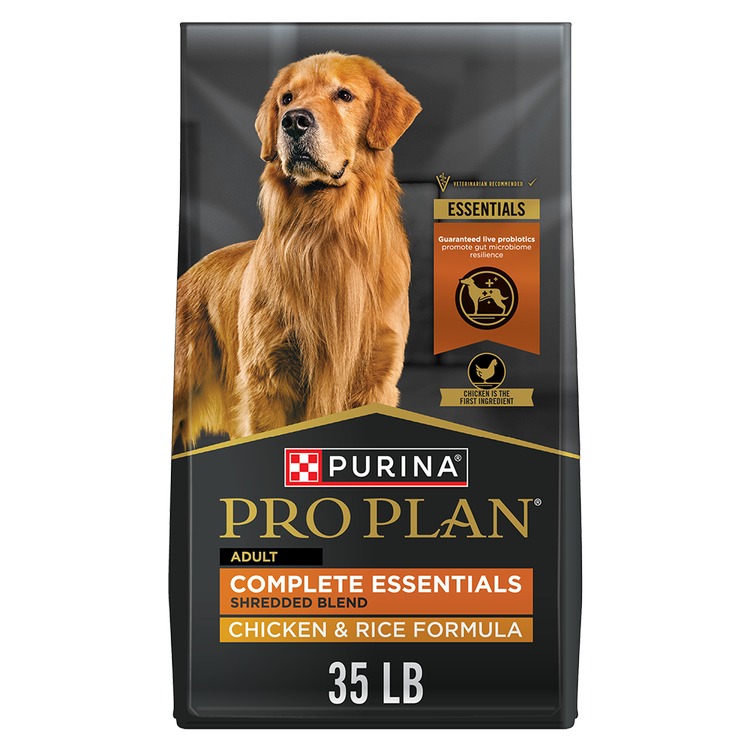
Select adult dog food based on your dog’s size and breed. Check the ingredients for balanced nutrients. Look for protein sources like chicken or fish. Avoid artificial fillers and excessive grains. Consider special formulas for sensitive stomachs or allergies.
Monitoring Health During Switch
Observe your dog’s energy levels and coat condition daily. Check for signs like vomiting, diarrhea, or loss of appetite. Consult your vet if any problems arise. Regular weight checks ensure your dog stays healthy. Keep fresh water available at all times.
Credit: www.petsmart.ca
Common Mistakes To Avoid
Feeding your dog adult food at the right time is important. Mistakes can cause health problems and slow growth. Avoiding common errors helps your dog stay healthy and happy. Understanding these mistakes guides you to better feeding choices.
Switching Too Early
Changing to adult food too soon can harm your puppy’s growth. Puppies need special nutrients to build strong bones and muscles. Adult food may lack these essential nutrients. Wait until your vet confirms your puppy is ready for adult food.
Ignoring Breed Differences
Different dog breeds grow at different speeds. Small breeds mature faster than large breeds. Large breeds need puppy food longer for proper development. Using the same feeding plan for all breeds can lead to health issues.
Overfeeding
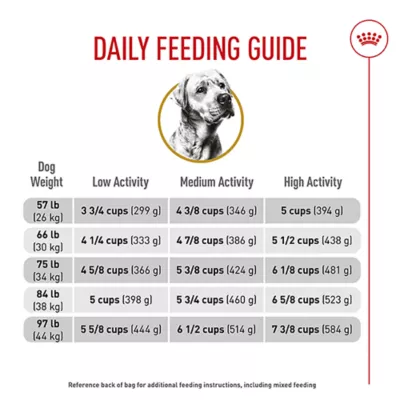
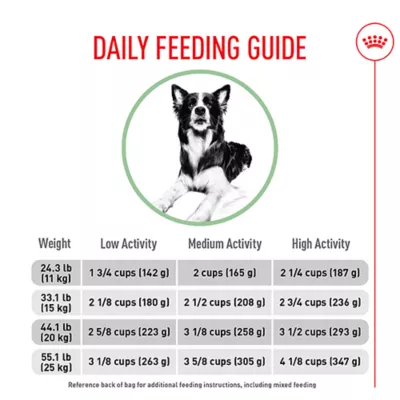
Giving too much adult food can cause weight gain and joint problems. Overfeeding adds stress on your dog’s body. Follow feeding guidelines and watch your dog’s weight. Adjust portions based on activity level and body condition.

Credit: jiminys.com
Frequently Asked Questions
When Should I Switch My Dog To Adult Food?
You should switch your dog to adult food at about 12 months old. Large breeds may need adult food later, around 18-24 months. This ensures they get the right nutrients for their growth stage and maintain healthy development.
What Signs Indicate My Dog Is Ready For Adult Food?
Signs include slowed growth, less playful behavior, and reaching near full size. Also, your vet can confirm readiness during routine check-ups. Switching at the right time supports your dog’s health and energy needs.
Can I Feed Adult Food To Puppies?
No, puppies need specially formulated puppy food. Puppy food contains extra nutrients for growth and brain development. Feeding adult food too early can lead to nutritional deficiencies or health issues.
How To Transition My Dog From Puppy To Adult Food?
Transition gradually over 7-10 days by mixing increasing amounts of adult food with puppy food. This helps avoid digestive upset and allows your dog to adjust to new tastes and textures.
Conclusion
Feeding your dog adult food at the right time helps keep them healthy. Usually, dogs switch to adult food around one year old. Watch your dog’s size and energy to know when to change. Always choose food that suits their breed and needs.
Consult your vet for the best advice. A good diet supports strong bones and a shiny coat. Feeding adult food too early or late can cause problems. Careful timing helps your dog grow strong and happy. Trust your pet’s signals and make changes gently.
Your dog deserves the best nutrition every day.