You want the best for your puppy, and feeding them the right food is part of that. But have you ever wondered why you shouldn’t give adult dog food to your growing pup?
It might seem easier or cheaper, but the truth is, your puppy’s needs are very different from an adult dog’s. Giving the wrong food can affect their growth, health, and energy. Keep reading to discover why your puppy deserves special nutrition and how choosing the right food can set them up for a happy, healthy life.
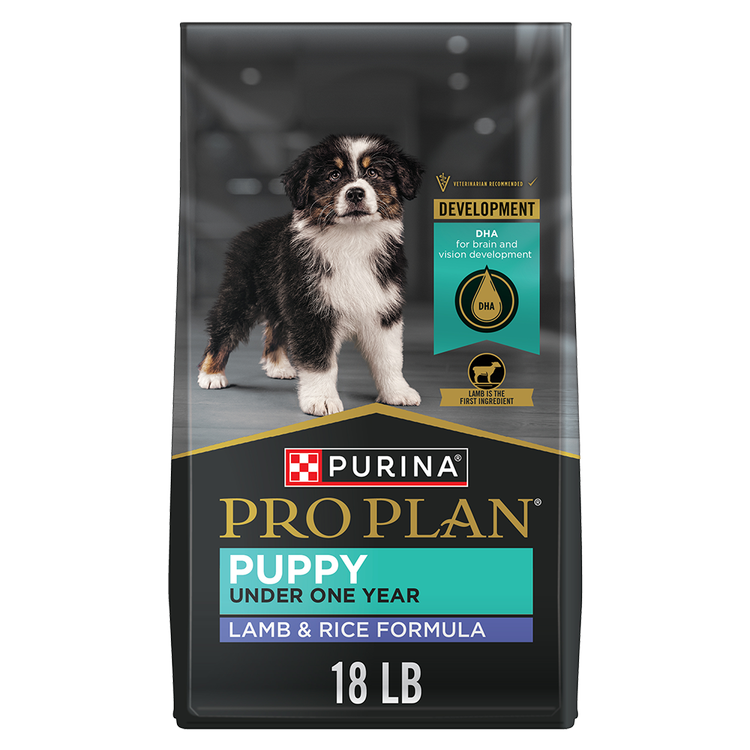
Credit: www.purina.com
Nutritional Needs Of Puppies
Puppies have unique nutritional needs that differ greatly from adult dogs. Their growing bodies require specific nutrients in the right amounts to support development. Feeding them adult dog food can leave gaps in their nutrition, affecting their health and growth.
Higher Protein And Fat Requirements
Puppies need more protein and fat than adult dogs to fuel their rapid growth and high energy levels. Protein helps build strong muscles, while fat provides essential energy for play and brain development.
Adult dog food often has lower protein and fat content because adult dogs require less. Feeding puppies adult food means they might not get enough to support their active lifestyle, leading to slower growth or weakness.
Essential Vitamins And Minerals For Growth
Vitamins like A, D, and E, along with minerals such as zinc and iron, are crucial for a puppy’s immune system and overall development. Puppies need these nutrients in carefully balanced amounts to help their bones, skin, and organs develop properly.
Adult dog food typically contains vitamins and minerals tailored for maintenance, not growth. Without the right levels, puppies might face health issues such as poor immunity or delayed development.
Calcium And Phosphorus Balance
Calcium and phosphorus are key minerals for building strong bones and teeth. Puppies need a precise ratio to avoid problems like bone deformities or joint issues later in life.
Adult dog food usually has a different calcium-to-phosphorus ratio suited for mature dogs. Feeding puppies food with the wrong balance can lead to long-term skeletal problems that affect their mobility and comfort.
Differences In Adult Dog Food
Adult dog food differs greatly from puppy food in its composition and purpose. Puppies need more energy and nutrients to support their rapid growth and development. Adult dog food is designed to maintain health, not to fuel growth. Feeding adult dog food to puppies may cause nutritional gaps and slow their development.
Lower Calorie Density
Adult dog food has fewer calories per serving than puppy food. Puppies need more calories to support their active growth and energy needs. Adult dog food may not provide enough energy, leading to slow growth or low activity levels. Puppies require calorie-dense meals for healthy weight gain and development.
Inadequate Nutrient Ratios
The balance of nutrients in adult dog food suits mature dogs, not puppies. Puppies need higher protein, fat, and certain vitamins to build muscles and bones. Adult dog food may lack these critical nutrients or have them in lower amounts. This imbalance can affect a puppy’s overall health and immune system.
Lack Of Growth-specific Ingredients
Puppy formulas often include ingredients that support brain and bone growth. Adult dog food usually lacks these special nutrients. For example, DHA helps brain development and calcium supports strong bones. Without these, puppies may face developmental delays or weaker bones.
Health Risks Of Feeding Adult Food To Puppies
Feeding adult dog food to puppies can pose serious health risks. Puppies have unique nutritional needs crucial for growth and development. Adult dog food lacks specific nutrients essential for puppies. This can lead to several health issues.
Delayed Growth And Development
Puppies require higher protein and fat content for proper growth. Adult dog food often lacks these levels. This can result in stunted growth and improper bone development. Puppies need calcium and phosphorus in the right ratio. Adult food might not provide this balance. This can lead to skeletal issues and weak bones.
Digestive Issues And Upset Stomach
Puppies have sensitive digestive systems. Adult dog food can be harder for them to digest. This can cause upset stomachs and diarrhea. Puppies need easily digestible food with specific nutrients. Adult food might lack the right ingredients. This can lead to poor nutrient absorption and digestive problems.
Weakened Immune System
The immune system in puppies is still developing. They require food rich in antioxidants and vitamins. Adult dog food might not meet these nutritional needs. This can result in a weakened immune system. Puppies become more susceptible to infections and diseases. Proper nutrition is key to building a strong immune defense.
Long-term Consequences
Puppies need special food to grow strong and healthy. Adult dog food lacks the right balance of nutrients for young dogs. Feeding puppies adult food can harm their development and cause health issues that last a lifetime.
Bone And Joint Problems
Puppies need extra calcium and phosphorus for strong bones. Adult dog food may have too much or too little of these minerals. This imbalance can cause weak bones or joint problems. Poor bone growth leads to pain and difficulty moving later.
Behavioral And Energy Deficits
Growing puppies need more energy to play and learn. Adult dog food often has fewer calories and less fat. This lack of energy can make puppies tired and less active. They may also show poor focus or behave differently.
Increased Susceptibility To Illness
Puppies have weaker immune systems than adult dogs. They need extra vitamins and nutrients to fight germs. Adult dog food does not support their immune health well. This can lead to more sickness and slower recovery from illness.
Choosing The Right Puppy Food
Choosing the right food for your puppy is crucial for healthy growth. Puppies need special nutrients to build strong bones and muscles. Adult dog food lacks these essential nutrients and may harm their development. Selecting proper puppy food supports their energy needs and immune system.
Reading Labels For Puppy-specific Nutrients
Check food labels carefully. Look for high protein levels to support muscle growth. Calcium and phosphorus are important for bone development. DHA helps brain and eye growth. Foods labeled “complete and balanced for puppies” meet these needs. Avoid foods with fillers or artificial additives.
Consulting Your Veterinarian
Your vet knows your puppy’s health best. Ask about the best food brand and type. Vets can recommend diets for breed, size, and health conditions. Regular check-ups ensure your puppy grows well on their food. Always follow your vet’s advice on feeding amounts and schedules.
Transitioning From Puppy To Adult Food
Switch to adult food at the right time. Usually, this is after one year for small breeds and after 18 months for large breeds. Transition slowly over 7-10 days to avoid stomach upset. Mix increasing amounts of adult food with puppy food. Watch for any digestion issues during the change.

Credit: www.petscare.com

Credit: www.thinkjinx.com
Frequently Asked Questions
Why Can’t Puppies Eat Adult Dog Food?
Puppies need more protein, fats, and nutrients for growth. Adult dog food lacks these essentials. Feeding adult food may stunt puppy development and cause health issues.
What Happens If Puppies Eat Adult Dog Food?
Puppies may face nutrient deficiencies and slower growth. Adult food can cause digestive problems and weak immune systems. It’s unsuitable for their higher energy needs.
How Is Puppy Food Different From Adult Dog Food?
Puppy food contains more calories, protein, and essential vitamins. It supports rapid growth and brain development. Adult food is balanced for maintenance, not growth.
When Should I Switch From Puppy To Adult Dog Food?
Switch around 12 months for small breeds and 18-24 months for large breeds. Consult your vet for the best timing. Proper transition avoids digestive upset.
Conclusion
Puppies need special food to grow healthy and strong. Adult dog food lacks the right nutrients for puppies. Feeding adult food to puppies can cause health problems. Puppy food supports their bones, muscles, and brain development. Always choose food made just for puppies.
This helps them stay active and happy. Protect your puppy’s health by feeding the right diet. Small choices now make a big difference later. Keep your puppy’s future bright with proper nutrition.