
Have you ever wondered when the best time is to start training your dog? Knowing the right age to begin can make all the difference in how well your furry friend learns and behaves.
Starting too early or too late might slow down progress or cause frustration for both of you. You’ll discover exactly how old your dog should be to start training, along with tips to make the process smooth and enjoyable. Keep reading to unlock the secrets to building a strong bond and a well-trained companion.
Ideal Age For Training
Knowing the ideal age to start training your dog can make a huge difference in how well your dog learns and behaves. Starting too early or too late might cause frustration for both of you. Understanding the right time to begin helps you set realistic goals and ensures your dog develops good habits from the start.
Puppy Training Timeline
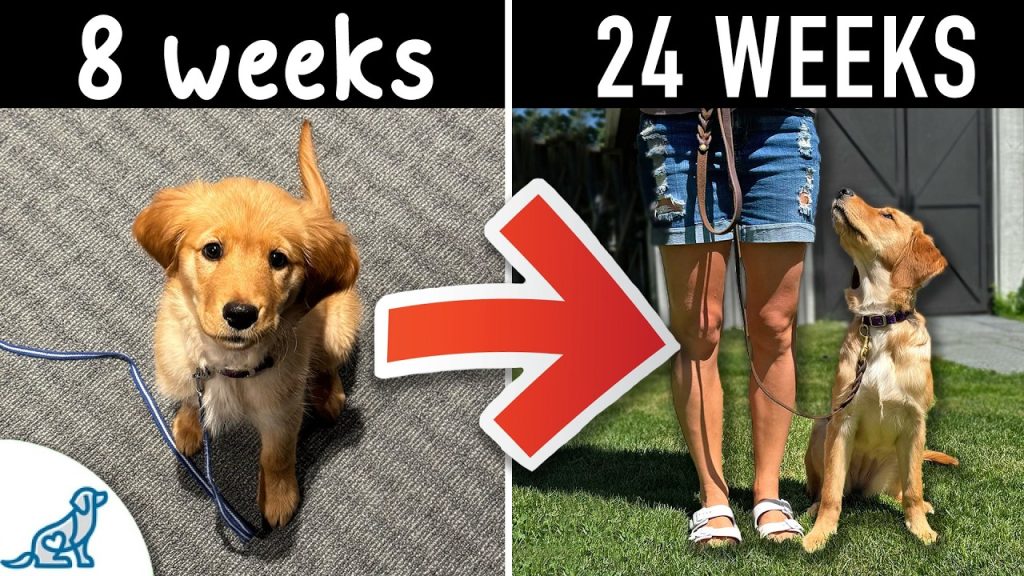
Puppies are like sponges—they absorb information quickly. You can start basic training as early as 7 to 8 weeks old. At this stage, focus on simple commands like “sit” and “come,” and gentle socialization with people and other dogs.
Between 3 to 6 months, puppies become more curious and independent. This is a great time to introduce leash training and housebreaking. Keep training sessions short and fun to hold their attention.
By 6 months, your puppy’s attention span improves, allowing for more complex commands and tricks. Consistency is key here. Remember, patience pays off.
Training Adult Dogs
Many people think adult dogs can’t learn new tricks, but they absolutely can. Older dogs might take a bit longer to adjust, but training helps with behavior issues and strengthens your bond.
Start with basic obedience and reward-based training to build confidence. If your adult dog has habits like barking or jumping, address those early to avoid them becoming permanent.
Don’t hesitate to ask yourself: What motivates your dog most? Treats, toys, or praise? Use that to your advantage during training.
Breed-specific Considerations
Different breeds have different learning speeds and attention spans. For instance, Border Collies excel in agility and problem-solving but may need more mental stimulation.
On the other hand, some breeds like Basset Hounds might be more stubborn or slower learners. Adjust your training style to fit your dog’s personality and breed traits.
Ask yourself: Does your dog get bored quickly or stay focused? Tailoring training to breed traits can make learning easier and more enjoyable for both of you.

Credit: dogbonehunter.com
Early Training Benefits
Starting your dog’s training early brings many benefits that shape their behavior and personality for life. Puppies are like sponges, absorbing new information quickly and adapting to their environment. Training from a young age helps you guide your dog toward becoming a confident, well-mannered companion.
Socialization Advantages
Early training exposes your puppy to different people, animals, and environments. This helps reduce fear and anxiety in new situations.
When puppies meet others regularly, they learn how to interact appropriately. You’ll notice fewer aggressive or shy behaviors as they grow.
Have you seen a dog hesitate around strangers or other pets? Early socialization can prevent that hesitation and make your dog more comfortable in various settings.
Building Good Habits
Training young dogs sets a foundation for positive habits. Teaching commands like “sit,” “stay,” and “come” early makes daily life easier for both of you.
Consistent early training also helps your dog understand boundaries and expectations. This reduces frustration for you and your pet.
Think about how much smoother walks and playtime are when your dog listens well. Starting early means you spend less time correcting unwanted behaviors later.
Preventing Behavioral Issues
Many common behavior problems start when puppies don’t get proper guidance. Early training helps nip issues like biting, excessive barking, or chewing in the bud.
Dogs trained early learn what’s acceptable and what isn’t, making them less likely to develop destructive habits.
Have you ever dealt with a dog that’s hard to manage? Starting training early can save you from those struggles and help your dog grow into a balanced pet.
Training Methods By Age
Puppies can begin simple training as early as 7 to 8 weeks old. At this age, short sessions with gentle commands work best. Older dogs may need more patience but can learn new skills too.
Training a dog is an exciting journey that varies depending on their age. As puppies, dogs are like little sponges, soaking up new information quickly. Older dogs, on the other hand, may require a bit more patience and consistency. But don’t worry, with the right methods tailored to their age, training can be a rewarding experience for both you and your canine friend.Positive Reinforcement For Puppies
Puppies thrive on praise and treats. Using positive reinforcement, such as giving your puppy a small treat or a gentle pat when they follow a command, can be incredibly effective. This method helps to create a positive association with learning and encourages them to repeat good behavior. Start with simple commands like “sit” or “stay.” Keep training sessions short to maintain your puppy’s attention. Frequent, short bursts of training can be more effective than longer, less frequent sessions.Consistency With Older Dogs
Older dogs benefit from consistent training routines. They might take a little longer to adapt, but with patience, they can learn new tricks just as well as puppies. Consistency is key, so ensure that everyone in the household uses the same commands and rewards. If your older dog seems set in their ways, don’t lose hope. Find what motivates them—be it treats, toys, or affection—and use that as a reward. Consistency in commands and rewards can work wonders.Adjusting Techniques Over Time
As your dog grows, it’s important to adjust your training techniques. A method that worked well for a puppy might not be as effective for an adult dog. Pay attention to your dog’s changing interests and energy levels. Consider introducing new challenges as your dog becomes more skilled. This could be anything from advanced tricks to agility training. Keeping training fresh and fun will maintain your dog’s interest and continue to strengthen your bond. Have you noticed changes in your dog’s learning style as they age? Adjusting your methods not only helps in training but also keeps your relationship dynamic and fulfilling. Embrace the changes and enjoy the journey together!Common Training Challenges
Training a dog is rewarding but can bring many challenges. Every dog is unique and faces different struggles during training. Recognizing these common hurdles helps trainers stay patient and effective. Knowing what to expect keeps the training process smooth and positive.
Attention Span Limits
Puppies and young dogs have short attention spans. They can get distracted easily by sounds, smells, or movements. Training sessions should be brief, often just a few minutes. Repetition works better than long commands. Frequent breaks help keep the dog focused. Patience is key to building attention gradually.
Dealing With Fear Or Anxiety
Some dogs feel scared during training. New places, loud noises, or unfamiliar people can cause anxiety. Signs include trembling, hiding, or refusal to follow commands. Trainers must create a calm and safe environment. Using gentle praise and treats helps build trust. Avoid forcing the dog into stressful situations.
Managing Energy Levels
Dogs have different energy needs. High-energy dogs may struggle to sit still or focus. Low-energy dogs might lack motivation to learn new commands. Exercise before training can help release excess energy. Calm dogs respond better to training after some play or a walk. Tailoring sessions to the dog’s energy level improves success.
Expert Tips For Success
Training a dog requires more than just starting at the right age. It needs smart techniques and a good mindset. Expert advice can help you train your dog successfully. These tips focus on clear goals, smart rewards, and steady patience. Use them to make training easier and more fun for your dog.
Setting Realistic Goals
Set small and clear goals for each training session. Dogs learn better with simple steps. Avoid expecting too much too soon. Focus on one skill at a time. Celebrate small wins. This builds confidence in your dog and keeps training fun.
Using Rewards Effectively
Choose rewards your dog really likes, such as treats or praise. Give rewards immediately after good behavior. This helps your dog connect the action with the reward. Change rewards often to keep your dog interested. Use rewards to encourage good habits, not to bribe.
Maintaining Patience And Persistence
Training takes time. Dogs do not learn overnight. Stay calm and patient during sessions. Repeat exercises regularly but keep them short. Avoid punishment; it can harm trust. Keep trying even if progress is slow. Consistency and kindness lead to success.

Credit: customcanineunlimited.com

Credit: www.youtube.com
Frequently Asked Questions
When Is The Best Age To Start Training A Dog?
Puppies can begin basic training as early as 7 to 8 weeks old. Early training helps build good habits and social skills. Consistent, short sessions work best for young dogs to keep them engaged and motivated.
Can Adult Dogs Learn New Commands Easily?
Yes, adult dogs can learn new commands at any age. Training may take more patience and consistency compared to puppies. Positive reinforcement and regular practice help adult dogs adapt and learn effectively.
How Long Should Puppy Training Sessions Last?
Puppy training sessions should last 5 to 10 minutes. Short sessions prevent puppies from becoming bored or overwhelmed. Frequent, fun sessions encourage better learning and reinforce positive behaviors.
What Are The First Skills To Teach A Young Dog?
Start with basic commands like sit, stay, and come. Socialization with people and other dogs is also crucial. Early training sets the foundation for good behavior and easier advanced training later.
Conclusion
Starting dog training early helps build good habits fast. Puppies learn best between 7 to 16 weeks old. Training should be gentle, fun, and consistent every day. Keep sessions short to hold your dog’s attention. Patience and kindness make training a positive experience.
Every dog grows at its own pace, so adapt your approach. Early training sets the path for a happy, well-behaved pet. Begin soon and enjoy the journey together.