If you have a hunting dog, you want to make sure they stay strong and healthy. One important step is knowing when to switch your dog from puppy food to adult food.
But how do you know the right time? Switch too early, and your dog might miss out on key nutrients. Wait too long, and they could gain unnecessary weight or miss out on energy they need. You’ll discover the signs to watch for and expert tips to make the transition smooth and safe.
Keep reading to learn exactly when and how to make this important change for your loyal companion.
Credit: www.diamondpet.com
Signs Your Dog Is Ready
Knowing when to switch your hunting dog to adult food is important for their health. Dogs do not grow at the same rate, so it helps to watch for signs. These signs show that your dog’s body and needs are changing.
Physical Growth Indicators
Your dog’s size and shape change as they grow. Their bones become stronger and muscles fill out. You might see their puppy coat start to thin or change. Teeth also become more permanent and strong. These changes mean your dog is moving out of puppy stages.
Behavioral Changes
Adult dogs act differently than puppies. They may become less playful and more calm. Energy levels can drop, and focus might improve during training. Your dog may also eat more steadily, without the constant hunger of a puppy. These behaviors suggest they are maturing.
Nutritional Needs Shift
Puppies need food rich in calories and nutrients for growth. Adult dogs require a balanced diet to maintain health and energy. Protein, fat, and vitamins need to be adjusted. Feeding adult food at the right time helps prevent weight gain or poor health. Watch your dog’s appetite and energy to know when to switch.
Age Guidelines For Switching
Switching your hunting dog from puppy to adult food requires careful timing. Proper nutrition is crucial for their growth and development. Understanding when to transition is essential for your dog’s health and performance.
General Age Ranges
Most hunting dogs can switch to adult food around 12 months old. This is a general guideline and can vary based on individual needs. Puppies grow rapidly and need different nutrients than adults. Ensure they have the right balance before transitioning.
Breed Size Considerations
Breed size plays a significant role in determining the switch. Small breeds may mature faster, allowing a transition as early as 9 months. Larger breeds grow slower, often needing puppy food until 18 months or more. Monitor your dog’s growth and energy levels for cues.
Consulting Your Veterinarian
Your veterinarian is a key resource in this decision. They can provide tailored advice based on your dog’s specific needs. Regular check-ups help ensure your dog is ready for the dietary change. Discuss any concerns about their growth or health during these visits.
Choosing The Right Adult Food
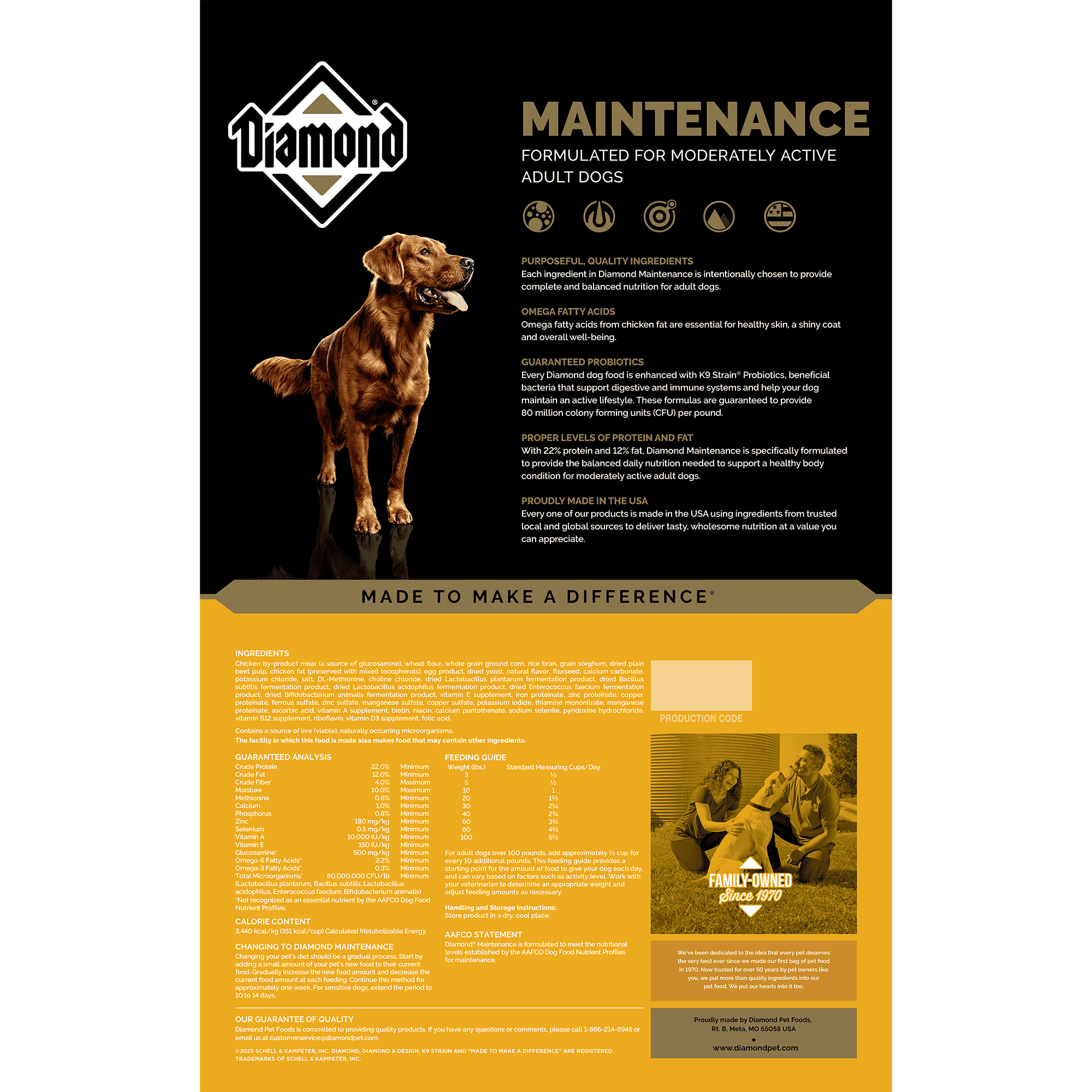
Choosing the right adult food for your hunting dog matters a lot. Adult dogs have different needs than puppies. Their energy levels and body functions change. Feeding the correct food helps keep them healthy and strong. The right diet supports their active lifestyle and sharp senses.
Nutrient Requirements For Hunting Dogs
Hunting dogs need more protein and fat than regular dogs. Protein builds muscles and repairs tissues. Fat provides energy for long hunts. Carbohydrates give quick fuel but should be limited. Vitamins and minerals keep bones and immune systems strong. Balanced nutrients help maintain stamina and focus.
High-quality Ingredients
Quality ingredients make a big difference in dog food. Look for real meat as the first ingredient. Avoid foods with fillers like corn or soy. Natural sources of nutrients are easier to digest. Good fats come from fish oil or chicken fat. Fresh vegetables add fiber and antioxidants. Clean ingredients support overall health and performance.
Special Diets And Allergies
Some hunting dogs have allergies or sensitive stomachs. Common allergens include wheat, dairy, and beef. Special diets like grain-free or limited ingredient foods help these dogs. Hypoallergenic formulas reduce the risk of reactions. Always watch for signs like itching or upset stomach. Consult a vet to find the best food for your dog.
Transitioning Your Dog’s Diet
Changing your hunting dog’s diet to adult food is a key moment that needs careful handling. It’s not just about swapping bags; your dog’s digestive system and energy needs are shifting. A smooth transition helps keep your dog healthy and energetic for every outdoor adventure.
Gradual Food Introduction
Start by mixing a small amount of adult food with your dog’s current puppy food. Over the course of 7 to 10 days, slowly increase the adult food portion while decreasing the puppy food. This gentle change helps prevent stomach upset and lets your dog adjust to the new taste and texture.
Think about how you’d react if suddenly your favorite meal changed overnight. Dogs feel the same way. By easing into the new diet, you respect their digestive comfort and reduce the risk of refusal or digestive issues.
Monitoring Digestive Health
Watch closely for any changes in your dog’s stool consistency, appetite, or energy levels during the transition. Loose stools or vomiting are signs you might be moving too fast or that the new food doesn’t agree with your dog’s system. Adjust the transition pace if you notice any discomfort.
Keep a simple log of your dog’s digestive reactions. This record helps you spot patterns and share useful info with your vet if needed. Your goal is to keep your dog’s digestive system running smoothly while changing the diet.
Adjusting Portion Sizes
Adult hunting dogs often need different calorie amounts than puppies. After switching to adult food, watch your dog’s weight and energy to find the right portion size. You may need to feed less or more depending on your dog’s activity level and metabolism.
Use the feeding guidelines on the food package as a starting point but be ready to tweak portions. Are you seeing your dog losing weight or gaining too much? Adjust portions accordingly to keep your dog fit and ready for the hunt.
Common Mistakes To Avoid
Switching your hunting dog to adult food is a crucial step that affects their health and performance. Many dog owners make avoidable mistakes that can lead to poor nutrition or digestive issues. Recognizing these common pitfalls helps you make a smoother transition and keeps your dog in peak condition.
Switching Too Early Or Late
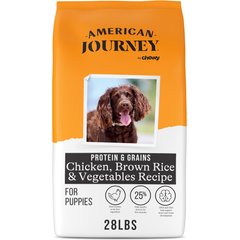
Changing your dog’s diet too soon can disrupt their growth and cause nutrient imbalances. Puppies need specific nutrients that adult food might lack, so switching before they reach about one year old can stunt development.
On the other hand, delaying the switch too long means your dog might consume excess calories, leading to weight gain or digestive troubles. Are you watching for clear signs your dog is ready to move on?
Ignoring Energy Needs
Hunting dogs burn a lot of energy, especially during active seasons. Feeding a standard adult diet that doesn’t meet their high energy demands can leave them tired and underperforming.
Adjust portions and choose formulas rich in proteins and fats to match your dog’s activity level. Have you noticed changes in your dog’s stamina or recovery after meals?
Overlooking Hydration
Switching foods can affect how much water your dog needs. Dry adult food requires your dog to drink more, but some owners don’t increase water availability accordingly.
Dehydration impacts hunting dogs quickly, reducing endurance and concentration. Do you consistently provide fresh water, especially after exercise and feeding changes?
Credit: www.chewy.com
Maintaining Peak Performance
Maintaining peak performance in hunting dogs requires careful attention to diet and health. Switching to adult food is just one part of the process. Ensuring your dog stays strong, energetic, and healthy depends on several factors. Proper nutrition, regular health checks, and balanced exercise all play key roles.
Supplements And Vitamins
Adult hunting dogs may need extra nutrients to keep their energy high. Supplements can fill gaps that food alone might miss. Common supplements include:
- Omega-3 fatty acids for joint health and coat shine
- Glucosamine to support cartilage and mobility
- Multivitamins for overall immune support
Always consult a vet before adding supplements. Too much of certain vitamins can harm your dog.
Regular Health Check-ups
Frequent vet visits help catch problems early. A vet can track weight, muscle tone, and overall health. Blood tests and physical exams ensure your dog’s body works well. Adjust food and exercise plans based on these check-ups.
Balancing Exercise And Nutrition
Exercise fuels your dog’s hunting skills and stamina. Nutrition must match activity level for best results. Overfeeding leads to weight gain, underfeeding causes weakness. Set a routine that combines:
- Daily walks and play
- Training sessions
- Proper portion sizes of adult dog food
This balance helps your dog stay fit and ready for the field.
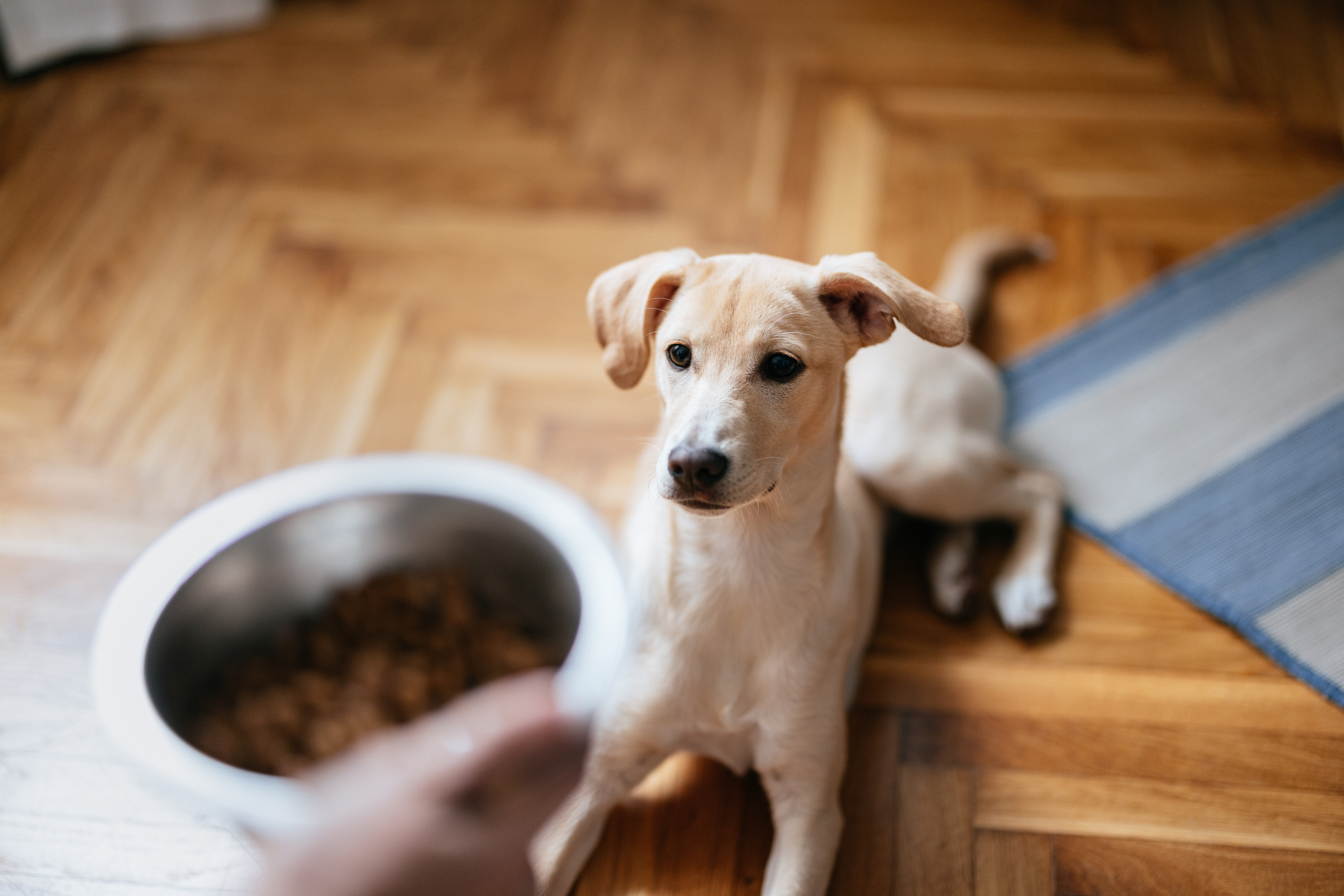
Credit: blog.myollie.com
Frequently Asked Questions
When Should I Switch My Hunting Dog To Adult Food?
Switch your hunting dog to adult food around 12 months old. Large breeds may need up to 18 months. Monitor growth and energy levels for the best timing.
What Signs Show My Dog Is Ready For Adult Food?
Look for slower growth and less puppy-like energy. A mature coat and teeth can also indicate readiness. Consult your vet for confirmation.
Can Switching Too Early Harm My Hunting Dog?
Yes, early switching can cause nutrient deficiencies. Puppies need extra protein and calories for growth. Wait until your dog is physically mature.
How To Transition My Hunting Dog To Adult Food?
Gradually mix adult food with puppy food over 7-10 days. Increase adult food while decreasing puppy food. This helps avoid digestive upset.
Conclusion
Switching your hunting dog to adult food is a key step in its growth. Watch for signs like age and weight to know the right time. Choose food that supports energy and muscle health. Changing food too early or late can cause problems.
Keep your dog’s needs in mind and consult your vet when unsure. Feeding the right diet helps your dog stay strong and active. This simple change supports a healthy, happy hunting companion.