
Are you wondering if a grain-free diet is the right choice for your dog? With so many options available, it can be confusing to know what’s best for your furry friend’s health.
You want to make sure your dog gets the right nutrients without any risks. You’ll discover the truth about grain-free diets—what they really do, who they help, and when you should think twice. Keep reading to find out how to make the best decision for your dog’s well-being.
Credit: europeanpetfood.org
What Grain Free Diets Entail
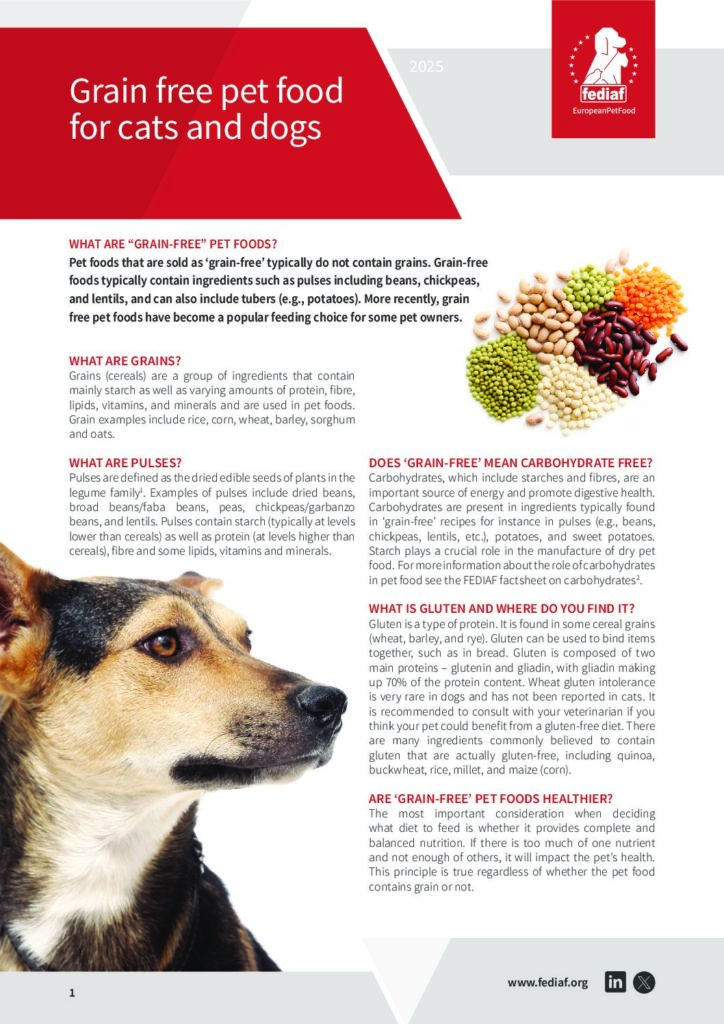
Grain free diets for dogs remove all grains like wheat, corn, and rice from their food. These diets focus on alternative ingredients to provide energy and nutrients. Some pet owners prefer grain free options for their dog’s health or allergies. Understanding what these diets contain helps decide if they suit your dog’s needs.
Common Ingredients In Grain Free Dog Foods
Grain free dog foods use different ingredients to replace grains. These often include:
- Potatoes
- Sweet potatoes
- Peas
- Lentils
- Chickpeas
- Other legumes
- Meats like chicken, beef, or fish
- Vegetables such as carrots and spinach
These ingredients provide carbohydrates, fiber, and protein. Grain free foods aim to keep the diet balanced and nutritious.
Reasons Owners Choose Grain Free Options
Many dog owners pick grain free diets for various reasons. Some believe grains cause allergies or digestive problems. Others want to feed their dogs a diet closer to what wild dogs might eat. Some dogs have shown better coat health and energy on grain free food. Always watch your dog’s reaction to diet changes and consult a vet.
Potential Benefits For Dogs
Grain free diets for dogs may offer several health benefits. These diets remove common grains like wheat, corn, and rice. Some dogs respond well to this change and show positive effects.
Improved Digestion And Allergies
Many dogs have trouble digesting grains. Grain free diets can reduce stomach upset, gas, and diarrhea. Dogs with food allergies or sensitivities may see fewer symptoms. Removing grains can lower skin irritation and itching. Better digestion means dogs feel more comfortable daily.
Weight Management And Energy Levels
Grain free diets often contain higher protein and fat. This helps dogs maintain a healthy weight. Lean muscle builds up without extra carbohydrates. Dogs on these diets may have more steady energy throughout the day. Active dogs especially benefit from improved stamina and vitality.
Concerns And Risks To Consider
Grain-free diets for dogs have gained popularity among pet owners. Yet, they come with concerns and potential risks. Understanding these is crucial for your furry friend’s health. This section explores some significant concerns associated with grain-free diets. It will help you make informed decisions for your dog’s diet.
Links To Canine Heart Disease
There is growing evidence linking grain-free diets to heart issues in dogs. The FDA has investigated reports of dilated cardiomyopathy (DCM) in dogs. Many affected dogs were on grain-free diets. This condition affects the heart’s ability to pump blood efficiently. It’s essential to monitor the ingredients in these diets closely. Taurine deficiency is often a concern with DCM. Regular vet check-ups can help catch signs early.
Nutritional Imbalances In Grain Free Diets
Grain-free diets may lack essential nutrients for dogs. Grains often provide important vitamins and minerals. Without them, dogs might miss out on key nutrients. Some grain-free options replace grains with legumes or potatoes. These substitutes might not offer the same nutritional value. Always check if the diet meets AAFCO guidelines for balanced nutrition. A veterinarian can provide tailored advice for your dog’s needs.

Credit: www.lilyskitchen.co.uk
Comparing Grain Free To Traditional Diets
Choosing between grain free and traditional dog diets depends on many factors. Both diets offer unique benefits and nutrients. Understanding these differences helps in selecting the best food for your dog’s health. This section compares the two diets based on nutrient content and suitability for different breeds and ages.
Nutrient Profiles And Ingredients
Grain free diets replace grains with other carbohydrate sources like potatoes or peas. They often contain higher protein levels from meat or fish. Traditional diets include grains like rice, corn, and barley as energy sources.
Grain free foods usually have more fat and fewer carbohydrates. Traditional diets balance protein, fat, and carbs with grains. Both diets include vitamins, minerals, and fiber but from different sources.
- Grain free: More protein and fat, fewer carbs.
- Traditional: Balanced carbs from grains, moderate protein and fat.
- Ingredients differ, but both aim for complete nutrition.
Impact On Different Dog Breeds And Ages
Some dog breeds may benefit from grain free diets due to food sensitivities. Puppies and senior dogs need specific nutrients for growth and aging. Grain free diets suit dogs with grain allergies or digestive issues.
Traditional diets work well for most dogs and support steady energy levels. Large breeds might need grain free diets if grains cause inflammation or allergies. Older dogs may require easily digestible ingredients found in both diet types.
- Puppies need high protein and balanced nutrients from either diet.
- Senior dogs benefit from diets supporting joint and heart health.
- Dogs with allergies may do better on grain free options.
- Most dogs thrive on traditional diets with grains.
Guidelines For Choosing Dog Food
Choosing the right food for your dog is more important than just picking what looks good on the shelf. Your dog’s health depends on more than just avoiding grains or other ingredients. Understanding what goes into their food and how it affects them can make a big difference.
Consulting Veterinarians
Talking to your vet is one of the smartest moves you can make. They know your dog’s medical history and can suggest if a grain-free diet suits their specific needs.
Don’t hesitate to ask about potential allergies, digestive issues, or nutrient deficiencies. Your vet’s advice can help you avoid costly mistakes and keep your dog healthy and happy.
Reading Labels And Ingredient Lists
Labels can be confusing, but they hold the key to understanding what your dog will actually eat. Look beyond marketing terms like “grain-free” or “natural.”
Focus on the first few ingredients. Are they real meats, vegetables, or fillers? Ingredients are listed by weight, so the first few items matter most.
- Avoid foods with excessive fillers like corn or soy, which offer little nutritional value.
- Check for named meat sources like “chicken” or “beef” instead of vague terms like “meat meal.”
- Watch out for artificial colors, flavors, and preservatives that may harm your dog over time.
Do you know what your dog’s food really contains? Taking time to read labels can prevent surprises and support your dog’s long-term health.
Alternatives To Grain Free Diets
If you’re questioning whether a grain free diet is the best choice for your dog, it’s worth considering other options that can meet their nutritional needs without cutting out grains entirely. Alternatives to grain free diets offer balanced nutrition and can help avoid potential pitfalls some dogs face with grain free food. Let’s look at some practical choices that might work better for your furry friend.
Limited Ingredient Diets
Limited ingredient diets focus on using fewer components, which can make it easier to spot and avoid allergens. These diets often include a single protein source and a limited number of carbohydrates, which might or might not include grains. If your dog has shown signs of food sensitivity, this approach allows you to control what they eat more carefully.
You don’t have to remove grains completely; some dogs tolerate certain grains like rice or oats very well. The key is to find the right combination that doesn’t upset your dog’s digestion or cause allergies. Have you noticed your dog reacting poorly to a specific ingredient? A limited ingredient diet might help identify it.
Homemade And Raw Food Options
Making your dog’s food at home gives you full control over what they eat. You can choose fresh ingredients, including wholesome grains, vegetables, and proteins tailored to your dog’s needs. Many owners find this approach rewarding and see improvements in their dog’s energy and coat health.
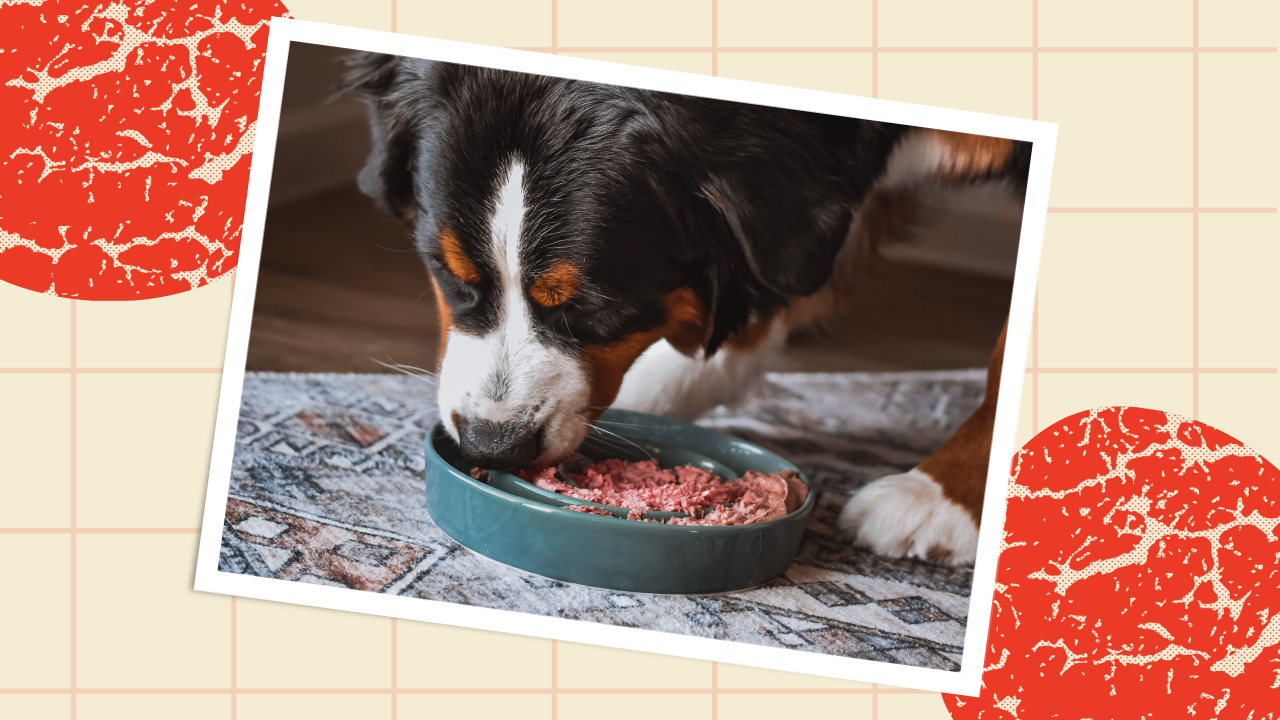
Raw food diets are another alternative, emphasizing natural, unprocessed ingredients. You can include grains that your dog tolerates well, or focus on meat and vegetables if grains cause issues. Just remember, safety and proper balance are crucial here—consulting a vet or pet nutritionist before starting is important.
Have you tried preparing your dog’s meals? What changes did you notice in their health or behavior? Adjusting your dog’s diet with alternatives to grain free options might be the key to their well-being.
Credit: wefeedraw.com
Frequently Asked Questions
Are Grain Free Diets Safe For All Dogs?
Grain free diets are safe for most dogs but not all. Dogs with specific allergies or sensitivities benefit the most. Consult your vet before switching diets to ensure it meets your dog’s health needs and lifestyle.
Do Grain Free Diets Improve Dog Digestion?
Yes, grain free diets can improve digestion in dogs with grain allergies. They often reduce gas, bloating, and stool issues. However, not all dogs require grain free food for better digestion.
Can Grain Free Diets Cause Heart Problems In Dogs?
Some studies link grain free diets to a heart condition called DCM in dogs. This risk is higher if the diet lacks key nutrients. Always choose balanced, vet-approved grain free dog food to minimize health risks.
What Ingredients Replace Grains In Grain Free Dog Food?
Grain free dog foods use potatoes, peas, lentils, or chickpeas as carb sources. These ingredients provide energy without grains. They also add fiber and nutrients to support your dog’s overall health.
Conclusion
Grain free diets can help some dogs but not all. Dogs with allergies may feel better without grains. Still, grains provide important nutrients for many dogs. Talk to your vet before changing your dog’s food. Watch your dog closely after switching diets.
Notice any changes in energy, skin, or digestion. Choose a diet that fits your dog’s needs best. Balance and variety matter most for your dog’s health. Every dog is different. Keep learning and caring for your furry friend.