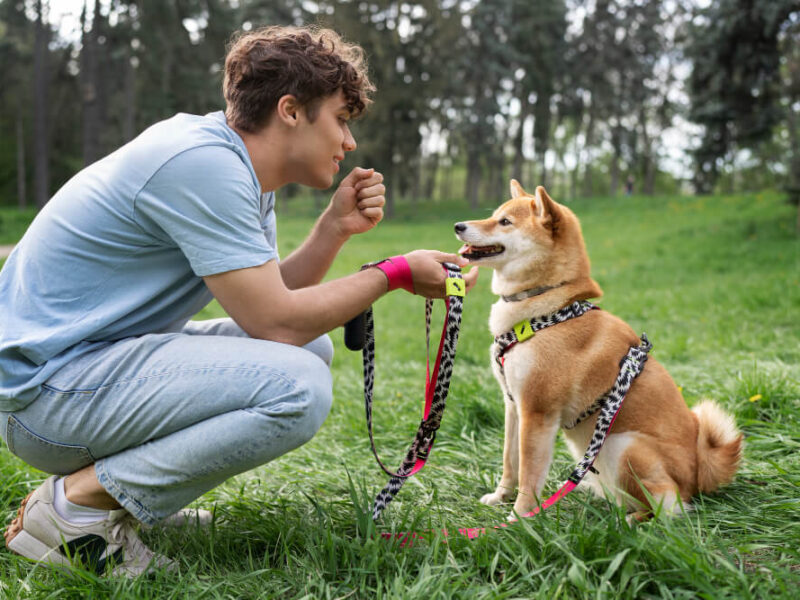

Training an older dog might seem challenging, but it’s completely possible—and rewarding. You might think your dog is too set in their ways to learn new tricks, but with the right approach, you can make training a positive experience for both of you.
Imagine improving your dog’s behavior, deepening your bond, and making daily life easier. If you want practical tips that really work, keep reading. This guide will help you understand how to train your older dog with patience and success.
Benefits Of Training Older Dogs
Training older dogs brings many rewards for both pets and owners. It can improve their behavior and make daily life easier. Training also keeps their minds sharp and active. It builds a stronger connection between you and your dog. These benefits make training a valuable experience, no matter your dog’s age.
Improving Behavior And Obedience
Older dogs can learn new commands and habits. Training helps reduce bad behaviors like barking or jumping. It teaches them to listen and follow rules. This makes walks and visits with friends more enjoyable. Consistent training brings calmness and order to your home.
Enhancing Mental Stimulation
Mental exercise is important for aging dogs. Training challenges their brain and keeps it active. Learning new tricks or commands fights boredom. It helps slow down memory loss and confusion. Mental stimulation supports overall health and happiness.
Strengthening Bond With Your Dog
Training builds trust and respect between you and your dog. It creates shared moments of focus and fun. Positive training sessions increase your dog’s confidence. The bond grows deeper as you communicate better. A strong relationship improves your dog’s quality of life.

Credit: www.aol.com
Assessing Your Dog’s Needs
Understanding your older dog’s unique needs is the first step toward effective training. Each senior dog comes with a different background, health status, and personality, so tailoring your approach is essential. Assessing these needs carefully will help you create a plan that respects your dog’s limits while encouraging positive change.
Evaluating Health And Mobility
Start by checking your dog’s physical condition. Older dogs often face joint pain, arthritis, or vision problems that affect their ability to follow commands or perform certain exercises.
Take note of any stiffness, limping, or reluctance to move. A visit to the vet can reveal hidden issues that might affect training sessions.
Adapting training to include gentle, low-impact activities can keep your dog engaged without causing discomfort. Have you noticed how your dog reacts after a walk or playtime? Those reactions tell you a lot about their physical limits.
Identifying Behavioral Challenges
Older dogs may develop new habits or anxieties that weren’t present before. These can include increased barking, separation anxiety, or changes in social behavior.
Observe your dog’s reactions to different situations and people. Are they more withdrawn or more reactive than before? Understanding these behaviors helps you address root causes rather than just symptoms.
Keeping a daily journal of your dog’s behavior can reveal patterns or triggers. Have you tried noting when your dog seems most calm or stressed? This insight can guide your training timing and methods.
Setting Realistic Training Goals
It’s important to set achievable goals that match your dog’s current abilities. Expecting a senior dog to learn complex tricks overnight is unrealistic and can lead to frustration for both of you.
Focus on maintaining or improving basic obedience, reducing unwanted behaviors, and enhancing your dog’s comfort and confidence. Break goals into small steps and celebrate progress.
Ask yourself: What does success look like for your dog? Maybe it’s responding calmly to a command or enjoying daily walks without hesitation. Clear goals help you stay focused and patient throughout the training journey.
Choosing The Right Training Methods
Gentle, patient techniques work best for training older dogs. Focus on short sessions and positive rewards to keep them motivated. Adjust exercises to match their energy and health levels.
Training an older dog can seem like a daunting task, but it’s entirely possible with the right methods. The key lies in understanding your dog’s unique personality and choosing techniques that cater to their needs. It’s never too late to teach an old dog new tricks, and with the right approach, you can make the process enjoyable for both you and your furry friend.Positive Reinforcement Techniques
Positive reinforcement is a powerful tool in training. By rewarding desired behaviors, you encourage your dog to repeat them. This method works wonders for older dogs as it builds confidence and strengthens your bond. A simple “good boy” or a quick pet can be just as effective as treats.Using Treats And Rewards Effectively
Treats are a great motivator, but it’s important to use them wisely. Offer treats immediately after the desired behavior to create a clear connection. Remember to keep treats small to avoid overfeeding. Mix up rewards with verbal praise and playtime to keep your dog engaged and excited about learning.Adapting To Your Dog’s Learning Style
Every dog learns differently. Some might respond better to verbal cues, while others excel with visual signals. Observe your dog’s reactions and adjust your training methods accordingly. Have you noticed your dog responds more eagerly to a playful tone or a particular hand gesture? Tailoring your approach to suit their learning style can make training more effective and fun.Creating A Consistent Routine
Creating a consistent routine is key to training older dogs effectively. Dogs thrive on predictability, which helps them feel secure and focused. A steady routine sets clear expectations and reduces confusion.
Older dogs may take longer to learn new habits. Consistency builds trust and reinforces learning. It also makes training a natural part of daily life.
Establishing Regular Training Sessions
Set specific times each day for training. Choose moments when your dog is calm and alert. Consistent timing helps your dog anticipate sessions and stay engaged.
Keep training sessions in the same place. A familiar environment reduces distractions and boosts focus. Use simple commands and repeat them often.
Incorporating Short And Frequent Practices
Older dogs have shorter attention spans. Short sessions prevent stress and keep learning fun. Aim for 5 to 10 minutes, two to three times daily.
Frequent practice helps solidify skills. Small steps lead to steady progress. Celebrate small wins to encourage your dog.
Maintaining Patience And Persistence
Training older dogs requires patience. Progress may be slow but steady. Avoid rushing or showing frustration.
Stay calm and positive throughout training. Repeat commands gently and clearly. Persistence helps your dog feel safe and motivated.
Addressing Common Challenges
Training older dogs comes with unique challenges. Their habits and routines are set. Change can feel uncomfortable for them. Patience and understanding help ease this process. Recognizing common hurdles makes training smoother. Here are key challenges and ways to handle them.
Overcoming Resistance To Change
Older dogs often resist new routines. Their comfort zone is familiar and safe. Introduce changes slowly and gently. Use positive rewards to encourage new behaviors. Keep training sessions short to avoid stress. Consistency helps build trust and acceptance.
Dealing With Stubbornness Or Anxiety
Stubbornness can block learning progress. Anxiety makes dogs fearful or nervous. Identify triggers causing stress or defiance. Use calm, soothing tones during training. Offer treats and praise to boost confidence. Avoid punishment; it worsens anxiety and resistance.
Managing Physical Limitations
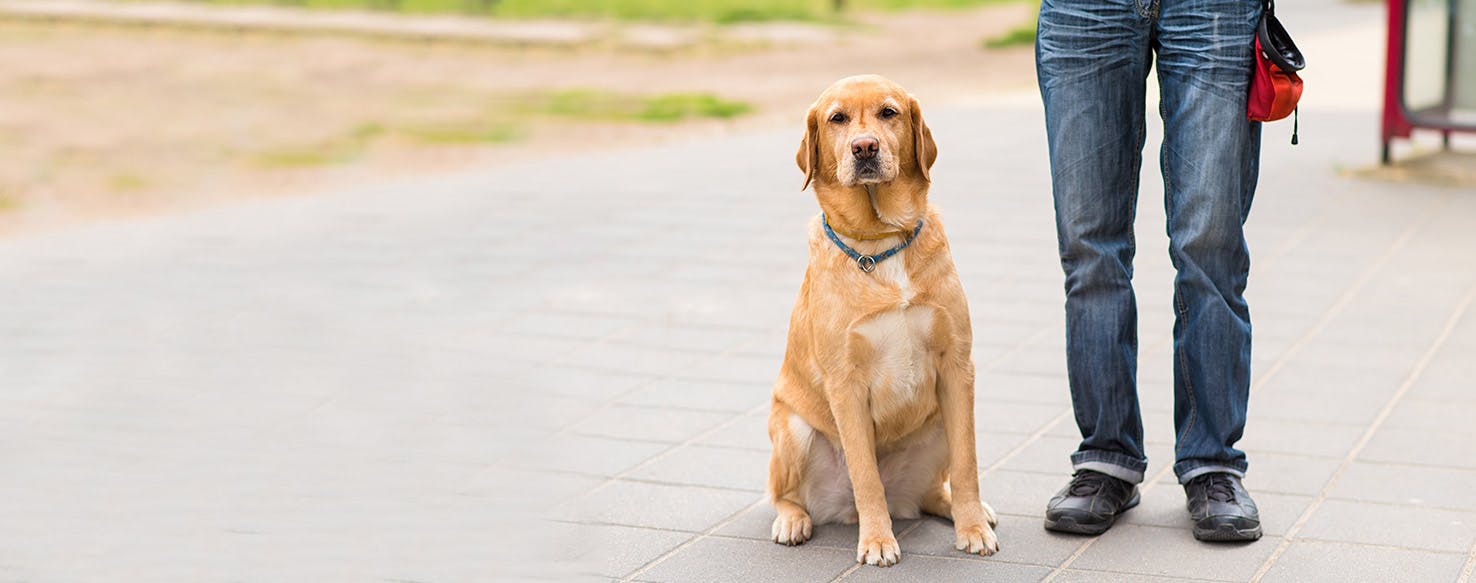
Age can bring joint pain or mobility issues. Modify exercises to suit your dog’s condition. Avoid high-impact activities or long sessions. Use soft mats or beds for comfort. Consult a vet for health advice before training. Gentle massages help relax sore muscles.
Credit: wagwalking.com
Incorporating Mental And Physical Exercises
Incorporating mental and physical exercises is vital for training older dogs. These activities help keep their minds sharp and bodies healthy. A mix of brain challenges and gentle movement improves overall well-being. It also strengthens your bond and builds confidence in your dog.
Brain Games And Puzzles
Older dogs benefit from puzzles that stimulate thinking. Use treat-dispensing toys to make learning fun. Hide treats under cups or in small boxes to encourage problem-solving. Simple commands mixed with new tricks keep their mind active. These games reduce boredom and anxiety in aging dogs.
Gentle Physical Activities
Choose low-impact exercises that suit your dog’s age and health. Short walks on soft surfaces protect joints. Swimming offers a full-body workout without strain. Stretching and slow play sessions help maintain flexibility. Regular gentle activity prevents stiffness and supports muscle tone.
Socialization Opportunities
Social time is important for mental health. Arrange calm playdates with familiar dogs. Visit quiet parks to meet other pets and people. Positive social experiences reduce loneliness and stress. Watch for signs of tiredness and adjust activities accordingly.
Monitoring Progress And Adjusting
Monitoring progress and adjusting training plans are key to success with older dogs. Each dog learns at a different pace. Tracking changes helps spot what works and what does not. Adjustments keep training effective and fun. Patience plays a big role here.
Tracking Behavioral Improvements
Keep a daily or weekly log of your dog’s behavior. Note any new commands learned or old habits broken. Look for small changes like better focus or less barking. Use simple charts or checklists to measure progress. Consistent tracking shows steady improvement over time.
Tweaking Techniques As Needed
Observe how your dog responds to different methods. If one technique causes stress, try another. Older dogs may need slower, gentler approaches. Change rewards or training times to fit your dog’s energy. Flexibility helps maintain your dog’s interest and comfort.
Celebrating Small Victories
Recognize every success, no matter how small. Praise your dog with treats, pets, or kind words. Celebrations build your dog’s confidence and willingness to learn. Small wins keep both of you motivated for the next step.
Seeking Professional Help When Needed
Training an older dog can be rewarding, but sometimes you might hit a wall. Knowing when to ask for professional help can save time and reduce frustration for both you and your dog. Professionals bring experience and techniques that can make a big difference, especially if your dog has unique challenges.
Choosing The Right Trainer
Not all trainers are the same. Look for someone who has experience with older dogs and positive reinforcement methods. Ask about their certifications and request references or success stories.
You want a trainer who understands your dog’s personality and health limitations. Sometimes a quick chat or trial session can reveal if they’re a good fit. Don’t hesitate to walk away if their approach doesn’t feel right for your dog.
When To Consult A Veterinarian
Some behavioral issues might have medical causes. If your older dog suddenly shows new challenges like aggression or anxiety, a vet visit is important. Pain, vision loss, or cognitive decline can affect training success.
Discuss your training goals with your veterinarian to rule out health problems. They might suggest medication or therapies that make training easier. Remember, good health is the foundation for effective learning.
Utilizing Support Groups And Resources
Connecting with other dog owners can provide fresh ideas and emotional support. Online forums, local meetups, or breed-specific groups often share tips tailored to older dogs.
Books, videos, and webinars from trusted trainers can add to your toolkit. Sometimes, hearing how others overcame similar challenges sparks new motivation for you and your dog.

Credit: a-z-animals.com
Frequently Asked Questions
How Can I Start Training My Older Dog?
Begin with simple commands and short sessions. Use positive reinforcement and be patient. Consistency is key to success.
Is It Harder To Train Older Dogs?
Older dogs may learn slower but can still train well. Patience and tailored methods help overcome challenges.
What Training Methods Work Best For Senior Dogs?
Use gentle, reward-based methods. Avoid harsh corrections. Focus on clear cues and gradual progress.
Can Older Dogs Learn New Tricks?
Yes, older dogs can learn new tricks. Mental stimulation keeps them sharp and happy.
Conclusion
Training older dogs takes patience and kindness. Small steps lead to big progress. Stay calm and praise often. Keep sessions short and fun. Remember, older dogs learn best with love. Consistency helps build good habits. Enjoy the journey with your dog.
Together, you can create a strong bond. Training can improve your dog’s happiness and health. Never stop learning and adapting to your dog’s needs.