
Training an old dog to pee on a pad might seem tricky, but it’s definitely possible—and you can do it! Whether your furry friend has never used a pad before or needs a little refresher, this guide will walk you through simple, effective steps.
Imagine the relief of no more accidents on your floor and the ease of managing your dog’s bathroom needs indoors. Keep reading, and you’ll discover practical tips that make this process smooth for both you and your dog. Your patience and the right approach can bring great results—let’s get started!

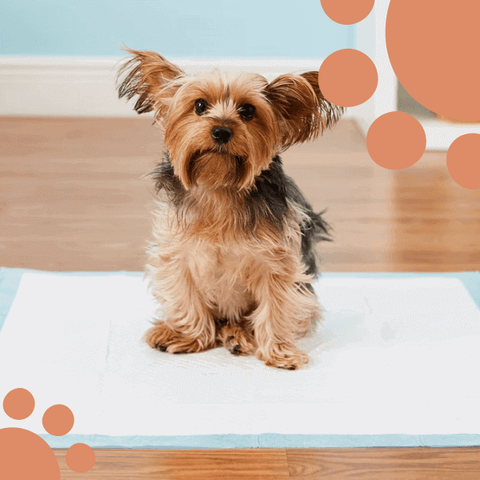
Credit: allergystore.com
Choosing The Right Pee Pad
Choosing the right pee pad is a key part of training your old dog to use it consistently. The pad needs to fit your dog’s size and habits, or it might just end up ignored. This choice affects how quickly your dog learns and how clean your home stays.
Material And Size Options
Pee pads come in various materials, each with pros and cons. Some pads have a thick absorbent core that locks in moisture, keeping the surface dry and comfortable for your dog. Others are thinner and cheaper but may leak or smell faster.
Size matters too. A small pad might suit a tiny dog, but if your dog is larger, you’ll need a bigger pad to avoid messes around the edges. Have you noticed how your dog moves before peeing? If they like to circle, a larger pad gives them more room and less frustration.
- Standard pads:Typically 22×22 inches, good for small to medium dogs.
- Extra-large pads:Around 30×30 inches, better for large dogs or those who move a lot.
- Disposable vs. washable:Disposable pads are convenient but can add up in cost. Washable pads save money but require cleaning.
Placement Tips
Where you place the pad can make or break your training efforts. Dogs prefer a quiet, low-traffic spot that feels safe and private. Avoid placing pads near their food or sleeping areas, as dogs dislike soiling near where they eat or rest.
Try placing the pad in the same spot each time to build a strong habit. If your dog is used to going outside, put the pad near the door they usually exit. This makes the transition easier and taps into their existing routine.
Think about your daily schedule too. Is the spot accessible when you’re not home? If your dog has mobility issues, make sure the pad is easy to reach without obstacles.
Preparing Your Dog
Preparing your dog to use a pee pad requires patience and understanding. Older dogs may have special needs or habits. Recognizing these needs helps create a smooth training process. Setting up the right environment makes your dog feel safe and comfortable. Start by learning about your dog’s habits and behavior. Then gather all the supplies needed for training. This preparation sets a strong foundation for success.
Assessing Your Dog’s Needs
Observe your dog’s bathroom habits closely. Note the times your dog usually needs to go. Check if your dog has any health issues affecting bathroom habits. Older dogs might have weaker bladder control. Consider any mobility problems that might affect reaching the pad. Understanding these needs guides your training approach. Adjust expectations based on your dog’s age and health.
Gathering Supplies
Collect all items before starting training. A good quality pee pad is essential. Choose pads that are absorbent and leak-proof. Place a non-slip mat under the pad to keep it stable. Have cleaning supplies ready for accidents. Use gentle, pet-safe cleaners to avoid irritation. Treats and rewards help reinforce good behavior. Keep everything within easy reach for training sessions.
Introducing The Pee Pad
Introducing a pee pad to your older dog is a key step in helping them adjust to indoor bathroom habits. It’s not just about placing the pad somewhere; it’s about making the pad a familiar and positive space. Your dog needs to understand that this new spot is the right place to relieve themselves.
Familiarizing Your Dog
Start by placing the pee pad in a quiet, low-traffic area where your dog already spends time. Let your dog explore the pad naturally, without pressure. You might notice your dog sniffing around or even lying near it, which is a good sign they are getting comfortable.
Try placing some of your dog’s toys or a blanket with their scent near the pad. This makes the area more inviting and less strange. Have you noticed your dog’s curiosity when introduced to something new at home? Use that interest to your advantage here.
Using Positive Reinforcement
Every time your dog shows interest in the pee pad or uses it correctly, reward them immediately. Use treats, praise, or their favorite toy to make the experience positive. Timing is crucial—rewards must come right after the desired behavior.
If your dog has accidents nearby, avoid punishment. Instead, calmly guide them to the pad and reward any attempt to use it. How might your dog’s behavior change if they associate the pad with positive moments rather than stress?
Consistency is your best tool. Keep the pad in the same spot and celebrate every success, no matter how small. Over time, your dog will connect the dots and feel confident using the pee pad.
Establishing A Routine
Establishing a routine is essential when training your old dog to pee on a pad. Dogs thrive on consistency, especially older ones who may have set habits. A clear routine helps your dog understand what you expect and reduces accidents.
Setting Scheduled Breaks
Set specific times during the day for your dog to use the pee pad. Older dogs often have predictable bathroom needs, so watch for natural times like after meals or waking up. Make these breaks consistent, so your dog starts to anticipate them.
Try setting alarms on your phone to remind yourself and stick to the schedule. During these breaks, bring your dog to the pad, and praise them when they use it. Positive reinforcement makes a big difference in learning.
Monitoring Behavior
Pay close attention to signs your dog needs to pee, such as sniffing or circling. Catching these behaviors early lets you guide your dog to the pad before an accident happens. Keep a small notebook or use an app to track these behaviors and times.
Have you noticed certain triggers that make your dog restless? Noticing patterns in behavior can help you adjust the routine to fit your dog’s unique needs. This personalized approach increases your chances of success.
Handling Accidents
Accidents happen, especially with older dogs learning new habits. Gently guide your dog to the pad and praise any progress made. Patience and consistency help your dog adjust to peeing on the pad over time.
Training an older dog to pee on a pad can be a rewarding challenge. It requires patience, consistency, and a touch of creativity. Inevitably, accidents will happen. How you handle these moments can make all the difference in your training success. Instead of viewing accidents as setbacks, consider them learning opportunities for both you and your furry friend.Cleaning Techniques
Proper cleaning is crucial when accidents occur. Use an enzymatic cleaner to eliminate odors completely. These cleaners break down the urine’s proteins, preventing your dog from returning to the same spot. Regular household cleaners may mask the smell to you, but your dog’s sensitive nose can still detect it. This could lead to repeated accidents in the same area. Invest in a black light to find any hidden spots that may have gone unnoticed. This tool can be surprisingly effective in ensuring your space stays fresh and clean.Avoiding Negative Reactions
Accidents can be frustrating, but it’s essential to maintain a calm demeanor. Negative reactions like yelling or punishment can confuse and scare your dog, making training more difficult. Instead, focus on positive reinforcement. When your dog successfully uses the pad, offer treats and praise to encourage the behavior. Take a moment to assess if there’s a pattern to the accidents. Are they happening at a particular time or place? Adjust your training strategy accordingly to set your dog up for success. Have you ever considered your dog’s perspective during training? Understanding their cues and signals can provide valuable insights into their behavior. This empathy can transform your approach and strengthen the bond you share.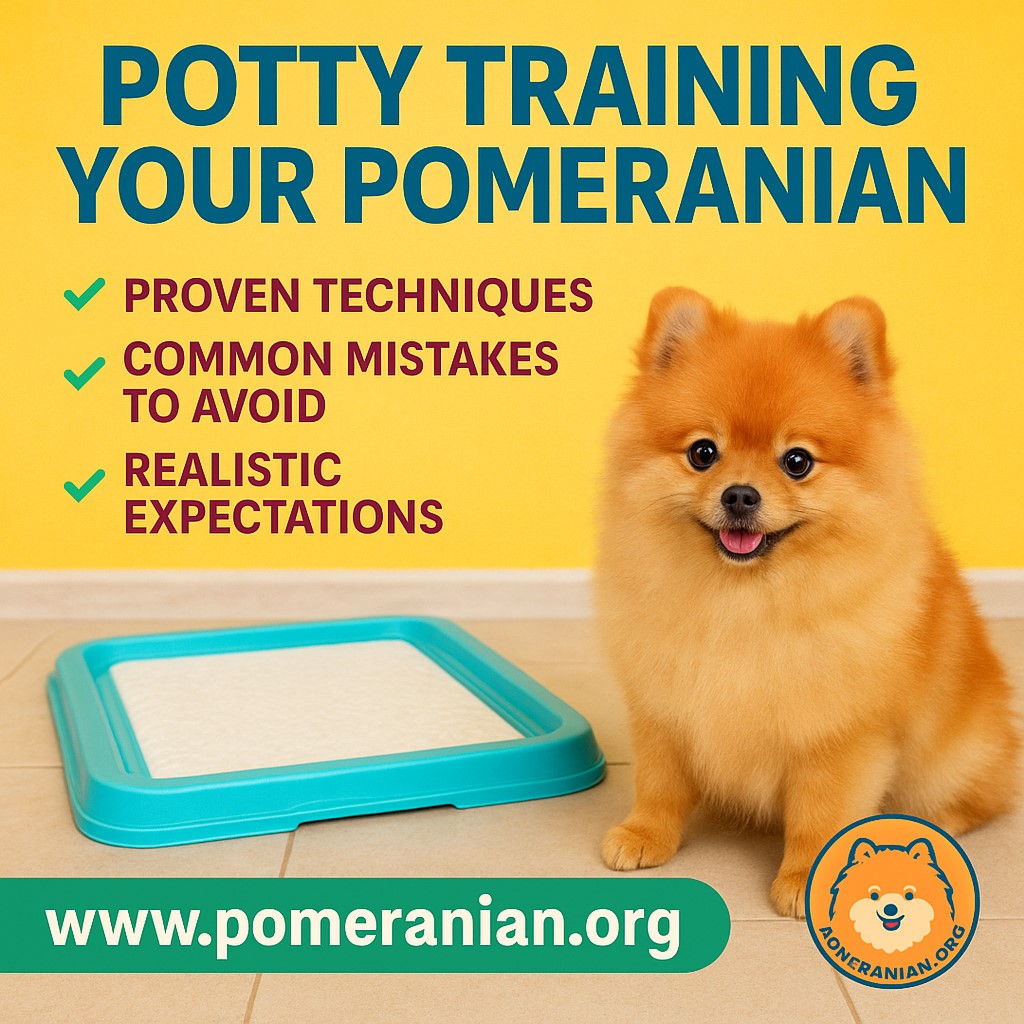
Credit: pomeranian.org
Encouraging Consistency
Encouraging consistency is key when training an old dog to pee on a pad. Dogs learn best through steady routines. Repetition helps build habits. Without consistency, confusion and accidents increase. A clear, predictable pattern supports success.
Reward Systems
Use rewards to motivate your dog. Praise and treats work well. Give treats right after your dog uses the pad. This links the action to a positive result. Keep rewards small and tasty. Consistent rewards make your dog eager to repeat the behavior.
Verbal praise, like “Good job!” also helps. Use a happy tone to show approval. Rewards must be given every time at first. This strengthens the habit quickly. Gradually, you can reduce treats but keep praise.
Gradual Independence
Start by placing the pad in a fixed spot. This creates a clear target area. Gradually move the pad closer to the door or outside. This helps your dog learn new spots slowly. Change the pad location in small steps only.
Allow your dog to find the pad alone. Encourage them to go without help. This builds confidence and independence. Be patient as your dog adapts. Consistent routines and small changes reduce stress.
Adjusting For Challenges
Training an old dog to pee on a pad can come with unexpected challenges. Age may bring health problems or behavioral changes. Patience and careful adjustments help overcome these hurdles. Understanding these challenges is key to making progress.
Addressing Health Issues
Health problems can affect a dog’s ability to use the pad. Urinary tract infections or arthritis can cause discomfort. Watch for signs like frequent accidents or difficulty moving. A vet visit can identify and treat these issues. Treating health problems often improves training success.
Seeking Professional Help
Sometimes, training challenges need expert support. A professional dog trainer or behaviorist can offer tailored advice. They understand how to work with older dogs. Trainers can show techniques to encourage pad use. Getting help can speed up the learning process.

Credit: aminpetshop.com
Frequently Asked Questions
How Long Does It Take To Train An Old Dog To Pee On A Pad?
Training duration varies, but consistency usually shows results in 2-4 weeks. Older dogs may need extra patience and positive reinforcement.
What Is The Best Pee Pad For Old Dogs?
Choose absorbent, odor-controlling, and non-slip pee pads. Look for eco-friendly options for safety and easy disposal.
How Often Should I Change My Dog’s Pee Pad?
Change the pad immediately after use to maintain hygiene. Frequent changes prevent odors and encourage consistent pad use.
Can Old Dogs Learn To Use Pee Pads Indoors?
Yes, with proper training and patience, old dogs can adapt to indoor pee pads successfully.
Conclusion
Training an old dog to pee on a pad takes time and patience. Consistency helps your dog learn faster and feel safe. Praise and rewards encourage good behavior every time. Watch your dog closely and act quickly when needed. Small steps lead to big progress.
Keep routines simple and clear for your dog’s understanding. Remember, your kindness makes a big difference. Stick with the process, and success will come. Your older dog can adapt well with gentle training. Stay patient, and enjoy the journey together.