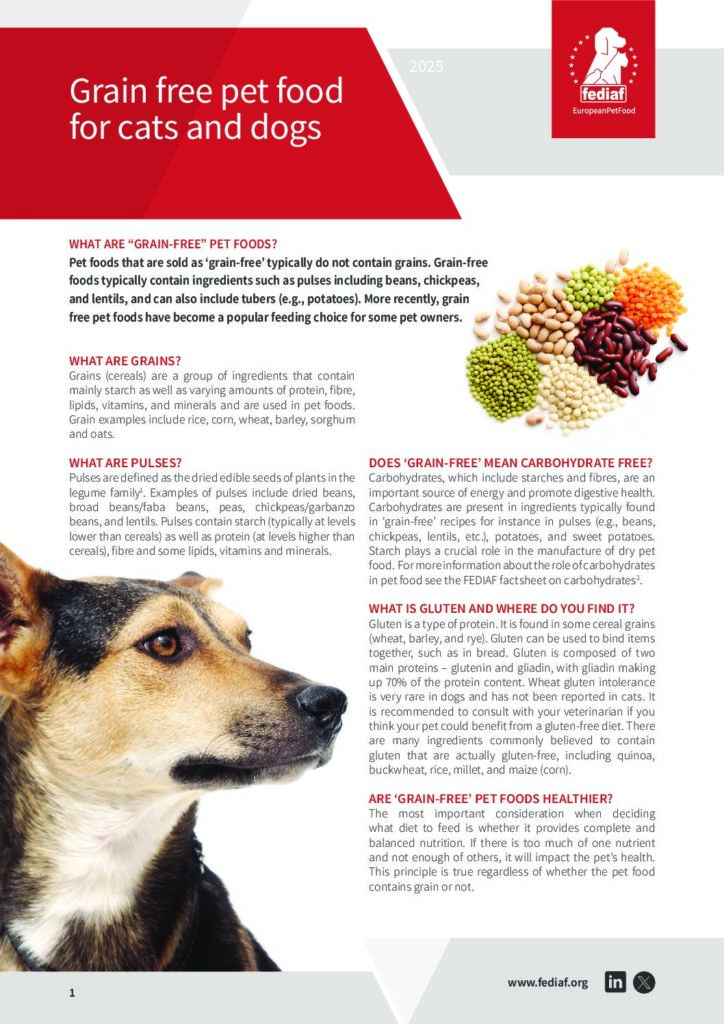

Are you wondering if a grain free diet could be the key to better health for your dog? You’re not alone.
Many pet owners ask what grain free really means and how it might affect their furry friend. Imagine your dog feeling more energetic, having a shinier coat, and fewer stomach troubles. This article will help you understand what a grain free diet does for dogs and whether it’s the right choice for your companion.
Keep reading to discover how changing your dog’s food could make a big difference.
Credit: wefeedraw.com
Grain Free Diet Basics
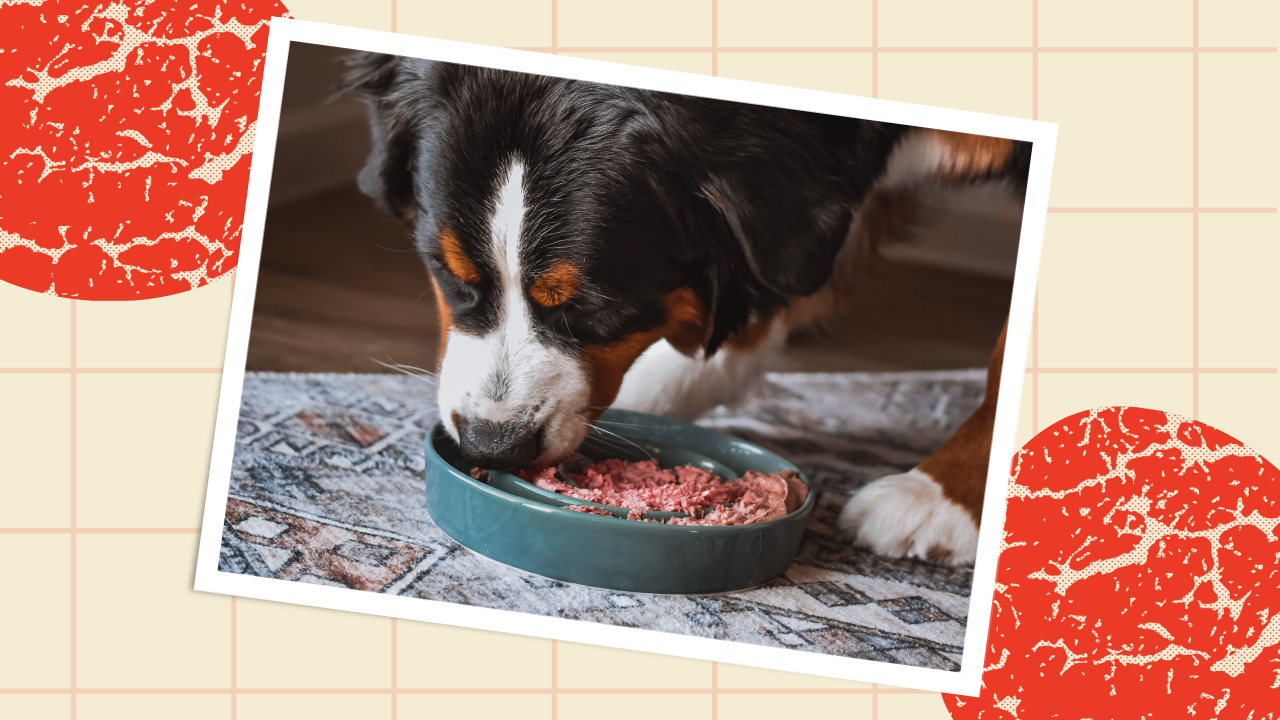
A grain free diet for dogs means eliminating grains like wheat, corn, and rice from their meals. Many pet owners choose this to address allergies, digestive issues, or simply to provide a more natural diet for their furry friends. Understanding the basics helps you decide if this diet suits your dog’s specific needs.
What Grains Are Left Out
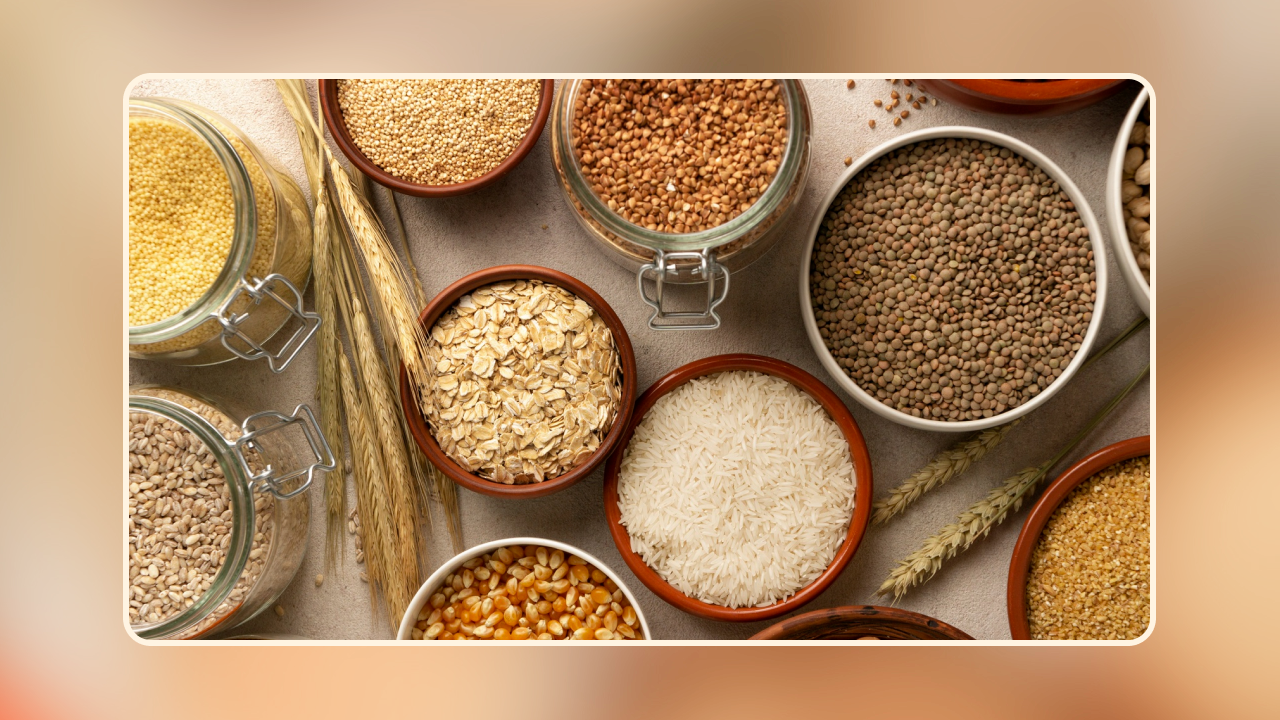
Grain free diets avoid common grains such as:
- Wheat– often linked to allergies in dogs.
- Corn– can be hard to digest for some dogs.
- Rice– a filler ingredient that some owners prefer to skip.
- Barley and oats– also excluded as they are grains.
Leaving out these grains means your dog’s food focuses on other nutrient sources. Have you noticed any changes in your dog’s energy or digestion when switching to grain free?
Common Ingredients In Grain Free Foods
Instead of grains, grain free dog foods use alternative ingredients like:
- Potatoes– a good source of carbohydrates and energy.
- Sweet potatoes– packed with fiber and vitamins.
- Pulses(peas, lentils) – provide protein and fiber.
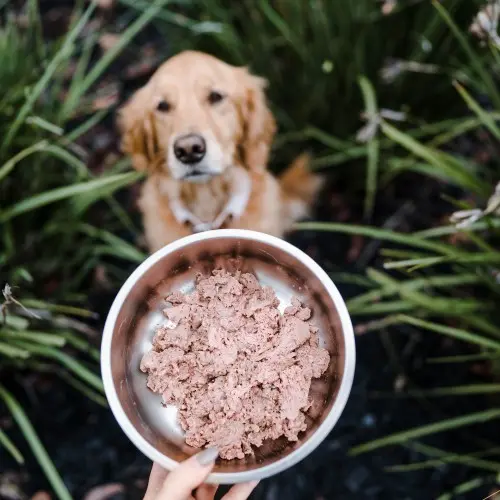
- Meat and fish– often the main protein source.
- Vegetables– add vitamins, minerals, and antioxidants.
These ingredients aim to meet your dog’s nutritional needs without grains. Have you checked if your dog’s food labels clearly list these alternatives?
Health Benefits For Dogs
A grain free diet offers several health benefits for dogs. It focuses on natural ingredients that match a dog’s digestive system. Many dogs show positive changes in health after switching to grain free food. These benefits often improve overall well-being and comfort.
Improved Digestion
Grain free diets often include easily digestible ingredients. Dogs with sensitive stomachs may experience less gas and bloating. This diet helps reduce digestive upset and supports regular bowel movements. Better digestion means dogs feel more comfortable and energetic.
Allergy Relief
Grains can cause allergic reactions in some dogs. Symptoms include itching, redness, and ear infections. Removing grains helps reduce these allergic responses. Dogs often show fewer signs of discomfort and skin irritation on a grain free diet.
Better Skin And Coat
Grain free foods usually contain higher levels of healthy fats. These fats help improve skin hydration and shine. Dogs often develop softer fur and less dandruff. A healthy coat is a clear sign of good nutrition.
Weight Management
Grain free diets often have balanced protein and fat levels. This supports lean muscle and healthy weight. Dogs on this diet can maintain an ideal body condition. Weight control lowers the risk of many health problems.
Potential Risks And Concerns
A grain-free diet for dogs may seem appealing, but it carries potential risks and concerns. This diet lacks traditional grains, which can lead to unexpected health issues. Understanding these risks helps dog owners make informed choices.
Nutritional Imbalance
Grains provide essential nutrients for dogs. Without them, dogs may miss vital vitamins and minerals. This can result in a nutritional imbalance. Such imbalances may affect a dog’s overall health and energy levels. Dogs need a balanced diet to thrive.
Heart Health Issues
Recent studies suggest a link between grain-free diets and heart problems. Some dogs on these diets develop dilated cardiomyopathy (DCM). This condition weakens the heart and can be life-threatening. Ensuring heart health is crucial for a dog’s longevity.
Cost And Accessibility
Grain-free foods often cost more than regular dog food. This can strain a pet owner’s budget. Moreover, these specialized foods may not be available everywhere. Limited access can make it challenging for dog owners to maintain the diet.
Credit: wefeedraw.com
Common Myths About Grain Free Diets
Grain free diets for dogs often come with many misconceptions. These myths can confuse dog owners about what is truly best for their pets. Understanding the facts helps make better food choices for dogs’ health and happiness.
Grain Free Means Healthier
Many believe grain free food is always healthier. This is not true. Some dogs do well on grain free diets, but others get all nutrients they need from grains. Grains can provide energy and fiber. Health depends on the whole diet, not just the presence or absence of grains.
All Dogs Need Grain Free Food
Not every dog needs grain free food. Dogs with allergies or sensitivities may benefit from it. Most dogs digest grains without problems. Grain free food is not a must for every dog. Talk to a vet before changing your dog’s diet.
Grains Are Always Harmful
Grains are not always harmful to dogs. They are a good source of vitamins and minerals. Some dogs may react to specific grains, but many do not. Grain intolerance is different from allergy. Avoiding grains without cause can limit important nutrients.
Choosing The Right Diet For Your Dog
Choosing the right diet for your dog is a decision that affects their health, energy, and overall happiness. Each dog’s needs are unique, so what works well for one might not be ideal for another. Taking time to understand the options and how your dog responds is key to making a smart choice.
Consulting Your Veterinarian
Your veterinarian knows your dog’s health history and can guide you toward the best diet. They can identify whether a grain-free diet is suitable or if other nutritional needs should take priority. Asking specific questions about allergies, sensitivities, or weight concerns can reveal important insights.
Don’t hesitate to share any changes you notice after switching foods. Your vet’s advice can help you tweak the diet to fit your dog perfectly. Have you discussed your dog’s diet during their last visit?
Reading Ingredient Labels
Labels tell you what’s really in your dog’s food. Look beyond “grain-free” claims and check for high-quality protein sources like chicken, beef, or fish. Avoid foods with fillers such as corn, wheat, or soy, which can cause digestive upset for some dogs.
Watch out for added sugars and artificial preservatives that don’t benefit your dog’s health. Ingredients should be clear and understandable—if you can’t pronounce them, your dog probably shouldn’t eat them. Have you checked your current dog food’s label recently?
Monitoring Your Dog’s Response
Switching diets means watching your dog closely for any changes. Keep an eye on their energy levels, coat condition, and bathroom habits. Positive signs include shinier fur, better digestion, and more enthusiasm during walks.
If you notice itching, vomiting, or diarrhea, it might be a sign the new diet isn’t agreeing with them. Track these changes in a journal to provide detailed feedback to your vet. How does your dog react after meals—does their behavior tell you anything?
Credit: wefeedraw.com
Frequently Asked Questions
What Are The Benefits Of A Grain Free Diet For Dogs?
A grain free diet can reduce allergies and improve digestion in dogs. It supports healthier skin, coat, and weight management.
Can Grain Free Diets Help Dogs With Allergies?
Yes, grain free diets often help dogs with grain sensitivities or allergies by eliminating common allergens like wheat and corn.
Is A Grain Free Diet Suitable For All Dog Breeds?
Grain free diets may benefit some dogs, but not all breeds need them. Consult your vet before switching diets.
How Does A Grain Free Diet Affect Dog Digestion?
Grain free diets can improve digestion by reducing inflammation and promoting nutrient absorption, especially for dogs with sensitive stomachs.
Conclusion
A grain free diet can help dogs with allergies or sensitive stomachs. It may reduce itching and improve digestion. Some dogs have more energy and shinier coats on this diet. Always check with a vet before changing your dog’s food.
Each dog is different, so watch how they respond. Choosing the right diet supports your dog’s health and happiness. Simple changes can make a big difference in their life. Think about your dog’s needs and talk to a professional. That way, your furry friend stays strong and healthy.