
Is your dog leaving unwanted puddles inside your home? It can be frustrating and stressful, but you’re not alone—and there’s a way to fix it.
Training your dog not to pee inside doesn’t have to be a constant battle. With the right steps, you can create a cleaner, happier space for both you and your furry friend. Keep reading, and you’ll discover simple, effective techniques that anyone can use to solve this common problem once and for all.
Choose The Right Spot
Choosing the right spot for your dog to pee is key to training success. Dogs respond well to clear, consistent signals. A designated spot helps them understand where to go. This reduces accidents inside the house. It also makes cleaning easier for you. The location should fit your lifestyle and your dog’s needs. Consider space, weather, and convenience before deciding.
Indoor Vs Outdoor Options
Indoor spots work well for small spaces or bad weather days. Use pee pads or a litter box designed for dogs. Place these in quiet, low-traffic areas. Outdoor spots are ideal for dogs with easy yard access. Pick a spot away from play areas and garden beds. Make sure it is safe and easy to reach. Both options need regular cleaning to avoid smells and stains.
Consistent Location Benefits
Sticking to one spot makes training faster and clearer. Dogs learn by repetition and routine. Returning to the same place helps them connect the action with the location. It reduces confusion and stress for the dog. Consistency builds good habits and avoids mixed signals. Your dog will start to wait for the right time and place to pee.

Credit: www.amazon.com
Establish A Routine
Creating a consistent routine is key to teaching your dog not to pee inside. Dogs thrive on predictability, and a steady schedule helps them understand when and where they are expected to go. This reduces accidents and builds good bathroom habits quickly.
Regular Potty Breaks
Take your dog outside frequently throughout the day, especially during the first few weeks of training. Aim for breaks every two to three hours so your dog doesn’t get too uncomfortable. Regular trips outside give your dog plenty of chances to relieve themselves in the right spot.
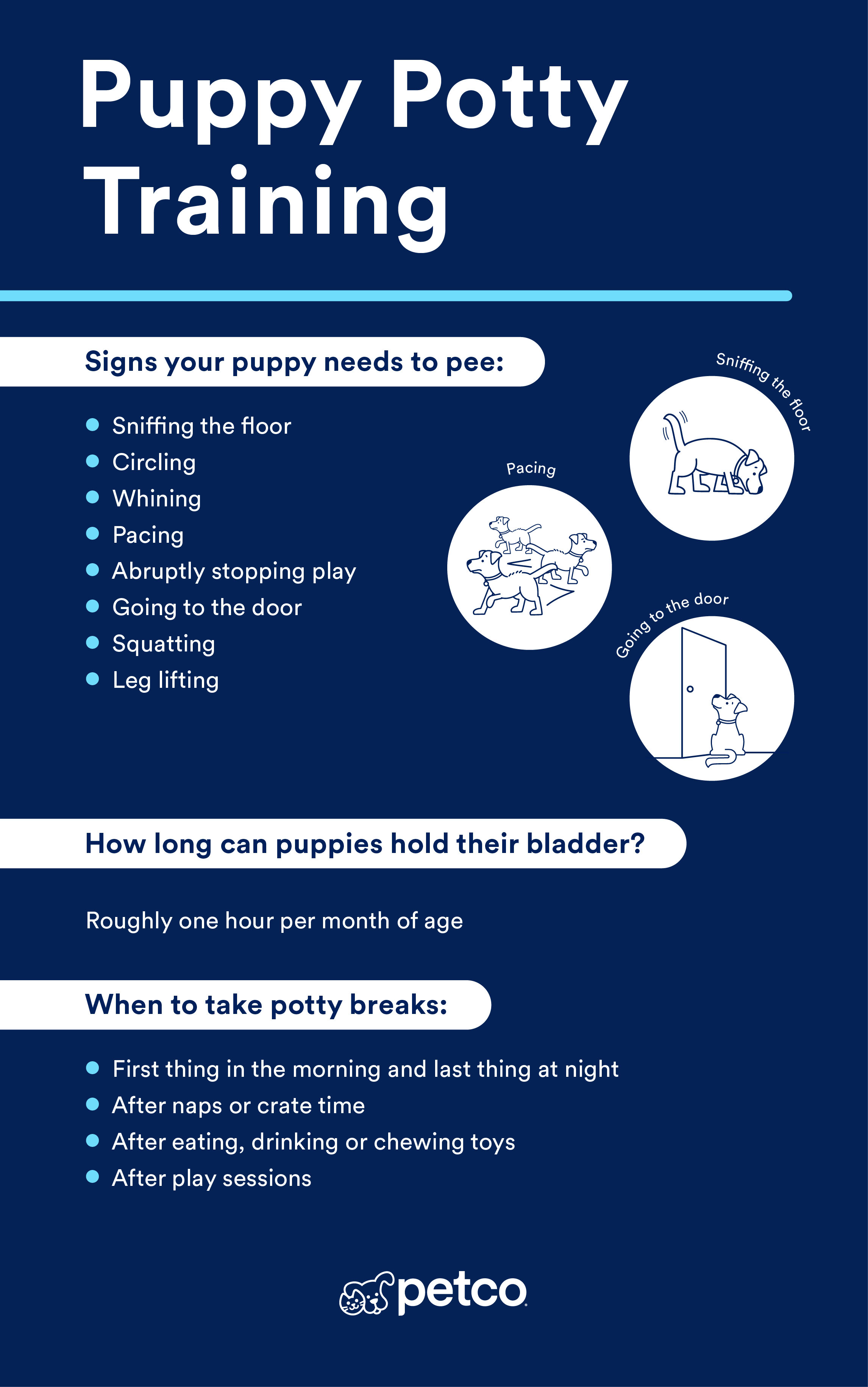
Watch your dog’s behavior closely. If they start sniffing around or circling, it’s often a sign they need to go. Acting quickly to take them outside at these moments can prevent accidents inside and reinforce good habits.
Timing After Meals And Play
Right after your dog eats or plays is the best time to offer a potty break. Food and activity stimulate their digestive system, making it more likely they’ll need to go soon. Take advantage of these natural cues by heading outdoors within 15 to 30 minutes after meals or energetic play sessions.
I once missed this timing with my own dog, and accidents happened frequently. Adjusting our schedule to match these key moments made a huge difference. Are you paying attention to when your dog usually needs to go after eating or playing?
Use Positive Reinforcement
Praise your dog immediately after it pees outside. Rewards like treats or affection encourage good bathroom habits quickly. Positive reinforcement builds trust and helps your dog learn faster.
Training a dog not to pee inside can be a rewarding experience for both you and your furry friend, especially when you harness the power of positive reinforcement. This method focuses on praising and rewarding your dog for good behavior, creating a positive association with going potty outside. By reinforcing the behavior you want to see, you effectively encourage your dog to repeat it.Rewarding Good Behavior
Consistency is key when rewarding your dog for peeing outside. Always carry treats with you during bathroom breaks. The moment your dog finishes peeing outside, immediately reward them with a treat and verbal praise. Keep the praise enthusiastic. Dogs respond well to excitement in your voice. A simple “good job!” or “well done!” can work wonders alongside a tasty treat. Reinforcing good behavior doesn’t stop at treats. You can also use playtime as a reward. If your dog loves playing fetch, a quick game after a successful potty trip can be a great motivator.Types Of Treats And Praise
Choose treats that your dog loves but doesn’t get often. This makes them special and more appealing. Small, soft treats work best because they are quick to consume and won’t interrupt the training session. Mix up your rewards to keep your dog interested. Aside from treats, you can offer belly rubs, ear scratches, or a favorite toy. Pay attention to what your dog enjoys most. Praise should be immediate and genuine. Dogs can sense sincerity, so make sure your praise is heartfelt. How does your dog respond to different types of praise? Observing their reactions can help you tailor your approach. Positive reinforcement is a powerful tool. It’s not just about stopping your dog from peeing inside; it’s about building a bond based on trust and understanding. Are you ready to see the transformation in your dog’s behavior?Recognize Signs And Signals
Training a dog not to pee inside starts with recognizing its signs and signals. Dogs usually show clear behaviors before they need to go. Understanding these hints helps you respond quickly and prevent accidents. Watching your dog closely builds better communication and trust. It makes house training easier and faster.
Common Pre-pee Behaviors
- Sniffing around the floor or corners
- Circling in one spot repeatedly
- Sitting or standing still and looking restless
- Whining or pacing near the door
- Sudden attention shifts or stopping play
These actions show your dog feels the need to pee. Each dog may have unique signals. Observing daily habits helps you spot these signs early.
Acting Quickly To Guide Your Dog
Once you notice the signs, act fast. Gently take your dog to the designated potty area. Use a calm voice to encourage them. Praise your dog when it pees outside. This positive response teaches good habits.
Interrupt indoor peeing calmly and lead your dog outside right away. Avoid punishment. It can cause fear and confusion. Consistent timing and patience improve success.
Prevent Accidents Indoors
Preventing indoor accidents is key to successful dog training. Keeping your home clean and managing your dog’s environment helps reduce mistakes. Consistency and patience make a big difference. Focus on controlling where your dog goes and removing any smells that invite accidents.
Limiting Access To Problem Areas
Block off rooms or corners where your dog often pees. Use baby gates or close doors to keep your dog away. Confine your dog to a smaller space with a potty pad or crate. This reduces chances of accidents and helps build good habits. Always supervise your dog in new areas until trust is built.
Cleaning Up Properly To Remove Odors
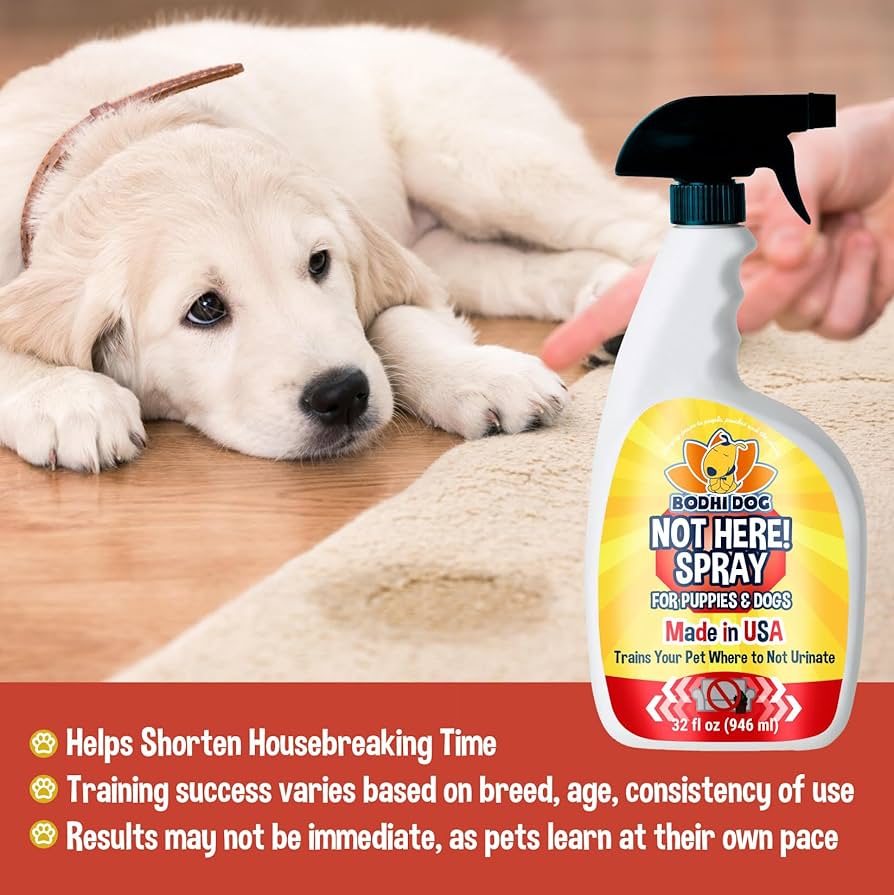
Clean accidents immediately to stop your dog from returning there. Use enzymatic cleaners made for pet urine. These break down smells better than regular cleaners. Avoid ammonia-based products as they smell like urine to dogs. Proper cleaning removes the scent and discourages repeat accidents.
Credit: www.petco.com
Crate Training Basics
Crate training is a powerful tool to help your dog learn where to pee and where not to. It creates a controlled environment that encourages your dog to hold their bladder until they can go outside. Let’s break down how to use crates effectively to prevent indoor accidents.
Safe And Comfortable Space
Your crate should feel like a cozy den, not a punishment box. Use soft bedding and place familiar toys inside to make it inviting. Dogs are naturally clean animals and tend to avoid soiling their sleeping area, which works in your favor.
Think about your own comfort—would you want to stay somewhere cold and hard? Neither does your dog. A comfortable crate helps reduce anxiety, making your dog more willing to stay inside calmly.
Using Crates To Encourage Holding
The key to crate training is timing. Dogs usually won’t pee where they sleep, so keep your dog in the crate for short periods initially. Gradually increase the time as they learn to hold their bladder.
Watch your dog’s signals closely and take them outside right after releasing them from the crate. This builds a strong connection between holding it in and going outdoors.
- Keep crate sessions consistent and avoid overusing it
- Never use the crate as punishment, or your dog may develop fear
- Offer praise and treats when your dog pees outside after crate time
Have you noticed how your dog reacts when you bring out the leash? Use that excitement to your advantage by linking crate time with positive walks. This way, your dog learns that holding it means a fun reward is coming.
Addressing Setbacks
Training a dog not to pee inside can be challenging. Setbacks are normal during this process. Dogs might have accidents even after progress. How you handle these moments shapes the success of training. Stay calm and focused. Avoid punishment, as it can create fear and confusion.
Staying Patient And Consistent
Patience is key when setbacks occur. Dogs learn at different speeds. Keep a regular schedule for bathroom breaks. Praise your dog for going outside. Consistency helps your dog understand what you expect. Clean accidents with an enzyme cleaner to remove smells. This prevents repeat accidents in the same spot.
Use the same commands and routines daily. Avoid changing rules suddenly. This creates confusion for your dog. Remember, small mistakes do not mean failure. Stay calm and keep encouraging good behavior.
When To Seek Professional Help
Sometimes setbacks signal deeper issues. If accidents continue despite your efforts, ask for help. A vet can check for health problems causing accidents. Behavioral experts or trainers provide guidance on tough cases.
Professional help can offer:
- Personalized training plans
- Advice on behavior correction
- Support for anxiety or stress-related issues
Getting help early saves time and frustration. It improves your dog’s comfort and your peace of mind.

Credit: www.amazon.com
Frequently Asked Questions
How Long Does Dog Pee Training Usually Take?
Dog pee training typically takes 4 to 6 weeks with consistent effort. Regular schedules and positive reinforcement speed up the process. Patience is key, as each dog learns at a different pace. Consistency ensures your dog understands where to pee.
What Are The Best Methods To Stop Indoor Peeing?
Use crate training, frequent potty breaks, and reward good behavior. Clean accidents thoroughly to remove odors that encourage repeat peeing. Positive reinforcement with treats and praise helps dogs learn preferred spots. Avoid punishment to prevent fear or anxiety.
How Can I Prevent My Dog From Peeing Indoors At Night?
Limit water intake before bedtime and take your dog out late at night. Create a calm, consistent nighttime routine to reduce accidents. Use a crate or confined space to encourage bladder control. Reward nighttime bathroom trips outside to reinforce good habits.
When Should I Consult A Vet About My Dog’s Peeing Issues?
Consult a vet if indoor peeing starts suddenly or occurs frequently. Medical issues like infections or bladder problems may cause inappropriate urination. A vet can diagnose and recommend treatment to resolve health-related causes promptly.
Conclusion
Training your dog not to pee inside takes time and patience. Keep a regular schedule for bathroom breaks. Praise your dog when they go outside. Clean any indoor accidents quickly and well. Stay calm and consistent with your training. Your dog will learn where to go.
Enjoy the process and celebrate small wins. A happy dog means a happy home.