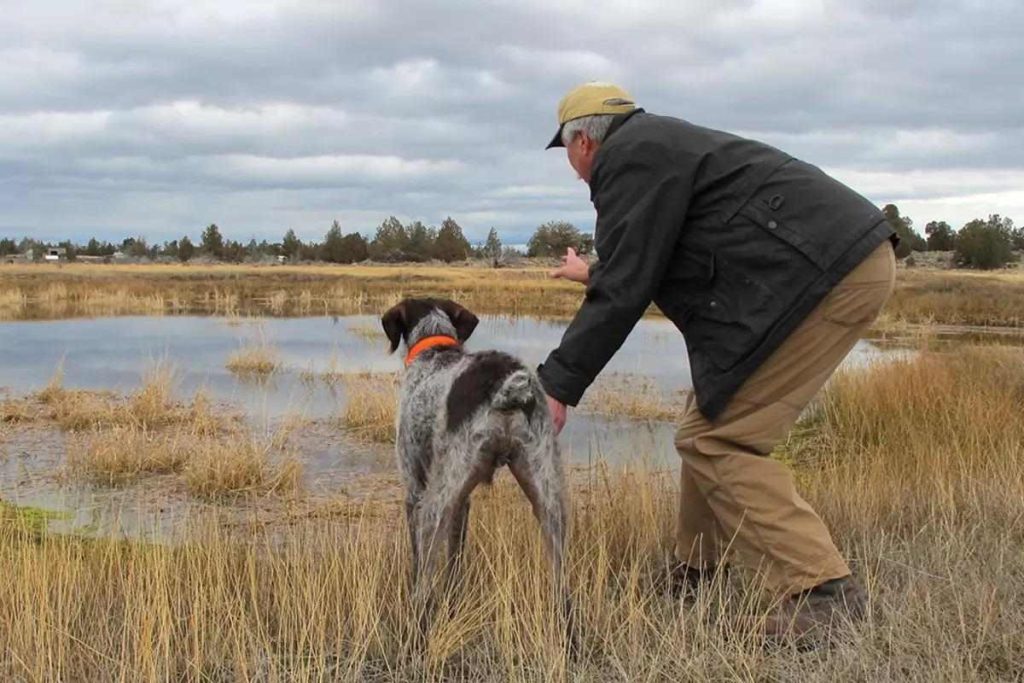

If you want your dog to become a skilled hunting partner, training is key. Teaching your dog to hunt isn’t just about commands—it’s about building trust, focus, and teamwork.
Imagine the pride you’ll feel when your dog tracks game confidently, responding to your every cue. This guide will show you simple, step-by-step methods to turn your dog’s natural instincts into effective hunting skills. Ready to unlock your dog’s full potential?
Keep reading to discover how you can make hunting training both fun and successful for you and your furry friend.

Credit: www.youtube.com
Choosing The Right Breed
Choosing the right breed is the foundation of training your dog to hunt effectively. Not every dog has the natural instincts or physical traits needed for hunting tasks. Picking a breed that matches your hunting style and environment can save you time and frustration.
Traits Of Good Hunting Dogs
Good hunting dogs share specific traits that make them reliable partners in the field. They must have a strong sense of smell to track scents accurately. Endurance and agility help them cover rough terrain without tiring quickly.
Trainability is another crucial trait. Dogs that learn commands quickly and respond well to guidance will progress faster in hunting skills. Also, a steady temperament ensures the dog stays focused even in distracting environments.
Think about your needs: Do you want a dog that points, retrieves, or flushes out game? Each task requires different natural abilities. Matching these traits with your hunting goals increases your chances of success.
Popular Hunting Breeds
| Breed | Hunting Specialty | Key Traits |
|---|---|---|
| German Shorthaired Pointer | Pointing & Retrieving | Energetic, intelligent, versatile |
| Labrador Retriever | Retrieving | Friendly, obedient, strong swimmer |
| Beagle | Tracking small game | Curious, determined, excellent nose |
| English Springer Spaniel | Flushing & Retrieving | Energetic, eager to please, good swimmer |
| Bloodhound | Tracking | Exceptional scenting ability, persistent |
My own experience with a Labrador Retriever showed me how patience and the right breed choice make training enjoyable. This breed’s natural love for water and retrieving made waterfowl hunting a breeze. What kind of hunting do you want to pursue, and which breed fits your lifestyle best?
Basic Obedience Training
Basic obedience training lays the foundation for a dog’s hunting skills. A well-trained dog listens and follows commands quickly. This training improves communication between you and your dog. It also helps your dog stay safe during hunting trips. Patience and consistency are key to effective training.
Essential Commands
Start with simple commands every hunting dog must know. Teach your dog to respond to:
- Come– Call your dog to return immediately.
- Sit– Make your dog stay still and calm.
- Stay– Keep your dog in place until you release.
- Heel– Walk close beside you without pulling.
- Leave it– Ignore distractions or unwanted objects.
Practice these commands daily in short sessions. Use treats and praise to encourage good behavior.
Building Focus And Discipline
Hunting requires a dog to stay focused despite distractions. Train your dog in quiet places first. Gradually increase distractions like noises or other animals. Reward your dog for maintaining attention on you.
Use a leash to control your dog during training. Teach patience by making your dog wait for signals. Avoid yelling or harsh punishment. Positive reinforcement builds trust and willingness to obey.
Repeat exercises regularly to strengthen discipline. A focused dog performs better and stays safe in the field.
Introducing Scent Training
Introducing scent training is a crucial step in teaching your dog to hunt effectively. Dogs rely heavily on their sense of smell, making scent work an essential skill. Training your dog to recognize and follow scents sharpens their natural abilities and boosts their confidence in the field.
Scent Recognition Exercises
Start by helping your dog identify specific scents. Use small cloths or cotton balls soaked with the scent you want them to recognize, such as a piece of fur from a game animal or a particular herb.
Hide the scented item in an easy-to-find spot. Encourage your dog to sniff and find it, rewarding them with treats or praise when they succeed. This simple exercise builds their interest and focus on scents.
Try varying the scents over time. This prevents your dog from becoming bored and helps them learn to distinguish between different smells, which is vital for hunting diverse prey.
Using Scent Trails
Create scent trails by dragging a scented object along the ground, leaving a path for your dog to follow. Start with short, straight trails in a familiar area to build your dog’s confidence.
Gradually increase the trail’s length and complexity. Add turns or cross the trail with other neutral scents to challenge your dog’s tracking skills.
Remember to keep sessions fun and rewarding. If your dog seems confused, shorten the trail or help them by guiding their nose to the scent path. How often do you think your dog needs practice to improve their scent tracking? Regular, short sessions usually work best for lasting results.

Credit: www.youtube.com
Teaching Retrieval Skills
Teaching retrieval skills is a crucial part of training your dog to hunt effectively. It builds their ability to locate and bring back objects, which mimics real hunting scenarios. The key is to start simple and gradually increase the challenge so your dog stays motivated and learns clearly what you expect.
Start With Simple Fetch
Begin by using a favorite toy or ball your dog likes. Toss it a short distance and encourage your dog to bring it back. Use clear commands like “fetch” and praise enthusiastically when they return the item.
Keep sessions short and fun to hold their attention. If your dog drops the toy before returning, gently guide them to pick it up again. This step builds the foundation of understanding that bringing the item back earns rewards.
Progress To Hunting Objects
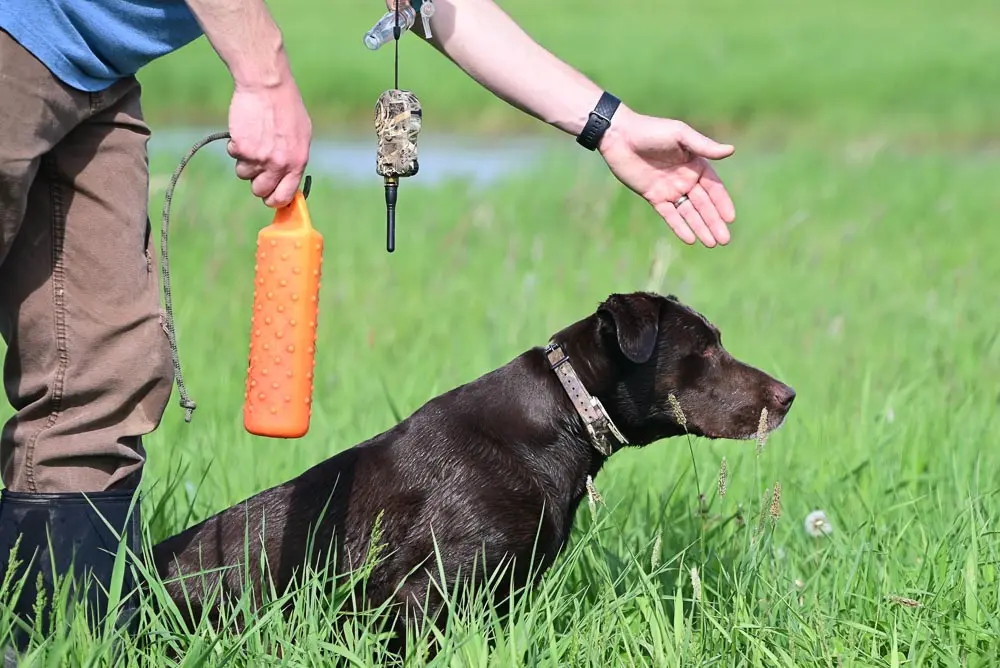
Once your dog masters fetch, introduce objects that resemble what they might encounter during a hunt, such as feathers, dummies, or scents. Hide these objects in easy-to-find spots and ask your dog to retrieve them.
Gradually increase the difficulty by placing objects in thicker grass or behind obstacles. This sharpens their natural tracking skills and retrieval instincts. Ask yourself: is your dog clearly associating the command with finding and returning these specific items?
Use consistent commands and reward your dog immediately upon successful retrieval to reinforce learning. Watching your dog’s confidence grow as they retrieve more challenging objects is a clear sign you’re on the right path.
Field Training Techniques
Field training techniques are crucial for developing your dog’s hunting skills beyond basic obedience. These methods help your dog understand real hunting environments and respond effectively under pressure. Training in the field builds confidence, sharpens instincts, and strengthens your bond with your dog.
Simulated Hunting Scenarios
Simulated hunting scenarios give your dog a safe space to practice without the unpredictability of live game. You can set up controlled exercises that mimic the sights, sounds, and smells of a real hunt.
- Use decoys or scent trails to guide your dog through the environment.
- Introduce gunfire sounds gradually to help your dog stay calm and focused.
- Practice different hunting positions, such as pointing, flushing, or retrieving.
One time, I noticed my dog hesitated around sudden noises during a simulation. So I slowed down the pace, repeating exercises with quieter sounds, which helped him stay calm. How does your dog react to distractions during training?
Working With Live Game
Training with live game is the ultimate test of your dog’s hunting abilities. It teaches your dog how to handle real prey and adapt to unexpected situations.
- Start with small, manageable game to avoid overwhelming your dog.
- Observe your dog’s natural instincts and guide them gently without forcing.
- Reward successful behaviors immediately to reinforce learning.
When I first introduced my dog to live game, patience was key. I let him explore and learn at his own pace, which built trust and eagerness. Have you considered how your dog’s personality affects their response to live game?
Using Positive Reinforcement
Positive reinforcement helps dogs learn by rewarding good behavior. Treats and praise encourage your dog to repeat hunting actions. This approach builds trust and makes training enjoyable for your dog.
Training a dog to hunt using positive reinforcement is a rewarding experience for both you and your furry companion. This approach focuses on encouraging desired behaviors through rewards and praise, rather than punishment. By fostering a trusting relationship, your dog becomes more enthusiastic and confident during hunting sessions. Building a strong foundation with positive reinforcement ensures your dog is motivated and attentive. Whether you’re working on retrieving, tracking, or flushing, the consistent use of rewards can transform your training sessions into enjoyable and productive experiences.Reward Systems
Creating an effective reward system is crucial. Start by identifying what your dog finds most motivating. This could be treats, toys, or verbal praise. Use rewards immediately after your dog performs the desired action. This creates a clear connection between the behavior and the reward. Keep your treats small and easy to digest to avoid overfeeding during training sessions. Consistency is key. Reward your dog each time it exhibits the behavior you’re aiming to reinforce. This helps solidify the behavior and encourages your dog to repeat it.Avoiding Common Mistakes
Avoiding common mistakes can significantly improve your training outcomes. One frequent error is using inconsistent signals or commands. Ensure you’re using the same words and gestures each time, so your dog doesn’t get confused. Don’t forget to be patient. Dogs learn at their own pace, and pushing them too hard can lead to frustration for both of you. Celebrate small victories and gradually build on them. Finally, steer clear of negative reinforcement. Scolding or punishing your dog can damage trust and hinder progress. Positive reinforcement creates a supportive environment where your dog feels safe and eager to learn. Have you ever wondered how your dog’s personality can influence their learning process? Understanding your dog’s unique traits can guide you in tailoring your approach, making the training journey even more effective.Safety And Health Considerations
Training a dog to hunt requires careful attention to safety and health. Protecting your dog during training keeps them safe and comfortable. Health checks help catch problems early. Both are key to a happy hunting dog.
Protective Gear For Dogs
Using the right gear protects your dog from injury. Boots shield paws from sharp rocks and thorns. Vests can protect against cold or rough brush. Bright collars or vests improve visibility in the field.
- Boots protect paws from cuts and scrapes.
- Vests guard against weather and scratches.
- Reflective collars make dogs easier to see.
Choose gear that fits well and does not restrict movement. Check gear often for wear and tear. Replace any damaged items promptly.
Regular Health Checkups
Regular vet visits ensure your dog stays in top shape. Hunting dogs face extra risks like ticks, fleas, and muscle strain. A vet can spot issues before they become serious.
- Schedule checkups every 6 to 12 months.
- Keep vaccinations up to date.
- Check for parasites after each outing.
- Monitor your dog’s weight and hydration.
Early detection of illness or injury helps your dog recover quickly. Healthy dogs perform better and enjoy training more.
Credit: shootingsportsman.com
Advanced Training Tips
Advanced training takes your dog’s hunting skills to a new level. It challenges both mind and body, preparing your dog to handle real hunting scenarios with confidence. To get there, you must push beyond basic obedience and simple drills.
Training In Different Terrains
Hunting grounds vary greatly—from dense forests to open fields and rocky hills. Training your dog in diverse environments helps them adapt quickly to changing conditions. If your dog only trains on flat grass, they might struggle on uneven or slippery surfaces during an actual hunt.
Start by taking your dog to different locations regularly. Let them get used to walking through thick bushes, climbing small hills, or moving across wet areas. Each terrain teaches your dog to adjust their speed, balance, and scent tracking skills.
Have you noticed how your dog reacts differently to mud versus dry dirt? Use those observations to guide your training focus. A dog that stays calm and focused on varied terrain will perform better in unpredictable hunting situations.
Improving Endurance And Stamina
Hunting often involves long hours of walking or running. Your dog needs strong endurance to keep up without losing energy or focus. Building stamina isn’t about quick bursts but consistent, gradual increases in activity.
Introduce longer walks and play sessions step-by-step. Mix in interval training—short sprints followed by steady pace walking—to enhance cardiovascular fitness. Remember, tired dogs lose concentration, so monitor your dog’s limits carefully.
Nutrition and rest are equally important. A well-fed, well-rested dog recovers faster and performs better. Have you tried tracking your dog’s activity with a fitness tracker? It can reveal patterns and help you plan better training sessions.
Frequently Asked Questions
How Long Does It Take To Train A Dog To Hunt?
Training a dog to hunt usually takes 3 to 6 months. Consistency, patience, and regular practice speed up learning. Early socialization and basic obedience skills are essential before hunting training begins.
What Breeds Are Best For Hunting Training?
Breeds like Labrador Retrievers, German Shorthaired Pointers, and Beagles excel in hunting. They have strong instincts, good scent detection, and high trainability. Choosing a breed suited to your hunting style improves training success.
What Basic Commands Should A Hunting Dog Learn?
Essential commands include “sit,” “stay,” “come,” “heel,” and “fetch. ” These commands ensure control and safety during hunts. Teaching these early helps your dog respond effectively in the field.
How Do You Introduce A Dog To Hunting Scents?
Start by exposing your dog to game scents using scent trails or dummies. Reward your dog for showing interest and following scents. Gradually increase difficulty to build confidence and tracking skills.
Conclusion
Training your dog to hunt takes time and patience. Start with basic commands and build trust. Use rewards to keep your dog motivated and focused. Practice regularly in safe, controlled areas. Remember, each dog learns at its own pace. Enjoy the process and bond with your dog.
Hunting skills grow with consistent effort and care. Stay calm and positive throughout training sessions. Your dog will become a reliable hunting partner with your guidance. Keep safety as your top priority during all activities.