
Are you wondering when it’s the right time to switch your furry friend to adult dog food? Knowing the perfect moment can make a big difference in your dog’s health and happiness.
Feeding your pup the right food at the right age helps them grow strong and stay full of energy. But how do you know when to make the change? Keep reading to discover the simple signs and expert tips that will guide you through this important step.
Your dog’s well-being depends on it, and you’re just one decision away from giving them the best care possible.
Age Milestones For Switching
Knowing the right time to switch your puppy to adult dog food is crucial for their health and development. Age milestones help guide this transition, but they can vary depending on your dog’s breed and size. Understanding these milestones ensures you provide the right nutrition at the right time.
Typical Age Range
Most puppies start the switch to adult dog food between 9 and 12 months of age. This range works well for many breeds because their growth slows down after this period. However, some dogs may be ready a little earlier or later depending on their individual development.
Pay close attention to your puppy’s behavior and body condition. Are they still growing rapidly or maintaining a steady weight? These signs can tell you if they’re ready for adult food.
Breed Size Considerations
Breed size plays a big role in when to change your dog’s diet. Small and medium breeds usually mature faster and can switch to adult food closer to 9 months. Larger breeds, like Great Danes or Mastiffs, need more time to grow and may require puppy food up to 18 or 24 months.
Large breeds have different nutritional needs to support their bone and joint health during growth. Switching too early can deprive them of essential nutrients, while switching too late might lead to excess weight gain.
Have you noticed your dog’s breed size affecting their growth speed? Adjusting feeding times based on size can make a big difference in their overall wellbeing.
Physical Indicators
Physical signs in your puppy’s development help decide the right time for adult dog food. These signs show how mature your dog’s body is. Watching for changes in teeth and jaw strength or the closing of growth plates can guide feeding choices. Understanding these clues ensures your dog gets proper nutrition at the right stage.
Changes In Teeth And Jaw
Puppies lose their baby teeth between 3 and 6 months old. Adult teeth replace them during this time. These new teeth are stronger and sharper. The jaw also grows bigger to hold these adult teeth well. Once your puppy has most adult teeth, you can start introducing adult food. It is easier for your dog to chew harder kibble. Soft puppy food may no longer meet their growing jaw’s needs.
Growth Plate Closure
Growth plates are soft areas near your dog’s bones. These plates help bones grow longer. They close when your dog stops growing, usually between 8 and 12 months. Closed growth plates mean bones are fully formed. At this stage, your dog needs adult food for proper maintenance. Feeding adult food too early can stress soft bones. Feeding too late may cause excess weight gain. Checking growth plate closure helps find the right feeding time.
Behavioral Changes
As your puppy grows, you’ll notice behavioral changes. These changes indicate it’s time for adult dog food. Understanding these behaviors helps ensure a smooth transition for your pet.
Energy Level Shifts
Puppies are often bundles of energy. They play, run, and explore endlessly. As they mature, their energy levels may decrease. Adult dogs rest more and engage in less play. This shift means they need fewer calories. Adult dog food provides the right balance of nutrients. It supports their new energy levels without excess calories.
Appetite Variations
A growing puppy often eats more to fuel development. But as they age, their appetite may stabilize. Adult dogs eat less frequently and in smaller portions. Notice if your dog leaves food in their bowl. This might be a sign to switch to adult food. Adult formulas are designed for their stable appetite. It ensures they receive necessary nutrients without overeating.
Nutritional Needs Shift
As your puppy grows, their nutritional needs change significantly. The shift from puppy food to adult dog food isn’t just about size—it’s about what your dog’s body requires to stay healthy and active. Understanding these changes helps you make the best choice for your pet’s diet at the right time.
Calorie Adjustments
Puppies burn a lot of energy as they grow, so their food is packed with calories to support that rapid development. Once your dog reaches adulthood, their energy needs drop because growth slows and activity levels stabilize. Feeding adult dog food helps prevent unwanted weight gain by providing fewer calories tailored to maintenance rather than growth.
Have you noticed your dog gaining weight even though their activity hasn’t changed? It might be time to adjust their calorie intake with the right adult formula. Switching too late can lead to obesity, which causes health problems down the road.
Protein And Fat Requirements
Growing puppies need higher protein and fat levels to build muscles and develop organs. Adult dogs still need good quality protein and fat, but in lower amounts to maintain their health without overloading their system. Adult dog food formulas balance these nutrients to keep your dog fit and energetic without the excess.
Think about your own diet: you don’t need as many calories or as much protein once your growth phase ends. Dogs are the same. Choosing the right protein and fat levels in their food supports a strong immune system and a shiny coat without causing digestive issues.
Veterinary Recommendations
Veterinary recommendations play a key role in deciding when to switch your dog to adult food. Vets study your dog’s growth, health, and breed. Their advice ensures your dog’s diet fits its unique needs. This helps avoid health problems linked to wrong nutrition.
Health Assessments
Veterinarians examine your dog’s overall health before suggesting a food change. They check weight, teeth development, and energy levels. Health assessments help identify if your dog is ready for adult food. They also spot any health issues that need attention.
Regular vet visits provide updates on your dog’s growth. This ensures the timing for food transition is just right. A healthy dog generally moves to adult food between 9 and 12 months. Some breeds may need earlier or later changes, based on vet advice.
Customizing Transition
Vets recommend a gradual switch to adult dog food. This prevents stomach upset and digestive problems. They may suggest mixing puppy and adult food over several weeks. The mix slowly changes the diet without shocking the dog’s system.
Each dog’s transition plan varies. Factors include breed size, health, and activity level. Vets tailor advice to fit these factors. Their goal is a smooth, stress-free change to adult food that supports health.
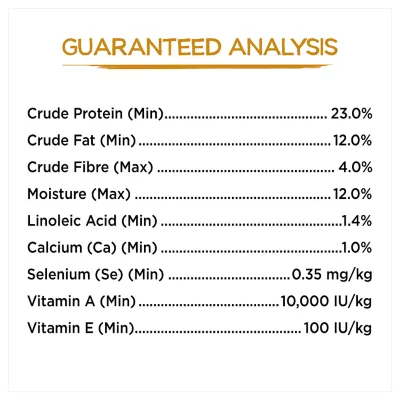
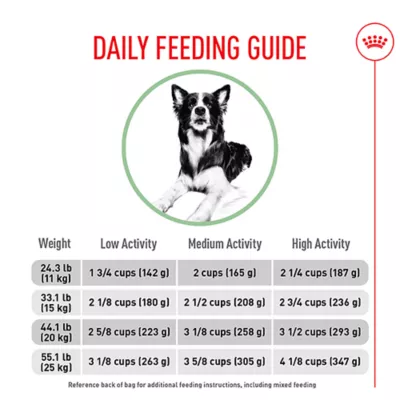
Credit: www.petsmart.ca
Transitioning Tips
Switching your dog from puppy food to adult dog food is an important step that requires care and patience. Rushing this process can upset your dog’s tummy and cause unnecessary stress. Knowing how to transition smoothly helps your dog adjust to the new diet without problems.
Gradual Food Mixing
Start by mixing a small amount of adult dog food with your dog’s current puppy food. You might try 25% adult food and 75% puppy food for the first few days.
Slowly increase the adult food portion over 7 to 10 days until your dog is eating only adult food. This slow change helps your dog’s digestive system get used to the new food.
Have you noticed how dogs sometimes refuse sudden changes in their meals? Gradual mixing can prevent that refusal and keep mealtime pleasant.
Monitoring Digestive Health
Watch your dog closely during the transition. Signs like diarrhea, vomiting, or constipation mean you might need to slow down the switch.
If your dog shows any of these signs, try maintaining the current mix ratio a bit longer before increasing adult food. Also, check for changes in energy or appetite.
Keeping a simple log of your dog’s bathroom habits and mood can help you spot problems early. Have you ever tracked your dog’s reactions to new food this way?
Common Mistakes To Avoid
Transitioning your dog from puppy food to adult dog food requires care. Mistakes during this change can affect your dog’s health. Knowing what to avoid helps ensure your dog grows strong and healthy.
Switching Too Early Or Late
Changing food too soon can upset your dog’s stomach. Puppies need special nutrients to support growth. Adult food lacks some of these essential nutrients. Switching too late may lead to poor digestion or weight gain. Watch for signs like slow growth or excess weight. Follow your vet’s advice on the right timing.
Ignoring Individual Needs
Each dog is unique. Age, breed, size, and health affect food needs. Some dogs may need adult food earlier or later than others. Pay attention to your dog’s activity level and health status. Consult your vet if your dog has allergies or special conditions. Tailoring food to your dog’s needs supports better health and energy.
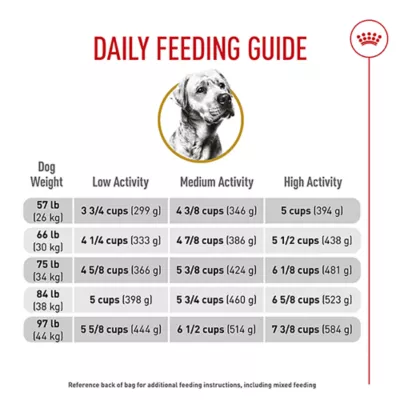
Credit: www.petsmart.ca

Credit: jiminys.com
Frequently Asked Questions
When Is The Right Age To Switch To Adult Dog Food?
Most dogs transition to adult food at 12 months. Large breeds may switch later, around 18-24 months. Consult your vet for breed-specific advice to ensure optimal nutrition and growth.
What Signs Show My Puppy Is Ready For Adult Food?
Puppies ready for adult food show slower growth and fewer teething symptoms. Their energy levels stabilize. Consult your vet for a smooth transition.
Can I Mix Puppy And Adult Food During Transition?
Yes, mix increasing amounts of adult food with puppy food gradually. This helps your dog adjust to new tastes and nutrients without digestive upset.
Why Is Adult Dog Food Important After Puppy Stage?
Adult dog food meets mature dogs’ nutritional needs. It supports maintenance, energy levels, and overall health. Puppy food is too rich and may cause weight gain.
Conclusion
Feeding your dog adult food depends on their age and size. Most dogs switch to adult food between one and two years old. Puppies need special nutrients that adult food may not provide. Watch your dog’s growth and health to know the right time.
Changing food gradually helps avoid stomach problems. Always choose good quality adult dog food for balanced nutrition. Healthy food supports strong bones, shiny fur, and good energy. Remember, each dog is different. Consult your vet if unsure about feeding adult food.
Careful choices keep your dog happy and healthy for years.