
Are you wondering when to switch your furry friend from puppy food to adult dog food? Making this change at the right time is crucial for your dog’s health and happiness.
Feed them too early, and they might miss out on important nutrients; wait too long, and they could gain unnecessary weight or face digestive issues. You’ll discover the exact age to start feeding your dog adult food and how to make the transition smooth and safe.
Keep reading to ensure you give your dog the best nutrition at every stage of their life.
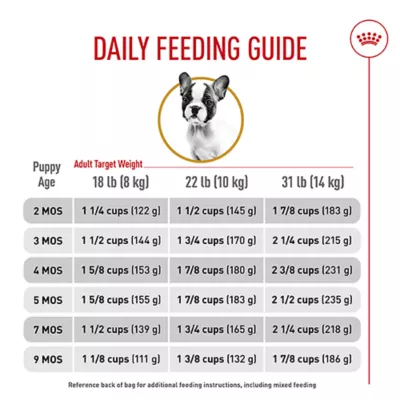
Credit: www.chewy.com
When To Switch To Adult Dog Food
Switching your dog to adult food is an important step in their growth. Adult dog food meets different nutritional needs than puppy food. Feeding the right food at the right time helps your dog stay healthy and strong. Knowing when to switch depends on several factors including age, breed, and physical signs.
Puppy Growth Stages
Puppies grow fast during the first year. Their bodies need more nutrients to build muscles and bones. Usually, small and medium breeds switch to adult food around 9 to 12 months. Large and giant breeds take longer, sometimes 12 to 24 months. This is because their growth lasts more time.
Breed Size And Maturity
Breed size affects when to change food. Small breeds mature faster. They often need adult food by 9 months. Large breeds grow slowly. They need puppy food longer for proper development. Knowing your dog’s breed size helps decide the right time to switch.
Signs Your Dog Is Ready
- Your dog looks full-grown and less active.
- Weight gain slows down or stops.
- Teeth are fully developed and strong.
- Your dog shows interest in different types of food.
- Vet confirms your dog’s growth stage.
Look for these signs before changing food. Switching too early or too late can cause health issues. Always watch your dog closely during the transition.
Credit: dogsauce.co
Differences Between Puppy And Adult Food
Puppy food and adult dog food serve different purposes. Puppies need extra nutrition to grow strong and healthy. Adult dogs require a balanced diet to maintain their health and energy. Understanding these differences helps you choose the right food at the right time.
Nutritional Needs
Puppies need more protein and fat than adult dogs. These nutrients support rapid growth and brain development. Adult dogs require balanced nutrients to keep muscles and organs working well. Their food has less fat to prevent weight gain.
Calorie Content
Puppy food is higher in calories to fuel their active growth. Adult dog food has fewer calories to avoid obesity. Feeding the wrong calorie level can cause health issues in both puppies and adults.
Ingredient Variations
Puppy formulas often contain DHA for brain and eye development. They also include more vitamins and minerals for bone growth. Adult dog food focuses on ingredients that support joint health and digestion. The protein sources may differ to match the dog’s age and activity level.
Risks Of Early Or Late Transition
Transitioning your dog to adult food at the right time is crucial. It impacts their health and overall well-being. Switching too early or too late can cause various health issues. Understanding these risks helps you make informed decisions for your furry friend.
Health Issues From Early Switching
Feeding adult food too soon can lead to growth problems. Puppies need specific nutrients for proper development. Adult food lacks some essential nutrients for growing pups. This can cause bone and joint issues. It may also lead to underdeveloped organs and muscles. Puppies may not reach their full growth potential. Early switching can also upset their digestive system. It often causes diarrhea or constipation.
Problems From Delayed Transition
Keeping dogs on puppy food too long has its own risks. Puppy food is higher in calories and fat. This can lead to weight gain in adult dogs. Extra weight increases the risk of obesity-related diseases. Delayed transition can also affect dental health. Adult dogs need different nutrients for strong teeth. Puppy food may not meet these needs. It can lead to dental issues like plaque buildup.
How To Transition Smoothly
Transitioning your dog to adult food requires patience and attention. A smooth switch helps avoid digestive issues and keeps your dog happy and healthy. You want to make this change gentle and comfortable for your pet, so watch closely and adjust as needed.
Gradual Mixing Method
Start by mixing a small amount of adult food with your dog’s current puppy food. For example, try 25% adult food and 75% puppy food for the first few days. Slowly increase the adult food portion every 3-4 days until your dog is eating only adult food.
This gradual approach helps your dog’s stomach adjust to the new diet without causing upset. Sudden changes might lead to diarrhea or refusal to eat, which nobody wants. Have you noticed how your dog reacts to new treats? That’s a good indicator of how they might handle food changes.
Monitoring Your Dog’s Response
Observe your dog’s digestion and energy levels during the transition. Look out for signs like vomiting, diarrhea, or lack of appetite. If any of these occur, slow down the transition or consult your vet.
Track your dog’s weight and coat condition as well. A shiny coat and steady weight mean the new food suits them. If your dog seems lethargic or loses weight, this could signal a problem with the new diet.
Adjusting Portions
Adult dogs usually need fewer calories than puppies, so adjust the portion size accordingly. Check the feeding guidelines on the adult dog food package and tailor it to your dog’s size and activity level.
If your dog gains weight too quickly, reduce the portions slightly. On the other hand, if they seem hungry or lose weight, increase the amount a bit. What’s your dog’s favorite meal size? Use that as a starting point to find the right balance.
Special Considerations
Feeding your dog adult food isn’t always a straightforward decision. Certain factors demand a closer look before making the switch. These special considerations ensure your dog stays healthy and happy during every stage of life.
Senior Dogs
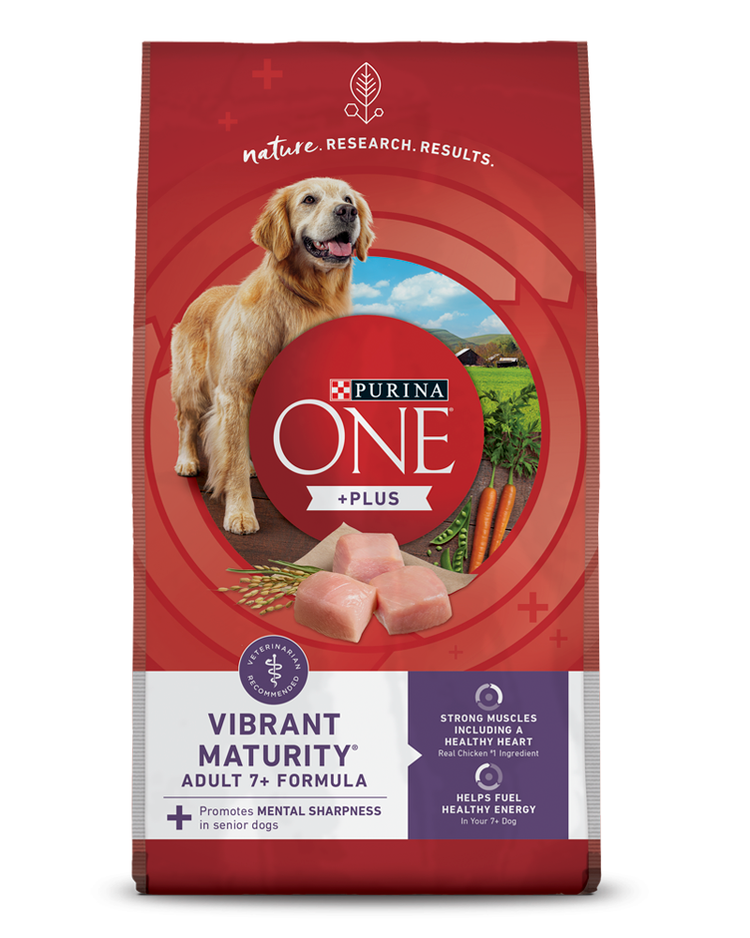
Senior dogs often need different nutrients than younger adults. Their metabolism slows down, and they may require fewer calories but more fiber to support digestion. You might notice changes in energy levels or joint health that adult food may not address.
Some adult formulas lack the joint-supporting supplements like glucosamine and chondroitin that seniors benefit from. Have you observed your older dog struggling to climb stairs or play as actively? Adjusting their diet to include senior-specific food can make a big difference in comfort and vitality.
Dogs With Health Conditions
Health issues can change your dog’s nutritional needs dramatically. Dogs with kidney problems, allergies, or diabetes often require specialized diets. Feeding regular adult dog food without considering these conditions might worsen their health.
For example, a dog with kidney disease may need food lower in protein and phosphorus. Allergic dogs might benefit from limited ingredient diets to avoid flare-ups. Paying close attention to these needs helps you avoid unnecessary discomfort or complications.
Consulting Your Veterinarian
Your vet is your best resource when deciding the right time to switch foods. They can assess your dog’s growth, weight, and overall health to recommend the best diet. Don’t hesitate to ask specific questions about the types of food that suit your dog’s unique situation.
Have you ever wondered if your dog’s current diet meets all their needs? A quick check-in with your vet can provide clarity and peace of mind. Remember, your veterinarian’s guidance is key to making informed choices that keep your dog thriving.
Credit: www.purina.com
Frequently Asked Questions
When Should I Switch My Puppy To Adult Dog Food?
Most dogs transition to adult food between 12 to 18 months. Small breeds may switch earlier, while large breeds take longer. Consult your vet for breed-specific advice. Proper timing supports healthy growth and nutrition.
Why Is Age Important For Feeding Adult Dog Food?
Age matters because puppies need more nutrients for growth. Adult food has balanced nutrients for maintenance, not growth. Feeding adult food too early can cause nutritional gaps. Correct timing ensures your dog’s health and energy.
Can I Feed Adult Dog Food Before One Year?
Feeding adult food before one year is generally not recommended. Puppies require higher protein and calories for development. Early switch may affect growth and bone health. Always seek vet guidance to choose the right food stage.
How Do I Know My Dog Is Ready For Adult Food?
Look for signs like reaching 80% of adult size and stable weight. Puppies often eat less and show slower growth. Behavioral changes like less playfulness may appear. Vet check-ups help confirm readiness for adult food transition.
Conclusion
Choosing the right time to feed adult dog food is important. Most dogs switch between 9 and 12 months old. Larger breeds may need adult food later. Watch your dog’s growth and energy for clues. Healthy food supports strong bones and good health.
Talk to your vet for the best advice. Feeding adult food too early can cause problems. Feeding too late may not meet their needs. Keep your dog’s diet balanced and consistent. This helps your dog stay happy and active. Good nutrition leads to a longer, healthier life.