
Knowing the right time to switch your German Shepherd to adult dog food is crucial for their health and happiness. If you’re unsure when to make this change, you’re not alone.
Feeding your dog the wrong food at the wrong time can affect their growth, energy, and overall well-being. You’ll discover clear signs and expert tips to help you make the best choice for your loyal companion. Keep reading to ensure your German Shepherd gets the nutrition they need exactly when they need it.
Puppy Growth Stages
Puppy growth stages mark the rapid changes in a German Shepherd’s life. These stages guide owners on feeding and care. Knowing these phases helps in choosing the right food. Proper nutrition supports strong bones and healthy muscles. It also aids brain development and energy levels. Watching your puppy grow shows when to switch food types.
Key Development Milestones
- Neonatal stage (0-2 weeks): Puppies depend entirely on their mother’s milk.
- Transitional stage (2-4 weeks): Eyes open, hearing improves, and puppies start exploring.
- Socialization stage (4-12 weeks): Puppies learn social skills and start eating soft solid food.
- Juvenile stage (3-6 months): Rapid growth, teething begins, and energy increases.
- Adolescence (6-12 months): Physical growth slows but muscle development continues.
Nutritional Needs By Age
| Age | Nutrition Focus | Food Type |
|---|---|---|
| 0-8 weeks | High fat and protein for growth | Mother’s milk or milk replacer |
| 8-12 weeks | Gradual introduction of solid food | Puppy-specific wet or dry food |
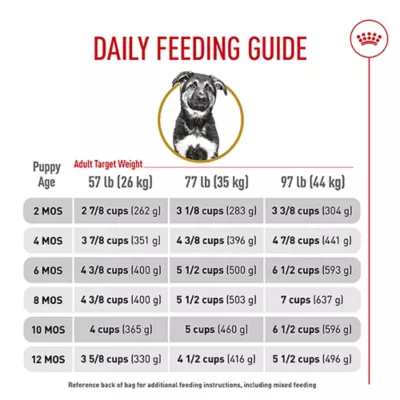
| 3-6 months | Supports bone and muscle development | High-quality puppy food with balanced nutrients |
| 6-12 months | Maintain energy and healthy growth | Transition from puppy to adult food |
Credit: www.petsmart.ca
Signs To Switch Food
Knowing when to switch your German Shepherd from puppy food to adult dog food is key to supporting their health and growth. Watch closely for specific signs that indicate your dog’s changing nutritional needs. These signs can be physical or behavioral, showing you when it’s time to make the transition.
Physical Changes
Your German Shepherd’s body will give you clear hints when it’s ready for adult food. One major sign is the slowing of rapid growth. Puppies usually grow quickly until about 12 to 18 months, so if you notice their height and weight gain tapering off, it’s time to consider switching.
Another physical clue is the development of adult teeth. When your dog’s puppy teeth have fully fallen out and adult teeth have come in, it’s a good indicator that their digestive system is maturing too. You might also observe changes in their coat and muscle tone, which benefit from the nutrient profile of adult food.
Behavioral Indicators
Behavior can reveal more than you might expect about your dog’s dietary needs. If your German Shepherd seems less energetic or more satiated after meals, this could mean they need fewer calories than puppy food provides. Puppy formulas are richer to support growth, but adults require a balanced diet to maintain health without gaining excess weight.
Watch for changes in appetite as well. A sudden drop or increase could signal the need to adjust their food. Sometimes, a dog’s interest in food shifts as they age, so you might notice them becoming pickier or less excited about puppy food. This behavioral shift often aligns with their readiness for adult food.
Choosing Adult Dog Food
German Shepherds usually switch to adult dog food around one year old. Watch for changes in energy and growth to know the right time. Adult dog food supports their health and activity as they mature.
Choosing the right adult dog food is crucial for your German Shepherd’s health. As your pup transitions from puppy food, you’ll need to consider different factors. Adult German Shepherds have unique dietary needs. It’s important to select food that supports their growth and energy levels.Nutrient Requirements
German Shepherds need a balanced diet. Protein is essential for muscle strength. Look for foods with at least 18% protein. Healthy fats support their coat and skin. Aim for around 5% to 8% fat content. Vitamins and minerals are vital for bone health. Calcium and phosphorus should be in the right ratio.Ingredients To Look For
Choose foods with high-quality ingredients. Real meat should be the first ingredient. Chicken, beef, or lamb are good options. Avoid by-products and fillers. Whole grains like brown rice and oats provide energy. Vegetables offer essential antioxidants. Look for carrots and sweet potatoes. Ensure the food has omega-3 and omega-6 fatty acids. These support brain function and joint health. Always check for any allergens your dog might have.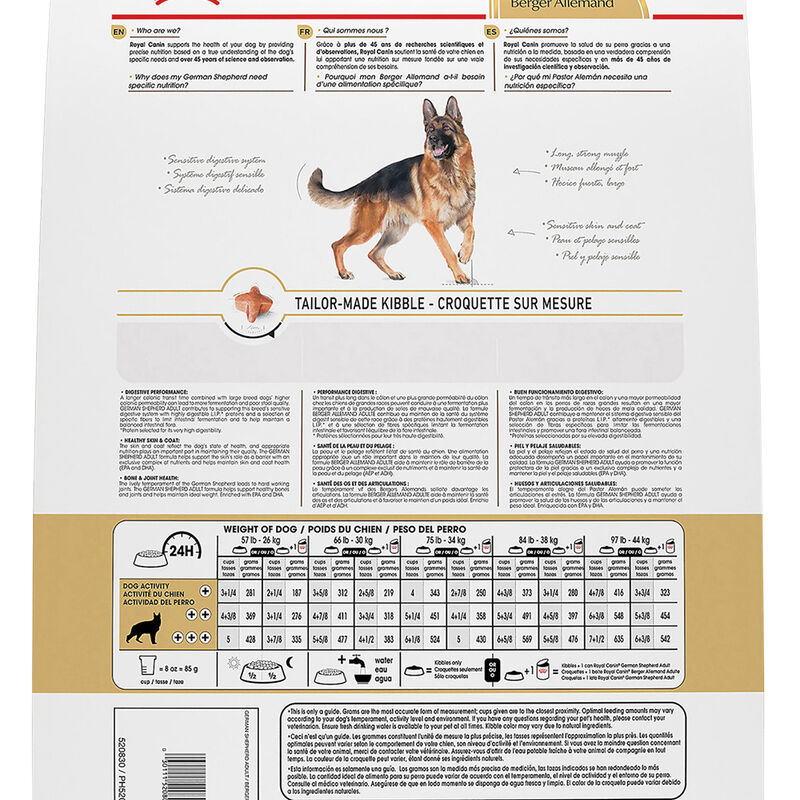
Credit: www.renspets.com
Transitioning Process
Transitioning your German Shepherd to adult dog food is a crucial step that affects their health and happiness. It’s not just about swapping one bag for another; it requires careful planning and attention. If you rush, your dog could face digestive issues or reject the new food entirely.
Gradual Food Introduction
Start by mixing a small amount of adult dog food into your German Shepherd’s current puppy food. Increase the adult food portion slowly over 7 to 10 days until the puppy food is completely replaced.
This slow change helps your dog’s digestive system adjust without shock. It also gives you the chance to observe any signs of food intolerance or allergies early on.
- Day 1-3: 25% adult food, 75% puppy food
- Day 4-6: 50% adult food, 50% puppy food
- Day 7-9: 75% adult food, 25% puppy food
- Day 10: 100% adult food
Monitoring Digestive Health
Watch your dog’s stools closely during the transition. Consistency, color, and frequency are key indicators of how well they’re adapting.
If you notice diarrhea, vomiting, or constipation, slow down the transition or consult your vet. Sometimes, a slower pace or a different adult formula can make all the difference.
Keep an eye on your German Shepherd’s energy levels and appetite too. These are subtle signs that can tell you if the new food suits them well or not.
Common Mistakes To Avoid
Avoiding common mistakes when transitioning your German Shepherd to adult dog food can save you from unnecessary health issues and stress. This change in diet is more than just swapping kibble—it’s about timing, attentiveness, and understanding your dog’s unique needs. Let’s look at some pitfalls that can make this transition harder than it needs to be.
Switching Too Early Or Late
Switching your German Shepherd to adult dog food too early can stunt their growth and leave nutritional gaps. Puppies need the right balance of nutrients to support their rapid development, so premature changes can cause problems like weak bones or poor coat health.
On the flip side, waiting too long to switch can lead to obesity and digestive issues. Adult formulas are designed to meet the energy needs of a mature dog, which differ greatly from a growing puppy’s requirements. Have you noticed changes in your dog’s energy or weight? That might be a signal it’s time to adjust their diet.
Ignoring Individual Needs
Every German Shepherd grows at their own pace. Relying solely on breed guidelines without observing your dog’s condition can cause problems. Some dogs might need adult food earlier due to size or activity level, while others benefit from staying on puppy food a little longer.
Consider your dog’s health history, activity, and weight before making the switch. If your dog has allergies or sensitivities, a careful transition with appropriate food choices is crucial. Have you talked to your vet about what’s best for your dog specifically?
Special Considerations
Transitioning a German Shepherd to adult dog food is not always straightforward. Special factors affect the right timing and type of food. Paying attention to these helps keep your dog healthy and strong. Some dogs grow faster or slower, and health issues can change their needs. Understanding these differences ensures better nutrition and wellbeing.
Large Vs. Small German Shepherds
German Shepherds vary in size. Larger dogs often need adult food later than smaller ones. Large dogs grow more slowly but need more calories for muscles and joints. Small German Shepherds may finish growing sooner and require adult food earlier. Adjust feeding schedules based on your dog’s size and growth pace. Size affects energy needs and nutrient balance too.
Health Conditions Impact
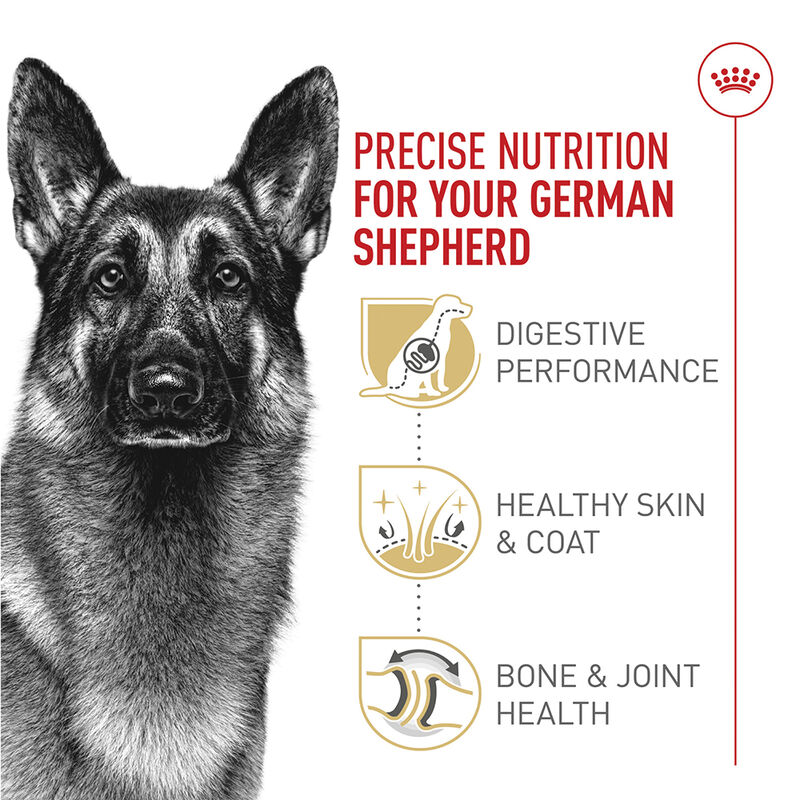
Health problems can change when and what your dog should eat. Dogs with joint issues need food with more glucosamine and chondroitin. Sensitive stomachs might require gentle, easy-to-digest adult formulas. Weight concerns call for lower calorie and fat content. Always watch your dog’s health and behavior during transition. Consult a vet to choose the best food for special needs.
Credit: www.renspets.com
Frequently Asked Questions
When Should I Switch My German Shepherd To Adult Food?
Switch your German Shepherd to adult food around 12 to 18 months old. This timing supports their growth and health. Large breeds like German Shepherds mature slower, so waiting until full growth ensures proper nutrition.
What Are Signs My German Shepherd Needs Adult Food?
Look for slowed growth, decreased energy, and changes in appetite. These signs indicate your German Shepherd is transitioning out of puppy stage and may benefit from adult dog food.
Can I Mix Puppy And Adult Food For Transition?
Yes, gradually mix adult food with puppy food over 7-10 days. This helps your German Shepherd adjust without digestive upset. Slowly increase adult food while decreasing puppy food until fully switched.
Why Is Adult Dog Food Better After Growth?
Adult dog food contains balanced nutrients for maintenance, not growth. It prevents excess calories and supports joint health. Feeding adult food after growth helps maintain ideal weight and overall well-being.
Conclusion
German Shepherds need the right food at the right time. Switching to adult dog food helps their growth and health. Watch their size, energy, and teeth for signs to change. Always choose quality food made for adult dogs. This keeps them strong and active.
A smooth transition avoids stomach problems. Pay attention to your dog’s needs every day. Your care makes a big difference in their life. Feed them well for a happy, healthy future.