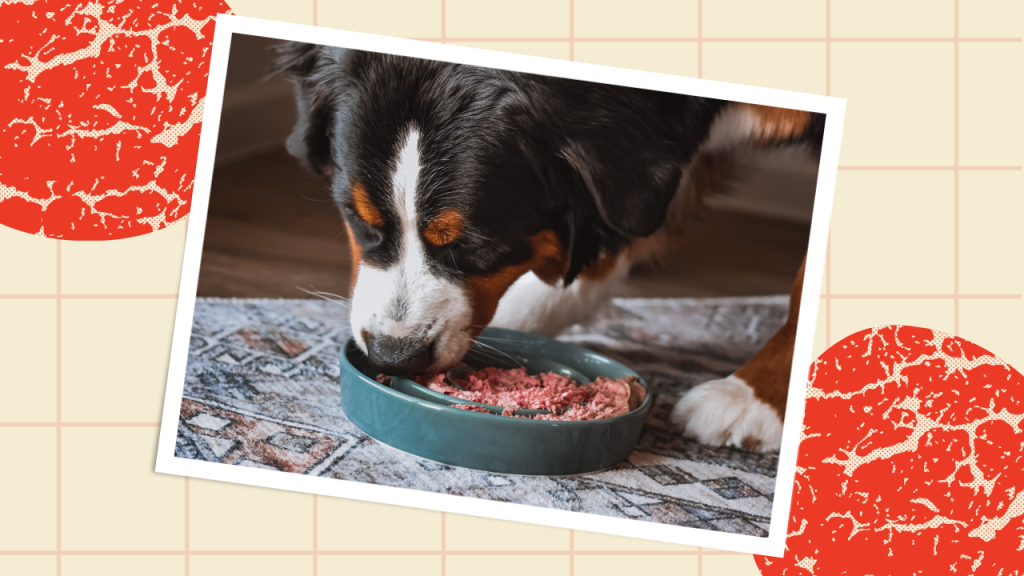

Are you wondering if a grain free raw meat diet is the right choice for your dog? With so many options out there, it’s easy to feel confused about what will truly benefit your furry friend.
You want the best for your dog’s health, energy, and happiness. But is cutting out grains and feeding raw meat really the answer? Keep reading to discover the truth behind this popular diet and how it might impact your dog’s well-being.
By the end, you’ll feel confident making the best decision for your loyal companion.
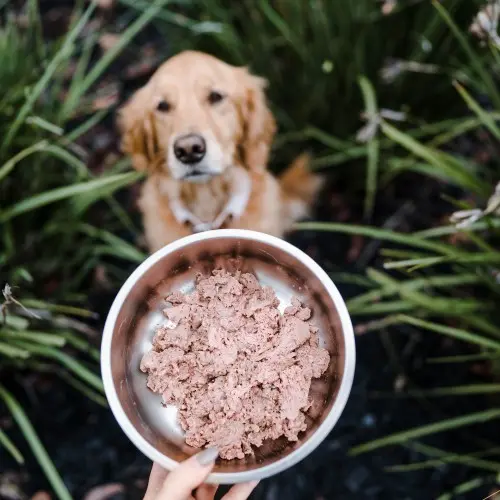
Credit: wefeedraw.com
Benefits Of Grain Free Raw Diet
Switching your dog to a grain free raw meat diet can bring noticeable changes to their overall health. Many pet owners report clear improvements in digestion, skin condition, energy, and even allergy symptoms. Understanding these benefits helps you decide if this diet suits your dog’s unique needs.
Improved Digestion
Dogs naturally thrive on a diet rich in protein and low in carbohydrates. Grain free raw diets eliminate fillers like corn and wheat that can upset your dog’s stomach. You might notice fewer digestive issues such as gas, bloating, or loose stools once you make the change.
Some dogs have trouble breaking down grains, leading to discomfort. A raw meat diet is easier on their digestive system and supports better nutrient absorption. Have you seen your dog’s digestion improve after switching foods?
Enhanced Coat And Skin Health
A shiny, healthy coat is often a sign of good nutrition. Raw diets high in natural fats and oils help nourish your dog’s skin from the inside out. This can reduce dryness, itching, and flakiness that often come with grain-based diets.
Many dog owners report that their pets’ fur becomes softer and glossier on a grain free raw diet. If your dog struggles with dull fur or frequent scratching, this diet might be worth trying.
Increased Energy Levels
Protein-rich raw diets provide sustained energy without the sugar spikes caused by grains. You may find your dog more playful, alert, and active throughout the day. This can be especially important for working breeds or highly energetic dogs.
When your dog’s body gets the fuel it needs, it works more efficiently. How much more lively does your dog feel after a meal packed with raw meat instead of processed kibble?
Allergy Reduction
Grain allergies and sensitivities are common in dogs, leading to symptoms like itching, ear infections, and digestive upset. Removing grains from their diet can significantly reduce these issues. A raw meat diet focuses on whole foods that are less likely to trigger allergic reactions.
Switching to grain free raw food often helps dogs with food sensitivities feel more comfortable. Have you noticed fewer allergy flare-ups after adjusting your dog’s diet?
Potential Risks To Consider
Choosing a grain-free raw meat diet for your dog might seem like a natural and healthy option. However, it’s important to be aware of the potential risks before making this change. Understanding these risks helps you protect your dog’s health and make smarter feeding decisions.
Nutritional Imbalances
Raw meat alone doesn’t provide all the essential nutrients your dog needs. Dogs require a balanced mix of vitamins, minerals, and other nutrients that may be missing in a grain-free raw meat diet.
Without careful planning, your dog could suffer from deficiencies, such as lack of calcium or vitamin D. Have you checked if your dog’s diet includes all necessary nutrients? Consulting a vet or a pet nutritionist can help avoid these gaps.
Bacterial Contamination
Raw meat carries a higher risk of harmful bacteria like Salmonella and E. coli. These bacteria can make your dog sick and even pose a risk to your family through handling.
Keeping raw meat safe requires strict hygiene practices. Do you have a clean area for preparing and storing raw food? Using fresh, high-quality meat and following safe handling tips reduces contamination risks.
Bone-related Injuries
Raw diets often include bones, but feeding bones can be risky. Sharp bone fragments might cause choking, mouth injuries, or damage to your dog’s digestive tract.
Have you observed your dog carefully when giving bones? Opt for safer bone choices and avoid cooked bones, which splinter easily. Always supervise feeding to prevent accidents.
Cost And Accessibility
Raw meat diets can be expensive and time-consuming to prepare. Finding quality raw ingredients regularly may not be easy, especially in some locations.
Are you ready for the ongoing commitment of sourcing and storing raw food? Consider if the benefits outweigh the financial and logistical challenges before switching your dog’s diet.
Comparing Grain Free And Grain Inclusive Diets
Deciding between a grain free and grain inclusive diet for your dog can be confusing. Both options have their own sets of benefits and drawbacks. Understanding how they differ helps you make the best choice for your furry friend’s health and happiness.
Nutritional Differences
Grain free diets often replace grains with vegetables, fruits, or legumes. This can increase protein and fat content, which some dogs thrive on. Grain inclusive diets provide carbohydrates, fiber, and essential nutrients that come from grains like rice or oats.
Your dog’s energy needs and activity level play a big role here. For example, active dogs may benefit from the extra carbs in grain inclusive diets. Meanwhile, dogs with specific dietary sensitivities might do better with grain free options.
Impact On Allergies
Many owners switch to grain free diets hoping to reduce allergies. However, grains are not the most common allergens for dogs. Proteins like beef, chicken, or dairy tend to cause more allergic reactions.
It’s important to observe your dog’s symptoms closely. Sometimes, a grain inclusive diet with limited protein sources can ease allergic reactions better than simply avoiding grains. Have you noticed if your dog’s itching or digestive issues improve after a diet change?
Digestive Effects
Grains provide fiber that supports healthy digestion and regular bowel movements. Grain inclusive diets often help maintain a balanced gut environment. Grain free diets sometimes lack this fiber, which can lead to firmer stools or constipation in some dogs.
On the other hand, some dogs with grain sensitivities experience digestive relief on grain free diets. Watching your dog’s stool consistency and overall comfort will guide you to the right choice. Do you track your dog’s digestion after switching foods?
Choosing Quality Raw Meat
Choosing raw meat for dogs means picking fresh, clean cuts free from additives. Grain-free diets focus on natural proteins that support digestion and energy. Quality raw meat helps ensure your dog gets essential nutrients without fillers.
Choosing quality raw meat is crucial for a dog’s health. Quality meat provides essential nutrients and supports overall well-being. Owners must ensure they select safe and nutritious options.Safe Meat Sources
Select meat from reputable suppliers. Ensure it is fresh and free from contaminants. This reduces the risk of foodborne illnesses. Choose organic or grass-fed options when possible. These choices often contain fewer chemicals.Proper Handling And Storage
Handle raw meat with care. Wash hands thoroughly before and after. Use separate utensils for raw meat. Store meat in the refrigerator or freezer. Keep it in airtight containers to maintain freshness. Avoid leaving meat at room temperature for long.Avoiding Harmful Additives
Check labels for additives. Avoid meats with preservatives or artificial flavors. These can harm a dog’s health. Opt for natural, additive-free options. This ensures a safer diet for your pet.Transitioning To A Grain Free Raw Diet
Switching your dog to a grain free raw meat diet requires care and patience. The change can impact digestion, energy levels, and overall health. Taking it slow helps your dog adjust comfortably, reducing the risk of upset stomach or refusal to eat.
Step-by-step Introduction
Start by mixing a small amount of raw meat into your dog’s current food. Gradually increase the raw portion over 7 to 10 days, while decreasing the old food. This slow shift allows your dog’s digestive system to get used to new proteins and textures without stress.
Watch how your dog responds to each new meal. If you notice any vomiting or diarrhea, slow down the transition and give their system more time to adapt. Consistency matters, so try to feed at the same times daily.
Monitoring Health Changes
Keep a close eye on your dog’s energy, coat condition, and bathroom habits. A shiny coat and steady energy often indicate the diet is working well. Loose stools or lethargy might mean the diet needs tweaking or a slower transition.
Record changes in a journal or app. This helps you track improvements or problems over time. Remember, every dog is different—what works for one might not work for another.
Adjusting Portion Sizes
Raw diets can be more nutrient-dense, so your dog might need less food than before. Start with feeding about 2-3% of your dog’s ideal body weight per day, then adjust based on weight and activity level.
If your dog gains too much weight, reduce portions slightly. If they seem hungry or lose weight, increase the amount. Regular weigh-ins help you keep their diet balanced and effective.
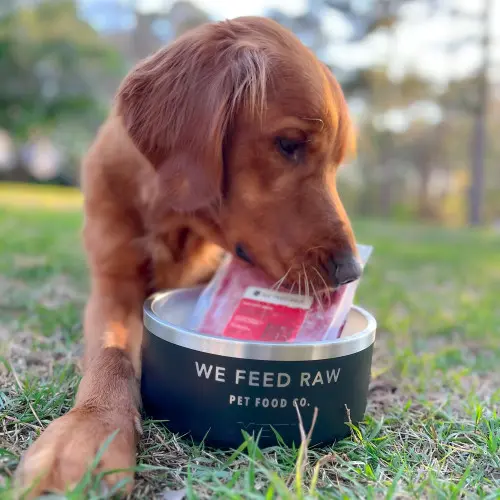
Credit: wefeedraw.com
Veterinarian Perspectives
Veterinarians provide valuable insights about grain free raw meat diets for dogs. Their views help pet owners make informed choices. Many vets emphasize safety and balanced nutrition. They also highlight risks and benefits based on science and experience.
Common Concerns
- Nutrient imbalances can harm dog health.
- Raw meat may contain bacteria like salmonella.
- Bone fragments can cause choking or injury.
- Grain free diets might miss essential vitamins.
- Some dogs may develop allergies or digestive issues.
Recommended Practices
- Choose high quality, fresh raw ingredients.
- Include a variety of meats and organs.
- Consult a vet for balanced supplements.
- Practice strict hygiene during food preparation.
- Monitor your dog’s health and weight regularly.
When To Seek Professional Advice
- If your dog shows signs of illness or discomfort.
- Before switching to or from a raw meat diet.
- When unsure about nutrient balance or portion sizes.
- If your dog has a pre-existing health condition.
- For guidance on safe handling and storage of food.
Homemade Vs Commercial Raw Diets
Choosing between homemade and commercial raw diets for your dog can feel overwhelming. Each option has unique benefits and challenges that impact your dog’s health and your daily routine. Understanding these differences helps you make the best choice for your pet’s grain free raw meat diet.
Pros And Cons
Homemade raw dietsgive you full control over ingredients and quality. You can tailor meals to your dog’s preferences and allergies. However, they demand time, effort, and knowledge to prepare balanced meals safely.
Commercial raw dietsoffer convenience and consistency. They’re often formulated by experts to meet nutritional standards. On the downside, some brands may include fillers or preservatives, and quality varies widely.
Nutritional Completeness
Homemade diets risk missing essential nutrients if not carefully planned. Many dog owners overlook important vitamins or minerals, which can cause health problems over time.
Commercial diets usually guarantee nutritional completeness through testing and certification. But can you always trust the label? Researching reputable brands and checking for quality assurance seals is crucial.
Convenience Factors
Preparing homemade raw meals takes significant time—shopping for fresh meat, chopping, and balancing nutrients. It may not fit well into a busy lifestyle.
Commercial raw diets save time with ready-to-serve options. You can store portions in the freezer and feed your dog quickly. Would the extra convenience justify the cost for your household?
Addressing Common Myths
Many myths surround the grain free raw meat diet for dogs. These myths often cause confusion among pet owners. Clearing up these misunderstandings helps make better feeding choices. Let’s explore some common myths and the facts behind them.
Raw Diets Cause Disease
Some people believe raw diets spread diseases to dogs and humans. Proper handling and hygiene reduce this risk greatly. Freezing raw meat kills many harmful bacteria. Dogs have strong stomach acids that fight germs better than humans. Many vets support raw diets if prepared safely.
Grains Are Harmful To All Dogs
It is not true that grains harm every dog. Some dogs have allergies or sensitivities to grains. Most dogs digest grains well and get important nutrients from them. Whole grains provide fiber, vitamins, and minerals. Grain free diets suit dogs with specific health issues only.
Raw Meat Is Always Unsafe
Raw meat is not always unsafe for dogs. Quality and source of meat matter a lot. Meat from trusted suppliers reduces contamination risk. Proper storage and preparation keep raw meat safe. Many dogs thrive on raw meat diets with balanced nutrients.
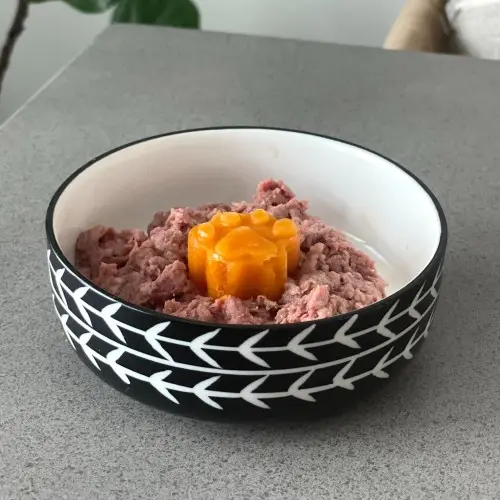
Credit: wefeedraw.com
Frequently Asked Questions
What Are The Benefits Of A Grain Free Raw Meat Diet For Dogs?
A grain free raw meat diet supports better digestion and reduces allergies. It provides natural nutrients, improves coat health, and boosts energy levels. This diet mimics a dog’s ancestral eating habits, promoting overall wellness and vitality.
Are Grain Free Raw Diets Safe For All Dog Breeds?
Grain free raw diets can be safe if balanced properly. Some breeds may need specific nutrients or veterinary guidance. Always consult a vet before switching to ensure your dog’s health needs are met and risks are minimized.
Can Grain Free Raw Meat Diets Cause Nutritional Deficiencies?
Yes, if not properly balanced, these diets may lack essential vitamins and minerals. Supplementation or professional formulation ensures dogs receive complete nutrition. Regular vet check-ups help monitor and prevent deficiencies.
How Does A Grain Free Raw Meat Diet Affect Dog Allergies?
This diet often reduces food allergies linked to grains and fillers. It can alleviate itching, skin issues, and digestive problems. However, individual reactions vary, so monitor your dog’s response closely.
Conclusion
A grain-free raw meat diet can benefit some dogs. It may improve digestion and boost energy. Always watch for allergies or nutrient gaps. Consult your vet before changing your dog’s food. Every dog is different and needs care. A balanced diet supports strong bones and shiny fur.
Choose quality ingredients for the best results. Stay aware of your dog’s health and behavior. This diet is not perfect for all dogs. Careful planning keeps your dog happy and healthy.