
If you have a German Shepherd, you know how important it is to give your dog the right nutrition. But when exactly should you switch to adult dog food?
Making the change too early or too late can affect your dog’s health and energy. You’ll discover the signs that show your German Shepherd is ready for adult food. You’ll also learn how to make the switch smoothly, so your loyal companion stays strong and happy.
Keep reading to find out what’s best for your dog’s growth and well-being.
Credit: www.petsmart.ca
Growth Stages Of German Shepherds
The growth of German Shepherds happens in clear stages. Each stage requires different nutrition and care. Understanding these stages helps you decide when to switch to adult dog food. Their diet must support healthy bones, muscles, and energy levels.
Puppy Phase
German Shepherd puppies grow very fast. This phase lasts from birth to about six months old. Puppies need high protein and fat for energy and development. Puppy food has nutrients that support brain and bone growth. Feeding the right food helps prevent health problems later.
Adolescence
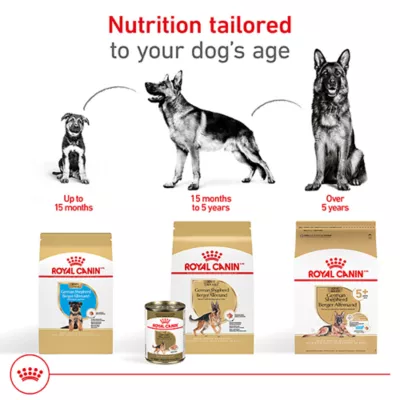
This stage covers six months to about 18 months. Growth slows but muscles and bones still develop. Energy needs remain high but less than in the puppy phase. Transitioning to adult food can start near the end of this stage. Watch for signs like slower growth and less hyperactivity.
Maturity
After 18 months, German Shepherds reach maturity. Their growth is mostly complete. Adult dog food provides balanced nutrition for maintenance. It supports their active lifestyle and keeps weight steady. Switching food at this stage helps avoid overfeeding or nutrient gaps.
Signs Your German Shepherd Needs Adult Food
Recognizing when your German Shepherd needs adult food is key for their health. Their growth changes fast, and their diet should keep up. Watch for clear signs that show they are ready to switch. These signs fall into three main categories: physical development, behavior, and nutritional needs.
Physical Development Indicators
German Shepherds grow quickly in their first year. Their bones and muscles become stronger and bigger. You may notice their puppy fur turning into a thicker adult coat. Their teeth will be fully developed, with no baby teeth left. Growth slows down, and their body shape looks more mature.
Behavioral Changes
Adult dogs act differently than puppies. Your German Shepherd may be less hyper and more calm. They might show increased focus during training and play. Appetite can change, often becoming steadier or more predictable. Energy levels stabilize and they rest more.
Nutritional Needs Shift
Puppies need food rich in calories and protein to support growth. Adult dogs require balanced nutrition to maintain health and energy. Their metabolism slows, so excess calories can lead to weight gain. Adult dog food has fewer calories and the right vitamins for maintenance. Switching helps avoid digestive problems and supports long-term wellness.
Benefits Of Adult Dog Food For German Shepherds
German Shepherds need adult dog food around one year old to support steady growth. This food helps maintain healthy muscles and energy levels for active dogs. Switching at the right time ensures balanced nutrition and long-term health.
Switching your German Shepherd from puppy food to adult dog food marks a significant milestone in their development. Adult dog food is specially formulated to meet the changing nutritional needs of your growing companion, offering numerous benefits. Understanding these advantages can help you make informed decisions for your pet’s health and longevity.Balanced Nutrition
Adult dog food provides a balanced diet tailored to support an adult German Shepherd’s nutritional requirements. These foods typically contain the right blend of proteins, fats, and carbohydrates essential for maintaining energy levels and overall health. Have you ever noticed your dog becoming sluggish or hyperactive? That can often be attributed to an unbalanced diet, which adult formulas aim to correct by offering a stable nutrient profile.Weight Management
German Shepherds are active and energetic, but they can also be prone to weight gain if their diet isn’t properly managed. Adult dog food helps in maintaining an ideal weight, thanks to its controlled calorie content. Overfeeding or feeding inappropriate food can lead to obesity, which in turn affects mobility and overall health. Choosing the right adult dog food can keep your German Shepherd fit and lively, ensuring they remain your energetic playmate for years to come.Joint Health Support
As German Shepherds age, joint health becomes a primary concern due to their large size and active lifestyle. Adult dog food often contains ingredients like glucosamine and chondroitin, known for supporting joint health and flexibility. Have you considered how your dog’s diet impacts their mobility? Providing food that supports joint health can prevent discomfort and enhance their quality of life, allowing them to chase balls and go on long walks without issues.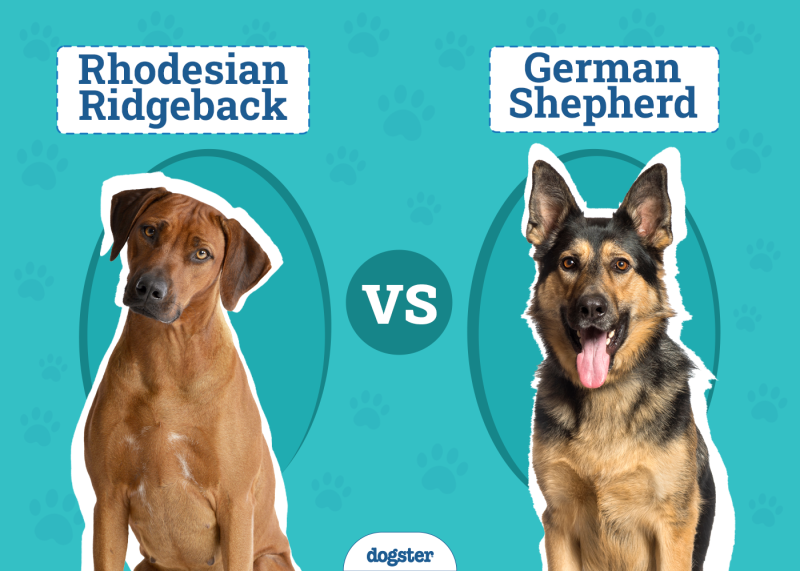
Credit: www.dogster.com
Choosing The Right Adult Dog Food
Choosing the right adult dog food for your German Shepherd is vital for their health. Their diet should support muscle strength, joint health, and energy levels. Select food that fits their size, age, and activity. Quality ingredients make a big difference in their well-being. Here are key points to consider when selecting adult dog food.
Key Ingredients To Look For
- High-quality protein like chicken, beef, or fish
- Healthy fats such as omega-3 and omega-6 fatty acids
- Complex carbohydrates like brown rice or sweet potatoes
- Vitamins and minerals for immune support and bone health
- Fiber to aid digestion and maintain gut health
Avoiding Harmful Additives
- No artificial colors or flavors
- Free from preservatives like BHA, BHT, and ethoxyquin
- Minimal fillers such as corn, wheat, or soy
- No by-products or unnamed meat meals
Tailoring To Activity Level
Active German Shepherds need more calories and protein. Less active dogs require balanced, lower-calorie food to avoid weight gain. Adjust portions based on your dog’s daily exercise. Consult your vet for specific needs. Food designed for large breeds supports joint health and mobility.
Transitioning To Adult Dog Food
Transitioning a German Shepherd to adult dog food is an important step. This change supports their growth and energy needs. It ensures they get the right nutrients for their adult stage. Making the switch carefully helps avoid stomach upset and food refusal.
Gradual Switching Process
Start by mixing a small amount of adult food with puppy food. Increase adult food gradually over 7 to 10 days. This slow change helps your dog adjust to the new taste and texture. Sudden changes can cause digestive problems.
Monitoring For Reactions
Watch your German Shepherd closely during the switch. Check for signs like vomiting, diarrhea, or loss of appetite. Also, observe their energy and stool quality. If problems appear, slow down the transition or consult a vet.
Adjusting Portion Sizes
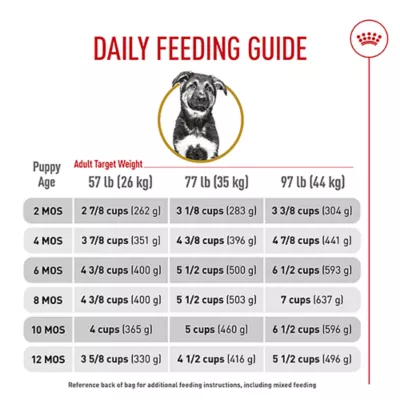
Adult dogs need different calories than puppies. Adjust the food amount based on your dog’s weight and activity. Use the feeding guide on the dog food package as a start. Regularly check your dog’s body condition and adjust portions as needed.
Common Mistakes To Avoid
Switching your German Shepherd to adult dog food is important for their health. Many pet owners make mistakes that affect their dog’s growth and energy. Avoid these common errors to keep your dog strong and happy.
Switching Too Early Or Late
Changing food too soon can cause digestive problems. Your puppy needs extra nutrients to grow. Switching too late may lead to weight gain and nutrient gaps. Watch your dog’s size and activity to know the right time.
Ignoring Nutritional Requirements
Adult German Shepherds need balanced nutrition for their size and activity. Puppy food has more calories and protein, while adult food supports maintenance. Using the wrong food can cause health issues. Always check labels for the right nutrients.
Overfeeding Or Underfeeding
Too much food leads to obesity and joint problems. Not enough food causes weakness and poor coat health. Measure portions based on your dog’s weight and activity level. Adjust feeding amounts as your dog grows and changes.
Expert Tips For Feeding German Shepherds
Feeding a German Shepherd requires careful attention to their unique needs. Experts suggest specific tips to support their growth and health. Proper nutrition influences their energy, coat, and overall well-being. Understanding the best feeding practices helps keep your dog strong and happy.
Feeding Schedule Recommendations
Feed your German Shepherd adult food twice a day. Space meals evenly to maintain energy levels. Avoid free-feeding to prevent overeating and obesity. Puppies may need three meals daily before switching to adult food. Measure portions based on weight and activity. Consistent timing aids digestion and routine.
Supplement Considerations
Consider supplements to support joints and coat health. Glucosamine and chondroitin help maintain strong joints. Omega-3 fatty acids improve skin and fur condition. Consult your vet before adding supplements. Avoid over-supplementing, which can cause imbalances. Quality supplements complement a balanced diet.
Hydration Importance
Always provide fresh, clean water for your German Shepherd. Proper hydration supports digestion and organ function. Monitor water intake, especially during hot weather or exercise. Dehydration can lead to serious health problems. Use a clean bowl and change water daily. Encourage drinking after meals and playtime.
Credit: www.petsmart.ca
Frequently Asked Questions
When Should I Switch My German Shepherd To Adult Dog Food?
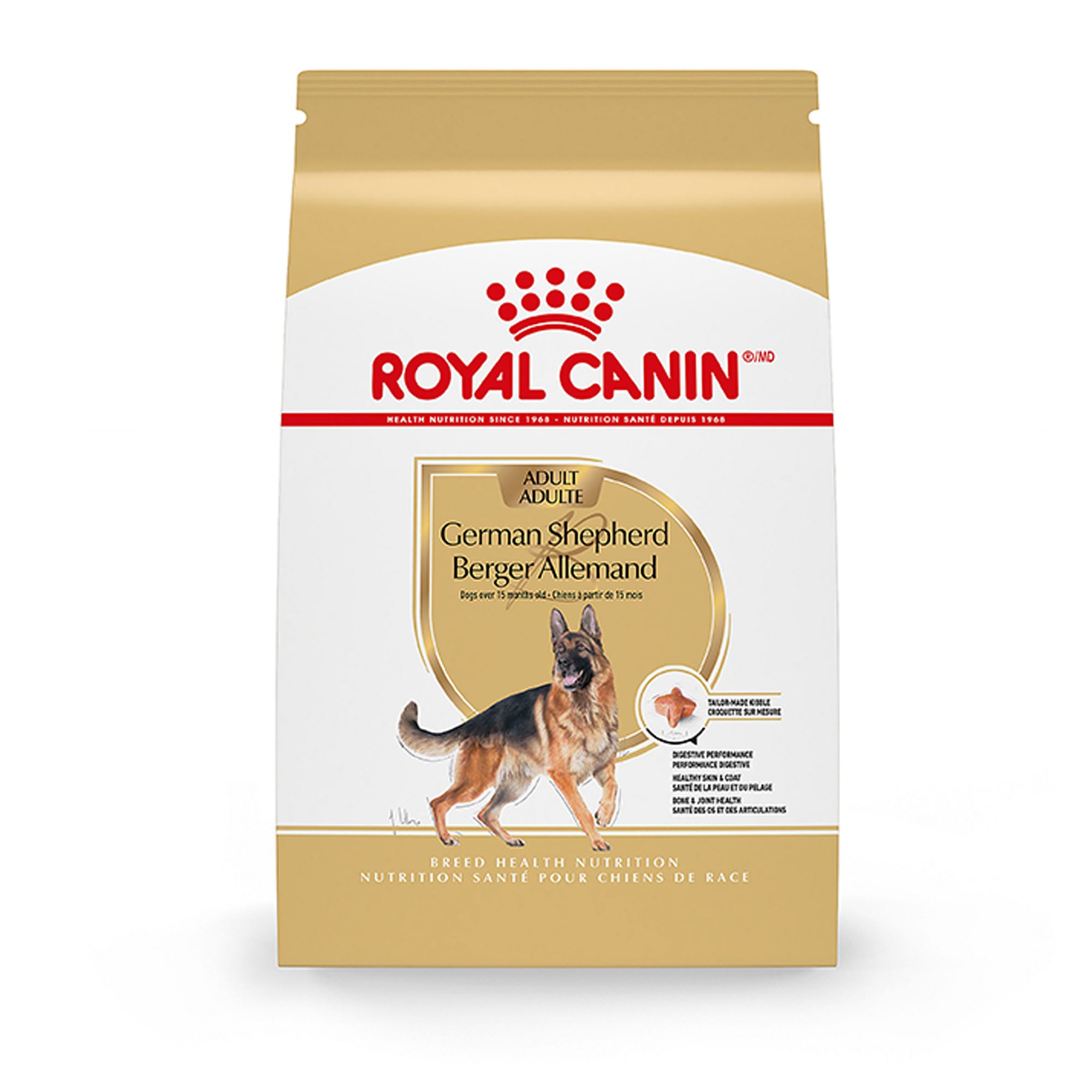
Switch to adult dog food when your German Shepherd reaches 12 to 18 months old. This age marks their transition from puppy to adult nutritional needs.
Why Is Timing Important For Switching Dog Food?
Proper timing ensures balanced nutrients for growth and health. Early or late switching can cause digestive issues or nutrient gaps.
How To Recognize Signs My Dog Needs Adult Food?
Look for slowed growth, stable weight, and less energy bursts. These signs indicate your German Shepherd is ready for adult food.
What Nutrients Differ In Adult Versus Puppy Dog Food?
Adult dog food has fewer calories, less fat, and balanced protein. Puppy food is richer to support rapid growth and development.
Conclusion
Switching your German Shepherd to adult dog food matters for their health. Watch their growth and energy levels closely. Signs like steady weight and calm behavior show readiness. Choose food with good nutrition for strong muscles and joints. Feeding the right diet helps them live longer and stay active.
Always check with your vet if unsure about the timing. A smooth change keeps your dog happy and healthy. Taking care now means fewer problems later. Simple steps lead to a happy adult German Shepherd.