If you have an adult Boxer, you want to make sure you’re feeding it just the right amount of food. Too much can lead to weight gain and health problems, while too little can leave your dog hungry and lacking energy.
So, how much food does your Boxer really need each day? You’ll discover simple guidelines to keep your dog healthy and happy. Keep reading to find out exactly what your Boxer needs to stay strong and full of life.
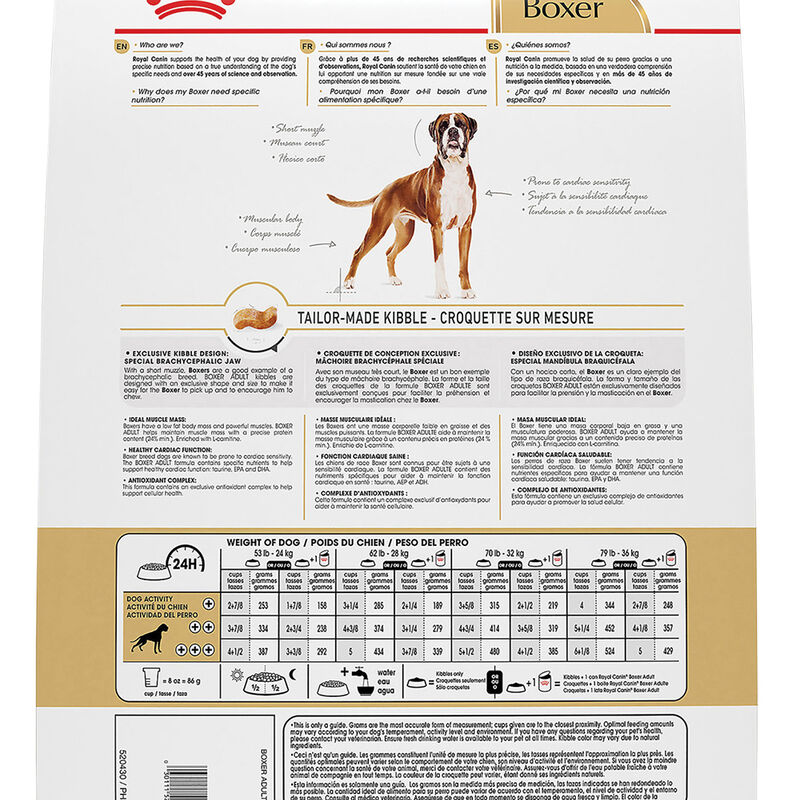
Credit: www.renspets.com
Daily Food Requirements
Understanding the daily food requirements for an adult Boxer is essential for maintaining its health. These dogs are active and muscular, needing balanced nutrition to support their energy levels. Feeding the right amount prevents weight issues and keeps your Boxer happy.
Calorie Needs
Adult Boxers usually need between 1,200 and 1,600 calories each day. The exact amount depends on factors like age, weight, and activity level. More active dogs burn more calories and need extra food. Less active or older Boxers require fewer calories to avoid gaining weight.
Calorie needs also vary with metabolism and health status. Puppies and pregnant Boxers need significantly more calories, but adults have a steady requirement. Monitoring your dog’s weight helps adjust calorie intake correctly.
Portion Sizes
Daily portions depend on your Boxer’s calorie needs and the food’s calorie content. Most adult Boxers eat between 2 and 3 cups of dry dog food per day. This amount divides into two meals to aid digestion and energy levels.
Check the dog food label for calorie information per cup. For example:
| Food Type | Calories per Cup | Daily Portion (Cups) |
|---|---|---|
| Dry Kibble | 350 | 3 to 4.5 |
| Wet Food | 150 | 6 to 10 |
Adjust portion sizes if your Boxer gains or loses weight. Regular vet checkups help keep feeding on track.
Factors Influencing Food Amount
Determining how much food to give your adult Boxer isn’t a one-size-fits-all situation. Several factors shape their dietary needs, and understanding these will help you keep your dog healthy and energetic. Let’s look at what influences the amount of food your Boxer requires daily.
Age And Life Stage
Your Boxer’s age plays a big role in how much food they need. Puppies need more calories to support rapid growth, while adult Boxers require a balanced amount to maintain weight and muscle. Older dogs often need fewer calories because their activity usually decreases.
Think about your Boxer’s current stage. Are they a sprightly young adult or a calm senior? Adjusting their food intake accordingly can prevent weight problems and keep them feeling their best.
Activity Level
A highly active Boxer that enjoys running, playing, or working will burn more calories than a laid-back dog. You’ll need to feed an energetic Boxer more to meet their energy demands.
On the other hand, if your dog prefers lounging around, too much food can lead to weight gain. Watching your dog’s daily activity can guide you in adjusting portions to match their lifestyle.
Health Conditions
Health issues can change how much food your Boxer should eat. Dogs with conditions like diabetes or kidney problems often require special diets and controlled portions. Some illnesses might lower appetite, while others increase nutritional needs.
Consulting your vet about your Boxer’s health status is crucial before making changes to their diet. This way, you avoid underfeeding or overfeeding, both of which can harm your dog’s health.
Metabolism
Just like people, Boxers have different metabolic rates. Some burn calories quickly and need more food to fuel their bodies, while others have slower metabolisms and require less.
Have you noticed your Boxer staying slim despite regular meals? They might have a fast metabolism. If your dog gains weight easily, it could mean a slower metabolism. Tailoring food amounts to their individual metabolism keeps them in great shape.
Types Of Food For Boxers
Adult Boxer dogs need balanced meals with quality protein, healthy fats, and carbs. Feeding amounts depend on their age, weight, and activity level. Regular portions help maintain their energy and support muscle health.
Understanding the types of food available for your Boxer can guide you in making the best dietary choices for your furry friend. Each type of food has its unique benefits and potential drawbacks. Let’s explore the variety of options you have, so you can decide what’s best for your Boxer.Dry Kibble
Dry kibble is a popular choice among Boxer owners. It’s convenient, easy to store, and often more affordable than other options. Look for high-quality kibble that lists meat as its first ingredient and avoid those with artificial additives.Wet Food
Wet food can be a great option if your Boxer is a picky eater or needs extra hydration. Its rich aroma and texture often appeal to dogs who turn their noses up at dry kibble. Ensure the wet food you choose is nutritionally balanced to support your dog’s health.Raw Diet
A raw diet can provide your Boxer with a diet similar to what their ancestors might have eaten. This approach includes raw meat, bones, fruits, and vegetables. It’s essential to research or consult a vet to ensure you’re meeting all your Boxer’s nutritional needs with this diet.Homemade Meals
Preparing homemade meals for your Boxer can be rewarding, allowing you to control every ingredient that goes into their food. You can tailor meals to your dog’s specific health needs or preferences. However, it’s crucial to consult with a veterinarian or pet nutritionist to ensure the meals are balanced and complete.Feeding Frequency And Schedule
Feeding frequency and schedule play a key role in your Boxer’s health. Establishing a consistent routine helps digestion and energy levels. It also prevents overeating and weight gain. Different life stages require different feeding times and portions.
Puppy Feeding
Puppies need more frequent meals to support growth. Feed your Boxer puppy three to four times daily. Use smaller portions to avoid stomach upset. Keep meals evenly spaced throughout the day. Regular feeding helps build healthy habits early on.
Adult Feeding
Adult Boxers do well with two meals a day. Morning and evening feedings keep energy steady. Avoid free feeding to control portion size. Stick to a set schedule to maintain good digestion. Consistency helps prevent begging and overeating.
Senior Feeding
Older Boxers may eat less but still need balanced nutrition. Two smaller meals daily work best for seniors. Monitor appetite changes and adjust portions carefully. Feeding times should stay consistent to aid digestion. Gentle meals help keep your senior Boxer comfortable.
Measuring And Adjusting Portions
Feeding your adult Boxer the right amount of food is a balancing act. Measuring and adjusting portions carefully ensures your dog stays healthy and energetic without gaining unwanted weight. It’s not just about following package instructions—observing your Boxer’s needs and lifestyle plays a huge role.
Using Measuring Cups
Using a measuring cup is the simplest way to control your Boxer’s food intake. It helps you provide a consistent amount each meal, which is crucial for tracking their diet. Avoid free-feeding or guessing portions, as this often leads to overfeeding.
Choose a cup size that matches your dog’s portion size recommendation, and stick to it daily. If you use dry kibble, level off the cup instead of scooping, to get an accurate measure. Remember, even small changes in portion size add up over time.
Monitoring Weight
Regularly weighing your Boxer is the best feedback on whether their food portions are right. Weigh your dog weekly or biweekly and keep a simple log. Look for gradual changes rather than day-to-day fluctuations.
Feel your Boxer’s ribs and waist too—can you easily feel their ribs without pressing hard? Is their waist visible when viewed from above? These quick checks help confirm the number on the scale.
If your dog’s weight drifts outside the healthy range, it’s time to adjust their food. Have you noticed your Boxer becoming less active or gaining weight? That’s your cue to reassess their portions.
Adjusting For Activity Changes
Your Boxer’s energy needs shift with their activity level. On busy days filled with walks, playtime, or training, they’ll need more calories to stay energized. On rest days, feeding the same amount can cause weight gain.
Try increasing or decreasing portions by 10-15% depending on how active your dog is. Track changes in their energy and weight to find the right balance. Have you ever noticed your dog’s appetite change after a long hike or a lazy day indoors?
Being flexible with portions prevents overfeeding and supports your Boxer’s overall wellbeing. Adjusting portions based on activity helps keep your dog lean, strong, and happy.

Credit: pet-supermarket.co.uk
Common Feeding Mistakes
Feeding your adult Boxer the right amount of food is more than just filling a bowl. Many owners unknowingly make mistakes that can affect their dog’s health and happiness. Understanding these common feeding errors helps you keep your Boxer fit and full of energy.
Overfeeding Risks
Giving your Boxer too much food can quickly lead to weight gain. Excess pounds put strain on their joints, increasing the risk of arthritis and other health problems. Overfeeding often happens because owners mistake begging or excitement for hunger.
Have you noticed your Boxer begging after every meal? It’s not always a sign they need more food. Instead, try measuring portions carefully and sticking to a feeding schedule to prevent overfeeding.
Underfeeding Signs
On the other hand, feeding too little can leave your Boxer weak and less active. If you see ribs protruding or notice a dull coat, these could be signs your dog isn’t getting enough nutrients. Pay attention to their energy levels and body condition regularly.
Are you unsure if your dog is underfed? Use a body condition score chart to check if your Boxer is lean, ideal, or too thin. Adjust food portions accordingly to keep them healthy and strong.
Ignoring Treat Calories
Treats add up quickly and can sabotage your feeding plan. Many owners don’t count the calories from treats, which can lead to unintended weight gain. Remember, treats should make up no more than 10% of your Boxer’s daily calorie intake.
Next time you reach for a treat, think about its calorie content. Could you swap a high-calorie snack for a healthy alternative like carrot sticks? Small changes like these keep your dog’s diet balanced without sacrificing rewards.
Supplements And Treats
Supplements and treats play an important role in your adult Boxer’s diet. They provide extra nutrients and rewards outside regular meals. Choosing the right supplements and treats helps maintain your dog’s health and happiness.
Supplements support joint health, skin condition, and energy levels. Treats can train your dog or simply show affection. Both must be given in moderation to avoid weight gain or imbalanced nutrition.
When To Use Supplements
Supplements help fill nutritional gaps in your Boxer’s diet. Use them when your dog has special health needs or shows signs of deficiency. Common supplements include:
- Glucosamine for joint support
- Omega-3 fatty acids for skin and coat
- Probiotics for digestion
- Vitamins for overall health
Consult your vet before starting any supplement. Overuse can cause harm. Use supplements only as recommended, not as a meal replacement.
Healthy Treat Options
Choose treats that are low in calories and high in nutrients. Avoid treats with artificial ingredients or excessive salt and sugar. Good choices include:
- Small pieces of cooked chicken or turkey
- Carrot sticks or green beans
- Commercial treats made for dogs, with natural ingredients
- Freeze-dried liver or fish snacks
Limit treats to 10% of your dog’s daily calorie intake. Use treats mainly for training or rewarding good behavior.
Credit: www.petsmart.ca
Frequently Asked Questions
How Many Cups Of Food Does An Adult Boxer Need Daily?
An adult Boxer typically requires 2 to 3 cups of high-quality dry dog food daily. This varies based on age, weight, and activity level. Always divide the total amount into two meals for better digestion and energy maintenance throughout the day.
What Factors Affect Food Quantity For Adult Boxers?
Food quantity depends on age, weight, activity level, metabolism, and health status. Active Boxers need more calories, while less active or older dogs require less. Regular vet check-ups help adjust food portions to maintain optimal health and weight.
Can I Feed An Adult Boxer Homemade Meals?
Yes, homemade meals can be nutritious if balanced properly. Include proteins, carbohydrates, and vegetables. Consult a vet or canine nutritionist to ensure all essential nutrients are met and avoid deficiencies or excesses that affect your Boxer’s health.
How Often Should I Feed My Adult Boxer Each Day?
Feeding your adult Boxer twice daily is ideal. This routine supports stable energy levels and digestion. Avoid free-feeding, which may lead to overeating and obesity. Stick to scheduled meals for better weight and health management.
Conclusion
Feeding your adult Boxer the right amount keeps them healthy and happy. Watch their weight and energy to adjust food as needed. Quality food and proper portions support strong muscles and a shiny coat. Always provide fresh water and avoid overfeeding treats.
Regular vet visits help monitor your dog’s nutrition and health. Feeding with care shows your love and keeps your Boxer active for years. Simple steps make a big difference in your dog’s life.