Are you wondering if your playful puppy should be eating adult dog food? It’s a question many dog owners face, and getting it right is crucial for your furry friend’s growth and health.
Feeding your puppy the wrong food can affect their energy, development, and even their future wellbeing. You’ll discover why the type of food matters and what you should really be feeding your puppy to keep them happy and strong. Keep reading to make sure you’re giving your puppy the best start in life.

Credit: www.thinkjinx.com
Nutritional Needs Of Puppies
Puppies are not just small dogs; their bodies are growing rapidly and need special care through nutrition. Feeding them the right food is crucial because their nutritional needs differ significantly from adult dogs. Understanding these needs helps you make better decisions about what to feed your puppy and why adult dog food might not always be the best choice.
Growth And Development Requirements
Puppies grow fast, especially in the first few months. Their bones, muscles, and organs develop quickly, requiring more calories and nutrients per pound of body weight than adult dogs. Feeding adult dog food may not meet these higher energy needs, which could slow down growth or affect health.
Think about how a toddler’s diet differs from an adult’s—they need more nutrients packed into smaller meals. Puppies are the same. Their food must support:
- Strong bone and joint development
- Healthy muscle growth
- Immune system support
Ignoring these needs could result in weaker bones or delayed development. Have you ever noticed your puppy seems less energetic or slower than expected? Nutrition might be the reason.
Key Nutrients For Puppies
Puppies need specific nutrients in the right amounts to fuel their growth. Protein is the building block for muscles and tissues, and puppies require higher protein levels than adults. Fat is another critical energy source that supports brain development and keeps their coat shiny.
Some key nutrients to focus on include:
| Nutrient | Role in Puppy Health |
|---|---|
| Protein | Supports muscle and tissue growth |
| Fat | Provides energy and aids brain development |
| Calcium & Phosphorus | Essential for strong bones and teeth |
| DHA (an Omega-3 fatty acid) | Supports brain and eye development |
| Vitamins & Minerals | Boost immune health and overall growth |
Adult dog food often lacks the right balance of these nutrients. Have you checked the label on your puppy’s food lately? Ensuring it meets puppy-specific standards can make a huge difference in their health and happiness.
Differences Between Puppy And Adult Dog Food
Puppies need special nutrition to grow strong and healthy. Their food differs from adult dog food in many ways. The differences help meet their unique energy and development needs. Understanding these differences is important for proper feeding.
Caloric Content Comparison
Puppy food has more calories than adult dog food. Growing puppies burn energy faster. Their food provides extra fuel for growth and play. Adult dog food has fewer calories to prevent weight gain.
Protein And Fat Levels
Puppy food contains higher protein levels. Protein supports muscle and tissue development. Fat content is also higher to supply energy and support brain growth. Adult dog food has less protein and fat as their growth slows.
Vitamins And Minerals
Puppy food is rich in vitamins and minerals. Calcium and phosphorus help build strong bones and teeth. Puppies also need more antioxidants for a healthy immune system. Adult dog food has balanced nutrients for maintenance, not growth.
Risks Of Feeding Puppies Adult Dog Food
Puppies need special care in their diet. Feeding them adult dog food can cause problems. Their growing bodies require different nutrients and energy levels. Adult dog food lacks the right balance for puppies. This can lead to health issues that affect their growth and well-being.
Nutrient Deficiencies
Adult dog food does not have enough protein for puppies. Protein is crucial for muscle and tissue growth. Puppies also need higher levels of calcium and phosphorus. These minerals support strong bones and teeth. Missing these nutrients can stunt growth and weaken bones. Vitamins and fatty acids in adult food may also be too low. This can affect the puppy’s brain and eye development.
Digestive Issues
Puppies have sensitive stomachs. Adult dog food is harder to digest for young pups. They may experience diarrhea, vomiting, or constipation. The fiber content in adult food may not suit their digestive system. This can lead to discomfort and poor nutrient absorption. Digestive problems can make puppies lose interest in eating. This affects their overall health and energy.
Long-term Health Effects
Feeding puppies adult dog food can cause long-term damage. Poor nutrition in early life may lead to weak immune systems. This makes puppies more prone to infections and illnesses. It can also cause obesity or joint problems later. Improper growth affects their lifespan and quality of life. Ensuring puppies eat proper food helps them grow strong and healthy.
When Adult Dog Food Might Be Appropriate
There are certain situations where adult dog food might be suitable for your puppy, but these cases require careful consideration. Understanding when to make the switch or why adult food could be appropriate can help you support your puppy’s health and growth effectively.
Transitioning To Adult Food
Puppies don’t need adult dog food right away. Typically, they start transitioning around 9 to 12 months, depending on their breed and size. Larger breeds often take longer to switch because they grow at a slower pace.
When you decide to change your puppy’s diet, do it gradually. Mixing small amounts of adult food with puppy food over a week helps avoid digestive upset. Have you noticed any changes in your puppy’s energy or weight that might signal it’s time to consider this shift?
Special Health Considerations
Some puppies may require adult dog food earlier due to health reasons. For example, if your vet diagnoses a condition that demands lower calorie intake or specific nutrient balance, adult food could be better suited.
Also, puppies with slower growth rates or certain metabolic issues might benefit from adult formulas. Always consult your vet before making changes because the wrong diet can cause nutrient gaps or excesses.
Remember, your puppy’s needs are unique. Paying close attention to their health and development helps you decide the right time for adult dog food.
Tips For Choosing The Right Food For Puppies
Choosing the right food for puppies is important for their growth and health. Puppies need special nutrients that adult dog food might not provide. This section helps you understand how to pick the best food for your young dog. Simple steps can make a big difference in your puppy’s diet and well-being.
Reading Dog Food Labels
Check the label for key ingredients. Look for protein sources like chicken, beef, or fish at the top. Avoid foods with too many fillers such as corn or wheat. Ensure the food says it is made for puppies or all life stages. Check for added vitamins and minerals, especially calcium and DHA. These support bone growth and brain development.
Consulting A Veterinarian
Talk to your vet about your puppy’s specific needs. Puppies of different breeds and sizes have different dietary needs. Your vet can recommend the best food type and portion size. Follow their advice on feeding frequency and supplements. Regular check-ups help track your puppy’s growth and adjust the diet as needed.
Homemade Vs. Commercial Options
Homemade food lets you control ingredients and avoid fillers. It requires balanced recipes to meet all nutritional needs. Commercial puppy food is convenient and tested for nutrition. Look for trusted brands with good reviews. Some owners combine both for variety and health benefits. Always ensure the diet is complete and balanced for puppies.

Credit: www.petsradar.com
Common Myths About Puppy And Adult Dog Food
Puppies need special food to grow strong and healthy. Feeding them adult dog food can miss important nutrients. Many think adult food is fine for puppies, but their diets are very different.
Understanding the nutritional needs of your puppy can be a daunting task, especially with so many myths floating around about puppy and adult dog food. These myths can often lead to confusion and might result in your furry friend not getting the nutrition they need. Let’s debunk some of these common misconceptions so you can make the best choice for your puppy’s diet.Myth: Puppies Can Eat Adult Dog Food Without Any Issues
Many people believe puppies can thrive on adult dog food, but this isn’t true. Puppies have different nutritional requirements than adult dogs. They need more protein, fat, and certain vitamins and minerals to support their rapid growth.Myth: All Dog Foods Are Created Equal
Not all dog foods are the same. Puppy food is specially formulated to meet the developmental needs of young dogs. Adult dog food might lack essential nutrients like DHA, critical for brain development in puppies.Myth: Large Breed Puppies Don’t Need Special Food
Large breed puppies require specific nutrition to control their growth rate. Feeding them regular puppy food can lead to excessive growth, resulting in joint and bone issues. Special large breed puppy food ensures balanced growth.Myth: It’s Too Expensive To Buy Puppy-specific Food
While puppy-specific food might seem more expensive, it’s an investment in your pet’s health. The cost of nutritional imbalances, such as vet visits and treatments, can outweigh the initial savings from cheaper adult dog food.Myth: Switching Between Puppy And Adult Food Is Seamless
Transitioning from puppy to adult dog food should be gradual. A sudden switch can upset your puppy’s stomach and lead to digestive problems. Mixing the two foods slowly over time helps your puppy adjust to the new diet comfortably. Believing these myths might impact your puppy’s growth and overall health. Have you fallen for any of these misconceptions? Understanding the truth can ensure your furry friend grows up healthy and strong.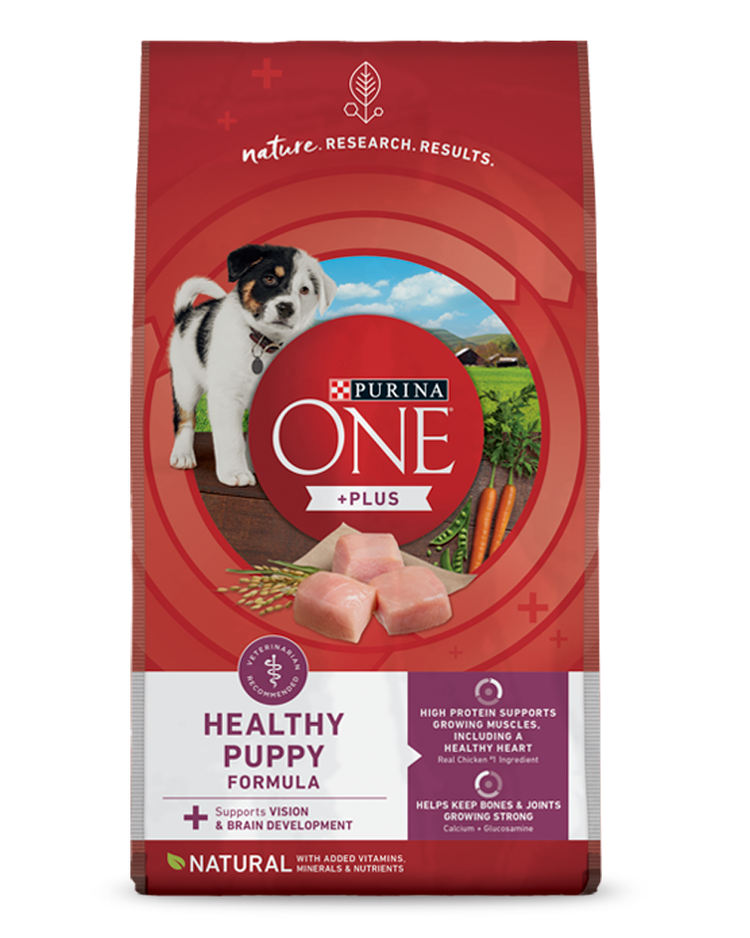
Credit: www.purina.com
Frequently Asked Questions
Can Puppies Eat Adult Dog Food Safely?
Puppies should not eat adult dog food regularly. Adult food lacks necessary nutrients for growth. Specialized puppy food supports healthy development and energy needs.
What Are The Risks Of Feeding Puppies Adult Food?
Adult dog food can cause nutrient deficiencies in puppies. It may lead to poor growth, weak bones, and digestive issues. Proper puppy nutrition is essential for a strong immune system.
How Long Should Puppies Eat Puppy Food?
Puppies should eat puppy food until about 12 months old. Large breeds may need puppy food longer, up to 18 months. This ensures they get the right nutrients for growth.
Can Switching To Adult Food Early Harm Puppies?
Switching to adult food too early can stunt growth. Puppies need higher protein and calorie levels found in puppy food. Gradual transition to adult food is best after growth completes.
Conclusion
Puppies need special food to grow strong and healthy. Adult dog food lacks some nutrients puppies require. Feeding the right diet supports their bones and energy. Choosing puppy food helps avoid health problems later. Always check with a vet for the best advice.
Your puppy’s health depends on proper nutrition every day. Keep their diet balanced and watch them thrive. Simple steps now lead to a happy, healthy dog.