

Are you considering a grain-free diet for your dog? It’s easy to see why—grain-free foods often promise better digestion and fewer allergies.
But before you switch your furry friend’s meals, there are some important downsides you need to know. What if this popular choice could actually harm your dog’s health or cause unexpected problems? Keep reading to discover the hidden risks of grain-free diets and how to make the best decision for your dog’s well-being.
Your pet’s health depends on it.
Credit: wefeedraw.com
Grain-free Diets Explained
Grain-free diets for dogs remove grains like wheat, corn, and rice. Instead, they use other ingredients to provide energy and nutrients. These diets aim to reduce allergies and improve digestion. Many pet owners believe grain-free food is healthier for dogs. Understanding what goes into these diets helps reveal their benefits and drawbacks.
Common Ingredients In Grain-free Dog Food
Grain-free dog foods often use alternative sources of carbohydrates and protein. Common ingredients include:
- Peas
- Lentils
- Potatoes
- Chickpeas
- Sweet potatoes
- Beans
- Meat or fish as primary protein
These ingredients replace grains and provide energy and fiber. Protein sources vary, but meat is key for dogs’ muscle health. The goal is to meet nutritional needs without grains.
Reasons Owners Choose Grain-free
Many dog owners select grain-free diets to address allergies and sensitivities. Some believe grains cause skin issues or digestive problems. Others think grain-free food is more natural for dogs. Marketing and trends also influence choices. Owners want the best for their pets and try grain-free to improve health. Yet, it is important to consider all facts about these diets.
Nutritional Concerns
Nutritional concerns arise with grain-free diets for dogs. These diets often remove grains but do not always replace nutrients properly. This can lead to missing or imbalanced essential nutrients. Understanding these issues helps to keep dogs healthy and strong.
Potential Nutrient Imbalances
Grain-free diets may lack certain vitamins and minerals found in grains. Essential nutrients like fiber, B vitamins, and iron might be lower. Some grain-free foods rely heavily on legumes or potatoes, which have different nutrient profiles.
- Lower fiber can affect digestion and stool quality.
- Reduced B vitamins may impact energy and metabolism.
- Iron deficiency can cause tiredness and poor growth.
Without careful formulation, these diets risk nutrient gaps. Balanced nutrition is crucial for a dog’s overall health.
Impact On Digestive Health
Grains provide important fiber that supports healthy digestion. Removing grains can reduce fiber levels. Some dogs may experience softer stools or irregular bowel movements.
Replacing grains with alternative ingredients might change how well dogs digest their food. Some ingredients could cause gas or bloating. Not all dogs react the same to grain-free diets.
Good digestion is vital for nutrient absorption and energy. Monitoring your dog’s digestive health on a grain-free diet is important.
Link To Heart Disease
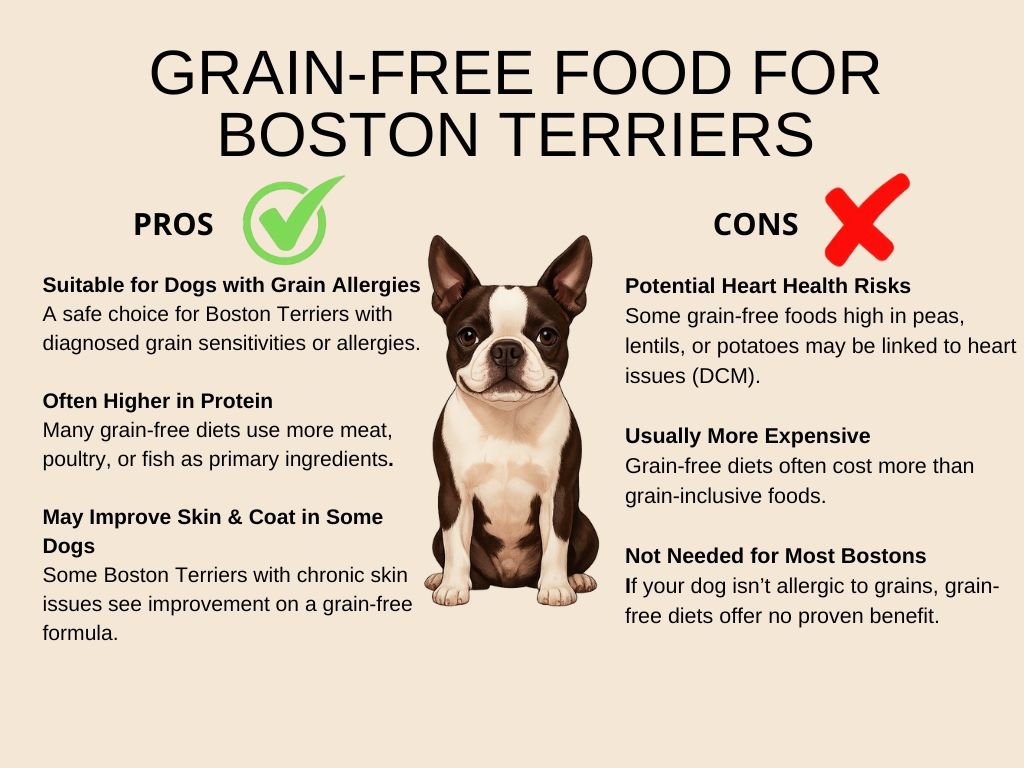
Grain-free diets for dogs may increase the risk of heart disease due to nutrient imbalances. Lack of grains can lead to low taurine levels, essential for heart health. This link raises concerns about choosing grain-free food for pets.
Grain-free diets have gained popularity among dog owners who believe they offer healthier alternatives for their pets. However, recent studies have raised concerns about a potential link to heart disease. This connection has prompted many to reassess the long-term health implications of feeding dogs grain-free foods.Dilated Cardiomyopathy Cases
Dilated cardiomyopathy (DCM) is a serious heart condition that affects the heart muscle’s ability to pump blood efficiently. In recent years, an increase in DCM cases has been observed in dogs on grain-free diets. These diets often contain high levels of peas, lentils, chickpeas, and potatoes, which may be linked to this troubling trend. The rise in DCM cases has caught the attention of veterinarians and pet owners alike. Some breeds, like Golden Retrievers and Doberman Pinschers, are genetically predisposed to DCM. However, cases in breeds not typically associated with the condition have raised red flags and prompted further investigation.Fda Findings And Studies
The U.S. Food and Drug Administration (FDA) has been actively investigating the potential link between grain-free diets and DCM. Their findings suggest a correlation between certain grain-free foods and the heart condition, though definitive causation has yet to be established. The FDA has identified multiple brands and formulations in their reports, urging pet owners to exercise caution. Several studies have been conducted to understand the nutritional deficiencies or imbalances that may contribute to DCM. Researchers are exploring whether the absence of grains or the inclusion of certain legumes could be affecting taurine levels. Taurine is an amino acid crucial for heart health, and its deficiency is a known factor in the development of DCM in dogs. As a responsible pet owner, it’s important to stay informed about these findings and consult your veterinarian before making dietary changes for your dog. Could there be a safer alternative that provides balanced nutrition without the risks? Your dog’s health might depend on it.Allergies And Sensitivities
Allergies and sensitivities are often the main reasons pet owners consider a grain-free diet for their dogs. Many believe that grains cause itching, digestive issues, or skin problems. But is it really the grains, or could something else be triggering your dog’s discomfort?
Misdiagnosis Of Grain Allergies
Grain allergies in dogs are actually quite rare. Many dogs thought to be allergic to grains might be reacting to other ingredients instead. If your dog shows signs of itching or digestive upset, jumping straight to a grain-free diet might not solve the problem.
Veterinarians often find that dogs with food allergies react more to proteins like beef, chicken, or dairy. Changing to a grain-free diet without proper testing could mean you miss the real cause. Have you ever tried eliminating specific proteins first to see if your dog improves?
Alternative Allergy Causes
Besides grains, dogs can be sensitive to many other ingredients in their food. Common culprits include:
- Artificial additives and preservatives
- Fillers like soy or corn
- Certain protein sources
Environmental factors like pollen or dust mites can also cause similar symptoms. Understanding these alternatives helps you make smarter choices for your dog’s diet. What other ingredients have you noticed causing issues in your dog’s meals?
Quality And Cost Issues
Choosing a grain-free diet for dogs brings concerns about quality and cost. These issues can affect your dog’s health and your budget. Understanding these challenges helps you make better feeding decisions.
Ingredient Quality Variations
Grain-free dog foods often use alternative ingredients like peas or potatoes. These ingredients vary in quality across brands. Some products may contain fillers or low-quality proteins. Not all grain-free foods provide balanced nutrition. Poor ingredient quality can lead to digestive problems or allergies in dogs. Reading labels carefully is important to avoid these issues.
Higher Expense For Owners
Grain-free diets usually cost more than regular dog food. Special ingredients and production processes raise prices. Owners may pay significantly higher monthly costs. This extra expense can strain budgets over time. Some dogs may not need grain-free food, making the cost unnecessary. Evaluating your dog’s real needs helps avoid overspending.
Veterinary Recommendations
Veterinarians play a key role in guiding you through your dog’s diet choices, especially when considering a grain-free option. Their recommendations often balance the dog’s health needs with the latest research and nutritional guidelines. Understanding their advice can help you decide if a grain-free diet fits your dog’s unique situation and how to implement it safely.
When Grain-free Is Appropriate
Your vet might suggest a grain-free diet if your dog has allergies or digestive issues linked to grains. Some dogs show clear signs of intolerance, like itching, ear infections, or upset stomachs, that improve when grains are removed.
However, vets also warn against choosing grain-free diets without medical reasons. They remind owners that grains are a good source of energy and nutrients for most dogs. If your dog is healthy and not sensitive, grains can be part of a balanced diet.
Ask yourself: Does your dog have symptoms that could be related to grains? Discuss these openly with your vet before making changes.
Safe Transition Strategies
Switching diets abruptly can cause digestive upset. Vets recommend a gradual transition over 7 to 10 days to help your dog adjust comfortably.
- Start by mixing 25% new grain-free food with 75% old food for a few days.
- Then increase the new food to 50% for the next few days.
- Next, raise it to 75% before finally serving 100% grain-free food.
During this period, watch for any signs of intolerance or discomfort. If your dog experiences vomiting, diarrhea, or lethargy, consult your vet immediately.
Remember, safe transitions reduce stress and help you spot early issues. Have you noticed how your dog reacts to new foods in the past? Using that knowledge can guide your approach.
Balanced Diet Alternatives
A balanced diet is crucial for a dog’s health and energy. Grain-free diets often remove important nutrients found in grains. Choosing alternatives can help maintain a dog’s well-being. Including safe and nutritious grains supports digestion and overall health. Understanding how to incorporate grains safely offers a good solution. Whole grains provide fiber, vitamins, and minerals that dogs need daily.
Incorporating Grains Safely
Introduce grains slowly to avoid stomach upset. Start with small amounts mixed with regular food. Monitor your dog’s reaction for any allergies or sensitivities. Cook grains fully to make them easier to digest. Use grains like brown rice, oats, or barley. Avoid processed grains or those with added salt and sugar. Balanced portions ensure dogs get nutrients without overfeeding.
Benefits Of Whole Grains
Whole grains contain fiber that helps digestion and bowel health. They provide energy through complex carbohydrates. Vitamins like B-complex support metabolism and nerve function. Minerals such as iron and magnesium aid muscle and bone strength. Whole grains help maintain healthy weight by keeping dogs full longer. They also promote a healthy coat and skin. Including whole grains can improve your dog’s overall vitality.
Credit: wefeedraw.com
Credit: bostonterrierblog.com
Frequently Asked Questions
What Are The Health Risks Of A Grain-free Diet For Dogs?
Grain-free diets may increase the risk of heart disease in dogs, specifically dilated cardiomyopathy (DCM). This condition affects heart function and can be serious. Some grain-free foods lack essential nutrients, which may lead to nutritional deficiencies over time.
Why Can Grain-free Diets Cause Nutritional Imbalances?
Grain-free dog foods often replace grains with high levels of peas and lentils. These ingredients can interfere with nutrient absorption, causing imbalances. Dogs may miss out on vital vitamins and minerals, affecting their overall health and energy levels.
Are Grain-free Diets Linked To Canine Heart Disease?
Yes, research shows a connection between grain-free diets and increased cases of dilated cardiomyopathy (DCM). The FDA has investigated this link, suggesting some grain-free formulas might contribute to heart problems in certain breeds.
Can Grain-free Diets Lead To Digestive Issues?
Grain-free diets might cause digestive upset in some dogs. Without grains, fiber content can be low, affecting bowel movements. Dogs might experience diarrhea or constipation as their digestive system adjusts.
Conclusion
Grain-free diets for dogs may seem healthy at first. They can lack important nutrients dogs need every day. Some dogs may develop heart problems from these diets. Not all dogs need grain-free food to stay healthy. Always check with your vet before changing your dog’s diet.
Balance and variety matter more than removing grains. Choose dog food that supports your pet’s overall health. Think carefully about the long-term effects of grain-free meals. Your dog’s well-being should always come first.