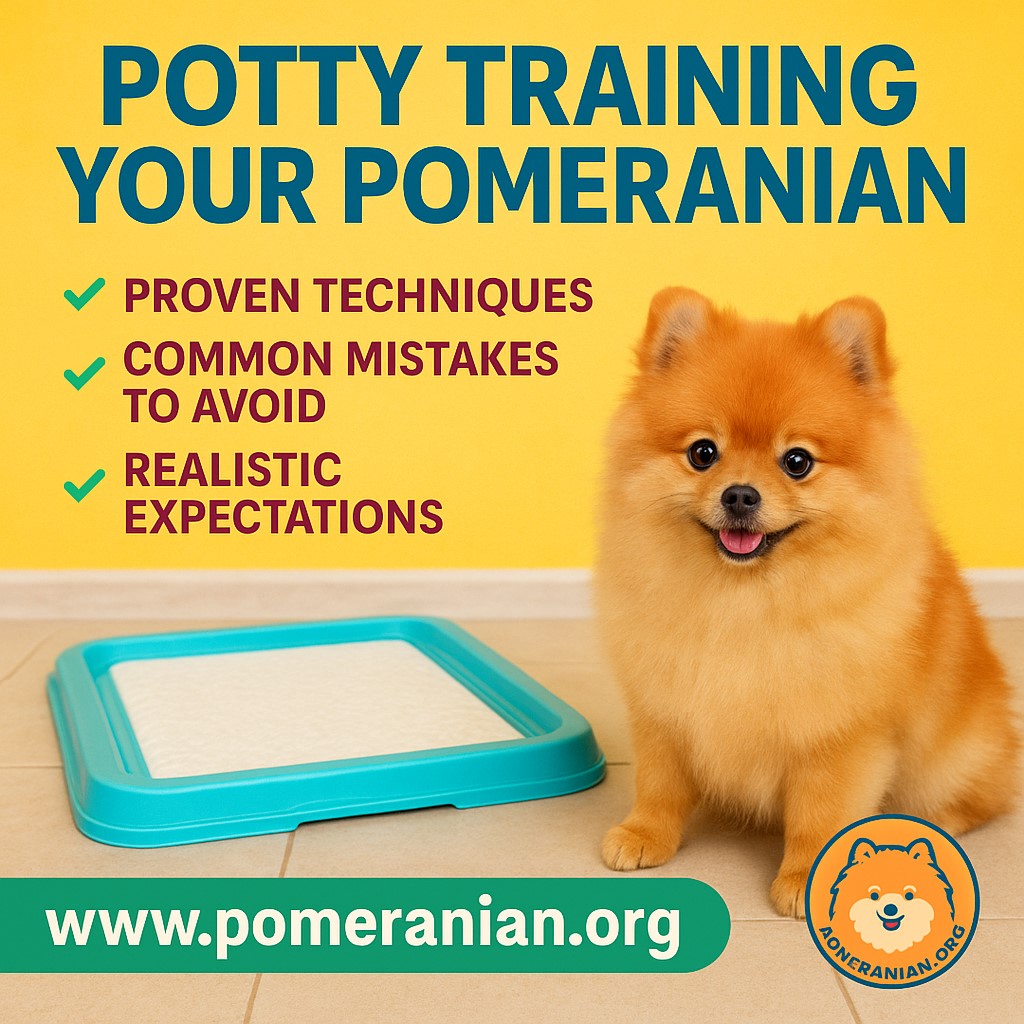

Are you struggling with potty training your new female dog? You might have heard that female dogs are harder to potty train than males.
But is that really true? Understanding the differences can save you time and frustration. You’ll discover what makes potty training female dogs unique and get practical tips to make the process smoother. Keep reading to find out how you can turn potty training into a simple and stress-free experience for both you and your furry friend.

Credit: www.trustedhousesitters.com
Gender Differences In Potty Training
Understanding the gender differences in potty training can help you tailor your approach and manage expectations. Female and male dogs often show distinct behavioral patterns that influence how quickly and easily they learn to go outside. Knowing these differences can make a big difference in your training success.
Behavioral Traits Of Female Dogs
Female dogs tend to be more independent and cautious. This can mean they may take longer to trust you during training but once they do, they often stick to the routine more reliably.
Many female dogs prefer a clean space and may avoid soiling areas they frequent. This trait can sometimes make accidents less frequent but also means they might hold it longer, which could lead to occasional indoor accidents if not monitored closely.
Have you noticed your female dog choosing specific spots to relieve herself? This behavior shows their preference for consistency, which you can use to your advantage by always taking them to the same outdoor location.
Male Vs Female Training Challenges
Male dogs often mark territory, which can complicate potty training. They may spray indoors, especially if not neutered, making consistency harder to achieve.
On the other hand, females might be more sensitive to changes in routine or environment, leading to stress-related accidents. This means your patience and calm consistency become key factors.
Both genders can be stubborn, but the reasons differ. While males might challenge authority more, females may test boundaries through hesitation or avoidance.
- Male dogs may require more supervision to prevent marking inside the home.
- Female dogs benefit from a steady, predictable schedule to build trust and routine.
- Understanding these nuances helps you respond better to your dog’s unique needs.
So, is potty training harder for female dogs? It depends on how you approach their natural behaviors. Have you adjusted your training methods based on your dog’s gender yet?
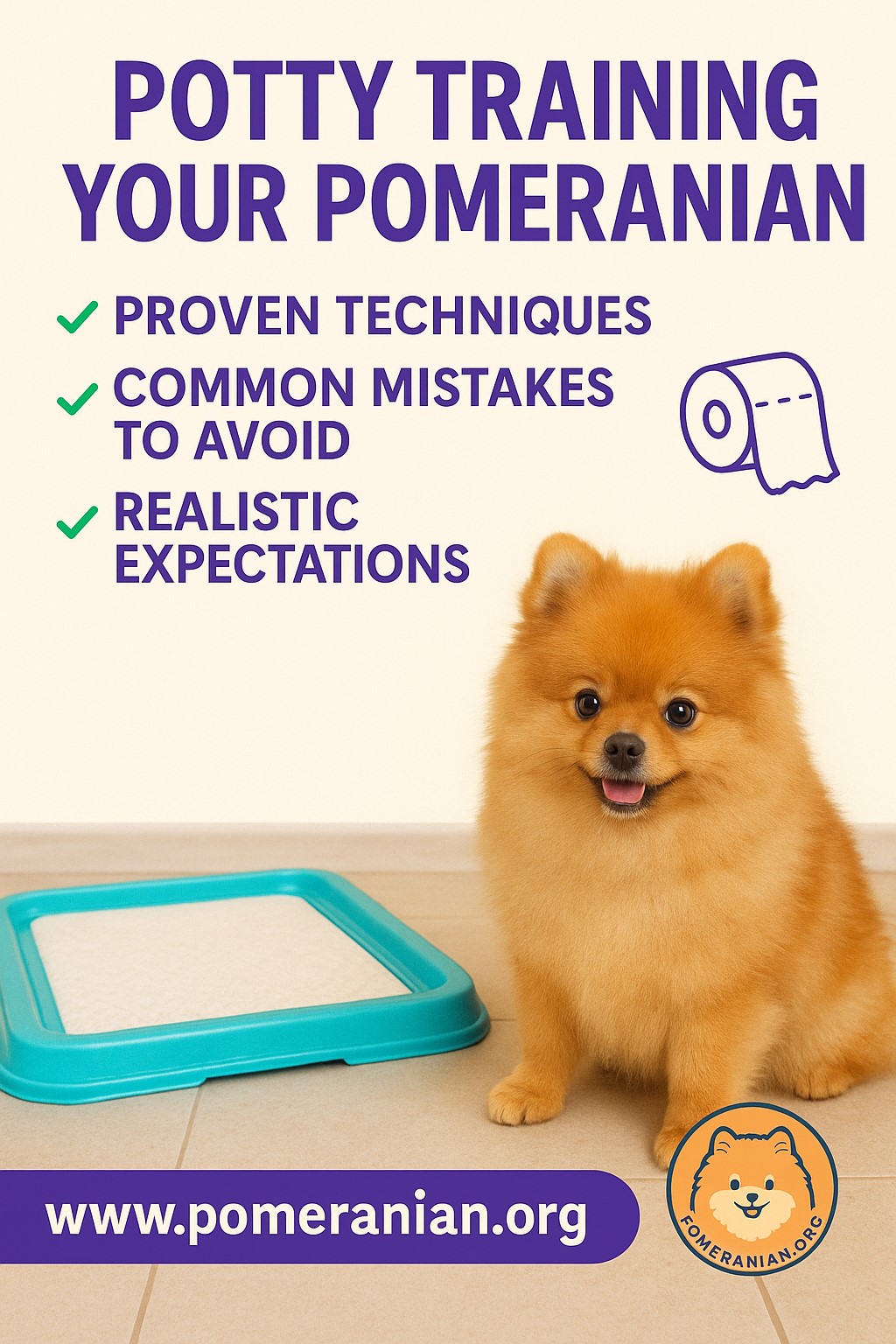
Credit: pomeranian.org
Common Potty Training Issues With Females
Potty training female dogs can sometimes come with unique challenges that catch many owners off guard. Understanding these common issues will help you address them more effectively and keep your training on track. Let’s look closely at two key areas that often impact female dogs during potty training.
Marking And Territory Habits
Although marking is more commonly associated with male dogs, female dogs can also mark their territory. This behavior often shows up as small, frequent urination spots rather than full potty accidents.
You might notice your female dog marking inside the house, especially if she feels stressed or insecure. This can confuse owners who expect female dogs to be easier to house train than males.
To manage marking behavior:
- Watch for signs of anxiety or changes in the environment that may trigger marking.
- Clean marked areas thoroughly to remove odors that encourage repeat marking.
- Consider crate training to provide a safe, secure space.
Have you noticed your female dog marking after a new pet arrives or after a change in routine? These situations often increase marking as your dog tries to reestablish territory.
Heat Cycle Considerations
One of the biggest potty training challenges for female dogs is their heat cycle. During heat, female dogs urinate more frequently and sometimes lose control, leading to unexpected accidents.
Heat cycles can last several weeks, and during this time, your dog’s potty routine may become unpredictable. This can test your patience and disrupt progress if you’re not prepared.
Here are some tips to handle potty training during your dog’s heat cycle:
- Increase potty breaks to accommodate more frequent urination.
- Use waterproof pads or restrict access to carpeted areas temporarily.
- Be extra patient and consistent, understanding this phase is temporary.
Have you adjusted your potty training approach during your dog’s heat cycle? Recognizing this phase can save frustration and help you stay supportive.
Effective Training Techniques For Females
Female dogs can be just as easy to potty train as males with the right approach. Consistent routines and positive rewards help build good habits quickly. Patience and understanding their unique behavior make training smoother.
Training a female dog can present unique challenges. Yet, with effective techniques, success is achievable. Understanding their needs is crucial. A personalized approach ensures better results. Below are some techniques to aid in training.Consistent Routine Importance
A consistent routine is vital. It helps establish clear expectations. Set specific times for potty breaks. This builds a reliable schedule. Consistency reduces anxiety in dogs. A predictable routine makes training smoother.Positive Reinforcement Strategies
Positive reinforcement is a powerful tool. Reward good behavior with treats. Praise your dog with a happy tone. Reinforce desired actions immediately. Timing is key for effectiveness. Avoid punishment for accidents. Focus on positive feedback. Create a supportive environment. This encourages your dog to learn.
Credit: pethelpful.com
Tools And Resources To Help
Training a female dog to go potty can be easier with the right tools and resources. These items help create a clear routine and reduce accidents. They also support you in tracking progress and adjusting your approach.
Using pads, crates, and technology can make training smoother. Choosing the right products and apps saves time and effort. It also helps your dog learn faster and feel comfortable.
Best Training Pads And Crates
Training pads absorb messes and protect floors. Look for pads that are strong and leak-proof. Some have scent attractants to guide your dog.
- Large size to fit your dog’s needs
- Quick absorption to prevent odors
- Non-slip bottom to stay in place
Crates give your dog a safe space. They teach bladder control by limiting space. Pick a crate with enough room to stand and turn.
- Easy to clean materials
- Good ventilation for comfort
- Secure locks to keep your dog safe
Useful Apps And Trackers
Apps help track bathroom breaks and training progress. They remind you to take your dog out on time. Some apps offer tips and schedules tailored to your dog.
- Set reminders for potty times
- Record accidents and successful trips
- Access expert advice and videos
Wearable trackers can monitor your dog’s activity. They show when your dog is restless or sniffing around. This helps identify when your dog needs to go out.
When To Seek Professional Help
Potty training your female dog can sometimes hit unexpected roadblocks. Knowing when to ask for professional help can save you time, frustration, and stress. Recognizing the signs that you’ve reached a training plateau is key to deciding if it’s time to bring in an expert.
Identifying Training Plateaus
Have you noticed that your dog’s progress has stalled despite consistent efforts? Maybe accidents still happen daily, or she seems confused about where to go. These are signs of a training plateau.
Other indicators include:
- Your dog ignores commands related to potty breaks.
- She shows anxiety or avoidance during training sessions.
- There’s no improvement after several weeks.
If you’re nodding along, it’s a clear signal to consider outside help before frustration builds up on both sides.
Choosing The Right Trainer
Not all trainers are the same, and selecting one who understands female dog behavior is crucial. Look for trainers who specialize in positive reinforcement and have experience with potty training challenges.
Ask yourself these questions:
- Do they offer a clear training plan tailored to your dog’s needs?
- Can they provide references or success stories?
- Do their methods align with your values and lifestyle?
Finding the right professional can transform your training journey and build a better bond with your dog. Have you checked what options are available in your area?
Frequently Asked Questions
Are Female Dogs Harder To Potty Train Than Males?
Female dogs are not necessarily harder to potty train. Training success depends more on consistency and routine than gender. Both genders can learn equally well with proper guidance and patience.
How Long Does It Take To Potty Train A Female Dog?
Potty training a female dog usually takes 4 to 6 weeks. Consistent routines, positive reinforcement, and regular bathroom breaks speed up the process.
Do Female Dogs Have Unique Potty Training Challenges?
Female dogs may squat or lift their leg, but this doesn’t affect training difficulty. Challenges depend more on individual temperament and training methods than gender differences.
Can Spaying Affect A Female Dog’s Potty Training?
Spaying generally does not impact potty training. However, hormonal changes post-surgery might temporarily affect behavior. Consistent training remains key to success.
Conclusion
Female dogs are not always harder to potty train than males. Training depends on patience, consistency, and the dog’s personality. Every dog learns at their own pace. Keep routines simple and reward good behavior often. Stay calm and positive during training sessions.
Success comes with time and care, not gender. Focus on your dog’s needs and progress. Potty training can be smooth with the right approach. Don’t rush; enjoy the journey together. Your efforts will pay off.