
Are you wondering if a grain free diet is really safe for your dog? With so many options and opinions out there, it’s easy to feel confused.
You want the best for your furry friend, but how do you know which food choice supports their health without hidden risks? This article will clear up the confusion and help you make confident decisions about your dog’s diet. Keep reading to discover what experts say and what you need to watch out for when considering grain free dog food.
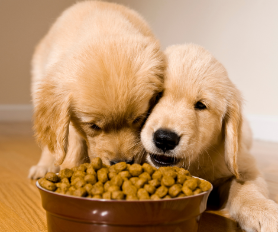
Credit: brookfarmveterinarycenter.com
Grain Free Diet Basics
Understanding the basics of a grain free diet for dogs is essential before making any changes to your pet’s meals. Many dog owners consider this option to address allergies or digestive issues, but what exactly does it mean to feed a dog grain free? Knowing the core ingredients and how they differ from traditional dog food helps you decide if this diet suits your dog’s needs.
What Is Grain Free Dog Food
Grain free dog food excludes common grains like wheat, corn, and rice. Instead, it focuses on alternative sources of carbohydrates and nutrients. This type of food is designed to avoid potential allergens found in grains, which some dogs may be sensitive to.
But does grain free mean healthier? Not always. Some dogs thrive on it, while others do just fine with grains in their diet. Your dog’s unique health and digestive system play a big role in this.
Common Ingredients In Grain Free Diets
Grain free dog foods often use:
- Sweet potatoes
- Peas
- Lentils
- Chickpeas
- Potatoes
These ingredients provide energy and fiber without grains. Protein usually comes from meat, fish, or eggs, similar to regular dog food.
One surprising insight I noticed with my dog was the switch to a grain free diet eased his skin irritation. Yet, it’s important to watch for new ingredients that might cause other reactions. Have you noticed any changes in your dog’s behavior or health when trying new foods?
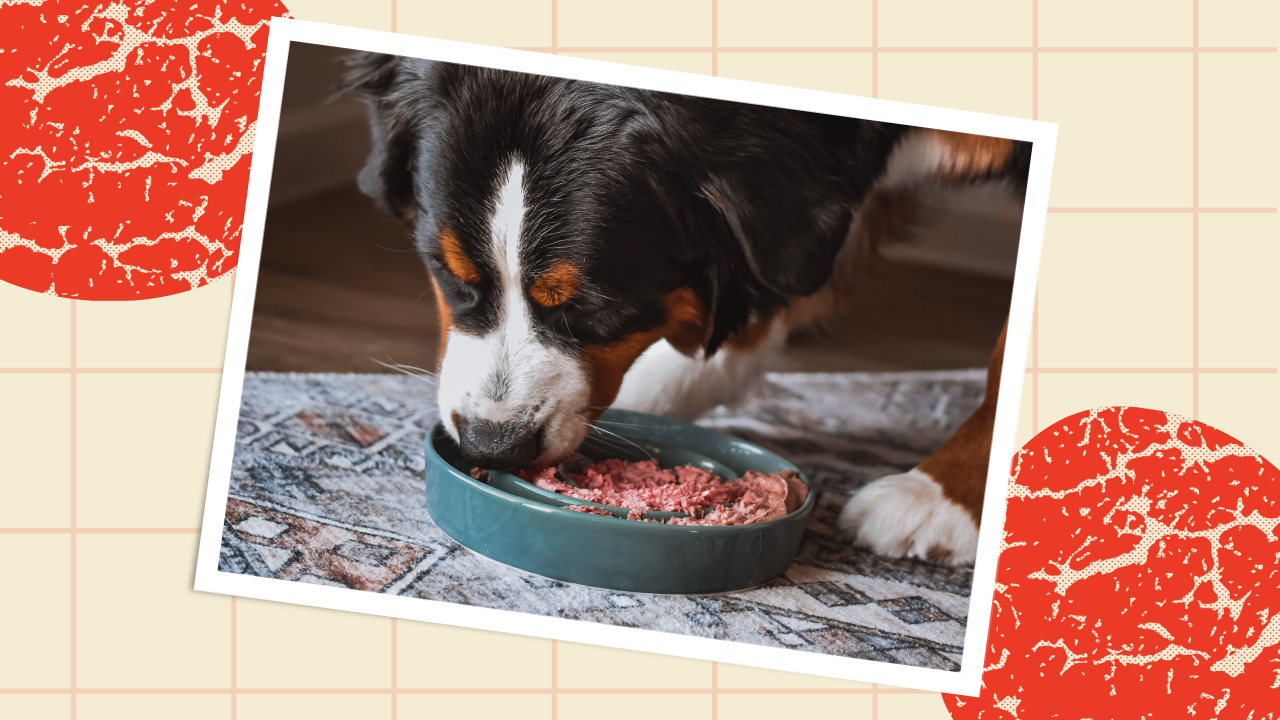
Credit: wefeedraw.com
Reasons Owners Choose Grain Free
Many dog owners choose grain free diets for their pets with the hope of improving health and comfort. The reasons often stem from concerns about allergies, perceived benefits, and the influence of marketing. Understanding these motivations can help you make a more informed choice for your dog’s nutrition.
Allergies And Sensitivities
Some dogs show signs of food allergies or sensitivities, such as itching, digestive issues, or ear infections. Owners often believe grains are the culprit and switch to grain free food to ease these symptoms.
While true grain allergies in dogs are rare, some may react to specific grains or additives found in certain foods. Testing with your vet can pinpoint the exact cause, so you avoid unnecessary diet changes.
Perceived Health Benefits
Many owners report that their dogs have shinier coats, more energy, and better digestion on grain free diets. This creates a strong emotional connection to the idea that grains are harmful.
However, these improvements could also come from higher protein content or the removal of fillers rather than the absence of grains themselves. Ask yourself if your dog’s improvement is from removing grains or simply eating a better quality food.
Marketing Influences
Pet food marketing heavily promotes grain free options as superior or more natural. Attractive packaging and influencer endorsements can sway your choices without solid evidence.
It’s important to look beyond buzzwords and check ingredient lists and nutritional balance. What marketing doesn’t always tell you is that a well-formulated diet with grains can be just as healthy.
Potential Risks Of Grain Free Diets
Grain free diets for dogs are popular among pet owners. Yet, they may pose potential risks. Some believe these diets can cause health issues. It’s important to understand these risks.
Nutritional Imbalances
Grain free diets often lack balanced nutrients. Dogs need various nutrients for health. Removing grains might reduce essential nutrients. This imbalance can affect a dog’s overall health. Protein, fats, and carbs must be balanced in their diet. Without balance, dogs may suffer from health problems.
Links To Heart Disease
Research links grain free diets to heart disease. Some dogs on these diets develop dilated cardiomyopathy (DCM). This condition weakens the heart muscle. It can lead to heart failure. Veterinarians have raised concerns about this link. It’s crucial to monitor your dog’s heart health.
Lack Of Essential Nutrients
Grain free diets may lack vital nutrients. Grains provide fiber, vitamins, and minerals. These nutrients support a dog’s digestion and overall health. Without them, dogs may face deficiencies. Nutrient deficiencies can lead to long-term health issues.
Veterinary Perspectives
Veterinarians play a key role in guiding pet owners about dog diets. Their views on grain-free diets vary based on experience and evidence. Understanding their perspectives helps pet owners make informed choices. Experts weigh benefits and risks for each dog.
Expert Opinions
Many vets agree that dogs can digest grains well. Grains provide essential nutrients and fiber for digestion. Some vets warn about potential nutrient imbalances in grain-free foods. Others recommend grain-free diets only for dogs with allergies or sensitivities.
Veterinary opinions highlight the need for balanced nutrition. They suggest consulting a vet before switching diets. Personalized advice ensures dogs get proper vitamins and minerals. Many vets emphasize whole food quality over grain content alone.
Recent Research Findings
Recent studies focus on the link between grain-free diets and heart health. Some research shows a possible connection to heart conditions in certain dogs. Scientists are still exploring causes and risk factors. Grain-free diets may lack certain nutrients like taurine, affecting heart function.
Research also points to the importance of diet variety and ingredient sources. Balanced diets with proper supplementation reduce health risks. Ongoing studies aim to clarify the safety of grain-free options. Veterinarians rely on updated research to guide recommendations.
Alternatives To Grain Free Diets
Grain free diets are not the only choice for dogs with food sensitivities or allergies. Other diets can meet your dog’s nutritional needs while avoiding common allergens. These alternatives often focus on simple, high-quality ingredients.
Choosing the right diet depends on your dog’s health and preferences. Always consult your vet before making big changes to your dog’s food.
Limited Ingredient Diets
Limited ingredient diets use fewer ingredients to reduce allergy risks. They focus on one protein source and one carbohydrate source. This simplicity helps identify which foods cause problems.
These diets are good for dogs with food sensitivities. They often contain novel proteins like duck or venison. These proteins are less common and less likely to cause allergies.
Limited ingredient diets provide balanced nutrition without grains. They are easier to digest and gentle on the stomach. Many dogs thrive on these diets and show fewer allergy symptoms.
Hypoallergenic Options
Hypoallergenic dog foods are designed to avoid common allergens. They often use hydrolyzed proteins. Hydrolyzed proteins are broken down into tiny pieces, so the immune system does not react.
These diets may also avoid dairy, eggs, soy, and wheat. They help dogs with severe allergies or intolerances. Hypoallergenic foods support healthy skin and coat.
Your vet can recommend the best hypoallergenic diet. These options may be prescription or over-the-counter. Both aim to reduce allergic reactions and improve digestion.

Credit: www.lilyskitchen.co.uk
Choosing The Right Diet
Choosing the right diet for your dog is essential for their health and happiness. Dogs have different needs based on their age, size, breed, and health condition. Feeding your dog a diet that suits them well can prevent problems and keep them energetic.
Grain free diets can be helpful for some dogs. But not all dogs need them. Understanding your dog’s specific needs helps you make the best choice. This section guides you on how to pick a safe and balanced diet.
Assessing Your Dog’s Needs
Start by observing your dog’s health and behavior. Notice their energy levels, coat condition, and digestion. Some dogs may have allergies or sensitivities to grains. Others may do well with grains in their food. Age, weight, and activity also affect dietary needs.
Keep track of any signs like itching, vomiting, or loose stools. These may indicate food intolerance. Knowing these details helps find a diet that supports your dog’s well-being.
Consulting A Veterinarian
A vet can provide expert advice tailored to your dog. Share your observations and concerns with them. They may suggest tests to rule out allergies or health issues. Vets can recommend diets that meet nutritional standards.
Discuss grain free options and their benefits or risks. This ensures your dog’s diet supports long-term health. Regular check-ups help adjust the diet as your dog ages or health changes.
Reading Dog Food Labels
Labels tell you what is inside the dog food. Look for clear ingredient lists and guaranteed analysis. Check if grains are replaced by other carbohydrates or fillers. Identify the main protein sources and their quality.
Watch for added vitamins and minerals. Avoid foods with too many artificial additives. Understanding labels helps you pick foods that are balanced and safe.
- Look for named proteins like chicken or beef.
- Avoid vague terms like “meat by-product.”
- Check carbohydrate sources like potatoes or peas.
- Note the presence or absence of grains.
Monitoring Your Dog’s Health
Monitoring your dog’s health is key when feeding a grain free diet. Changes in diet can affect your pet’s well-being. Careful observation helps catch any issues early. This allows for quick action to keep your dog happy and healthy. Watch your dog closely for any signs that might indicate discomfort or allergies.
Signs Of Food Sensitivities
Food sensitivities can show in many ways. Some common signs include:
- Itchy skin or redness
- Frequent scratching or licking
- Digestive upset like vomiting or diarrhea
- Loss of appetite or unusual tiredness
- Swelling or hives on the skin
Noticing these signs early can help you adjust your dog’s diet quickly. Keep a record of any changes in behavior or health after switching foods.
Regular Health Checkups
Schedule regular visits to your veterinarian. These checkups help track your dog’s overall health. Your vet can detect problems that are not obvious at home. Blood tests and physical exams give a complete health picture. Discuss any diet changes with your vet to get expert advice. Regular checkups support a safe and balanced diet for your dog.
Frequently Asked Questions
Is A Grain Free Diet Safe For All Dogs?
A grain free diet can be safe but is not necessary for all dogs. Some dogs have allergies or sensitivities to grains. Always consult your vet before switching diets to ensure it meets your dog’s nutritional needs.
Can Grain Free Diets Cause Heart Problems In Dogs?
Some studies suggest a link between grain free diets and canine heart disease (DCM). However, more research is needed. Always monitor your dog’s health and consult your vet if you have concerns about diet-related risks.
What Are The Benefits Of A Grain Free Diet For Dogs?
Grain free diets may improve digestion and reduce allergies in sensitive dogs. They often contain higher protein and fewer fillers. Benefits vary per dog, so vet advice is crucial for the best diet choice.
How To Choose The Best Grain Free Dog Food?
Look for high-quality ingredients and balanced nutrition. Check for AAFCO approval and consult your vet. Avoid dog foods with excessive fillers or artificial additives to ensure your dog’s health and safety.
Conclusion
Grain free diets can work well for some dogs but not all. Dogs with allergies might benefit from avoiding grains. Still, talk to your vet before changing your dog’s food. Balance and nutrition matter most for your dog’s health. Watch your dog’s reaction closely after switching foods.
Each dog’s needs are different and must be respected. Good care means choosing the right diet for your dog. Keep your dog happy and healthy with smart food choices.

