
Are you wondering when it’s the right time to switch your furry friend to adult dog food? Feeding your dog the right food at the right age is key to keeping them healthy and full of energy.
If you change their diet too soon or too late, it could affect their growth and overall well-being. You’ll discover the signs to look for and the best time to make the switch. Keep reading to make sure your dog gets the nutrition they need at every stage of life.
Credit: www.vetsupply.com.au
Puppy Growth Stages
Puppy growth stages are crucial to understand if you want to know the right time to switch your dog to adult food. Each stage brings different nutritional needs and developmental changes. Recognizing these stages helps you support your puppy’s health and avoid feeding mistakes that could impact their growth.
From Newborn To Weaning
Puppies rely entirely on their mother’s milk during the first few weeks. This milk provides essential nutrients and antibodies to build their immune system. Around 3 to 4 weeks old, puppies begin the weaning process, gradually shifting from milk to solid food.
During weaning, you should introduce soft, puppy-formulated food in small amounts. This transition prepares their digestive system for more complex meals. Are you watching your puppy’s response closely during this critical phase?
Key Development Milestones
Between 4 and 12 weeks, puppies grow rapidly and become more active. Their bones, muscles, and brain develop fast, needing nutrient-rich food to keep up. Protein, fats, and vitamins should be balanced to support energy and healthy growth.
Social skills and behavior also evolve during this time. Nutrition impacts not just physical growth but mental development too. Have you noticed your puppy’s energy levels or behavior changing with their diet?
Age Benchmarks For Growth
| Age | Growth Stage | Feeding Focus |
|---|---|---|
| 0-4 weeks | Newborn to Weaning | Mother’s milk, start soft food introduction at week 3-4 |
| 4-12 weeks | Rapid Growth & Development | High-quality puppy food, balanced nutrients |
| 3-6 months | Growth Slows, Muscle Development | Adjust portion sizes, maintain protein and fat levels |
| 6-12 months | Approaching Maturity | Begin transition to adult food depending on breed size |
Knowing these age benchmarks helps you plan your puppy’s diet carefully. When you see the right signs, you can confidently start switching to adult food. How will you track your puppy’s growth milestones to make the best feeding choices?
Credit: dogsauce.co
Signs Your Dog Is Ready
Knowing the right time to switch your dog to adult food helps keep them healthy. Watch your dog closely for clear signs of readiness. These signs relate to their body, behavior, and growth.
Physical Indicators
- Adult teeth replacing puppy teeth
- Shiny coat showing good health
- Strong muscles developing
- Less rapid growth in height
Behavioral Changes
- More calm and steady energy
- Less frequent naps during the day
- Increased interest in longer walks
- More independent and less clingy
Weight And Size Considerations
- Weight close to expected adult size
- Body shape becoming more defined
- Stable weight for several weeks
- Vet confirms healthy growth progress
Breed And Size Factors
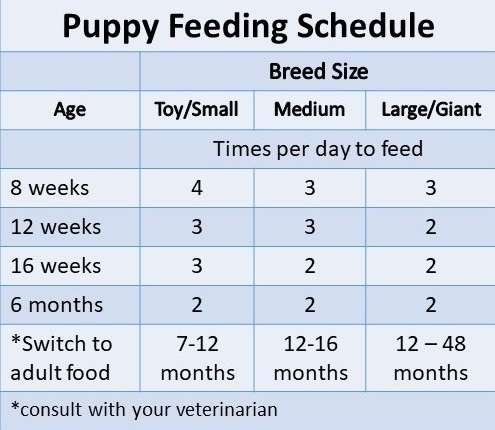
Choosing when to switch your dog to adult food depends on breed and size. Different breeds grow at different rates. Small breeds mature faster than large breeds. It’s important to know the right time for your dog’s transition. This ensures they receive proper nutrition for their growth stage.
Small Breeds
Small breeds usually reach adulthood around 9 to 12 months. Their rapid growth means they transition earlier than larger breeds. These dogs need balanced nutrition to support their high energy levels. Choose a food formulated for small adult dogs. This will ensure they maintain a healthy weight and energy level.
Medium Breeds
Medium breeds mature between 12 to 14 months. They require a gradual switch from puppy to adult food. Look for food that supports their moderate energy needs. This helps avoid weight gain as their activity level stabilizes. Proper nutrition is key for their muscle and bone development.
Large And Giant Breeds
Large and giant breeds take longer to mature. They reach adulthood around 18 to 24 months. Their growth is slower and requires careful monitoring. Choose food that supports joint and bone health. This is crucial due to their larger frame. Ensure the food provides balanced nutrients to support their size. Proper feeding prevents obesity and promotes overall health.
Nutritional Differences
Understanding the nutritional differences between puppy and adult dog food is key to knowing when to make the switch. Your dog’s body is changing rapidly, and their diet needs to keep up with these new demands. Feeding the right nutrients at the right time helps your dog stay healthy and active.
Puppy Vs Adult Food Nutrients
Puppy food is specially designed to support growth and development. It contains extra vitamins and minerals like calcium and phosphorus to build strong bones and teeth. Adult food, on the other hand, focuses on maintaining health rather than growth.
Switching too early to adult food may mean your dog misses out on essential nutrients. But staying on puppy food for too long can lead to excess calories and weight gain. Have you noticed how your dog’s energy levels or coat condition change as they grow? These can be clues about whether their current food meets their needs.
Calorie Needs
Puppies burn a lot of energy because they are constantly growing and playing. Their calorie needs are much higher per pound of body weight compared to adult dogs. Adult dogs need fewer calories to maintain their weight and avoid obesity.
Tracking your dog’s weight and activity can help you decide when to reduce calories. For example, a very active young dog might still need more calories than a calm adult. Are you adjusting portion sizes based on your dog’s lifestyle, or sticking to a fixed amount?
Protein And Fat Levels
Puppy food usually contains higher protein and fat levels to support muscle growth and brain development. Adult dog food has moderate amounts to keep muscles strong without adding extra body fat. Too much protein or fat in adult dogs can strain their organs over time.
When your dog reaches about 80% of their expected adult size, it’s often a good time to start considering adult food. You can also consult your vet to match your dog’s specific health needs. Have you checked the ingredient list on your dog’s food lately to compare protein and fat percentages?
Transitioning Tips
Transitioning your dog from puppy food to adult food is a crucial phase that requires patience and attention. How you manage this change can affect your dog’s digestion, energy levels, and overall health. Let’s look at some practical tips to make this switch smooth and stress-free for both you and your furry friend.
Gradual Food Changes
Switch your dog’s food slowly over 7 to 10 days. Start by mixing 25% adult food with 75% puppy food. Each day, increase the adult food portion by about 25% until you’re feeding only adult food.
This slow shift helps your dog’s digestive system adjust without causing upset stomach or refusal to eat. Have you noticed your dog’s reaction when you suddenly change their diet? A gradual approach prevents those stressful moments.
Monitoring Digestive Health
Watch your dog’s stool consistency and frequency during the transition. Soft stools, diarrhea, or constipation may signal the need to slow down the process. Keep an eye on other signs like vomiting or loss of appetite.
Noticing these symptoms early can save you from bigger health issues. If your dog shows any severe or persistent digestive problems, consult your vet immediately.
Avoiding Common Mistakes
- Don’t switch foods abruptly.It can cause digestive upset and food refusal.
- Avoid mixing treats or table scraps.They can confuse your dog’s palate and affect appetite for new food.
- Don’t ignore your dog’s cues.If they seem uncomfortable, slow down the transition.
Have you ever rushed a food change and regretted it? Taking your time can prevent unnecessary stress for your dog and yourself. Your dog’s health is worth the patience.
Credit: www.webbox.co.uk
Veterinarian Recommendations
Veterinarian recommendations play a key role in deciding the right time to start adult dog food. Vets understand your dog’s unique needs better than anyone. Their advice helps ensure a smooth and healthy food transition. Always consider professional guidance to avoid feeding issues or nutritional gaps.
When To Consult A Vet
Consult your vet before changing your dog’s diet. Puppies grow at different rates, so timing varies. Health conditions may affect the choice of food. Your vet can suggest the best age to switch. Ask for advice during regular check-ups or if you notice changes in your dog.
Customizing Food Timing
Vets tailor feeding advice based on breed, size, and health. Large breeds may need adult food later than small breeds. Some dogs with special needs require customized diets. Your vet can recommend the right formula and portion size. This ensures balanced nutrition and avoids digestive problems.
Health Checks During Transition
Health checks are important during food changes. Monitor your dog’s weight, coat, and energy levels. Watch for signs of allergies or stomach upset. Report any concerns to your vet promptly. Regular check-ups help track how your dog adapts to the new food.
Special Cases
Some dogs need special care when changing their food. Their health, age, or condition can affect the right time to switch to adult food. These special cases need attention to keep dogs healthy and strong.
Dogs With Health Issues
Dogs with health problems may require a different diet. Some illnesses need food that supports healing or avoids certain ingredients. Consult a vet before changing their food. The vet may suggest a special adult food or continue puppy food longer.
Rescue Dogs And Unknown Age
Rescue dogs often have unknown ages. Estimating their age helps decide when to start adult food. Vets look at teeth and body condition to guess age. Start adult food gradually once the dog looks mature. Watch for any digestive issues during the switch.
Pregnant Or Nursing Dogs
Pregnant and nursing dogs need extra nutrients. Their diet should support both the mother and puppies. Often, they stay on puppy food during pregnancy and nursing. Puppy food has more calories and protein, which helps growth and milk production. Switch to adult food after nursing ends.
Frequently Asked Questions
When Should I Switch My Puppy To Adult Dog Food?
Switch your puppy to adult dog food around 12 months old. Large breeds may need up to 18-24 months. This timing supports healthy growth and energy needs as your dog matures.
What Signs Show My Dog Needs Adult Food?
Look for slowed growth and decreased energy. Puppies finishing teething and showing adult teeth are ready. Consult your vet to confirm the best time to switch.
Can I Mix Puppy And Adult Food During Transition?
Yes, gradually mix adult food with puppy food over 7-10 days. This helps your dog adjust without digestive upset. Increase adult food portion slowly until fully switched.
Why Is It Important To Feed Age-appropriate Dog Food?
Age-appropriate food meets specific nutritional needs. Puppies need more protein and calories for growth. Adult dogs require balanced nutrients to maintain weight and health.
Conclusion
Feeding your dog adult food at the right time helps keep them healthy. Watch their growth and behavior for signs of readiness. Most dogs switch foods between one and two years old. Choose a balanced adult dog food to meet their needs.
Changing food too early or late can cause issues. Always consult your vet if unsure about the timing. A smooth transition makes your dog happy and strong. Remember, good nutrition supports a long and active life. Care for your dog by feeding the right food at the right time.

