
You want the best for your puppy, especially when it comes to their food. But how do you know when it’s time to switch from puppy food to adult dog food?
Making this change too early or too late can affect your dog’s health and energy. You’ll discover the signs to look for and the best time to make the switch. Keep reading to learn how to give your furry friend the nutrition they need at every stage of life.

Credit: jiminys.com
Puppy Growth Stages
Puppies grow fast. Their diet needs change as they develop. Understanding puppy growth stages helps decide when to switch to adult dog food. Each stage has unique nutritional needs. Proper feeding supports healthy bones, muscles, and energy.
From Newborn To Weaning
Puppies rely on their mother’s milk at first. This milk provides essential nutrients and antibodies. Around 3 to 4 weeks, puppies start weaning. They try soft, mushy food mixed with water. This transition prepares their digestive system for solid food. By 8 weeks, most puppies eat solid food fully.
Key Milestones In Development
- 2 to 4 weeks: Eyes and ears open, puppies explore more.
- 4 to 8 weeks: Teeth grow, active play begins.
- 8 to 16 weeks: Rapid growth, immune system strengthens.
- 16 weeks to 6 months: Muscle and bone development peaks.
Nutritional needs shift with these milestones. Food changes support healthy growth and energy.
Breed Size And Growth Rate
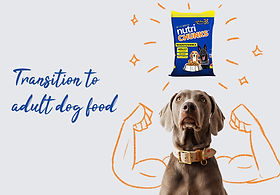
Small, medium, and large breeds grow at different rates. Small breeds mature faster, usually by 9 to 12 months. Large breeds take longer, sometimes up to 18-24 months. Growth speed affects when to switch food types. Large breeds need food that supports slow, steady growth. Small breeds may transition to adult food sooner.
Credit: www.sanmiguelpetcare.com
Why Transition Matters
Knowing when to switch your puppy to adult dog food is more than just a feeding schedule. It’s about giving your dog the right fuel at the right time to keep them healthy and happy. Transitioning properly can prevent problems and support your dog’s growth in ways you might not have expected.
Nutritional Needs Shift
Puppies need more calories, protein, and fat than adult dogs to support their rapid growth. As they grow, their metabolism slows down and their nutritional needs change.
Feeding adult dog food too early can leave them undernourished, while continuing puppy food too long can cause weight gain. You want to match their diet to their current stage of life for balanced nutrition.
Avoiding Digestive Issues
Sudden changes in diet can upset your dog’s stomach, leading to diarrhea or vomiting. Gradually transitioning helps their digestive system adjust smoothly.
Think about how you feel when you suddenly change your diet—your puppy’s body reacts the same way. A slow transition over 7-10 days can prevent discomfort and keep their digestion on track.
Supporting Healthy Development
Your puppy’s bones, muscles, and immune system develop rapidly in the first year. Their food needs to support this growth with the right vitamins and minerals.
Switching to adult food too late may mean missing out on nutrients designed for mature dogs, while switching too early may slow down important development. Watching your puppy’s growth and energy helps you decide the right time to make the change.
Signs Your Puppy Is Ready
Transitioning your puppy to adult dog food is a significant milestone in their growth journey. But how do you know when it’s time for this big change? Recognizing the signs that your puppy is ready can make the switch smoother for both of you. Paying attention to their behavior, physical growth, and consulting with a vet can provide you with the answers you need.
Behavioral Changes
Notice any shifts in your puppy’s energy levels or eating habits? Puppies often become less hyper and more settled as they mature. They might also show disinterest in puppy food, indicating they’re ready for something more substantial.
During this stage, a change in play patterns can occur. Puppies may engage in more focused play, reflecting their growing maturity. Have you observed your puppy acting more like an adult dog lately?
Physical Indicators
Growth spurts are crucial indicators that your puppy is reaching adulthood. Most puppies reach about 80% of their adult size by the time they’re ready for adult food. Check your puppy’s weight and size to see if they’ve plateaued.
Teeth also play a role. Adult teeth replacing puppy teeth signify readiness for a diet change. Your puppy may be able to handle the crunch of adult kibble when their dental structure is fully developed.
Consulting Your Vet
Your vet is a valuable resource in determining the right time for transitioning. They can provide insights based on your puppy’s breed, size, and health. Have you scheduled a check-up recently?
During vet visits, discuss any concerns about nutrition and growth. A professional opinion can guide you through a successful transition. Your vet might also recommend specific brands or types of food suited to your dog’s needs.
Credit: askavet.com
Timing The Transition
Timing the transition from puppy food to adult dog food is important for your dog’s health. Puppies have different nutritional needs than adult dogs. Feeding the right food at the right time helps support growth and prevents health problems. Watch your puppy’s development closely and adjust their diet accordingly.
Small Vs. Large Breeds
Small and large breeds grow at different speeds. Small breeds often mature faster and may need adult food sooner. Large breeds take longer to grow and need puppy food for an extended period. Their bones and joints require extra nutrients during growth. Knowing your breed’s size helps choose the best time to switch foods.
Typical Age Ranges
Most small breeds start adult food between 9 and 12 months. Medium breeds usually switch around 12 months. Large and giant breeds may need puppy food up to 18-24 months. These age ranges are general guidelines. Use them as a starting point for your transition plan.
Adjusting Based On Individual Growth
Every puppy grows differently. Monitor weight, energy, and body shape. Consult your vet if growth seems too fast or slow. Adjust the food transition based on your puppy’s unique needs. Slow changes over 7 to 10 days ease digestion. This approach helps your puppy adapt smoothly to adult food.
How To Switch Foods
Switching your puppy to adult dog food needs care and patience. Sudden food changes can upset their stomach. A smooth transition helps your dog adjust well and stay healthy. Follow clear steps to make the switch easy and safe.
Gradual Mixing Method
Start by mixing a small amount of adult food with puppy food. Use about 25% adult food and 75% puppy food. Feed this mix for three days. Then, increase adult food to 50% and reduce puppy food to 50%. Continue for another three days.
Next, feed 75% adult food and 25% puppy food for three days. Finally, switch to 100% adult dog food. This slow change helps your puppy’s stomach adapt.
Monitoring For Reactions
Watch your puppy closely during the switch. Look for signs like vomiting, diarrhea, or lack of appetite. Check their energy and mood too. If you notice any issues, slow down the transition. Give more time at each mixing stage.
Contact your vet if problems continue or worsen. Your vet can suggest the best food or feeding plan for your puppy.
Maintaining Consistency
Feed your puppy at the same times every day. Keep portion sizes steady to avoid overeating or hunger. Use the same brand and formula of adult food once the switch is complete. Sudden changes can cause stress and digestive issues.
Keep fresh water available at all times. Regular feeding habits support good digestion and health.
Choosing Adult Dog Food
Choosing the right adult dog food is a key step after your puppy grows. Adult dog food supports their changing nutritional needs. It helps maintain good health, energy, and a strong immune system. Selecting food carefully ensures your dog stays happy and active for years.
Key Nutrients To Look For
Adult dogs need balanced nutrients for overall health. Look for food rich in:
- High-quality protein for muscle maintenance
- Healthy fats to support skin and coat
- Carbohydrates for energy
- Vitamins and minerals for immune support
- Fiber to aid digestion
Check labels for named meat sources and essential nutrients.
Avoiding Fillers And Additives
Fillers add no real nutrition and may cause issues. Avoid foods with:
- Excess corn, wheat, or soy
- Artificial colors or flavors
- Unnecessary preservatives like BHA or BHT
Natural ingredients support better digestion and health.
Tailoring To Activity Level
Energy needs vary by activity. Adjust food choice to match:
- Active dogs need higher calories and protein
- Less active dogs require fewer calories
- Seniors may benefit from joint-supporting ingredients
Proper food helps maintain a healthy weight and energy balance.
Common Transition Challenges
Switching a puppy from puppy food to adult dog food can bring some challenges. This change affects their taste, digestion, and overall health. Understanding these common issues helps make the transition smooth and safe.
Picky Eating
Puppies may refuse adult food at first. They often prefer the taste and texture of puppy food. New food can seem strange or unappealing. Patience and gradual mixing of old and new food can help. Offering small, frequent meals may encourage eating. Avoid sudden changes to prevent refusal.
Digestive Upsets
Switching food can upset a puppy’s stomach. Signs include diarrhea, vomiting, or gas. Their digestive system needs time to adjust. Introduce adult food slowly over 7 to 10 days. Watch for any discomfort or changes in stool. If problems persist, reduce the amount of new food and increase old food temporarily.
When To Seek Professional Help
Some issues need a vet’s attention. Persistent vomiting or diarrhea is a red flag. Loss of appetite for more than two days is serious. Sudden weight loss or lethargy also requires help. Consult a vet if you notice these signs. Early care prevents bigger health problems later.
Frequently Asked Questions
When Is The Right Age To Switch Puppy Food?
Most puppies should transition to adult dog food around 12 months. Large breeds may switch later, around 18-24 months, due to slower growth. Consult your vet to determine the best time based on breed and development.
How To Know If My Puppy Needs Adult Food?
Signs include slowed growth, weight stabilization, and less high energy. If your puppy seems less active and has reached near full size, it may be time to switch. Always confirm with your vet before changing food.
Can Switching Food Too Early Harm My Puppy?
Yes, switching too early can cause nutritional imbalances. Puppies need higher protein and fat for growth. Early transition may lead to deficiencies and health issues. Follow vet advice for a smooth, safe switch.
What Are Benefits Of Adult Dog Food Over Puppy Food?
Adult dog food supports maintenance rather than growth. It has balanced nutrients for energy and weight control. This helps prevent obesity and supports long-term health after growth completes.
Conclusion
Choosing the right time to switch your puppy to adult food matters. Puppies grow fast and need good nutrition to stay healthy. Watch their size, breed, and behavior to decide when to change food. Gradually mix adult food with puppy food to avoid stomach upset.
A proper diet supports strong bones and a shiny coat. Trust your vet’s advice for the best timing. Feeding the right food keeps your dog happy and active for years. Simple steps can make this transition smooth and safe. Your puppy will thank you with a wagging tail.