
Are you wondering if it’s okay to keep your adult dog on puppy food? You’re not alone.
Many dog owners face this question and want the best for their furry friends. Choosing the right food affects your dog’s health, energy, and happiness. But is puppy food the right choice once your dog grows up? Keep reading to discover what experts say and how to make the best decision for your dog’s diet.
Your dog’s well-being depends on it.
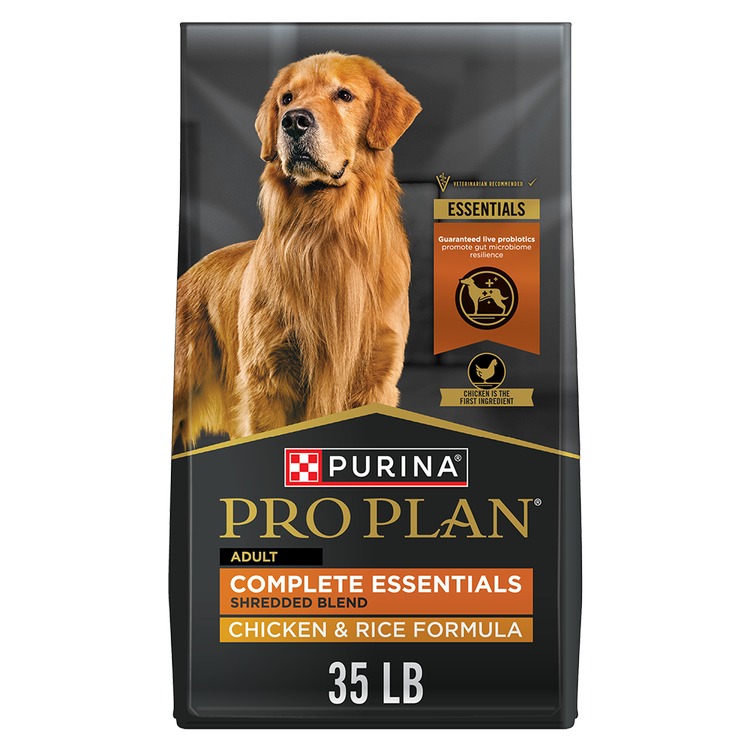
Credit: www.purina.com
Nutritional Needs Of Adult Dogs
Adult dogs have different nutritional needs than puppies. Their bodies require food that supports maintenance and overall health rather than rapid growth. Feeding the right diet keeps adult dogs energetic and helps prevent weight gain or health issues.
Differences Between Puppy And Adult Dog Food
Puppy food contains more calories and nutrients to support fast growth. It is richer in protein, fat, and certain vitamins. This helps puppies build strong bones and muscles.
Adult dog food has fewer calories and is balanced for daily energy needs. It focuses on maintaining muscle mass and a healthy weight. The nutrient levels are adjusted to prevent obesity and support long-term health.
Essential Nutrients For Adult Dogs
- Protein:Needed to maintain muscles and repair tissues.
- Fat:Provides energy and supports skin and coat health.
- Carbohydrates:Supply energy and aid digestion.
- Vitamins and Minerals:Support immune function and bone health.
- Fiber:Helps with digestion and keeps the gut healthy.
Adult dogs need a balanced diet with these nutrients in correct amounts. Overfeeding or underfeeding can cause health problems. Choosing food designed for adult dogs helps meet these needs effectively.
Potential Risks Of Feeding Puppy Food To Adults
Feeding your adult dog puppy food might seem harmless or even beneficial at first glance, but it carries several risks you should carefully consider. Puppy food is designed to meet the rapid growth needs of young dogs, which means its nutrient balance is quite different from what adult dogs require. Continuing this diet into adulthood can lead to unintended health problems that affect your dog’s quality of life.
Weight Gain And Obesity Concerns
Puppy food is typically richer in calories and fat to support growth. If your adult dog eats this calorie-dense food regularly, it may gain weight quickly. Excess weight strains joints and organs, increasing the risk of obesity-related diseases.
Have you noticed your dog gaining weight despite normal activity? This might be linked to feeding them puppy food. Adjusting their diet to suit their age can help maintain a healthy weight and energy level.
Digestive Issues And Discomfort
Adult dogs have different digestive needs compared to puppies. Puppy food’s higher fat and protein content can be harder for adult dogs to digest, leading to stomach upset, diarrhea, or gas. Your dog might show signs of discomfort after meals, such as bloating or lethargy.
If your dog has experienced digestive problems, consider if their food is appropriate for their age. Switching to an adult formula can improve digestion and overall comfort.
Long-term Health Implications
Feeding puppy food to adults over a long period can disrupt nutrient balance. Excessive calcium and phosphorus, common in puppy diets, may harm your dog’s kidneys and bones as they age. This imbalance increases the risk of chronic conditions like kidney disease or joint problems.
Think about your dog’s future health when choosing their food. Providing age-appropriate nutrition supports a longer, healthier life free of preventable complications.
When Puppy Food Might Be Suitable For Adults
Puppy food is formulated with extra nutrients to support growth, but there are specific situations where it can benefit adult dogs too. Understanding these cases helps you make a better decision for your dog’s health and well-being. Let’s look at when puppy food might actually be suitable for adult dogs.
Special Medical Conditions
Sometimes adult dogs face health challenges that require a richer diet. Puppy food contains higher levels of protein, fats, and calories, which can aid in recovery from illness or surgery.
If your vet recommends extra nutrition to help your dog regain strength, puppy food might be a good option. Have you noticed your dog struggling to maintain weight after an illness? Puppy food can offer the extra boost they need during these tough times.
Growth And Recovery Phases
Adult dogs that are pregnant, nursing, or recovering from injury may need more nutrients than regular adult food provides. Puppy food supports these phases with added vitamins and minerals essential for repair and growth.
For example, a nursing mother dog requires more energy to feed her puppies. Feeding her puppy food ensures she gets enough calories and nutrients to stay healthy.
Think about your dog’s current stage in life—are they healing or supporting others? Puppy food could be a practical choice to meet those extra demands.
Expert Tips For Transitioning Dog Food
Switching your adult dog from puppy food to adult dog food requires care and attention. A sudden change can upset your dog’s stomach or lead to nutrient imbalances. Here are expert tips to make the transition smooth and healthy for your furry friend.
Gradual Switch Techniques
Start by mixing a small amount of adult dog food into your dog’s puppy food. Over the course of 7 to 10 days, slowly increase the proportion of adult food while decreasing the puppy food.
This gradual switch helps your dog’s digestive system adjust without discomfort. If your dog shows signs of diarrhea or vomiting, slow down the transition process. Patience is key to avoid unnecessary stress for your pet.
Monitoring Your Dog’s Health
Keep a close eye on your dog’s behavior and physical condition during the switch. Check for changes in appetite, stool consistency, and energy levels daily.
Notice any itching, lethargy, or digestive upset? These could be signs that the new food isn’t agreeing with your dog. If problems persist, consult your veterinarian immediately to rule out allergies or intolerances.
Choosing The Right Adult Dog Food
Look for adult dog food that matches your dog’s size, breed, and activity level. Nutritional needs vary greatly between small breeds and large breeds, so choose accordingly.
Protein sources matter too—select high-quality meat or fish ingredients rather than fillers like corn or soy. Reading ingredient labels can be confusing, but focusing on whole foods and avoiding artificial additives will benefit your dog’s health long-term.
Signs Your Dog Needs A Dietary Change
Adult dogs eating puppy food may show signs like weight gain, digestive problems, or low energy. These signs suggest a need to switch to a more suitable diet for their age. Changing food helps support their health and maintain proper nutrition.
Identifying when your dog needs a dietary change can significantly impact their health and happiness. Just like humans, dogs can exhibit signs indicating their current diet isn’t meeting their nutritional needs. Recognizing these signs early can help you make informed decisions about their food, ensuring they thrive at every stage of life.Behavioral And Physical Indicators
Changes in your dog’s behavior or physical appearance are often the first clues that something is amiss with their diet. Is your dog less energetic or frequently restless? Perhaps they seem unusually hungry or are experiencing digestive issues like diarrhea or constipation. Notice any changes in their coat? A dull, flaky coat could suggest they’re not getting enough essential nutrients. Weight fluctuations, whether gain or loss, are also important indicators that the current diet may not be suitable.Consulting With A Veterinarian
If you suspect your dog’s diet needs adjustment, consulting with a veterinarian is a wise move. Veterinarians can assess your dog’s overall health and determine if a dietary change is necessary. They can offer tailored recommendations based on your dog’s breed, age, and activity level. Have you ever felt overwhelmed by the endless dog food options available? A vet can help cut through the confusion, ensuring you choose the right food that meets your dog’s specific needs. Your dog’s well-being is worth it!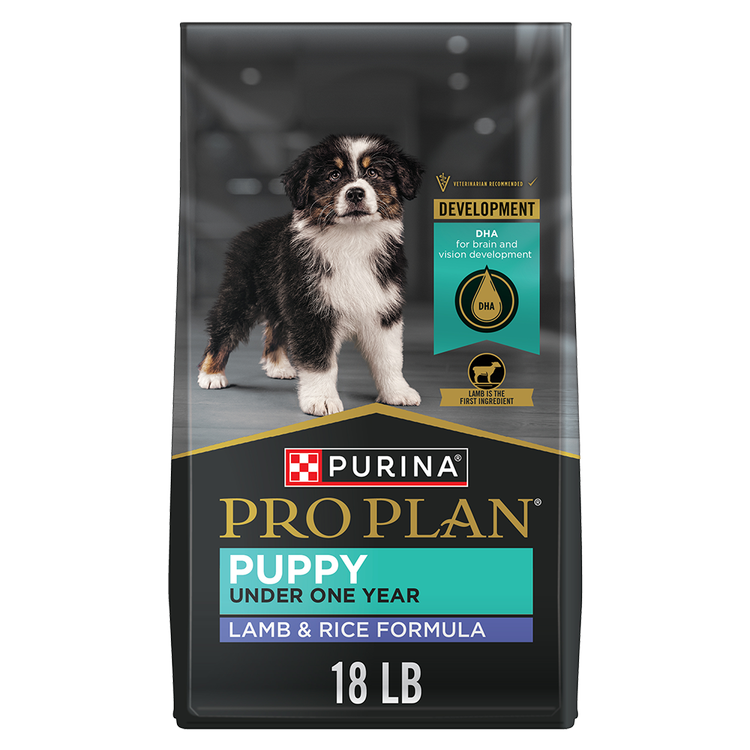
Credit: www.purina.com
Credit: www.becopets.com
Frequently Asked Questions
Can Adult Dogs Eat Puppy Food Safely?
Adult dogs can eat puppy food, but it’s not ideal. Puppy food is rich in calories and nutrients meant for growth. Feeding it long-term may lead to obesity and nutritional imbalances in adult dogs. It’s best to switch to adult dog food for balanced nutrition.
What Happens If Adult Dogs Eat Puppy Food Regularly?
Regularly feeding adult dogs puppy food can cause weight gain and digestive issues. Puppy food is high in fat and protein, which may exceed adult dogs’ needs. This imbalance can lead to health problems like pancreatitis or joint stress over time.
When Should I Switch My Dog From Puppy Food?
Switch your dog to adult food around 12 months old for small breeds, and 18-24 months for larger breeds. This ensures they get nutrients suitable for their growth stage. Consult your vet for precise timing based on your dog’s breed and health.
Can Puppy Food Benefit Senior Dogs?
Puppy food is generally not recommended for senior dogs. Senior dogs need fewer calories and specific nutrients to support aging joints and organs. Feeding puppy food may cause unnecessary weight gain and stress on their system.
Conclusion
Feeding adult dogs puppy food is not ideal long term. Puppy food has extra nutrients meant for growing pups. Adult dogs need a balanced diet suited for their age. Too many calories or nutrients can cause weight gain or health issues.
Always check with your vet before changing your dog’s food. Choose a diet that supports your dog’s health and energy needs. Healthy eating keeps your dog happy and active. Remember, proper nutrition matters at every stage of life.

