Are you wondering when it’s the right time to switch your furry friend from puppy food to adult dog food? It’s a question every dog owner faces, and making the switch at the perfect moment can impact your dog’s health and happiness.
Choosing too early or too late could cause digestive issues or nutritional gaps. You’ll discover the key signs to look for and expert tips to help you make the best decision for your dog’s growth and well-being. Keep reading to find out exactly when you should start your dog on adult food and why it matters so much.
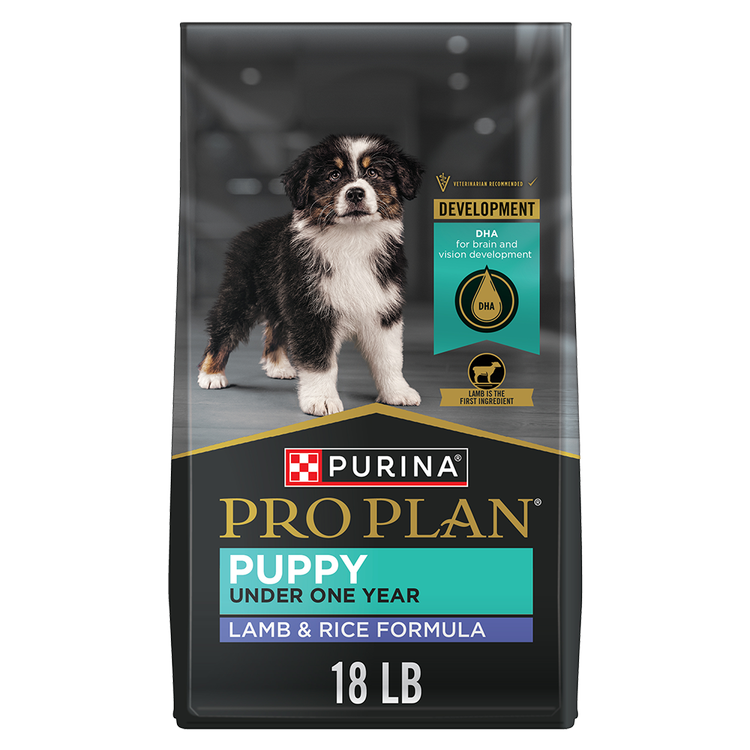
Credit: www.purina.com
Signs Your Puppy Is Ready
Knowing when to switch your puppy to adult dog food is important for their health. Puppies grow fast and their needs change quickly. Recognizing signs that show your puppy is ready helps make this transition smooth. Look for clear changes in age, body, and behavior to decide the right time.
Age Milestones
Puppies usually start eating adult food between 9 and 12 months old.
Small breeds may switch earlier, around 9 months.
Large breeds often need more time, sometimes up to 12 months.
Check your puppy’s breed size to guide the timing.
Physical Development
Your puppy’s body shows key signs of readiness.
- Teeth fully grown and strong for chewing adult food.
- Weight gain slows as growth nears completion.
- Muscle tone improves and bones harden.
- Coat becomes thicker and shinier.
Behavioral Changes
Behavior shifts often hint at readiness for new food.
- Puppy eats less often but consumes larger meals.
- Shows less need for constant nursing or milk.
- More interested in exploring solid foods.
- Energy levels stabilize and become more consistent.
Differences Between Puppy And Adult Food
Puppy food and adult dog food serve different purposes. Puppies need special nutrients to grow strong and healthy. Adult dogs require a balanced diet to maintain their health and energy. Knowing these differences helps you choose the right food at the right time. This section explains the key differences between puppy and adult dog food.
Nutritional Needs
Puppies need more protein and fat to support growth. These nutrients build muscles, bones, and organs. Adult dogs need fewer calories but balanced nutrients for maintenance. Adult food usually has more fiber for digestion. Vitamins and minerals differ to match each life stage’s needs.
Calorie Content
Puppy food has higher calories per serving. Growing dogs burn more energy and need fuel. Adult food has fewer calories to prevent weight gain. Overfeeding adult dogs can lead to obesity and health issues. Calorie control helps keep dogs fit and active.
Ingredient Variations
- Puppy food often includes DHA for brain development.
- Adult food focuses on joint health and digestion.
- Ingredients like antioxidants support immunity in adult dogs.
- Puppy formulas have softer kibble to protect growing teeth.
- Adult food texture suits mature teeth and chewing habits.
Health Benefits Of Timely Switching
Switching your dog to adult food at the right time can make a big difference in their overall health. It’s not just about age but about meeting their changing nutritional needs. The right timing supports their body as they grow, keeping them strong and happy.
Digestive Health
Adult dog food is designed to be easier on your dog’s stomach. It contains a balanced mix of fibers and nutrients that help with digestion. If you switch too late, your dog might struggle with upset stomach or irregular bowel movements.
Think about your own diet changes—sudden shifts can cause discomfort. Your dog’s digestive system needs a smooth transition to avoid problems. When I switched my dog’s food at the right time, I noticed fewer tummy troubles and better overall comfort.
Weight Management
Adult formulas often have adjusted calorie levels to prevent weight gain. Puppies burn lots of energy growing, but adult dogs need fewer calories to stay fit. Feeding puppy food for too long can lead to unhealthy weight gain.
Have you seen a dog gaining weight without changing their activity? It might be the food. Switching to adult food helps keep your dog’s weight in check, reducing the risk of obesity-related issues. This simple change can save your dog from future health problems.
Energy Levels
Adult dog food provides the right balance of protein and fats for steady energy. Puppies need food that fuels rapid growth, but adult dogs benefit from nutrients that support endurance and daily activities. Feeding the right food helps your dog stay active without feeling tired or sluggish.
Notice how your dog behaves after meals. Do they bounce around or seem low on energy? Timing the switch to adult food can keep their energy consistent and support a vibrant lifestyle. Isn’t it worth adjusting their diet to see this boost?
Risks Of Early Or Late Transition
Choosing the right time to switch your dog to adult food is crucial. An early or late transition can pose several risks. These risks range from nutritional deficiencies to growth issues. Each risk can affect your dog’s health and well-being. Understanding these risks helps you make informed decisions. Let’s delve into the potential issues.
Nutritional Deficiencies
Switching to adult food too soon can cause nutritional deficiencies. Puppies need more calories and nutrients for growth. Adult dog food lacks these extra nutrients. This can lead to a weak immune system and poor development. Ensure your puppy receives proper nutrition during their growth phase.
Growth Issues
Starting adult food early can stunt growth. Puppies require balanced nutrition for bone and muscle development. An improper diet may result in weaker bones and muscles. Such growth issues can affect your dog’s agility and strength. It’s crucial to provide growth-supportive food during their early months.
Digestive Problems
Late transition to adult food can cause digestive problems. Adult dogs have different digestive needs than puppies. Puppy food is rich in calories and fats. This may lead to weight gain and digestive discomfort in adults. Transitioning on time ensures your dog’s digestive system functions well.
How To Transition Smoothly
Transitioning your dog from puppy food to adult food requires patience and care. A smooth change helps avoid digestive upset and ensures your dog accepts the new diet happily. Understanding how to make this switch gently can save you from unexpected vet visits and keep your dog feeling their best.
Gradual Mixing Techniques
Start by mixing a small amount of adult food into your dog’s current puppy food. A good ratio to begin with is 25% adult food and 75% puppy food. Over the next 7 to 10 days, slowly increase the adult food portion while decreasing the puppy food.
Mix the food well so your dog doesn’t pick out what they like and leave the rest. If your dog shows reluctance, try slightly warming the food or adding a splash of broth to make it more appealing.
Monitoring Your Dog’s Response
Watch your dog closely during the transition. Look for changes in appetite, energy levels, and stool consistency. Any signs of diarrhea, vomiting, or lethargy mean you should slow down the transition process.
Ask yourself: Is your dog eager to eat? Are their bathroom habits normal? These clues tell you if the new food suits their digestive system or if adjustments are needed.
Adjusting Feeding Portions
Adult dogs generally need fewer calories than puppies, so adjust the portions accordingly. Follow the feeding guidelines on the adult food package but remember your dog’s activity level and weight.
Use a measuring cup to keep portions consistent and avoid overfeeding. If your dog starts gaining too much weight, reduce the amount slightly and monitor the changes.
Credit: www.petmd.com
Special Considerations
Choosing the right time to switch your dog to adult food isn’t just about age. Several special considerations can affect this decision. Paying attention to these factors helps ensure your dog stays healthy and happy during the transition.
Breed Size Differences
Different breeds grow at different rates, which impacts when they should switch to adult food. Small breeds often reach maturity faster, sometimes as early as 9 to 12 months. Larger breeds may need puppy food for up to 18-24 months to support their slower growth and joint health.
Have you noticed your dog’s energy level or body shape changing as they grow? These clues can help you decide if they are ready for adult food or need more time on puppy formulas designed for their size.
Health Conditions
Your dog’s health can change the timeline for switching foods. Dogs with conditions like diabetes, allergies, or digestive issues may require specialized diets beyond standard adult food. Some health problems mean you should keep feeding a puppy diet longer or use therapeutic foods recommended by your vet.
Watch your dog’s reactions carefully when you try new foods. If you see any unusual symptoms, adjusting their diet or consulting an expert becomes essential.
Consulting Your Veterinarian
Your veterinarian is the best guide for deciding when to start adult food. They can assess your dog’s growth, weight, and overall health to recommend the right timing and type of adult food. Regular check-ups offer a chance to discuss your dog’s diet and make adjustments as needed.
Think about your vet as a partner in your dog’s nutrition journey. Asking questions like “Is my dog ready for adult food?” or “What brand suits their needs?” can save time and prevent health issues later.
Credit: www.thinkjinx.com
Frequently Asked Questions
When Should I Switch My Puppy To Adult Dog Food?
Most dogs transition to adult food between 9-12 months old. Large breeds may switch later, around 12-18 months. Consult your vet for the best timing.
What Are Signs My Dog Is Ready For Adult Food?
Signs include slower growth, reduced energy needs, and reaching near full size. Your vet can confirm if your dog is ready for adult food.
Can Switching To Adult Food Too Early Harm My Dog?
Yes, switching too early can cause nutrient imbalances and digestive issues. Always follow breed-specific guidelines and vet advice for safe transition.
How Do I Transition My Dog To Adult Food Safely?
Mix increasing amounts of adult food with puppy food over 7-10 days. This gradual change helps avoid stomach upset and ensures smooth adjustment.
Conclusion
Switching your dog to adult food depends on their age and size. Most dogs start adult food between one and two years old. Large breeds may need adult food a bit earlier. Watch your dog’s growth and health for signs of readiness.
Gradual changes help avoid stomach problems. Choose a balanced diet made for adult dogs. Regular vet visits ensure your dog stays healthy. Feeding the right food supports strong bones and good energy. Your dog will thank you with a happy, healthy life.