Are you wondering if it’s okay to give your adult dog puppy food? You might think it’s harmless or even beneficial, but is that really true?
What if feeding your dog the wrong food could affect their health or energy? Before you make a decision, it’s important to understand how adult dog nutrition differs from that of puppies. Keep reading to discover the surprising facts that could help you keep your furry friend happy and healthy.
Differences Between Puppy And Adult Dog Food
Understanding the differences between puppy and adult dog food is key to making the right choice for your furry friend. Puppy food is specially designed to support rapid growth and development, while adult dog food focuses on maintaining health and energy levels. Feeding your adult dog puppy food might seem harmless, but the differences in nutrient content can impact their well-being over time.
Nutritional Needs Of Puppies
Puppies need higher levels of protein and fat to fuel their fast growth and energy demands. Their bones, muscles, and organs are developing rapidly, so they require more calcium, phosphorus, and essential fatty acids. These nutrients help build strong bones and a healthy immune system.
Since puppies eat smaller meals more frequently, their food is also calorie-dense to pack in enough energy. Have you noticed how active and playful your pup is? That energy comes from the extra nutrients in their food.
Nutritional Needs Of Adult Dogs
Adult dogs need a balanced diet that maintains their muscle tone and supports their metabolism without leading to weight gain. Their growth phase is over, so they require fewer calories and less fat compared to puppies. The focus shifts to maintaining a healthy weight and preventing chronic issues like joint problems or obesity.
Adult dog food often includes ingredients that promote dental health and support digestion. You might wonder if feeding your dog puppy food occasionally is okay—while a small amount won’t hurt, consistently giving them puppy food can cause excess weight gain or nutritional imbalances.
Key Ingredient Variations
| Ingredient | Puppy Food | Adult Dog Food |
|---|---|---|
| Protein | Higher levels (about 22-32%) to support muscle growth | Moderate levels (about 18-25%) to maintain muscle mass |
| Fat | Elevated fat content (around 10-25%) for energy | Lower fat content (around 8-15%) to prevent weight gain |
| Calcium & Phosphorus | Higher amounts for bone development | Reduced amounts to avoid joint issues |
| Calories | More calorie-dense | Balanced for maintenance |
These differences show why it’s important to choose the right food for your dog’s life stage. Have you checked your dog’s food label lately? Understanding what’s inside can help you make smarter feeding decisions.
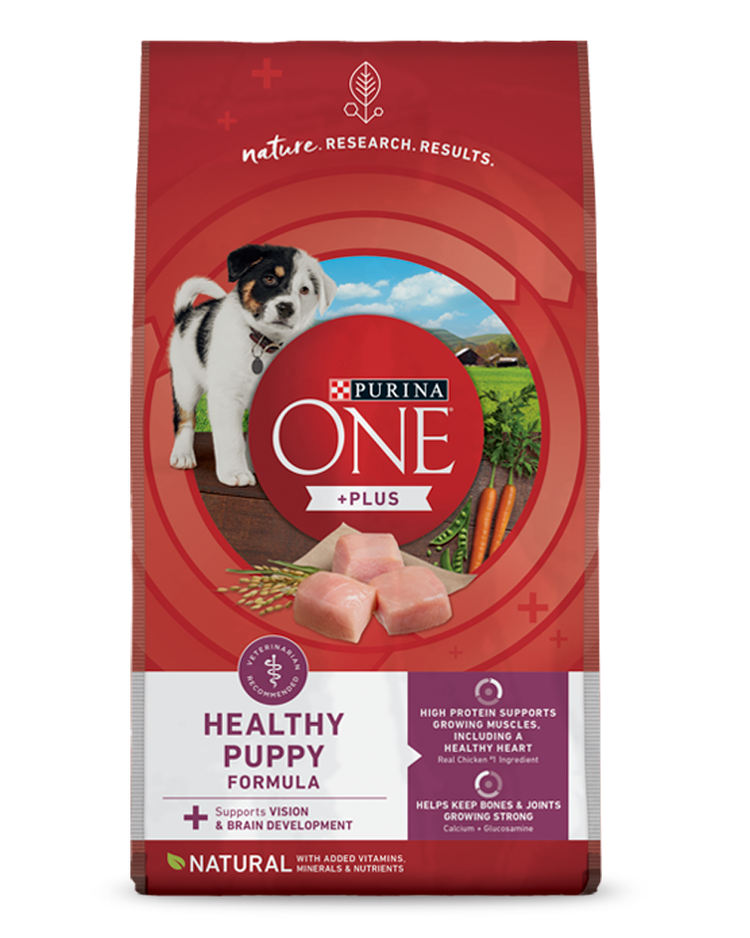
Credit: www.purina.com
Potential Risks Of Feeding Puppy Food To Adult Dogs
Feeding puppy food to an adult dog might seem harmless or even beneficial at first glance, especially if you want to pamper your furry friend. However, there are potential risks that come with this choice. Understanding these risks helps you make better decisions for your dog’s health and well-being.
Weight Gain And Obesity
Puppy food is designed to be calorie-dense to support rapid growth. This means it contains more fat and calories than adult dog food. If your adult dog consumes these extra calories regularly, it can lead to unwanted weight gain and obesity.
Obesity in dogs increases the risk of joint problems, diabetes, and heart disease. Have you noticed your dog gaining weight without any change in their exercise routine? It might be time to check what they’re eating.
Digestive Issues
Adult dogs have different digestive needs compared to puppies. Feeding them puppy food can upset their stomach, causing diarrhea or constipation. The richer ingredients in puppy food might be too heavy for an adult dog’s digestive system.
Some dogs may show signs of discomfort, such as vomiting or gas, after eating puppy food. If your dog experiences these symptoms, switching back to adult dog food can often help restore their digestive balance.
Nutrient Imbalance
Puppy food contains higher levels of certain nutrients like calcium and protein to support growth. An adult dog eating this food over time may get too much of these nutrients, which can harm their kidneys and bones. This imbalance can lead to long-term health issues.
Think about your dog’s specific needs. Are you providing the right nutrients for their current life stage? Consulting your vet can clarify what diet best suits your dog’s health and lifestyle.
When Puppy Food Might Be Suitable For Adults
Adult dogs may need puppy food if they require extra calories or nutrients during growth or recovery. Puppy food is richer in protein and fat, which might benefit some adult dogs temporarily. Regular adult dogs usually do better on food made just for their age.
When considering dog nutrition, most owners opt for age-appropriate food. Yet, there are situations where puppy food might benefit adult dogs. Puppy food is rich in calories, protein, and essential nutrients. These can sometimes aid adult dogs with specific needs. Understanding when this applies is key to making informed choices.Growth Recovery Cases
Adult dogs recovering from illness or surgery may need extra nutrients. Puppy food, with its high caloric content, can help. It supports faster recovery and energy replenishment. Always monitor the dog’s weight and health during this phase.Specific Health Conditions
Certain health conditions require higher nutrient intake. Conditions like malnutrition or extreme weight loss are examples. Puppy food provides extra nutrients that might be necessary. Consult with a vet to ensure it’s the right choice.Veterinary Recommendations
Veterinarians sometimes recommend puppy food for adult dogs. This is typically for specific health reasons. They assess the dog’s individual needs and circumstances. Following a vet’s advice ensures your dog’s health is prioritized. Always check with them before making dietary changes.
Credit: www.petscare.com
How To Transition Between Puppy And Adult Food
Transitioning your dog from puppy food to adult food is a crucial step in their growth. It needs careful attention to avoid upsetting their digestion or missing out on essential nutrients. Knowing when and how to make this change can keep your dog healthy and happy.
Signs Your Dog Is Ready
Look for clear signs that your dog is growing out of the puppy stage. These include reaching about 80% of their expected adult size or hitting the age of 12 months, though this varies by breed. Larger breeds may need puppy food longer, sometimes up to 18-24 months.
Another sign is their behavior and energy level—if they seem less hyper and more balanced, it could mean their nutritional needs are shifting. Have you noticed your dog’s growth slowing down or their appetite changing? These are clues worth paying attention to.
Step-by-step Transition Process
Start by mixing a small amount of adult food with the puppy food. Gradually increase the adult food portion over 7 to 10 days. This slow approach helps your dog’s stomach adjust without causing diarrhea or vomiting.
- Day 1-3: 25% adult food, 75% puppy food
- Day 4-6: 50% adult food, 50% puppy food
- Day 7-8: 75% adult food, 25% puppy food
- Day 9-10: 100% adult food
This gradual switch also lets you observe how your dog reacts to the new food. If any digestive issues appear, slow down the transition or consult your vet.
Monitoring Your Dog’s Health
After switching to adult food, watch for changes in your dog’s weight, coat, and energy. A shiny coat and steady weight are good signs your dog is adapting well. If you see vomiting, diarrhea, or lethargy, it might mean the new food isn’t agreeing with them.
Keep an eye on their stool consistency and appetite daily. Sometimes, subtle changes can signal the need for a different adult formula or a slower transition. Are you ready to adjust your plan based on what your dog tells you?
Choosing The Right Food For Your Adult Dog
Choosing the right food for your adult dog ensures they stay healthy and active. Their nutritional needs change as they grow. Feeding puppy food to an adult dog might not provide the right balance of nutrients. Adult dogs require food that supports their energy levels and maintains their weight. Careful selection helps avoid health issues and supports a long life.
Evaluating Quality Ingredients
Look for foods with real meat as the first ingredient. Avoid products with fillers like corn or soy. Check for added vitamins and minerals. Ingredients should support digestion and immune health. Natural preservatives are better than artificial ones. High-quality ingredients improve your dog’s coat and energy.
Considering Lifestyle And Activity Level
Active dogs need more calories and protein. Less active dogs require fewer calories to prevent weight gain. Puppies’ food is richer and may cause excess weight in adults. Match food to your dog’s daily exercise and age. Adjust portions based on activity to keep your dog fit.
Consulting With A Veterinarian
Veterinarians understand your dog’s specific needs. They can recommend the best food type and brand. Discuss any health issues or allergies with your vet. Regular check-ups help track your dog’s nutrition and health. Follow vet advice to ensure your dog’s diet is safe and balanced.
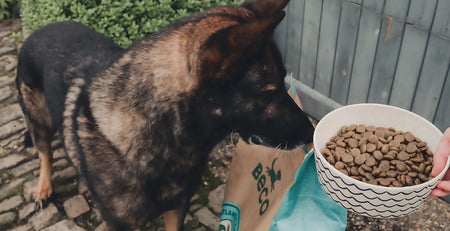
Credit: www.becopets.com
Frequently Asked Questions
Is It Harmful To Feed Adult Dogs Puppy Food?
Feeding adult dogs puppy food occasionally is not harmful. However, long-term feeding may cause weight gain and nutrient imbalance. Puppy food has more calories and nutrients designed for growing dogs, which may not suit adult dogs’ needs.
Can Adult Dogs Digest Puppy Food Properly?
Adult dogs can digest puppy food, but it’s richer in fats and proteins. This extra richness may lead to digestive upset or obesity if given continuously. It’s best to feed age-appropriate food to support healthy digestion and overall wellbeing.
What Are The Risks Of Feeding Puppy Food To Adult Dogs?
Risks include excessive calorie intake, nutrient imbalance, and potential obesity. Puppy food has higher fat and protein levels, which can strain an adult dog’s metabolism. Long-term feeding may cause joint stress and health issues in adult dogs.
When Is It Okay To Give Adult Dogs Puppy Food?
Occasional feeding of puppy food is fine during special treats or transitions. However, adult dogs should primarily eat food formulated for their age and lifestyle. Consult a vet before making significant diet changes to ensure balanced nutrition.
Conclusion
Feeding adult dogs puppy food can cause health issues. Puppy food has extra nutrients meant for growth. Adult dogs need a balanced diet for maintenance. Too many calories can lead to weight gain. Always choose food that fits your dog’s age.
Watch your dog’s energy and health closely. Consult your vet for the best feeding advice. Healthy food means a happy, active dog. Keep your dog’s diet simple and suitable. This helps your dog live a long, healthy life.