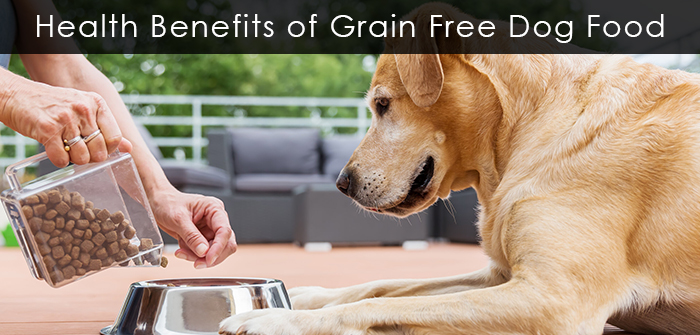

Are you wondering if a grain free diet is the right choice for your dog? With so many options out there, it’s easy to feel confused about what’s best for your furry friend.
You want to give your dog food that keeps them healthy, happy, and full of energy. But is cutting out grains really the answer? Keep reading to discover the facts, benefits, and risks of a grain free diet so you can make the best decision for your dog’s well-being.
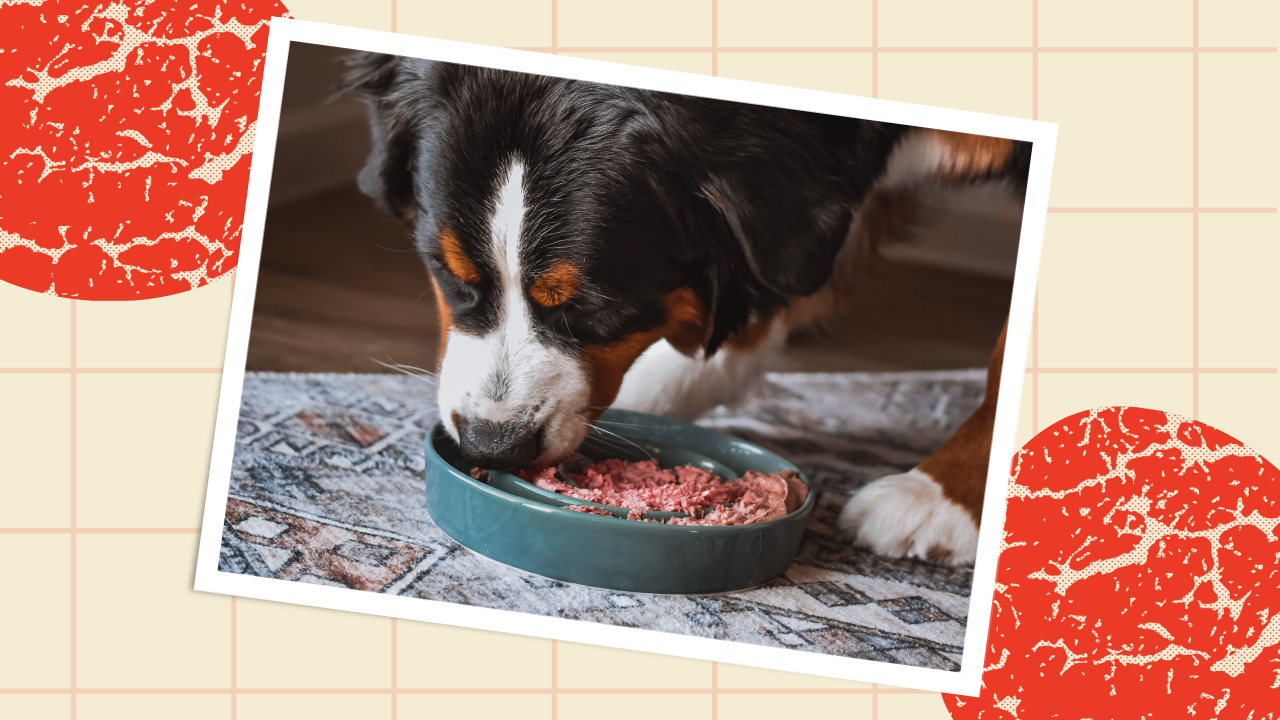
Credit: wefeedraw.com
Grain Free Diet Basics
A grain free diet for dogs removes common grains like wheat, corn, and rice. It aims to reduce allergens and improve digestion. Many pet owners choose this diet for dogs with food sensitivities or allergies.
Understanding the basics helps decide if this diet suits your dog. Knowing what grain free dog food contains and its common ingredients is key.
What Is Grain Free Dog Food
Grain free dog food does not include grains such as barley, oats, or corn. Instead, it focuses on other sources of carbohydrates and nutrients. The goal is to avoid grains that might cause allergies or digestive issues.
It often uses vegetables, legumes, and fruits for energy. This type of food may support dogs with specific health needs. Some dogs may benefit from fewer grains in their diet.
Common Ingredients In Grain Free Diets
- Meat and fish: Chicken, beef, salmon, and lamb
- Vegetables: Sweet potatoes, peas, carrots, and pumpkin
- Legumes: Lentils, chickpeas, and beans for protein and fiber
- Fruits: Apples, blueberries, and cranberries for vitamins
- Oils and fats: Fish oil and flaxseed for healthy skin
These ingredients provide protein, fiber, and essential nutrients. Grain free diets can be balanced and nutritious when well formulated.
Benefits Of Grain Free Diets
A grain free diet offers several benefits for dogs, especially those with specific health needs. Many pet owners notice positive changes in their dog’s overall well-being after switching to grain free food. These diets focus on high-quality proteins and vegetables instead of grains. This can help dogs feel better and stay healthier.
Allergy And Sensitivity Relief
Grains like wheat, corn, and soy often cause allergies in dogs. A grain free diet removes these common allergens. Dogs with food sensitivities may stop itching or showing signs of discomfort. This diet reduces the risk of allergic reactions and supports a happier, calmer dog.
Improved Digestion
Some dogs have trouble digesting grains. Grain free diets use ingredients that are easier on the stomach. This can lead to less gas, bloating, and diarrhea. Better digestion means dogs absorb more nutrients from their food. It helps maintain healthy weight and energy levels.
Better Skin And Coat Health
Grain free diets often contain more omega fatty acids and proteins. These nutrients improve skin hydration and reduce dryness. Dogs on grain free food usually have shinier, softer coats. Healthy skin also means fewer hot spots and less hair loss.
Potential Risks And Concerns
Switching your dog to a grain-free diet might seem appealing, especially with many pet food brands promoting it as a healthier option. However, it’s crucial to weigh the potential risks and concerns. Understanding these challenges can help you make an informed decision about your dog’s nutritional needs.
Nutritional Imbalances
Grain-free diets often replace grains with legumes or potatoes. While these ingredients are not inherently bad, they can lead to nutritional imbalances. Dogs require a variety of nutrients, and cutting out grains without proper substitutes can deprive them of essential vitamins and minerals.
Have you ever noticed changes in your dog’s energy levels or coat condition? These might be signs of nutrient deficiencies. Ensuring a balanced diet is crucial for maintaining your dog’s overall health and vitality.
Heart Health And Dilated Cardiomyopathy
There have been reports linking grain-free diets to heart issues in dogs, particularly dilated cardiomyopathy (DCM). This condition affects the heart’s ability to pump blood, leading to severe health problems. The FDA has even investigated these concerns, urging pet owners to be cautious.
Consider your dog’s heart health when choosing a diet. Is it worth the risk to switch to grain-free without consulting your veterinarian? Always seek professional advice to safeguard your furry friend’s heart.
Cost And Availability Issues
Grain-free diets tend to be more expensive than traditional dog food. This cost can add up, especially if you have multiple dogs or a large breed. Additionally, not all pet stores carry a wide range of grain-free options, potentially making it challenging to find the right product consistently.
Have you ever struggled to find your preferred dog food brand? Availability can be a major inconvenience, leading you to make last-minute dietary changes. Weigh the cost and accessibility before making a switch to grain-free diets.
When To Consider Grain Free
Choosing a grain free diet for your dog is a decision that depends on their specific needs. Not all dogs require grain free food. Some dogs thrive on it, especially if they show certain health signs. Understanding when to consider grain free food helps keep your dog healthy and happy.
Signs Your Dog Might Benefit
Some dogs have trouble digesting grains. Watch for these signs that suggest a grain free diet might help:
- Frequent itching or skin irritation
- Chronic ear infections
- Loose stools or diarrhea
- Excessive gas or bloating
- Loss of appetite or weight loss
These symptoms can indicate food sensitivities or allergies. Grain free diets often reduce these problems by removing common allergens.
Consulting Your Veterinarian
Your veterinarian knows your dog’s health best. Talk to them before changing your dog’s diet. They can:
- Help identify allergies or food sensitivities
- Recommend the right grain free food options
- Suggest tests to rule out other health issues
- Guide you on balanced nutrition for your dog
Veterinary advice ensures your dog’s diet supports their overall health. Avoid making changes without professional guidance.
Alternatives To Grain Free Diets
Exploring alternatives to grain free diets offers many options for dogs with different needs. These diets can provide balanced nutrition without completely removing grains. Choosing the right diet depends on your dog’s health and preferences.
Limited Ingredient Diets
Limited ingredient diets use fewer ingredients to reduce allergies. They often have one protein and one carbohydrate source. These diets help identify food sensitivities easily. They are gentle on the stomach and support digestion.
Hypoallergenic Options
Hypoallergenic diets avoid common allergens. They include novel proteins like duck or venison. These foods reduce the risk of allergic reactions. They are suitable for dogs with sensitive skin or digestion.
Balanced Diets With Whole Grains
Whole grains like brown rice and oats offer fiber and nutrients. They support healthy digestion and provide energy. Balanced diets include grains with quality proteins and fats. These diets promote overall health and well-being.
Transitioning Your Dog’s Diet
Changing your dog’s diet to grain free requires patience and care. Dogs can be sensitive to sudden food changes, which might cause digestive upset or refusal to eat. Taking time to transition smoothly helps your dog adjust and benefits their health.
How To Switch Safely
Start by mixing a small amount of the new grain free food with your dog’s current diet. Gradually increase the new food portion over 7 to 10 days. This slow change reduces the risk of stomach upset and helps your dog accept the new taste.
- Day 1-3: 25% new food, 75% old food
- Day 4-6: 50% new food, 50% old food
- Day 7-9: 75% new food, 25% old food
- Day 10 onwards: 100% new food
Keep your dog’s water bowl full and encourage hydration during the switch. Avoid adding treats or other foods that might confuse their palate.
Monitoring Your Dog’s Response
Watch your dog closely for any signs of digestive issues like diarrhea, vomiting, or decreased appetite. Also, check for changes in energy levels and coat condition, which can indicate how well they tolerate the new diet.
If you notice any problems, slow down the transition or consult your vet. Sometimes, a dog might have an allergy or sensitivity that requires a different approach.
Remember, every dog reacts differently. What worked for my Labrador was a gradual 10-day switch with plenty of praise and attention. How do you plan to observe your dog’s health during their diet change?
Myths About Grain Free Dog Food
Grain free dog food has sparked a lot of debate among pet owners and veterinarians alike. Many believe it’s a healthier choice for dogs, while others warn against potential risks. Let’s take a closer look at some common myths surrounding grain free diets and see what really matters for your furry friend.
Debunking Common Misconceptions
One popular myth is that grains cause allergies in most dogs. While some dogs do have allergies, grains are rarely the culprit. More often, proteins like beef or dairy trigger reactions, not grains.
Another misconception is that grain free means carbohydrate free. This isn’t true. Grain free dog foods often use ingredients like potatoes or peas, which are also high in carbs.
Some people believe grain free diets improve digestion automatically. However, dogs digest grains quite well, and removing them doesn’t guarantee better gut health. The quality of ingredients matters more than the presence of grains.
Separating Facts From Marketing
Marketing for grain free products can be very persuasive. Words like “natural” and “premium” make you think grain free is always better. But remember, not every dog food labeled grain free meets your dog’s specific needs.
Ask yourself: does your dog actually need a grain free diet, or is it just a trend? Your vet can help you decide based on your dog’s health and lifestyle.
Look beyond the label. Check ingredient lists and nutritional content. A balanced diet tailored to your dog’s unique needs will always outperform a marketing slogan.
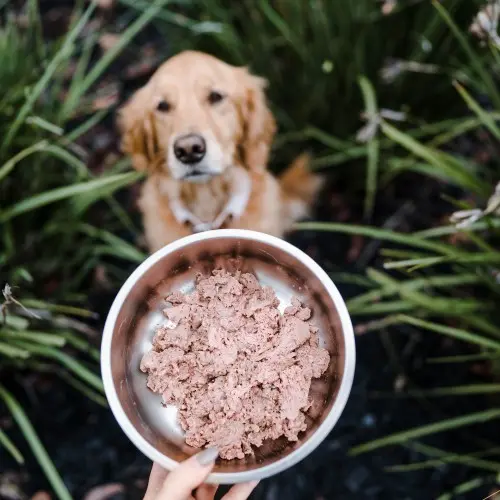
Credit: wefeedraw.com
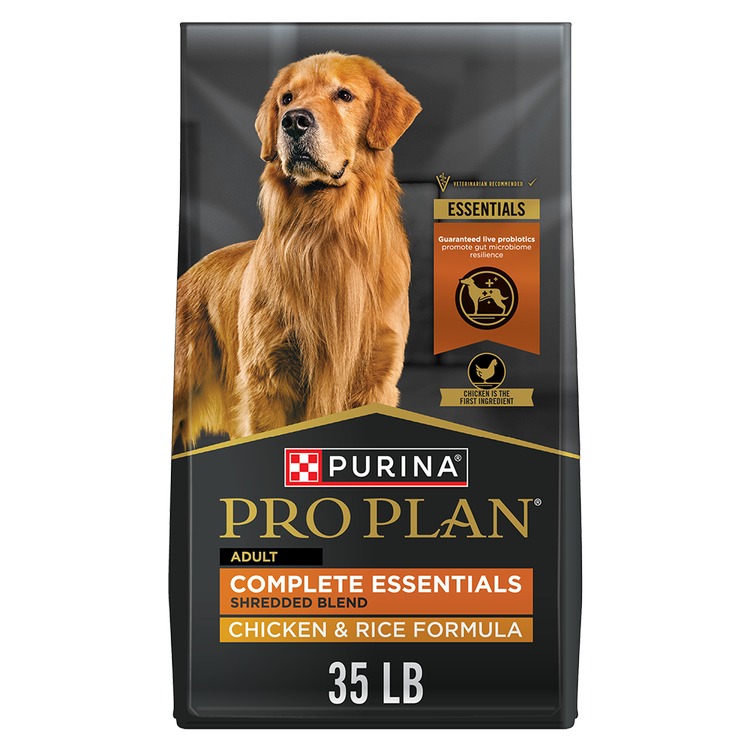
Credit: www.purina.com
Frequently Asked Questions
What Are The Benefits Of A Grain Free Diet For Dogs?
A grain free diet can help dogs with allergies or sensitivities. It may improve digestion and reduce inflammation. Some dogs show better coat health and energy levels. However, benefits vary by individual dog and diet quality.
Can Grain Free Diets Cause Health Problems In Dogs?
Some studies link grain free diets to heart disease (DCM) in dogs. Not all dogs are affected, but risks exist. Always consult your vet before switching diets. Balanced nutrition is crucial for your dog’s overall health.
Which Dogs Benefit Most From Grain Free Diets?
Dogs with grain allergies, sensitivities, or digestive issues benefit most. Puppies and dogs with specific health problems may also improve. However, healthy dogs usually do well on balanced diets with grains. Vet advice helps decide the best diet.
Is Grain Free Dog Food More Expensive?
Grain free dog food often costs more due to specialized ingredients. Prices vary by brand and quality. Higher cost reflects premium protein sources and grain alternatives. Budget and dog’s needs should guide your choice.
Conclusion
Grain free diets can help some dogs with allergies or digestion. Not all dogs need grain free food to stay healthy. Consult your vet before making any diet changes. Watch your dog’s health and energy after switching foods. Good nutrition means balance, not just removing grains.
Each dog is different. Choose food that fits your dog’s needs best. Keep your dog happy and active with proper care.
