Are you wondering when your puppy is ready to switch to adult dog food? It’s a big step in your pup’s life, and getting the timing right can make a huge difference in their health and happiness.
Feeding your puppy the right food at the right time helps them grow strong and stay energetic. But how do you know when the change should happen? Keep reading, and you’ll discover clear signs and expert tips to make this transition smooth and stress-free for both you and your furry friend.
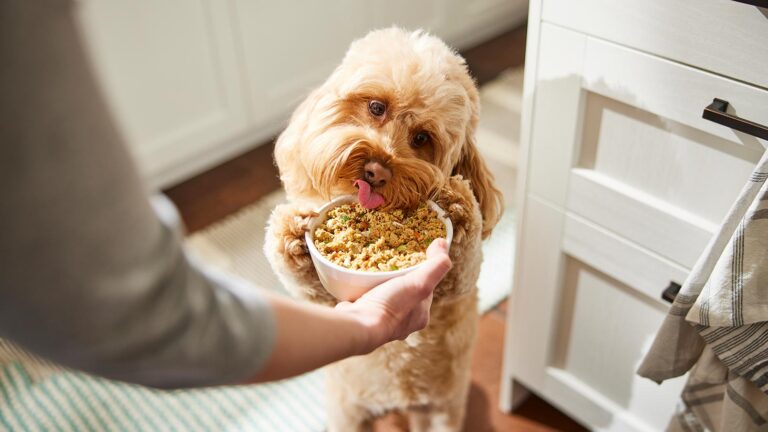
Credit: www.chewy.com
Signs Your Puppy Is Ready
Knowing when to switch your puppy to adult dog food is crucial for their health and development. Puppies grow fast, and their nutritional needs change just as quickly. Recognizing the signs that your puppy is ready can help you make the best choice for their diet and overall well-being.
Age Milestones For Switching
Most puppies start transitioning to adult dog food between 9 and 12 months old. Small breeds often switch closer to 9 months, while larger breeds might need up to 12 months or even longer. This is because bigger dogs grow at a different rate and require a longer period of puppy nutrition.
Keep in mind your vet’s advice here—it’s tailored to your puppy’s breed and size. Some breeds, like Great Danes or Mastiffs, might benefit from staying on puppy food until 18 months. So, don’t rush the change just because your calendar says it’s time.
Behavioral And Physical Changes
Your puppy’s behavior and body can tell you a lot about readiness for adult food. Are they slowing down on growth spurts? Have their energy levels started to stabilize instead of being boundless? These signs suggest their metabolism and nutrient needs are shifting.
Also, watch their teeth. When most of their adult teeth have come in, it’s a good hint they can handle adult food textures. Another clue: if your puppy seems less interested in high-calorie meals and more content with smaller portions, they might be ready to switch.
- Your puppy’s coat looks shinier and healthier, indicating balanced nutrition.
- They’ve reached close to their expected adult weight or size.
- They’re less hyperactive, showing more calm and consistent energy.
Have you noticed any of these signs in your puppy? Paying attention to these details helps you make a smooth transition without upsetting their digestion or growth.
Choosing The Right Adult Dog Food
Choosing the right adult dog food is important for your pet’s health. Adult dogs have different dietary needs than puppies. Providing food that matches their age keeps them strong and active. The right food supports their energy, weight, and overall well-being.
Nutritional Needs Of Adult Dogs
Adult dogs need balanced nutrients for daily functions. Protein helps maintain muscles and repair tissues. Fat provides energy and supports skin health. Carbohydrates supply fuel for activity. Vitamins and minerals keep the immune system strong. Fiber aids digestion and prevents constipation.
Portion size matters too. Overfeeding can cause weight gain. Underfeeding leads to lack of energy. A well-balanced diet keeps your dog healthy and happy.
Types Of Adult Dog Food
Adult dog food comes in different forms. Each type has benefits and drawbacks:
- Dry kibble:Easy to store and feed. Helps clean teeth but less moisture.
- Canned food:High moisture content. Tasty but can be more expensive.
- Raw diet:Natural ingredients. Needs careful handling for safety.
- Dehydrated or freeze-dried:Retains nutrients well. Requires water before feeding.
Choose food that suits your dog’s taste and health needs. Consult a vet for special dietary advice.
Preparing For The Transition
Transitioning your puppy to adult dog food is a crucial step. This shift needs careful planning to ensure your pup stays healthy. Puppies have different nutritional needs than adult dogs. Their diet must reflect their growing bodies and energy levels. Preparing for this transition helps your puppy adjust smoothly.
Gradual Mixing Method
Introduce adult dog food gradually. Start by mixing a small amount with your puppy’s current food. Use a ratio of 25% adult food to 75% puppy food. Increase the adult food portion slowly over a week. Aim for a 50-50 mix by midweek. By the end of the week, your puppy should eat mostly adult food. This method helps avoid digestive issues.
Monitoring Your Puppy’s Response
Watch your puppy’s reaction to the new food. Look for signs of discomfort or allergies. Symptoms might include vomiting or diarrhea. If these occur, slow down the transition process. Check your puppy’s energy levels and coat condition. Healthy signs indicate a successful transition. Stay attentive and adjust as needed to ensure your puppy thrives.
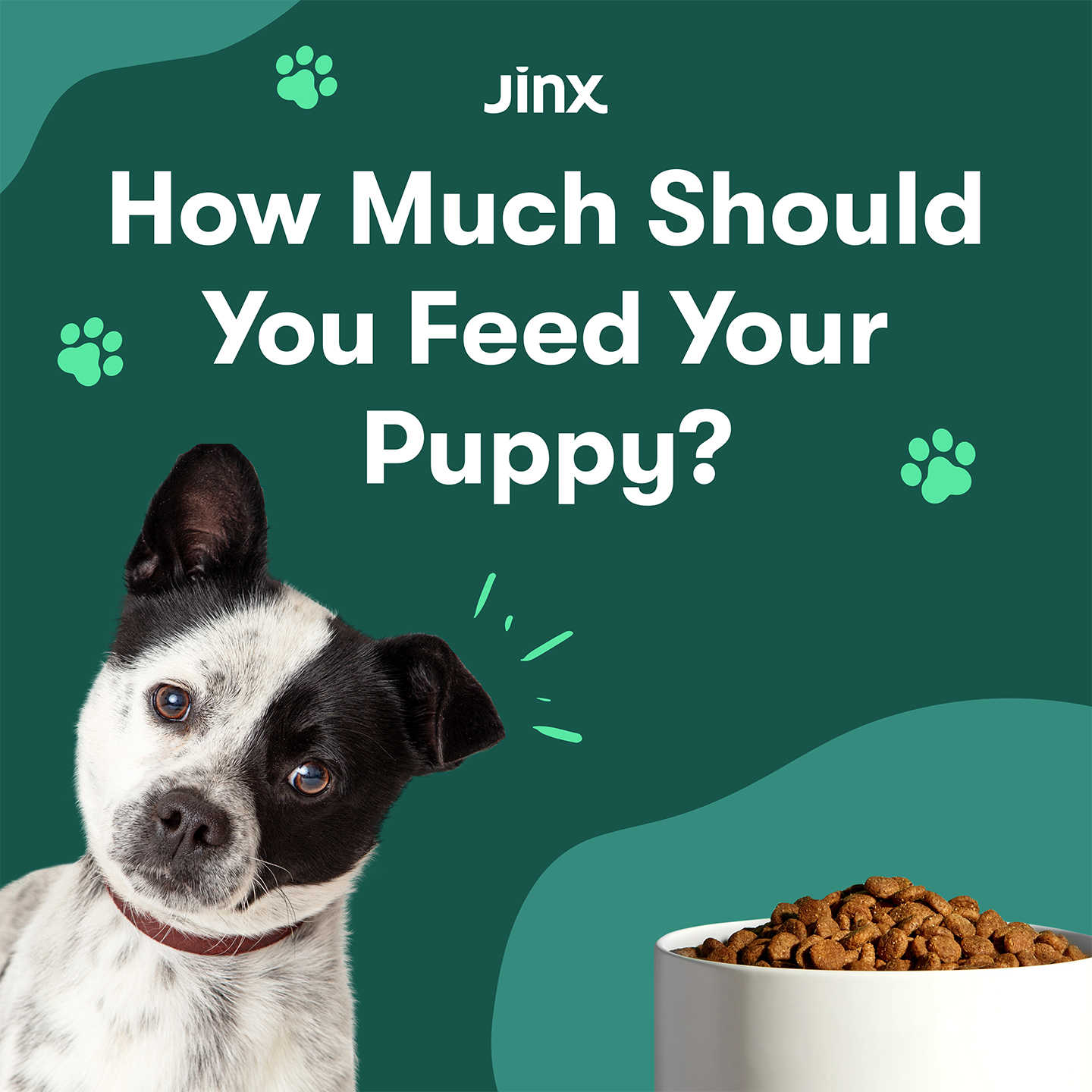
Credit: www.thinkjinx.com
Common Challenges During Transition
Switching your puppy to adult dog food can bring some challenges. This change affects their digestion and eating habits. Understanding these common problems helps you manage the transition smoothly. Patience and careful observation are key during this period.
Digestive Upset
Digestive upset often happens when changing a puppy’s food. New ingredients may cause diarrhea or vomiting. The stomach needs time to adjust to different nutrients. Signs include loose stools, gas, or mild stomach pain. Avoid sudden food changes to reduce these issues. Gradually mix adult food with puppy food over days. This slow approach helps the digestive system adapt well.
Food Refusal
Puppies may refuse adult dog food at first. The taste and texture differ from puppy food. They might prefer the familiar flavor of their old diet. This refusal can last a few days but usually ends. Try offering smaller portions more often. Mixing a little warm water can soften the food. Patience and persistence encourage your puppy to accept the new food.
Tips To Make Transition Smooth
Transitioning your puppy to adult dog food can be challenging. A smooth change helps avoid stomach upset and keeps your dog happy. Follow these tips to ease the process and support your puppy’s health.
Consistency In Feeding Times
Keep feeding times regular. Feed your puppy at the same times every day. This routine helps their digestion and creates a sense of security. Avoid skipping or delaying meals. Consistent timing supports a healthy eating habit and makes the transition easier.
Using Treats And Positive Reinforcement
Use treats to encourage your puppy during the switch. Praise and gentle petting work well too. Positive reinforcement makes your puppy feel safe and loved. Offer small treats that match the new adult food flavor. This helps your puppy accept the change without stress.
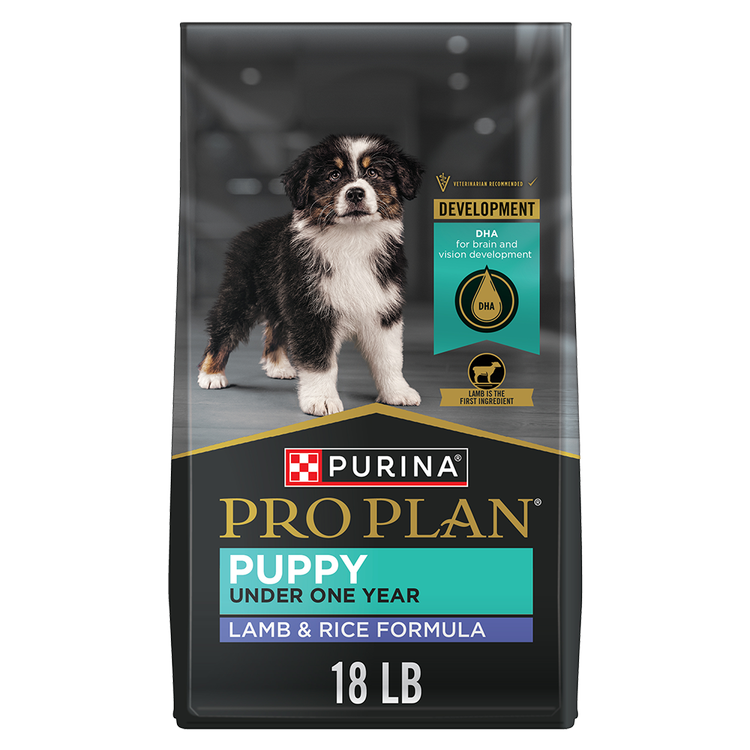
Credit: www.purina.com
When To Consult A Veterinarian
Knowing when to consult a veterinarian during your puppy’s transition to adult dog food is crucial. Every pup is unique, and their nutritional needs can vary greatly. Paying attention to certain signs can help you decide if professional advice is needed to keep your furry friend healthy and happy.
Signs Of Allergies Or Intolerance
Watch closely for unusual reactions after switching foods. Symptoms like itching, redness, or swelling might indicate an allergy.
Digestive issues such as vomiting, diarrhea, or excessive gas can also signal intolerance. If these signs appear, don’t hesitate to contact your vet. Early intervention can prevent more serious health problems.
Growth Or Weight Concerns
If your puppy isn’t gaining weight as expected or seems lethargic, it’s time to get a professional opinion. Rapid weight gain or loss can also be a red flag.
Your vet can help determine if the adult food meets your puppy’s specific growth needs. They may recommend adjustments or special diets to support healthy development.
Frequently Asked Questions
When Should I Switch My Puppy To Adult Dog Food?
Switch to adult dog food when your puppy reaches about 80% of its expected adult size. This is usually around 9 to 12 months for small breeds and 12 to 18 months for large breeds. Consult your vet for breed-specific advice.
What Are Signs My Puppy Needs Adult Food?
Signs include slower growth, increased energy, and less need for high-calorie food. If your puppy is less active and their weight stabilizes, it might be time to switch to adult dog food to meet their changing nutritional needs.
How To Transition Puppy To Adult Dog Food?
Gradually mix adult food with puppy food over 7-10 days. Start with 25% adult food and 75% puppy food, increasing adult food daily. This helps avoid digestive upset and allows your puppy to adjust to the new diet smoothly.
Can Switching Too Early Harm My Puppy?
Yes, switching too early can cause nutrient deficiencies and digestive issues. Puppies need higher protein and fat for growth. Always wait until your puppy reaches the right age or size before changing their diet.
Conclusion
Puppies need special food to grow strong and healthy. Switch to adult dog food when your puppy reaches the right age and size. Watch their weight and energy to decide the best time. Changing food too soon or too late can cause problems.
Always choose good quality dog food that fits your dog’s needs. A smooth change helps your dog adjust better. Take your time and enjoy watching your puppy grow into a happy adult dog.